
Affiliate disclosure: As an Amazon Associate I earn from qualifying purchases. Learn more
Southern Arizona hides a mountaintop where the Milky Way stretches overhead in plain view, no fancy gear required. Scientists have been learning about the universe from this peak for decades, and regular folks can join them after sunset.
The drive from Tucson climbs past desert views and ends among domes packed with research telescopes. Stick around, because the story of this summit, its giant scopes, and its evening programs might just put a new trip at the top of your list.
A Mountaintop Address West of Tucson
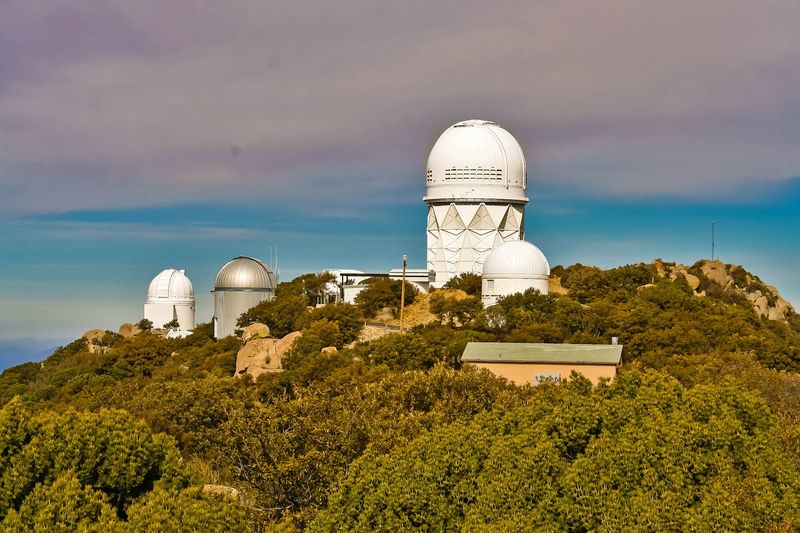
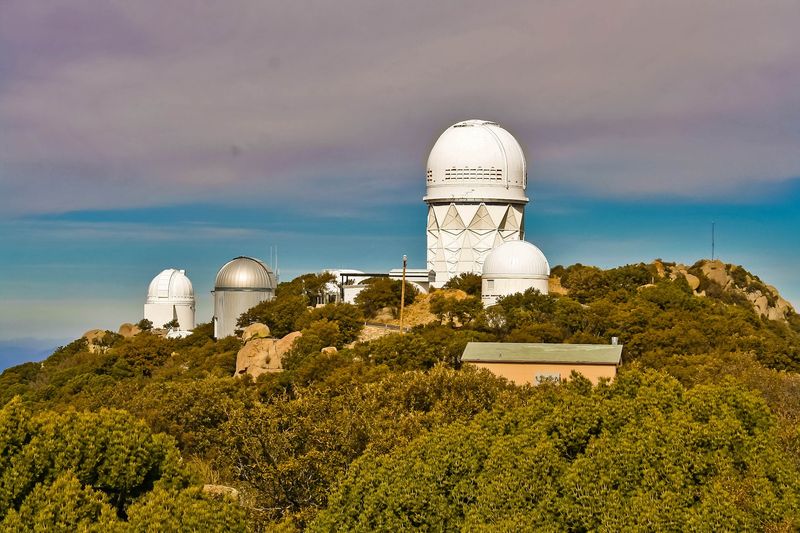
Some of the most important astronomy in the country happens just a drive away from Tucson. Kitt Peak National Observatory sits at Tucson, AZ 85634, in southern Arizona, United States.
The site is an astronomy hub known for nightly viewing programs. It also holds the world’s largest collection of research telescopes, which is a big claim for one mountain.
For Arizona locals, that is a point of real pride. Plenty of people travel across oceans for this kind of setup, and it has been sitting in our own backyard the whole time.
The mountain is dotted with domes of many shapes and sizes. Each one tells a piece of the story of how people have studied the sky from this summit.
Daytime hours run from 9 AM to 4 PM every day of the week. Evening programs extend the fun well past dark for anyone who books ahead.
Consider this your starting point before the real adventure begins higher up.
The Scenic Climb Up the Mountain
Getting there is half the show. The route from Tucson heads out into open desert before the road begins to climb.
The last 12 miles are the stretch people remember most. Views open up in every direction as the road winds toward the summit.
Wildlife sightings along the way are part of the appeal. Many families say the drive itself never disappoints, even on repeat trips.
A fair warning belongs here, too. The road up can feel a little scary for anyone nervous about heights, though the drive is otherwise easy.
Give yourself extra time so the ride does not feel rushed. Pull-offs and slow curves reward patience.
Longtime Tucson residents who have been making this trip since the 1970s still call the drive great. That kind of staying power says a lot about the scenery.
By the time the domes come into view, the trip already feels worth it, and the sky has not even gotten dark yet.
Discoveries Made on This Summit
Much of what we know about the universe has roots on this very peak. Guides share the background of the site and the discoveries tied to it.
The observatory has connections to different universities. That means research here links to classrooms and labs far beyond Arizona.
Guests often describe feeling inspired just standing in a place that has contributed so much to modern astronomy. It is a humbling idea for a Tuesday night outing.
The history talks are designed for regular people, not only scientists. Guides make complex work feel relatable and easy to follow.
Kids especially seem to catch the bug. Questions get answered, and new interest in space tends to follow them home.
That mix of big science and friendly storytelling sets the tone for everything else on the mountain. The past explains why the present looks so impressive.
The Giant Solar Telescope
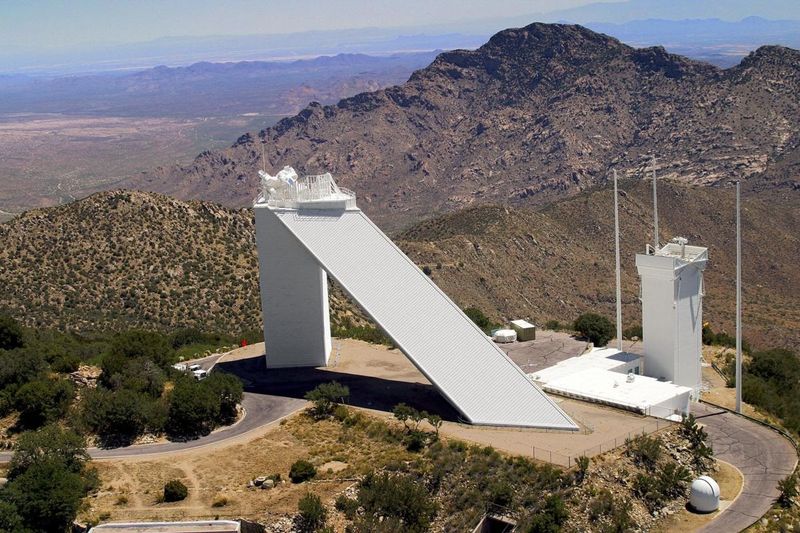
Few structures on the mountain get as much attention as the solar telescope. It was once the largest solar telescope in the world.
A solar telescope tour lets guests learn how scientists studied our nearest star. Many people call the tour fascinating.
There is one catch worth knowing before you go. The solar telescope is not currently operational, so the tour focuses on its design and story rather than live viewing.
Even so, the building remains one of the most talked-about stops. Its scale alone makes an impression.
The former control room has found a new purpose, which gets its own spotlight in the next section. Old science space, new life.
For anyone curious about how astronomers studied the sun from Arizona, this stop is a strong place to start. It sparks questions that carry into the rest of the day.
A New Visitor Center in a Historic Control Room
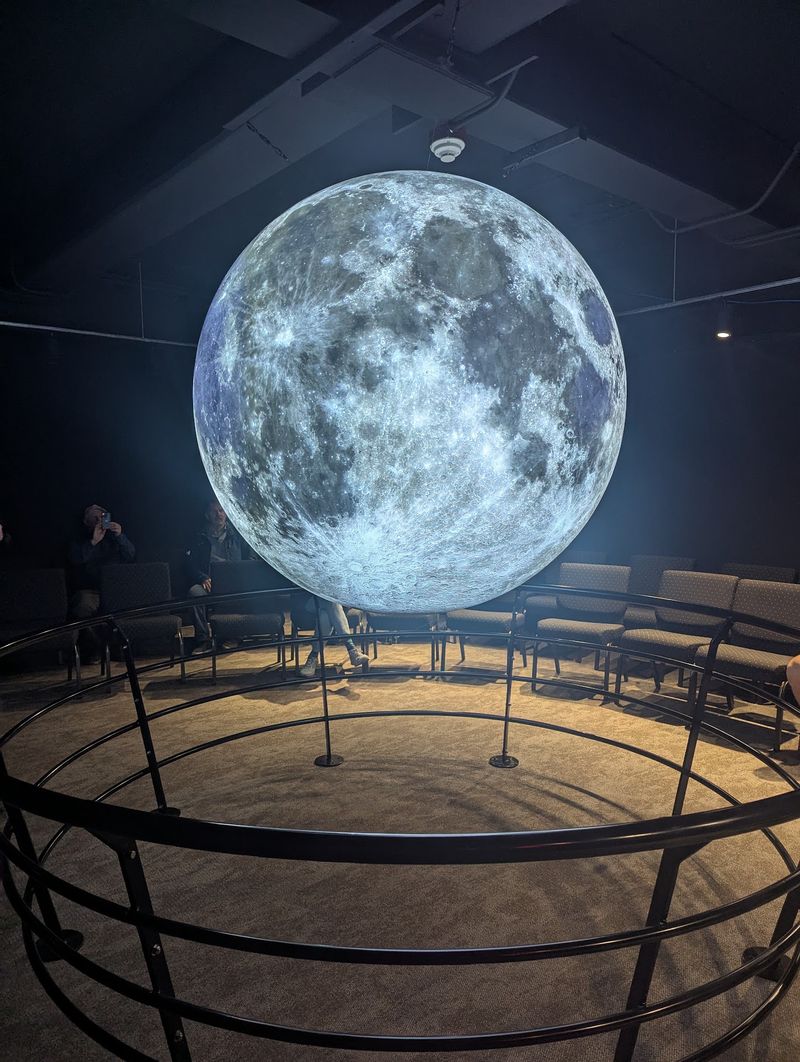
Here is a fun twist on recycling. The newer visitor center sits in the former control room of the world’s largest solar telescope.
Many guests rank the space as top notch. Exhibits help explain the work that happens across the campus.
On cloudy evenings, the exhibits become part of the program. Groups spend time with discussions and displays until the sky clears.
Time can be the tricky part. Some tour groups feel they do not get long enough to explore the museum area, so ask about timing when booking.
The gift shop also deserves a look. It carries crafts made locally, which makes for a thoughtful keepsake.
Plan a little buffer before or after your tour. A few extra minutes here can make the whole visit feel more complete.
Daytime Tours of the Big Scopes
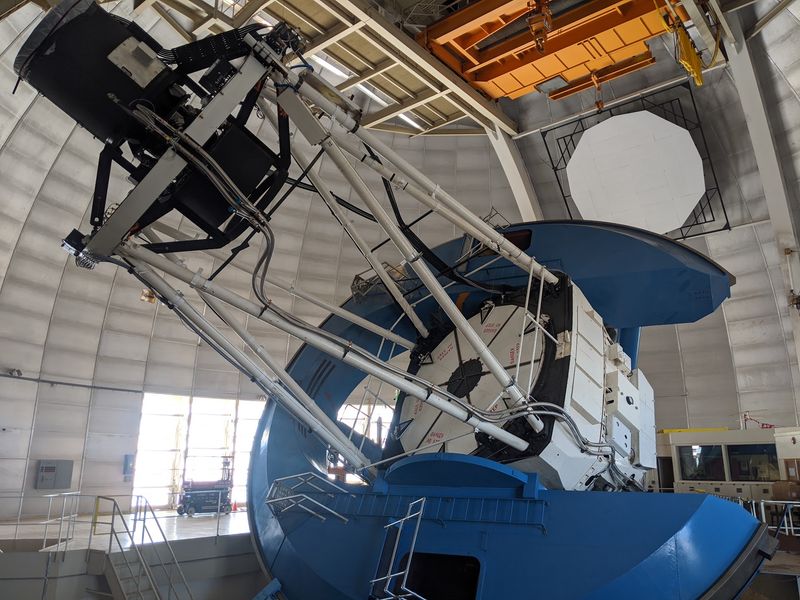
Three daytime tours give three different looks at the science happening here. Each one focuses on the work behind a specific telescope.
Options include the solar telescope, the 2.1 meter telescope, and the 4 meter telescope. Docents lead each one.
Guides earn steady praise for being knowledgeable and kind. Many people leave planning to come back for another tour.
These tours are the main way to see beyond the visitor center. Self-guided wandering around the site is no longer allowed, so a paid tour is your ticket in.
Longtime fans remember roaming freely in past decades. The current setup is different, but the telescopes remain impressive.
Doing more than one tour is a popular move. Each adds a fresh angle, and together they give a well-rounded picture of the mountain.
Domes With Tongue-Twister Names
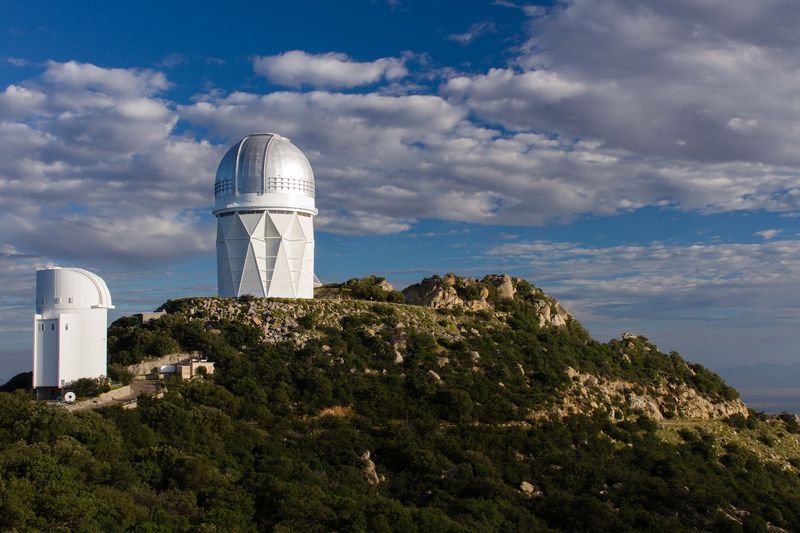
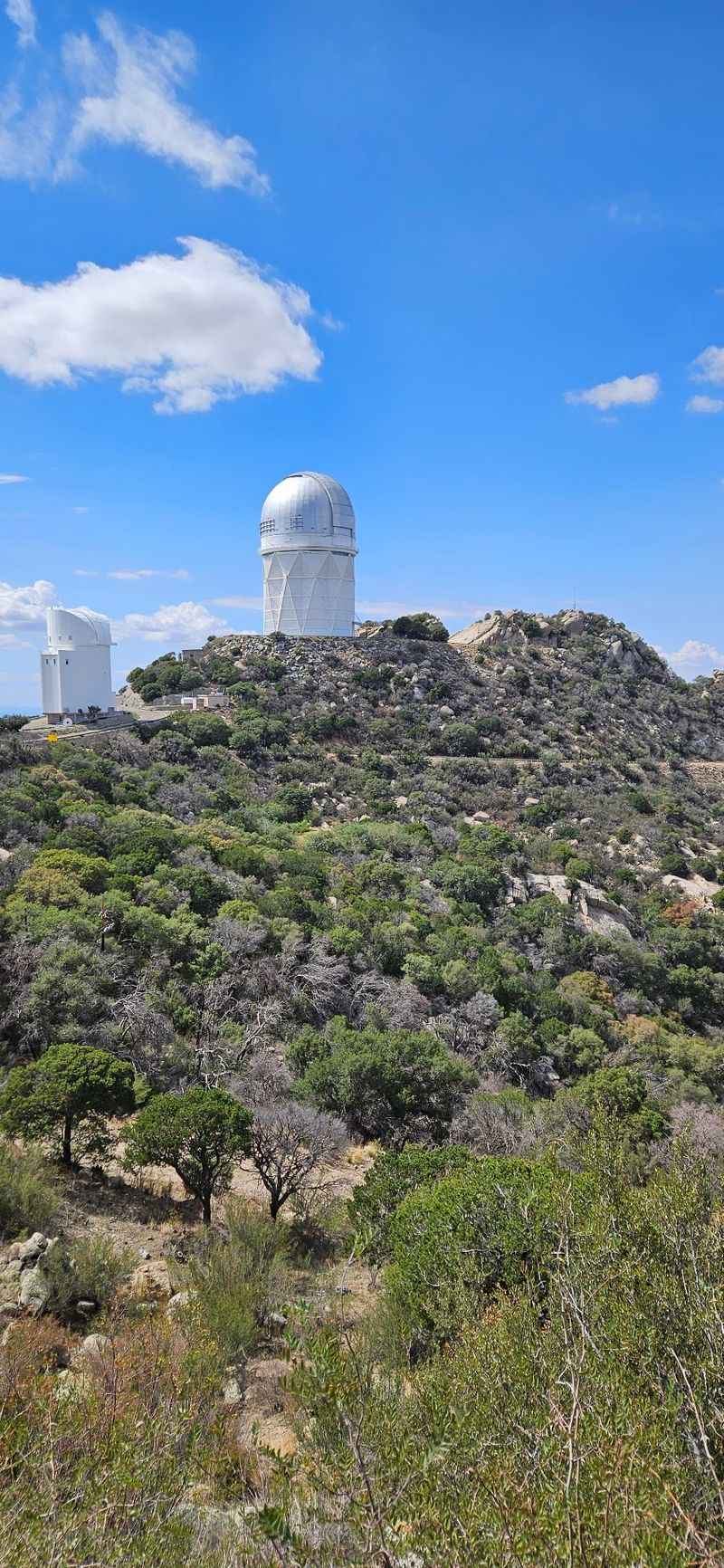
Ready for a vocabulary lesson you did not expect? One dome here has a shape called a truncated rhombicuboctahedron.
Guides love sharing that phrase, and guests love trying to repeat it. It is one of those details that sticks around long after the trip.
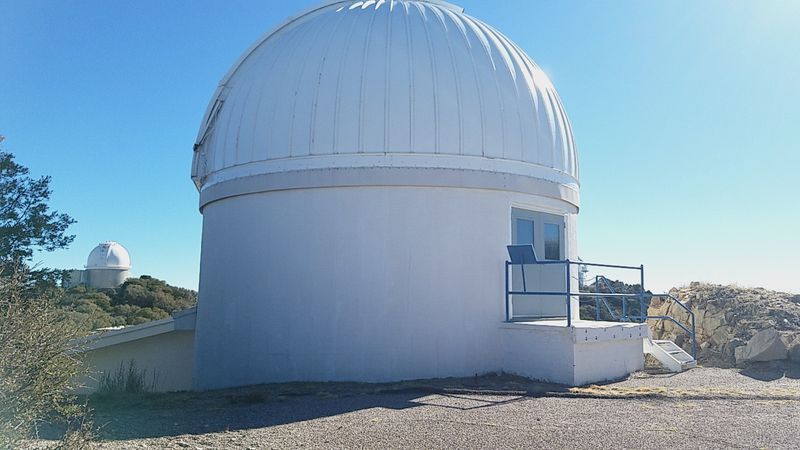
The campus holds telescopes in many buildings, and not all of them look alike. Walking between them on a tour becomes a small lesson in design.
There is also a roll-off roof building used for evening viewing. The roof slides away so the group can see the open sky.
Details like these make the site feel less like a lab and more like a place full of surprises. Curious minds find something new at every stop.
Bring the kids and see who can pronounce that dome name first. Winner gets bragging rights on the drive home.
Sunset Before the Stars
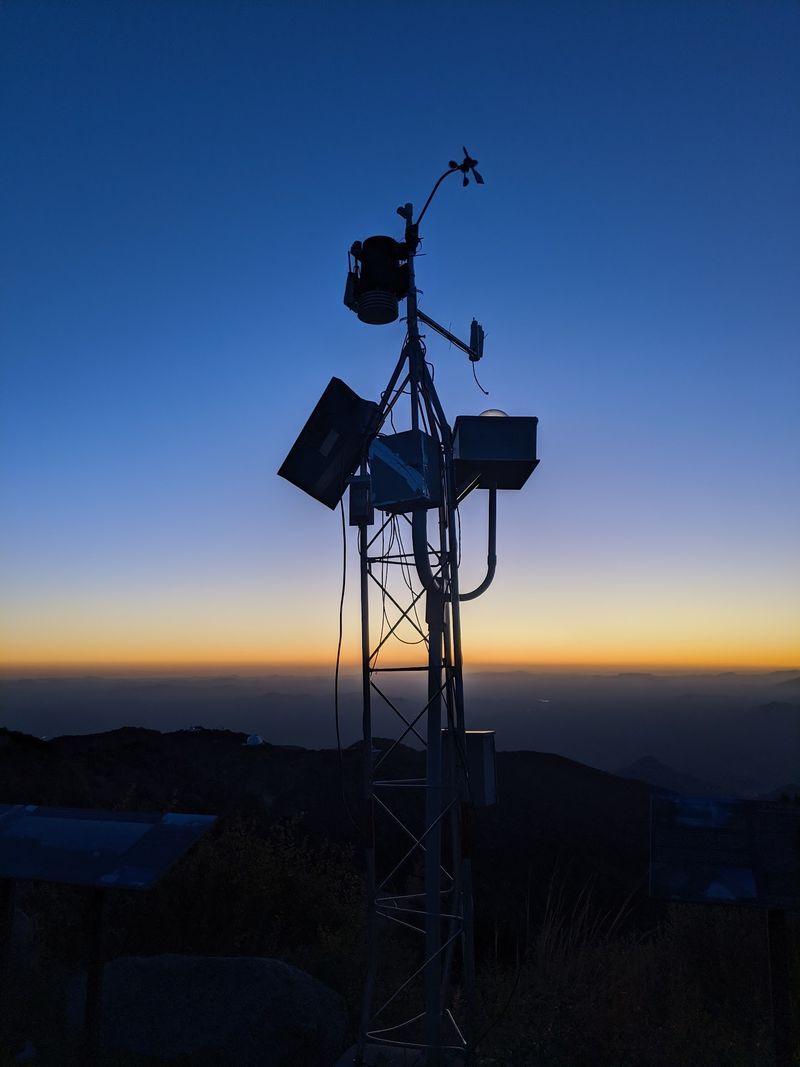
Evening programs start with the sky putting on its own opening act. Sunset is one of the most mentioned moments on the mountain.
Even partly cloudy days can turn into spectacular sunsets as the clouds shift. Some groups spot rain falling far in the distance.
The Nightly Observing Program follows a clear flow. It includes a light dinner, an overview of programs and history, sunset, binocular viewing, and time at a large telescope.
Watching daylight fade from this height helps set the mood for the night ahead. Conversation tends to quiet as the first stars appear.
It is also a good time to settle in and ask guides questions. They are happy to explain what will show up once it gets dark.
Once the colors disappear, the real headliner takes the stage.
The Milky Way With Nothing but Your Eyes
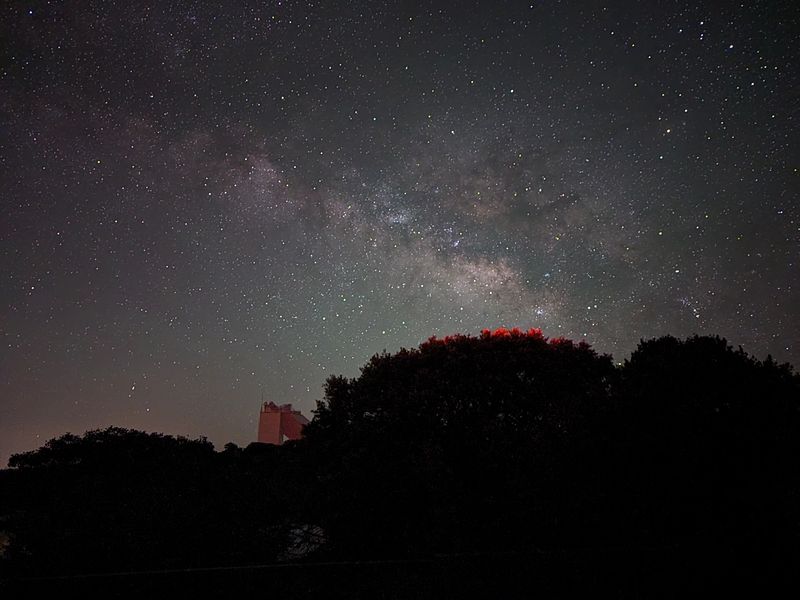
Here is the headline promise, and it holds up. On moonless nights, the Milky Way is clearly visible overhead.
No telescope is required for that view. The dark mountain sky does the heavy lifting.
Guests often say they have never seen the night sky quite like this. It is a common first reaction.
Programs also teach how to find constellations and features by eye. That skill travels home with you.
Timing makes a difference. Checking the moon phase before booking can help you catch the darkest skies.
Summer nights are a popular choice for Arizona stargazers, though winter programs can also deliver clear skies. One December program enjoyed mild temperatures in the low 50s with the Milky Way in full view.
After that, binoculars and telescopes add even more detail.
Binoculars, Big Mirrors, and Distant Worlds
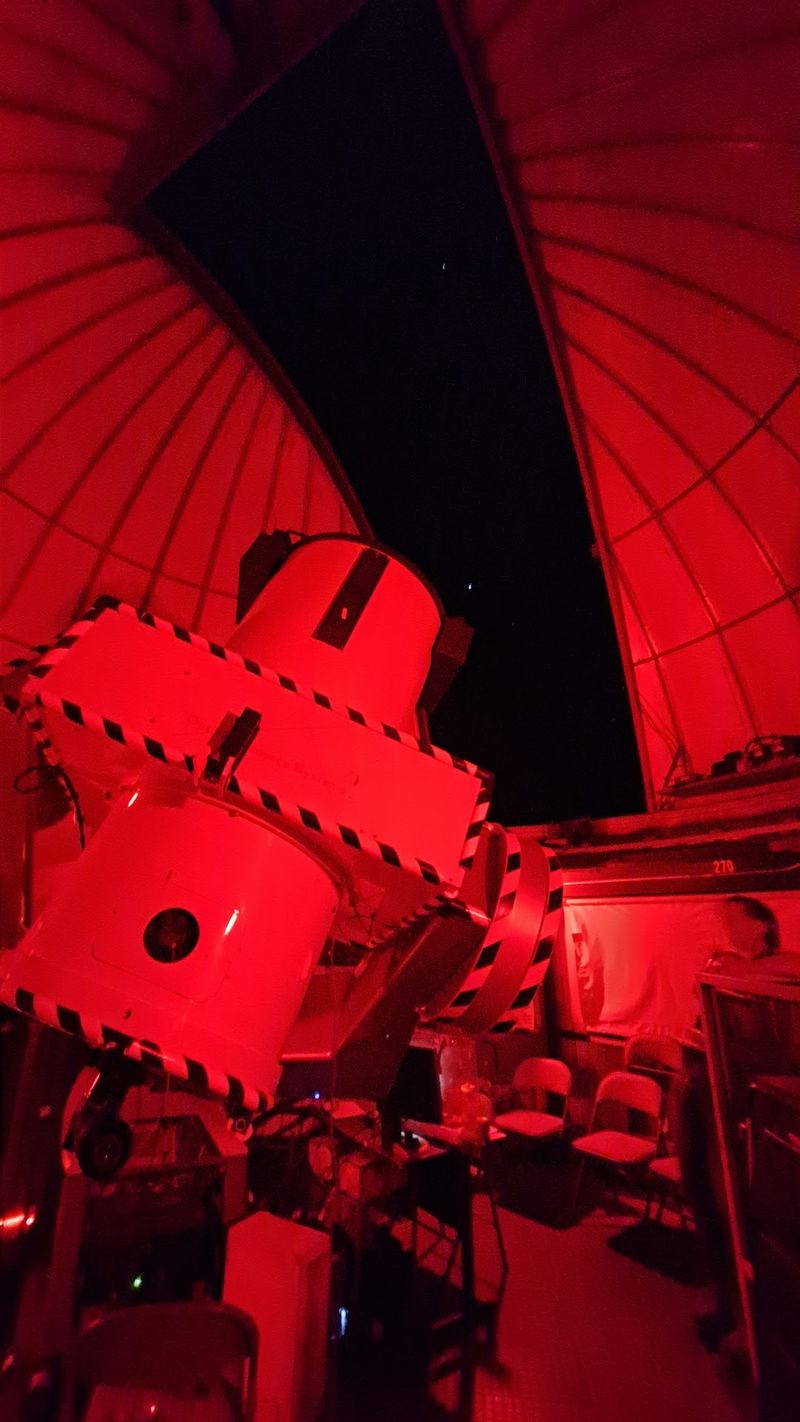
Once eyes adjust, the gear comes out. Guests use 7x binoculars to find specific features in the sky.
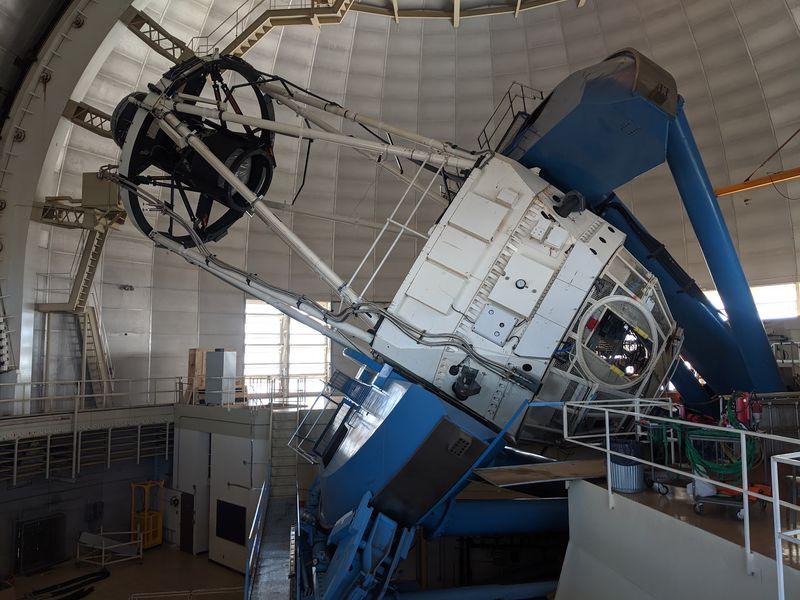
Then comes telescope time. Depending on the program, groups view through scopes described as 20 inches and 24 inches wide.
The biggest public observing scope here measures 0.9 meters, or 36 inches. That is a serious piece of equipment for a public program.
Targets have included Jupiter, Saturn, the Andromeda Galaxy, and the Orion Nebula. Star clusters and colorful stars also make the list.
One favorite is Albireo, a binary star system with two colors. Blue and yellow stars leave a lasting impression.
Some lucky groups have even caught a SpaceX launch. Guides work hard to show as many objects as possible in the time available.
Guides Who Steal the Show
Ask anyone what made their night, and the answer often points to the people in charge. Knowledgeable guides are the most mentioned part of the experience.
Staff are described as friendly, funny, and enthusiastic. Many clearly love astronomy and want guests to enjoy it too.
They make big science understandable without talking down to anyone. Non-astronomers leave feeling included.
Guides also adapt fast. On one evening, a team quickly set up a smaller telescope and centered Jupiter during a brief break in the clouds.
Kids get plenty of attention as well. Questions are welcomed, and curiosity is rewarded.
The whole experience comes across as well organized. That behind-the-scenes effort shows up in how smooth the night feels.
Family Nights and Cloudy-Sky Backup Plans
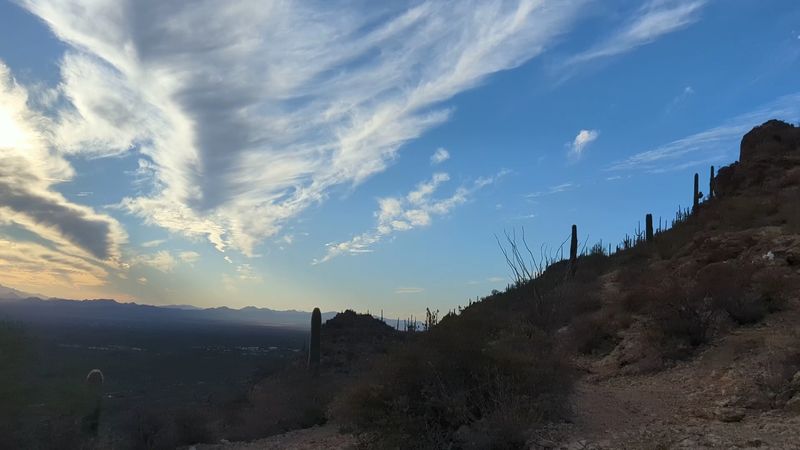
Families with teens seem especially hooked. Kids ages 10 to 15 often stay focused because the telescopes and sky hold their attention.
Grandparents bring grandkids, and nephews make first visits. Many say it was a highlight of their time in Tucson.
Weather is the wild card. Cloudy nights shift toward discussions, exhibits, and a cloud program that some find more personal than a standard star party.
Sometimes the sky clears later, and groups get extended telescope time. Patience can pay off.
A full rain check has been offered when clouds win the night. Ask about current policies when you book.
High winds can also change plans. Guides modify the program to keep things running safely.
Costs, Layers, and Smart Planning
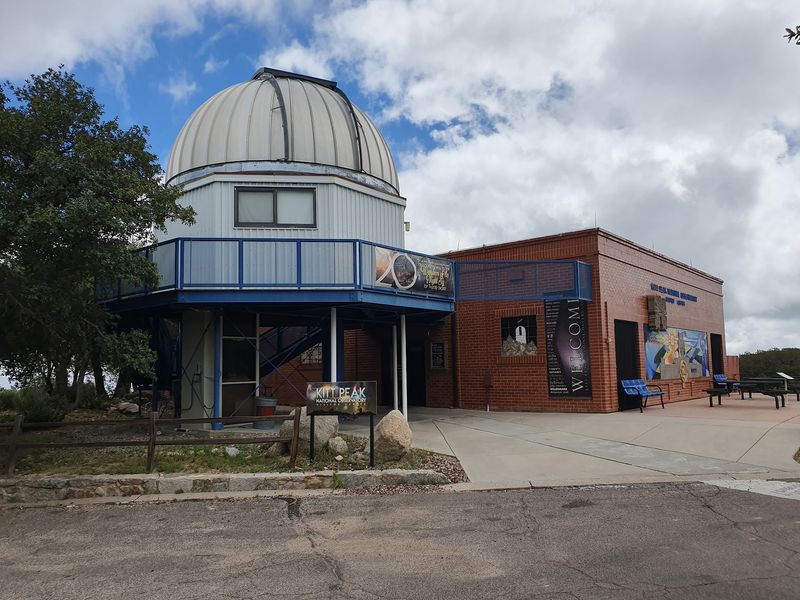
Let’s talk logistics before the stars. Daytime hours run 9 AM to 4 PM daily, and evening programs require booking.
The Nightly Observing Program runs about $100 per person. Many families say it is well worth the cost, but budget ahead.
A light dinner is included in the night program. The picnic area has been closed for years, so plan accordingly.
Temperatures drop on the summit after dark. Bring layers, warm clothes, and sensible shoes.
Program names include the Nightly Observing Program, Dark Sky Discovery, and Dark Sky Experience. Each offers a slightly different package.
The official website at visitkittpeak.org lists current programs. Checking weather and moon phase first can make a good night even better.
Worth the Drive Under Arizona Skies
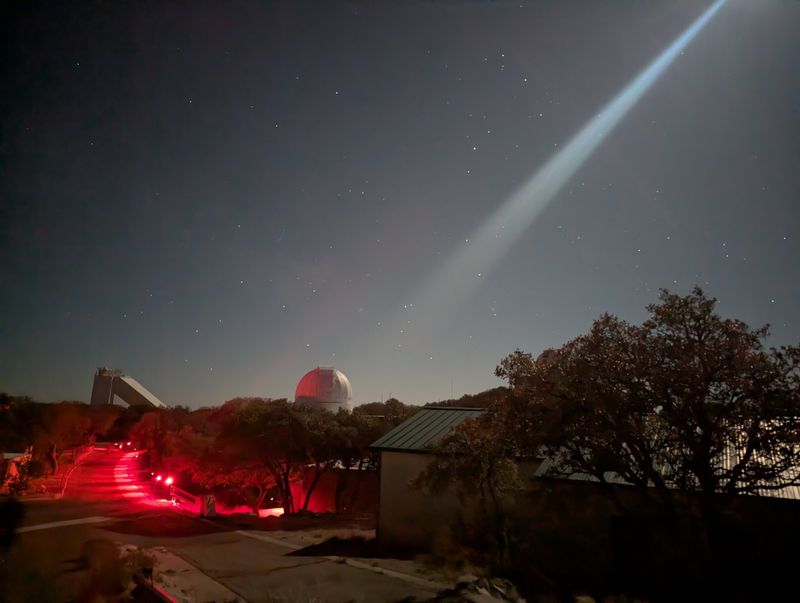
Some places earn their spot on a list, and this mountain does it with ease. Many locals call it one of the coolest things to do around Tucson.
The mix is hard to beat. Scenic drive, world-class telescopes, friendly guides, and a sky that shows off the Milky Way.
It is not the cheapest outing, and self-guided wandering is gone. Still, most guests leave planning a return trip for a different program.
For Arizonans, it is a reminder that our state holds real scientific treasure. Out-of-state astronomers know this peak well, and locals deserve to know it too.
Pick a dark night, pack a jacket, and make the climb. The universe has been waiting just west of Tucson.