
Affiliate disclosure: As an Amazon Associate I earn from qualifying purchases. Learn more
Somewhere in Houston, a butterfly might choose your shoulder as a landing pad, and there is nothing you can do about it except hold very still. Inside one glass building, thousands of winged residents from around the world go about their day while people tiptoe along winding paths.
There is a waterfall about 50 feet tall, a rainforest spread over three stories, and a bug zoo where you can pet a millipede if you are brave. Tickets cost less than a typical movie night, and the whole visit can fill an easy afternoon.
This guide covers the story behind the place, the standout features worth your time, the rules that keep the butterflies safe, and the practical details that help you plan. Stick around, because a few of these tips can save you money and stress.
A Glass Cone in Hermann Park
Houston keeps one of its most charming surprises tucked inside its Museum District. The Cockrell Butterfly Center sits at 5555 Hermann Park Dr, Houston, TX 77030, in the United States, right alongside the Houston Museum of Natural Science.
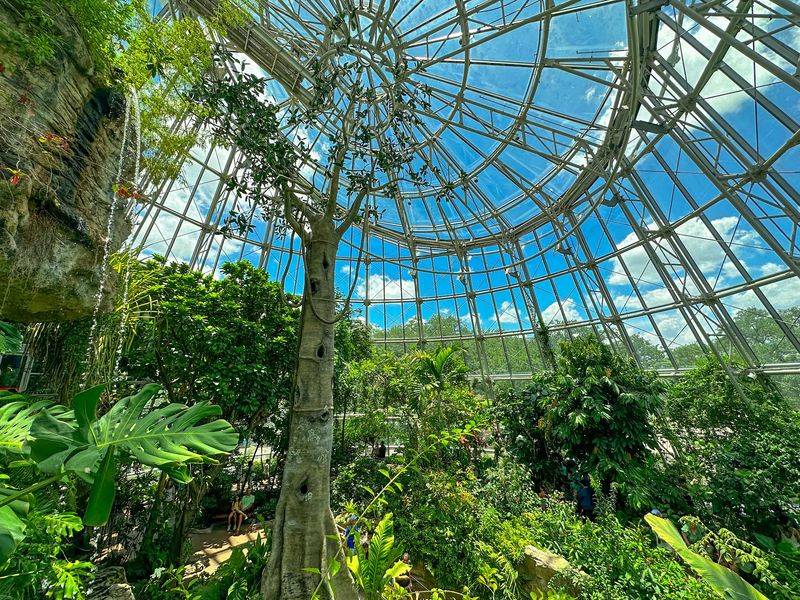
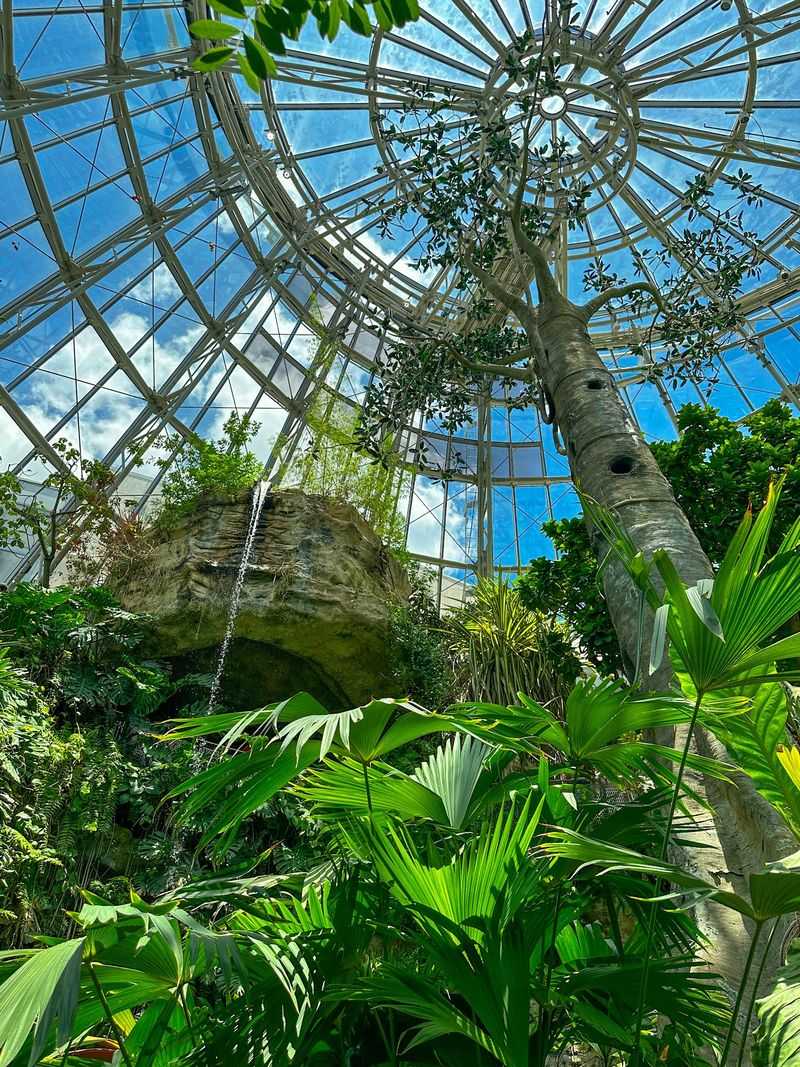
The building is easy to spot thanks to its three-story glass cone. Inside that cone lives a walk-through rainforest habitat filled with free-flying butterflies.
The attraction is officially listed as an exhibit, but calling it just an exhibit undersells it a bit. There are actually several parts to the experience, including insect displays in Brown Hall and additional learning areas before and after the main rainforest.
Hermann Park wraps around the neighborhood, so the center fits neatly into a larger day in the area. Many people pair it with the natural science museum, and tickets for both can be picked up in the same spot.
The center holds a 4.8-star standing from more than 2,500 people who have shared their thoughts online. That is a lot of happy butterfly fans for one glass building.
Consider this the opening chapter of a trip that proves Houston is about more than freeways and skyscrapers.
The Rainforest Under Glass
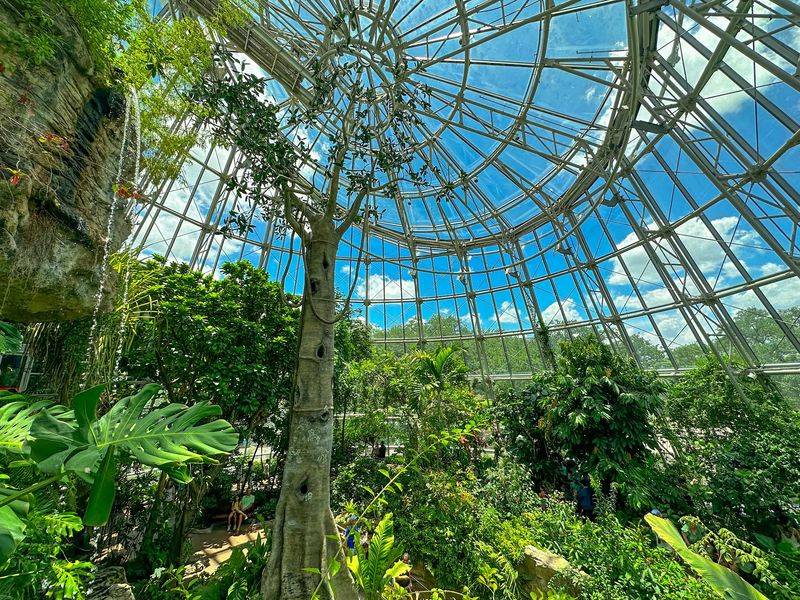
Tropical rainforests are thousands of miles from Texas, yet one has been built right in the middle of Houston. The conservatory is designed to recreate a rainforest environment across three stories.
Paths wind up and around the space, so the visit feels like a gentle climb through layers of greenery. Plants and flowers fill nearly every corner, giving the butterflies plenty of places to rest and feed.
The temperature and humidity are kept at tropical levels. Expect it to be a little humid inside, though most people find it perfectly comfortable for the length of a visit.
Staff keep the setting in excellent shape. The plantings look healthy, the paths are tidy, and the whole habitat feels carefully tended rather than thrown together.
Small birds also share the space with the butterflies. Keep an eye out for them flitting among the branches while you watch the main stars of the show.
The multi-level layout means every turn offers a slightly different view. Upper paths look down into the foliage, while lower paths put you face to face with flowers and the insects visiting them.
Give yourself time here, because rushing through a rainforest defeats the whole purpose.
Thousands of Wings, Dozens of Species
Counting the butterflies here is a losing game. Thousands of them fly freely through the conservatory at any given time.
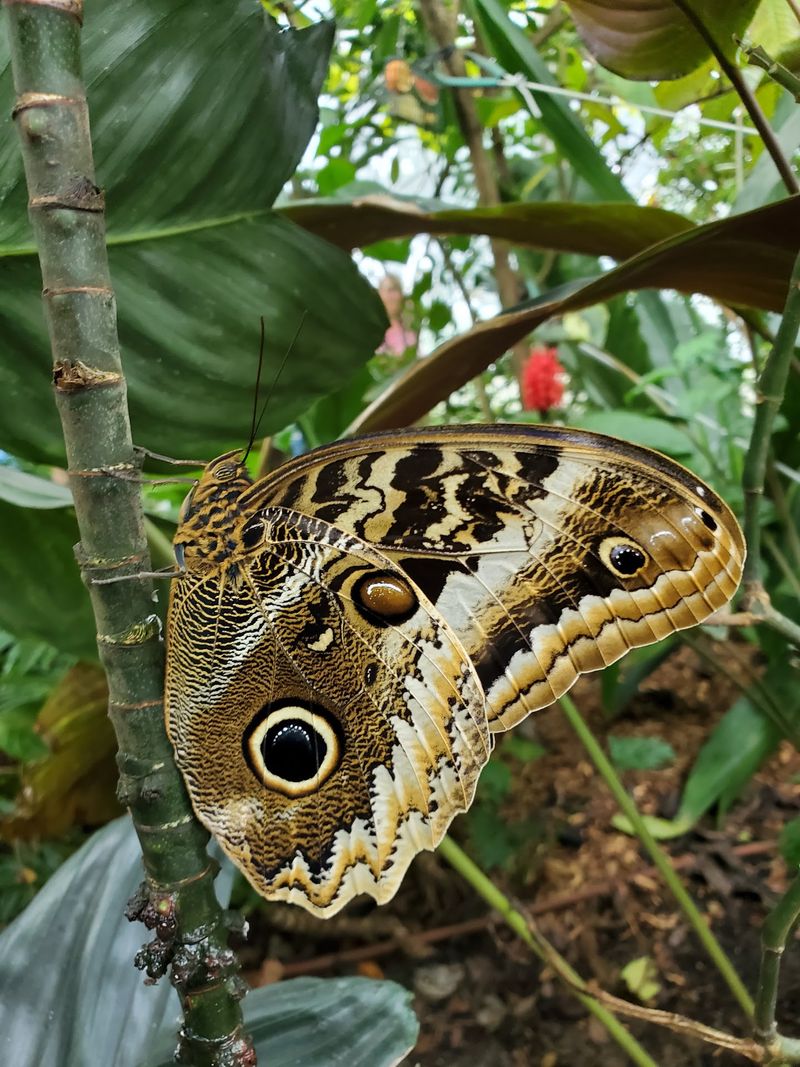
They represent dozens of species from around the world. Shapes, sizes, and color patterns vary so much that no two corners of the rainforest look quite the same.
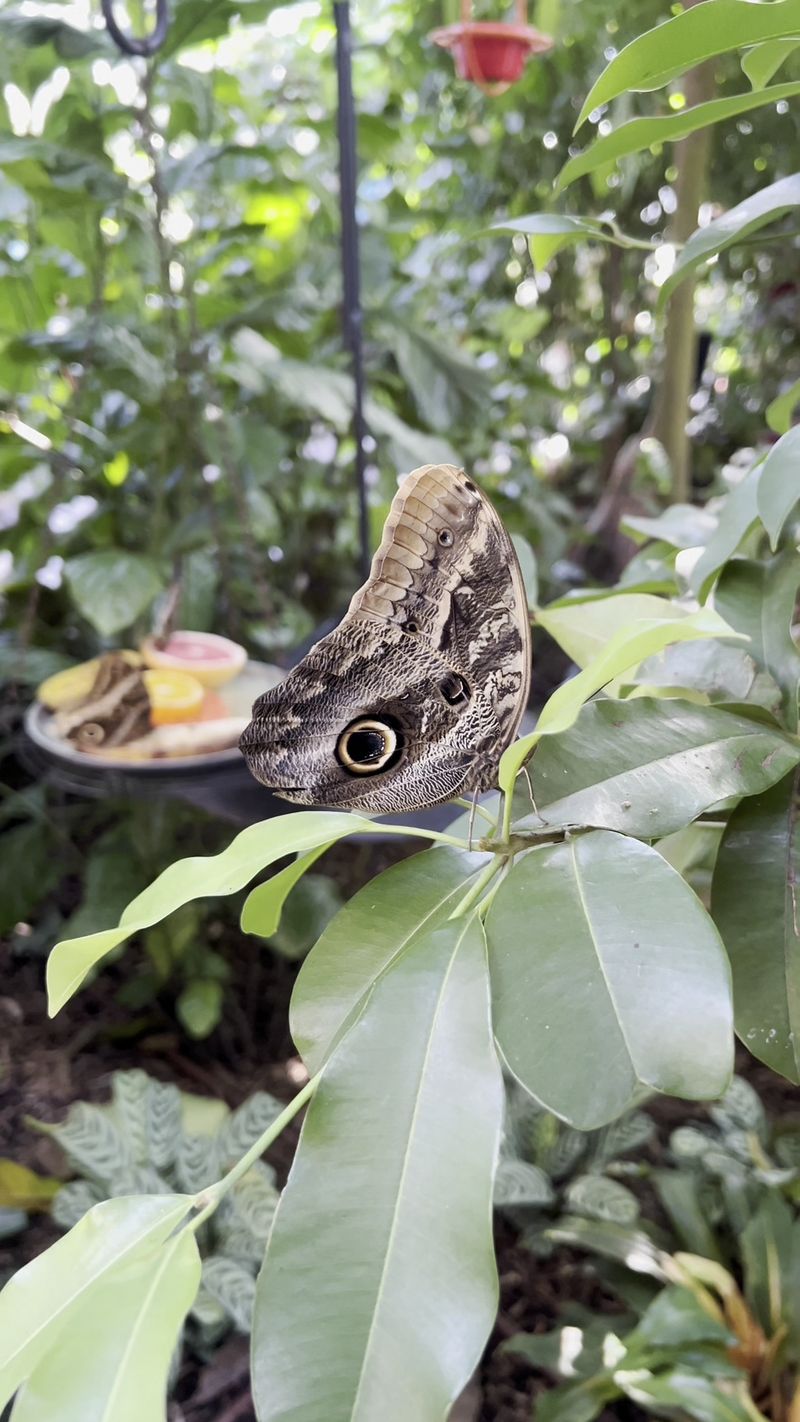
Some butterflies float high near the glass. Others settle on leaves, flowers, railings, or even people, which is usually the moment every phone in the room comes out.
The sheer variety is one of the most talked-about parts of the center. People mention it again and again when they describe their visit, and it is easy to see why once you are inside.
A butterfly landing on a sleeve is not guaranteed, but it happens often enough that many guests leave with a story. The trick is patience and staying calm rather than chasing anything.
For photographers, the constant movement is both a gift and a challenge. Resting butterflies make the easiest subjects, so a slow stroll tends to produce better shots than a hurried loop.
By the end, even people who arrived lukewarm about insects tend to leave with a favorite species.
That 50-Foot Waterfall
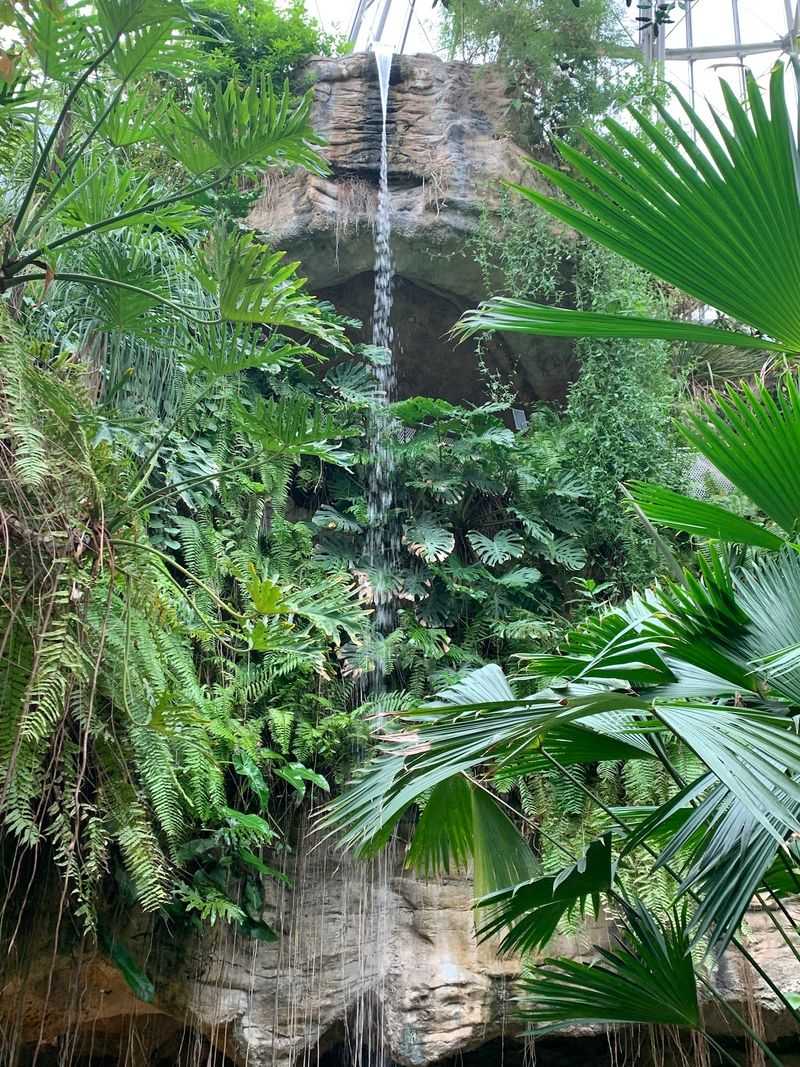
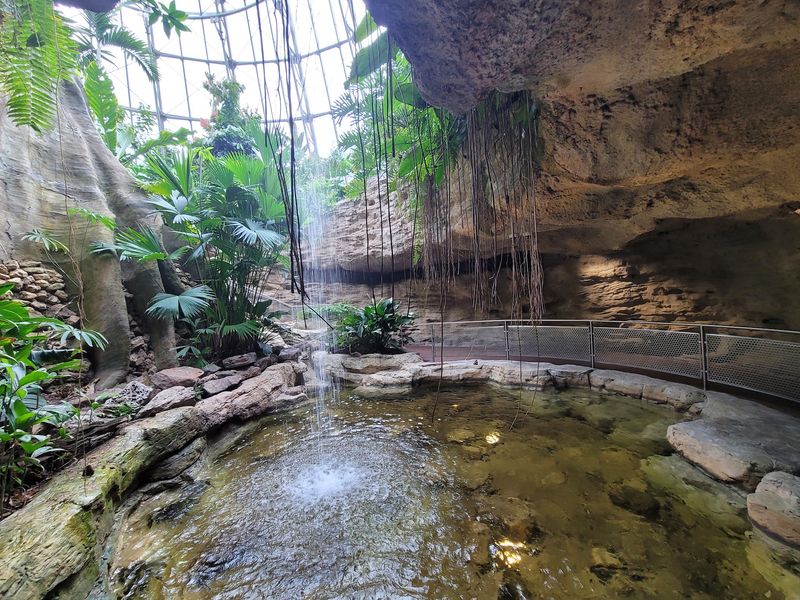
Few indoor attractions can claim a waterfall taller than a four-story building. The centerpiece of the conservatory is a waterfall roughly 50 feet tall.
It anchors the entire rainforest design. Paths curve around it, so you will pass it from several angles as you move between levels.
The waterfall pulls the whole scene together with the plants, flowers, and winding walkways. Together they create a calm setting that encourages people to slow down.
It also makes a handy meeting point for groups that drift apart while chasing different butterflies. Saying meet at the waterfall is a lot easier than meet near that one leafy bush.
Photos taken with the waterfall in the background tend to be some of the most memorable from the day. The height adds drama to otherwise simple snapshots of family and friends.
Look closely at the plants around the base as well. Butterflies often gather in these greener pockets, so the waterfall area can be a good place to spot several species at once.
A splash of scale like this is a big reason the conservatory feels like its own little world.
The Glasswing and Other Show-Offs
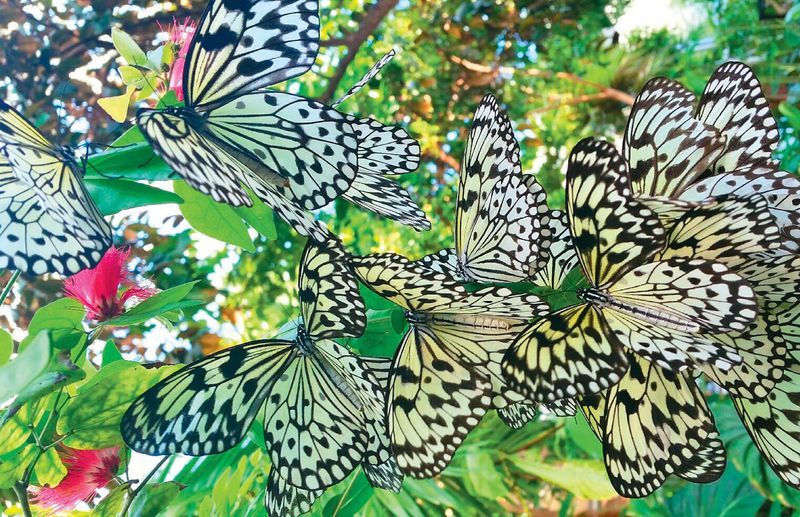
Some butterflies seem to have been designed by a special effects team. The glasswing is a crowd favorite for exactly that reason.
Its wings look transparent, so the butterfly appears almost invisible against leaves and flowers. Spotting one takes a sharp eye, which makes finding it feel like winning a small prize.
The glasswing is only one of many species worth hunting for. With dozens of kinds from around the world, the conservatory rewards people who look closely instead of just looking up.
Kids especially enjoy turning the visit into a search mission. Picking a target butterfly and tracking it down keeps younger guests engaged for much longer than a simple walk.
Adults are not immune to the fun either. Trying to identify butterflies and plants can easily fill an extra half hour, even in a relatively compact space.
Moths live here too, adding another layer to the wildlife list. Their patterns are often just as striking as those of their daytime cousins.
Bring patience, and the rainforest will slowly reveal its quieter, sneakier residents.
Your Laminated Field Guide
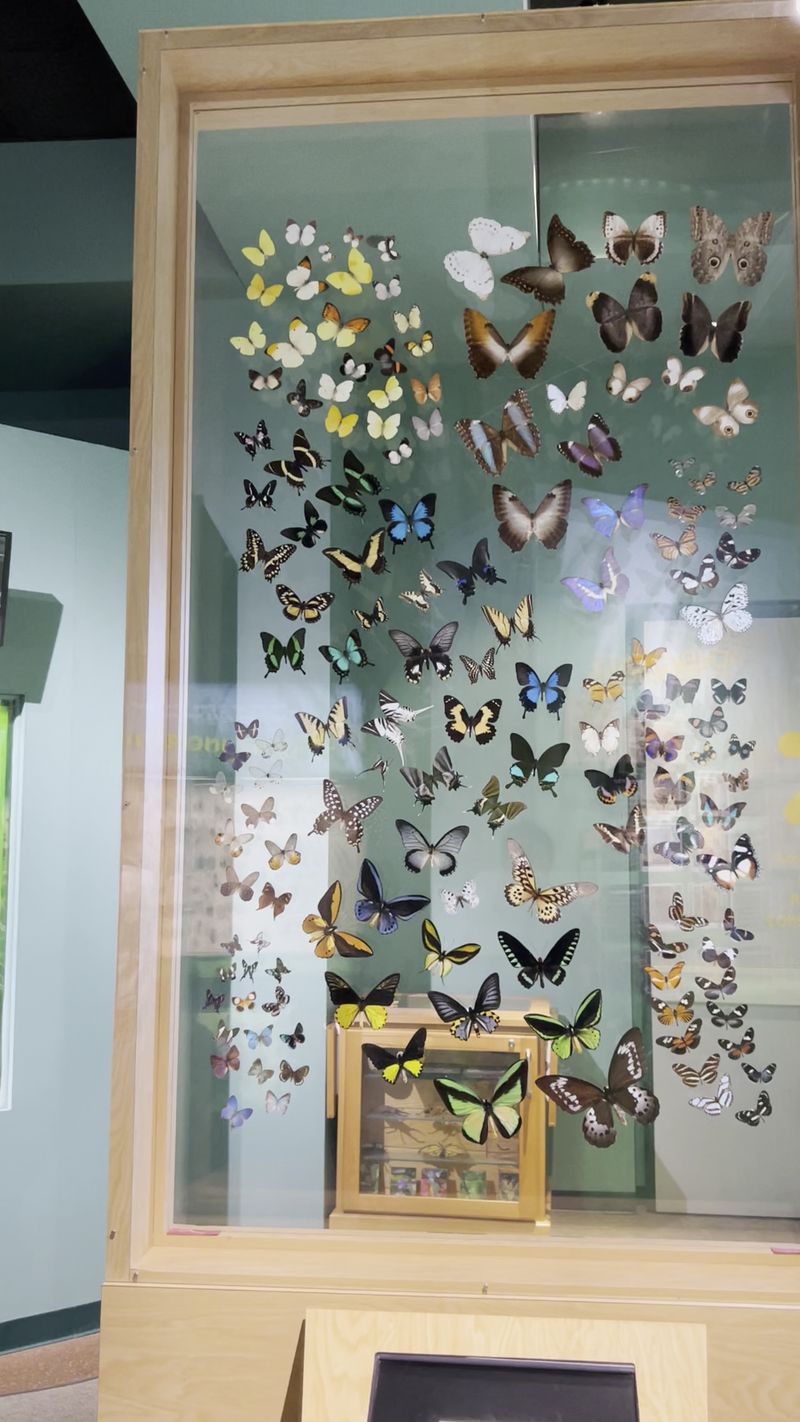
Here is a small tip that makes a big difference. Grab one of the laminated sheets near the entrance that show the types of butterflies and moths living inside.
The sheet turns a pleasant walk into an interactive game. Match the wings you see to the pictures on the card, and suddenly everyone in your group becomes an amateur naturalist.
It works well for solo explorers, too. Checking off species at your own pace is a relaxing way to spend time among the plants.
The visit is self-paced, so there is no pressure to move quickly. Linger at a flowering shrub for ten minutes if something interesting keeps landing there.
Families often find the sheet helps settle debates. Is that the same orange butterfly from before or a different one?
The card usually has the answer.
Remember to return it before leaving so the next group can use it. Shared tools like this keep the experience easy for everyone.
Consider it the cheapest upgrade in Houston, since it costs nothing and adds plenty of fun.
Bugs, Big and Bold
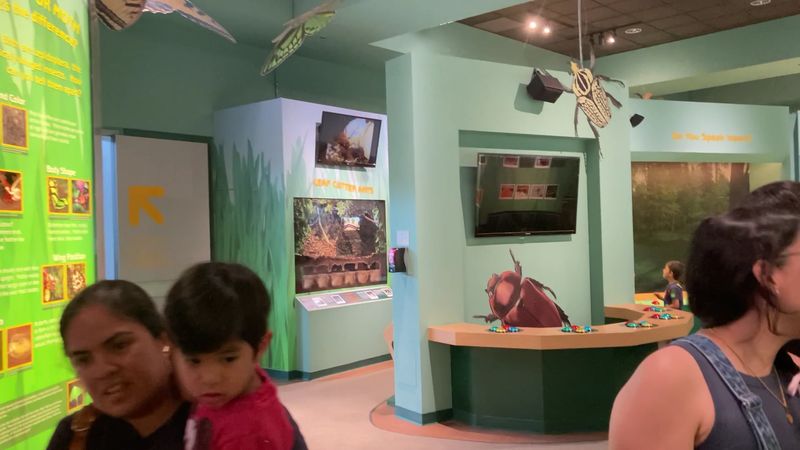
Butterflies may get top billing, but the insects nearby steal plenty of attention. Brown Hall holds a range of insect displays that many people find surprisingly fascinating.
A small insect zoo features some genuinely huge bugs. Guests have had chances to pet a millipede, a giant cockroach, and a leaf bug, which is a sentence few people expect to say after a day out.
For kids, this can be the highlight of the trip. Touching a creature that usually sends grown-ups running is a big deal for a curious eight-year-old.
The displays also pack in a lot of information. Two exhibit areas, one before and one after the rainforest, are full of details about various insects.
A section on Harris County mosquitoes is a local touch that stands out. It connects the exhibits to everyday life in the Houston area in a way that feels useful.
Turtles and an iguana also come up often among guests, adding some scaly company to the mix. They offer a nice break from all the fluttering.
Squeamish or not, it pays to give these creepy-crawly galleries a fair chance.
Lessons Without the Lecture
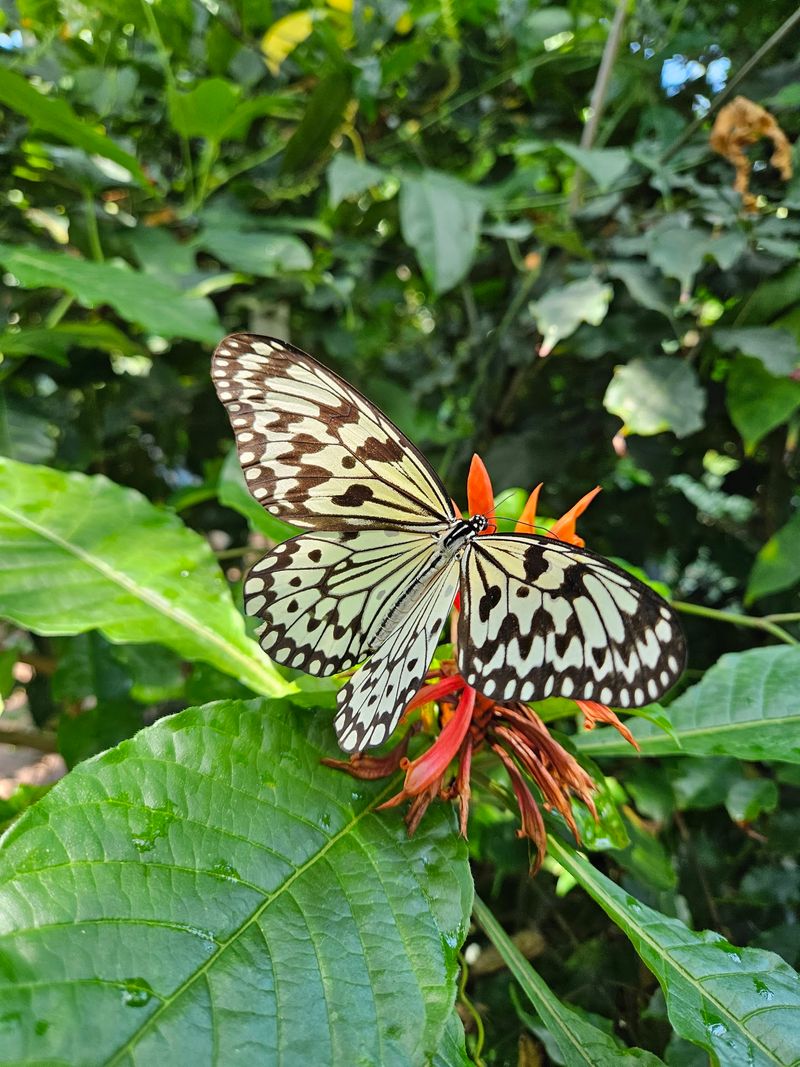
Learning sneaks up on people here. The center explains butterfly species, life cycles, and their environments without feeling stiff or overly formal.
Information about conservation efforts is also part of the experience. Guests leave with a better sense of why these insects matter beyond being nice to photograph.
The balance is what makes it work. You can read every panel or simply enjoy the walk, and both approaches feel valid.
Butterfly releases are one of the special moments tied to the center. Watching newly ready butterflies join the rainforest adds a touch of excitement to the education side.
Curious kids tend to ask plenty of questions, and the exhibits give parents good material for answers. Adults often pick up new facts too, especially about the life cycle stages.
The staff are friendly and helpful, which makes it easy to ask about something you spotted. Their care for the butterflies shows in how well the animals are looked after.
Think of it as a science class where the textbook has wings and occasionally lands on your hat.
Rules of the Rainforest
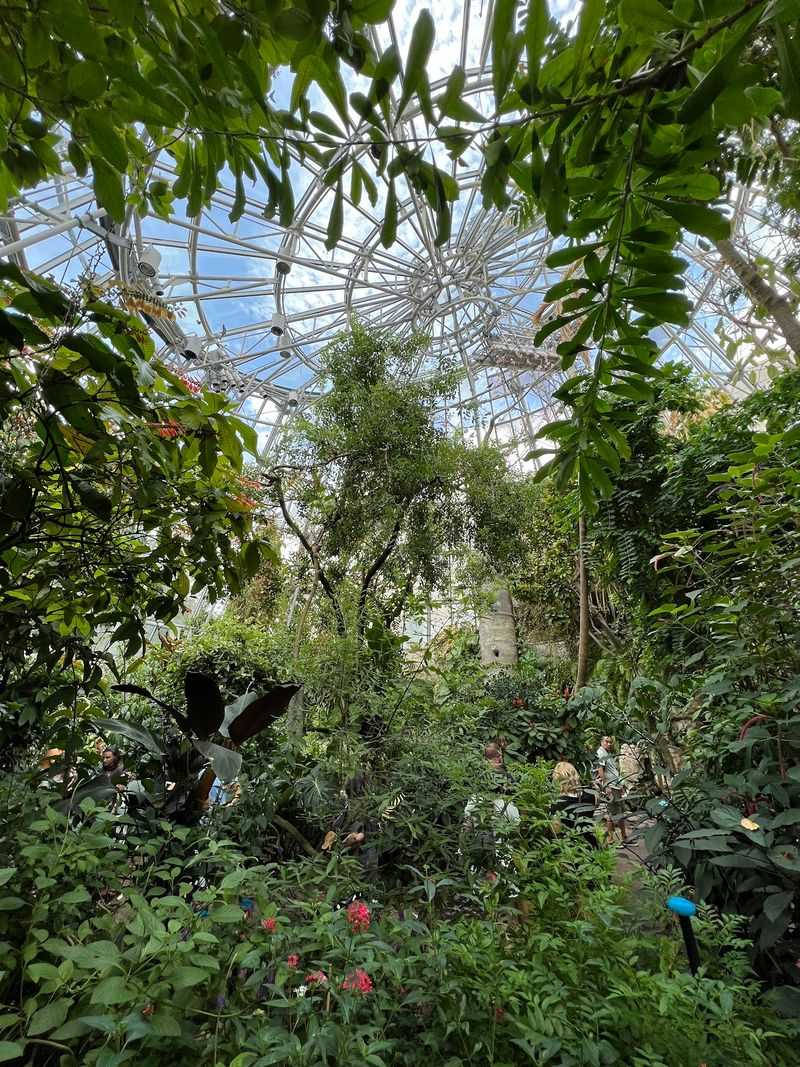
Butterflies are delicate, and the center asks guests to treat them that way. Touching the butterflies is not allowed, though photos and videos are welcome in any amount.
Sadly, not everyone follows the instructions. Some people touch butterflies just to get a picture, which puts these fragile animals at risk.
The easiest way to be a good guest is simple. Let butterflies come to you, and never grab one, even for a quick selfie.
Watch your feet, too. Butterflies land on the ground and on benches, so look before stepping or sitting.
Entry and exit happen through a vestibule designed to keep butterflies from slipping out. Take a moment to check your clothes and bags so no hitchhikers leave with you.
Strollers are not allowed inside the conservatory. Families with babies should plan on carrying little ones through the habitat.
These rules may seem strict, yet they are exactly why the butterflies thrive. Following them keeps the magic alive for the next group coming through the door.
A Calm Corner of the City
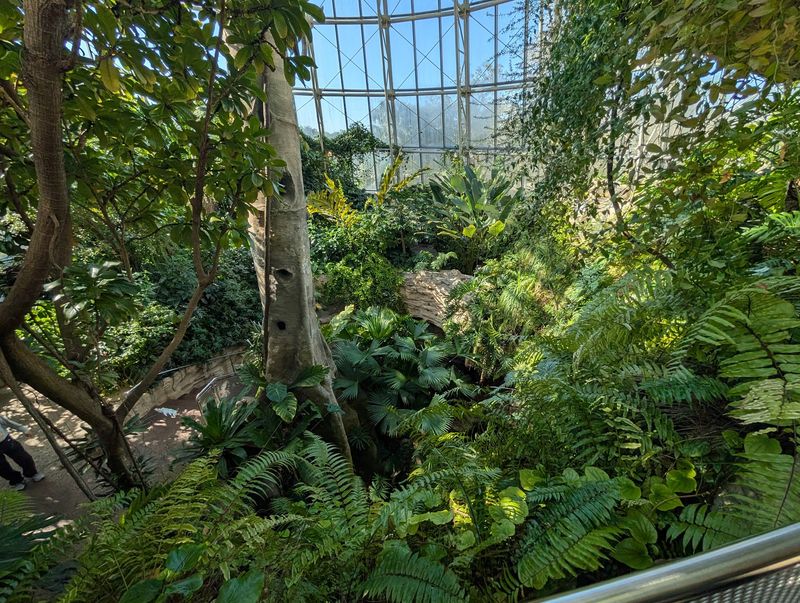
Houston moves fast, but the conservatory runs on butterfly time. A peaceful atmosphere is one of the things people mention most often after a visit.
Benches placed along the paths invite guests to sit and simply watch. Spending a few quiet minutes in one spot often reveals more activity than walking loops ever could.
Access is managed to prevent overcrowding. That control makes the space more pleasant and keeps paths from feeling jammed.
Couples find it a relaxing choice for a slower afternoon together. It also works nicely as a solo outing for anyone who wants a break from screens and schedules.
The rainforest is not huge, so the calm comes from the pace rather than the size. People who rush can finish quickly, while those who linger often stay an hour or more.
Sunday afternoons have worked well for guests who wanted an unhurried visit. Moving at your own speed seems to be the secret ingredient.
Leave the checklist mindset at the door, and the conservatory does the rest of the relaxing for you.
Who Will Love It Most
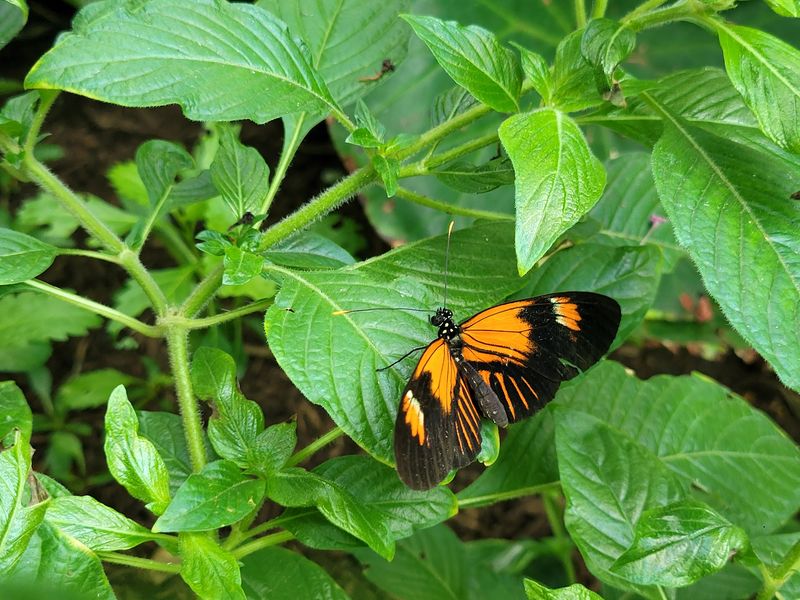
Families top the list of happy guests, and for good reason. The mix of flying butterflies, touchable bugs, and easy learning suits curious kids and adults alike.
Young children often have a blast, though they may move quicker than the grown-ups would like. Parents of toddlers sometimes leave planning a second trip just to enjoy the butterflies at a slower speed.
Infants are a tougher fit. With no strollers allowed and a humid setting, some parents feel the visit is better saved until children are a bit older.
Couples appreciate the quiet charm, and solo travelers find it an easy, rewarding activity. Even people who are not especially into butterflies tend to enjoy the experience.
Photography fans will stay busy with endless subjects. The glass cone, the waterfall, and the resting butterflies offer plenty of variety.
Film buffs may enjoy a fun bit of trivia. The center appeared in the movie Boyhood, giving it a small moment on the big screen.
Nearly every type of traveler finds something worth fluttering about here.
Hours, Tickets, and Parking Smarts
A little planning goes a long way at this popular stop. The center opens at 10 AM every day of the week.
Closing times shift by day. Monday, Wednesday, and Thursday close at 5 PM, Tuesday stays open until 8 PM, and Friday through Sunday close at 6 PM.
Arriving late can be stressful. On some days, ticket sales for the butterfly center end around 5:30 PM, and staff begin guiding guests out shortly before closing.
Tickets generally run from about $12 to $20 per person. The price depends on age, and there are options connected to military and first responder affiliation.
Buying tickets on the official website makes entry quick and simple. Tickets for the Houston Museum of Natural Science can be purchased in the same place, which helps for a full day.
Parking deserves attention. Street spots can be hard to find, and garage parking can cost around $30, so budget accordingly or arrive earlier.
Plan for one to two hours to enjoy the visit fully. Early arrival turns a hurried dash into a relaxed wander.
Worth Every Flutter
Value is a word that comes up often with this attraction. For the ticket cost, guests get a rainforest, a towering waterfall, thousands of butterflies, and two informative exhibit areas.
The combination is hard to match in Houston. Few places let you learn about mosquitoes, pet a millipede, and share a bench with a butterfly all before lunch.
It is not a giant space, and speedy walkers could finish quickly. The real reward goes to those who slow down, use the field guide sheet, and let the rainforest unfold.
Pairing the visit with the natural science museum makes the trip even fuller. Hermann Park nearby adds more options for stretching the day.
Respect for the butterflies is the price of admission that matters most. Watch your step, keep hands to yourself, and the experience stays special for everyone.
Many people leave talking about coming back. That kind of pull says plenty about how well this little glass world is run.
Houston has bigger attractions, but few leave guests grinning quite like this one, especially after a butterfly picks them as a temporary perch.