
Affiliate disclosure: As an Amazon Associate I earn from qualifying purchases. Learn more
Palm Springs has a reputation for golf courses, pools, and mid-century homes. Few people expect to find a B-17 Flying Fortress parked a short walk from a working runway.
Yet out in the Coachella Valley, a set of hangars holds warplanes that once flew over Europe and the Pacific, many of them restored to the point where they can still fly. The desert air helps keep these machines in remarkable shape, which is part of the reason they ended up here at all.
Families come for a quick look and end up staying for hours, climbing into bombers and chatting with volunteers who know every rivet. This article covers the story behind the collection, the standout aircraft, the hands-on extras, and the practical details that make a visit smooth.
A Hangar Row on Gene Autry Trail
The first clue sits right next to the Palm Springs International Airport, where a row of hangars quietly holds decades of military aviation history.
The Palm Springs Air Museum is found at Parking, lot 745 N Gene Autry Trail, Palm Springs, CA 92262, in the United States. It is a museum dedicated to combat aircraft from World War II through the present day.
Beyond the planes, the grounds also include aviation art, a gift shop, and a cafe. That mix turns a quick stop into a full outing.
The setting matters here. Because the museum sits beside an active airport, the modern world of flight carries on just outside while history rests inside the hangars.
Many travelers assume a desert town this size could only support a modest display. The collection proves otherwise, and it does so without any big-city fuss.
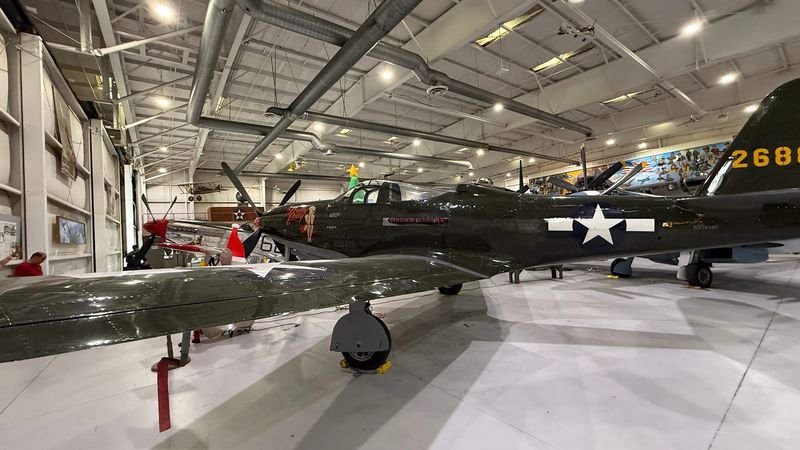
Multiple hangars hold aircraft, and more planes sit outdoors on the grounds. The layout is spread out enough that nobody feels squeezed.
It is the kind of place that rewards anyone who arrives with a little curiosity and leaves room in the schedule. Consider the parking lot the runway to a very long afternoon.
From Minnesota Winters to Desert Skies
Every great collection starts with one decision, and this one started with a move.
The idea for the museum began when Bob Pond of Eden Prairie, Minnesota, decided to relocate his vintage aircraft collection to a place with more favorable weather. Palm Springs, with its dry climate, fit the bill.
A lease agreement was signed in 1994. Construction followed in 1996, and the hangars began taking shape beside the airport.
The choice of desert was a practical one. Dry air is kind to old aluminum, and the planes displayed outdoors benefit from that preservation effect.
Today the collection stretches from pre-WWII era planes to aircraft from current military inventory. Many of those aircraft are FAA-approved for flight, which means they are far more than static sculptures.
That detail changes how the whole place feels. A plane that can still take to the air carries a different kind of weight than a replica ever could.
The museum also grew beyond one person’s hobby into an institution with education outreach, a research library, and restoration work. The move south, it turns out, gave these warbirds a second life rather than a retirement.
The Flying Fortress Everyone Talks About
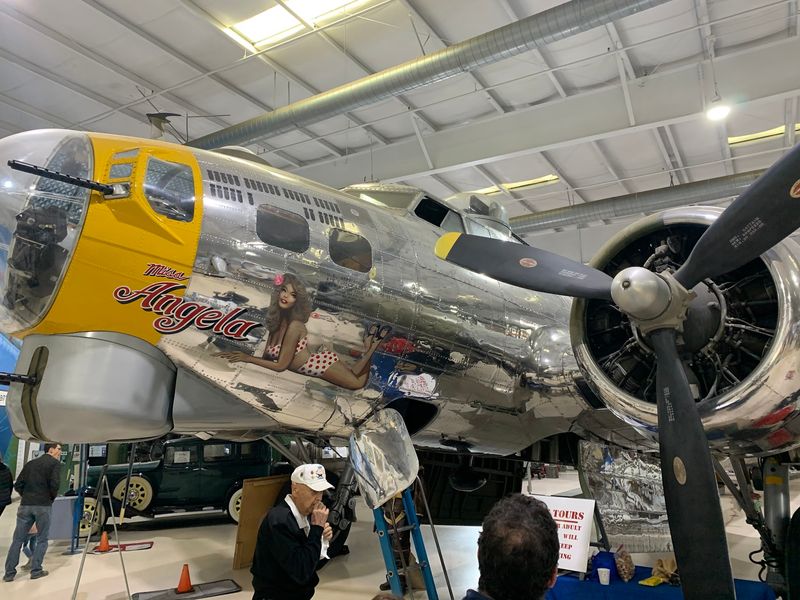
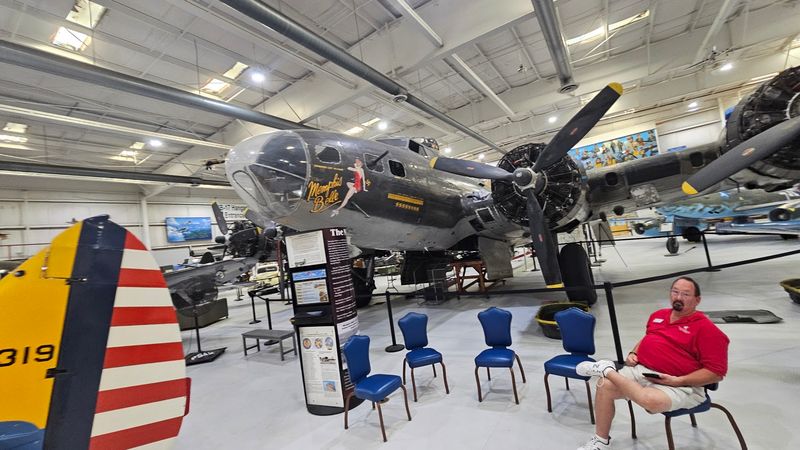
Some aircraft earn nicknames, and the B-17 earned one that still carries weight: the Flying Fortress.
This four-engine bomber is among the most talked-about aircraft at the museum. Its presence alone draws many aviation fans through the doors.
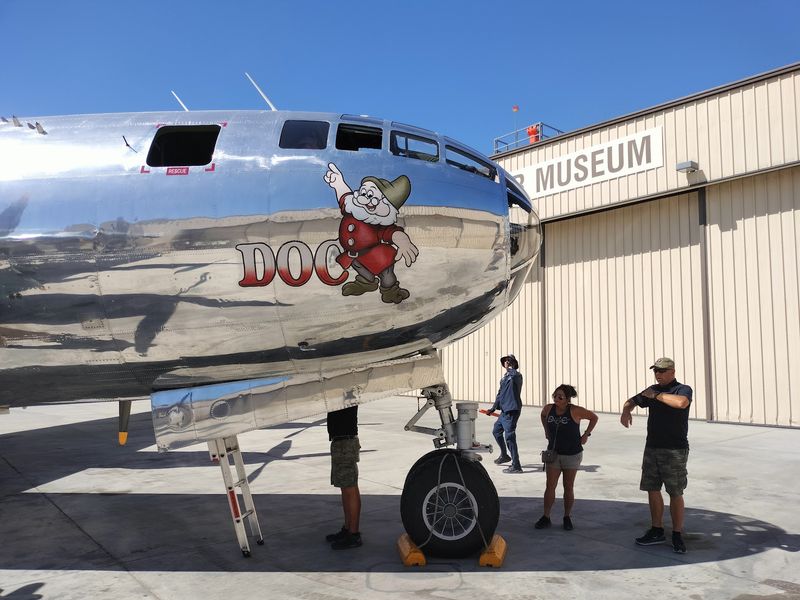
What makes the experience memorable is access. Guests can climb into the B-17, moving through the tight interior where crews once worked during long missions.
Nearby, the B-25 bomber offers a similar chance to go inside. Moving through both aircraft gives a real sense of how cramped those wartime jobs were.
Most people come out with a new respect for the crews. The narrow passages and small stations make it easy to wonder how anyone managed hours of flight in them.
A small tip: watch your head. Low ceilings and metal framing are part of the authentic experience.
Going inside certain aircraft costs an extra $5. Plenty of guests call it one of the best parts of the day, and it is hard to argue with that math.
For a museum packed with standout machines, the Fortress still manages to hold its ground as the headliner.
Mustangs, Theaters, and a Timeline of War
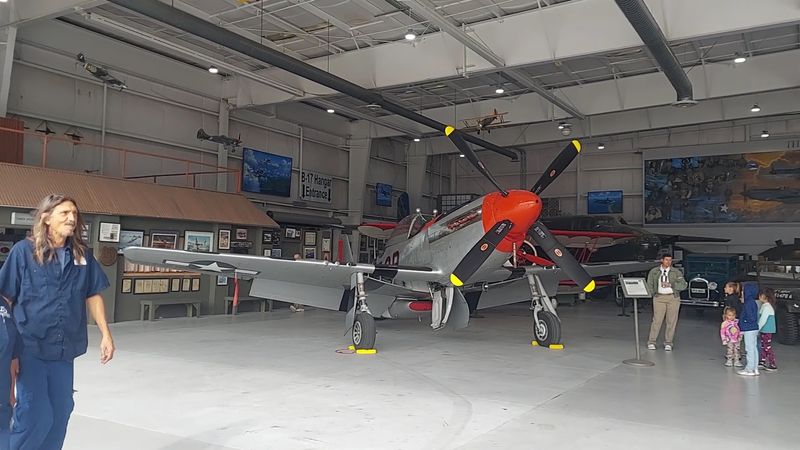
History here is organized, which is good news for anyone who gets lost between wars.
The planes are arranged by year, and history exhibits are posted around them. Displays are also divided between different war theaters and different conflicts.
That structure turns a walk through the hangars into a timeline. Guests can follow aviation as it changed across the decades.
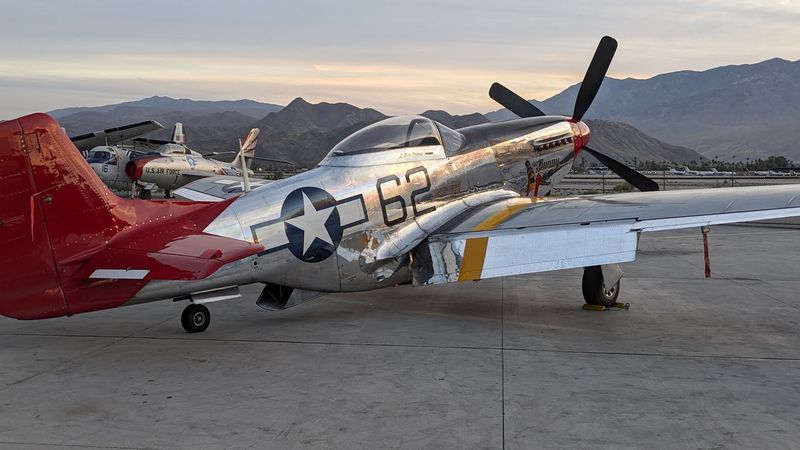
The North American P-51 Mustang is one of the famous names in the lineup. It sits among a wide range of vintage aircraft from many eras.
Each plane comes with detailed information. For readers who love placards, there is enough material to fill an entire day.
Many of the aircraft on display have actually flown. They are not models, and that authenticity gives the displays a serious tone.
The collection also serves as a reminder that progress in aviation came at a real human cost. That quiet message sits alongside the engineering marvels.
Even people who claim zero interest in planes tend to find themselves impressed by the design and evolution on display. The Mustang, after all, has a way of winning over skeptics.
The Stealth Hangar Surprise
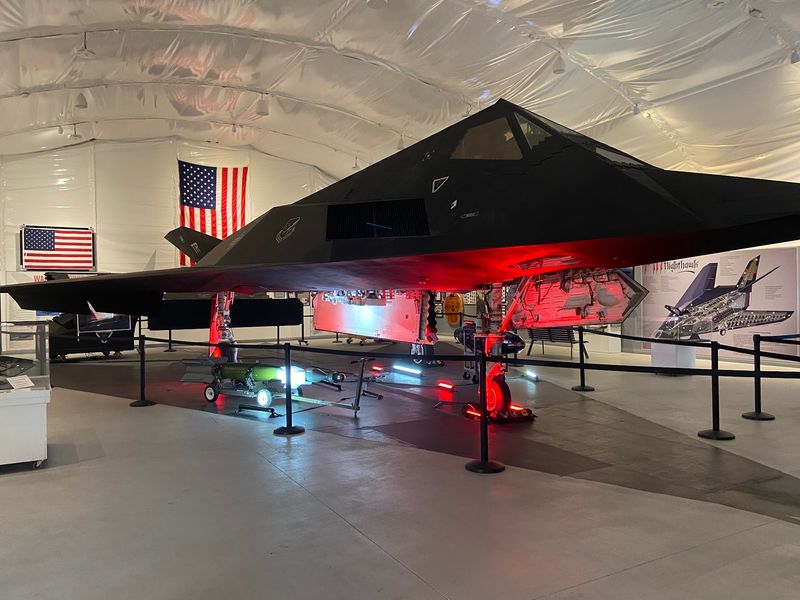
Few aircraft look as unusual as the F-117, and seeing one up close tends to reset expectations.
The stealth aircraft has been one of the museum’s most mentioned highlights. Its angular black shape looks nothing like the rounded warbirds in the neighboring hangars.
Many people know the F-117 from pictures or movies. Seeing it in person brings a different level of reality to the experience.
A dedicated stealth hangar housed the aircraft, with docents on hand to share facts and background. Those conversations add plenty of context to a machine once shrouded in secrecy.
One note for planning: the F-117 was described as being scheduled for removal. Anyone traveling specifically to see it should check with the museum before visiting.
Even so, the stealth display shows how far the collection reaches beyond WWII. It spans the full arc from propellers to radar-dodging jets.
For fans of modern military aviation, this corner of the museum is a strong reason to go. Just confirm ahead of time, since a stealth plane is the one exhibit that might truly vanish.
Cockpits You Can Actually Sit In
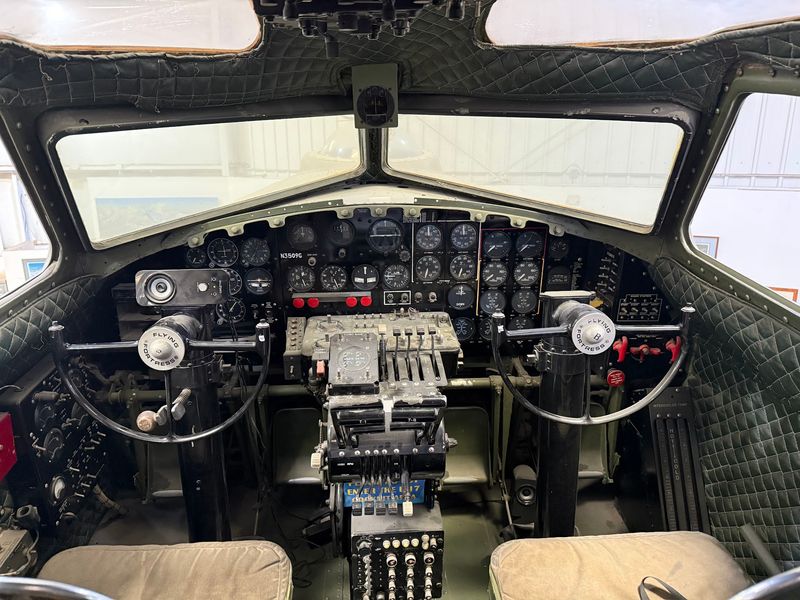
Most museums ask guests to keep their hands to themselves. This one opens a few hatches.
Visitors can step inside and even sit in some of the planes. The chance to get into a cockpit is one of the most loved parts of the experience.
For kids, it is a thrill. For adults, it is often a surprise, since few people expect this level of access to real historic aircraft.
Only certain aircraft offer interior access. The extra $5 fee for going inside applies, and it opens the door to the bombers and select cockpits.
Those moments make history feel personal. Sitting where a pilot once sat gives the displays a very different meaning than reading about them.
Lines are usually manageable, and the pace of the museum feels relaxed. Nobody rushes guests through.
Remember that the spaces are tight. Low hatches and narrow openings are standard, so a little care goes a long way.
Of all the ways to learn about aviation, climbing aboard might be the one that sticks longest. Consider it the museum’s unofficial seat upgrade.
Simulators for Would-Be Aces
Watching planes is one thing. Trying to fly one, even virtually, is another story.
Flight simulators are among the most popular extras at the museum. An F-16 simulator is part of the lineup, though it may not be running every day.
When no one else is waiting, guests can keep practicing until they become marginally competent. That mix of challenge and fun keeps people coming back to the controls.
The simulators appeal to all ages. Younger guests treat them like a game, while older fans take the controls seriously.
Availability can vary, so it helps to keep expectations flexible. Some guests have found a simulator out of service and simply added it to their reason for a return trip.
The simulators connect well with the rest of the museum. After seeing real aircraft, taking the controls helps explain what pilots faced.
The museum’s broader programs also cover the science of flight. The simulators turn that science into something hands-on.
Nobody earns wings here, but a few rough landings make for a great story at dinner.
Docents with Stories to Spare
The planes may be the stars, but the volunteers are the storytellers.
Docents are stationed throughout the museum. They are friendly, engaging, and deeply knowledgeable about the aircraft around them.
Conversations are optional. Guests who want to explore quietly can do so, while those with questions will find someone happy to help.
Many volunteers share facts and tidbits that never appear on placards. These extra details turn a quick look into a much richer experience.
The museum runs docent training as part of its programs. That preparation shows in the confident way volunteers explain each exhibit.
Several guests have planned a short stop, only to stay for hours listening to the volunteers. It happens more often than anyone expects.
The staff overall earns steady praise for being helpful and dedicated. That kind of attitude sets the tone for the entire visit.
A museum can buy an airplane, but it cannot buy enthusiasm. Here, the volunteers supply plenty of it for free.
Beyond the Airplanes
Airplanes lead the show, yet the supporting cast deserves attention too.
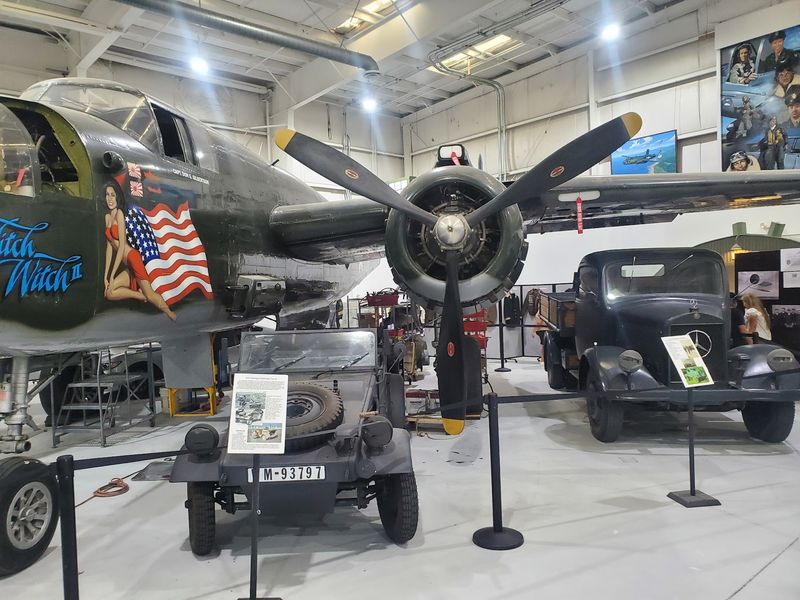
The museum also displays cars, models, dioramas, and plenty of memorabilia. These pieces fill in the story around the aircraft.
One rare item is a leaflet bomb, used to drop printed material rather than explosives. It is a small detail that makes people stop and read.
Movie fans will find props connected to Top Gun. They add a lighter touch among the serious historical displays.
A small theater shows several educational films each day. It offers a good break for tired feet and a deeper look at aviation history.
Upstairs, a research library is worth seeking out. It is easy to miss, so make a point of finding it.
Aviation art is part of the museum’s identity as well. The artwork adds a creative angle to the technical exhibits.
For guests who think they have seen everything after the hangars, these extras are a pleasant twist. The museum clearly believes history needs more than wings.
Runway Seats and Warbird Rides
Here is a rare perk: a museum with a live air show going on next door.
Because the museum sits beside an active runway, guests can watch civilian planes take off and land. Shaded benches under a canopy provide a comfortable spot to sit.
Many people find this area surprisingly relaxing. It is a calm place to rest between hangars.
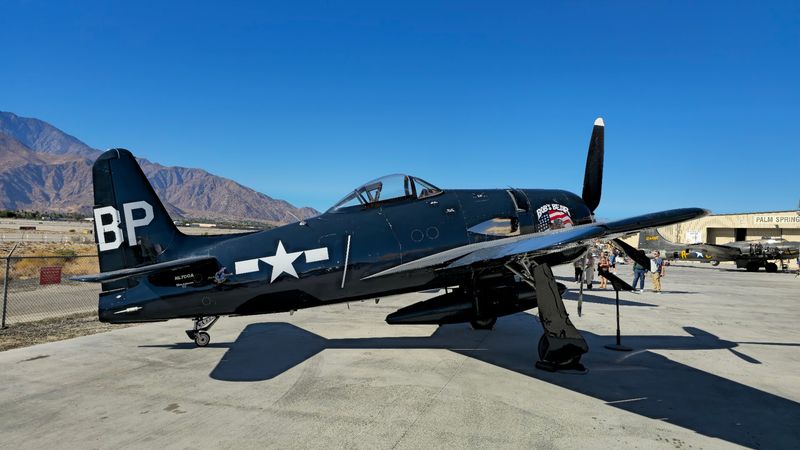
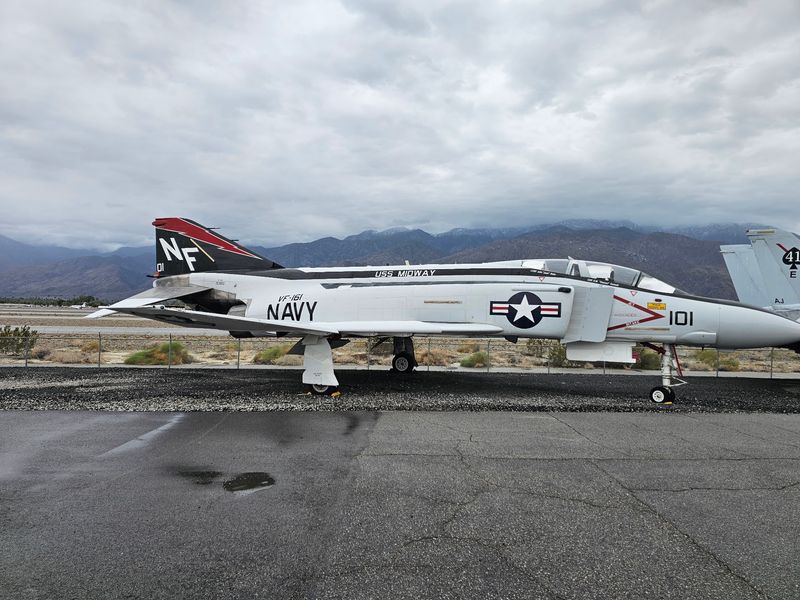
Outdoor aircraft line the grounds as well. A walk past these planes is well worth the time, and the dry desert climate helps preserve them.
For those who want more than watching, flights in historic planes are available for purchase. The museum lists Warbird rides among its programs.
Since many aircraft in the collection are FAA-approved for flight, these rides connect directly to the museum’s mission. Past and present share the same sky.
Prices and schedules for rides are best confirmed with the museum directly. Availability can depend on the aircraft and the season.
Watching modern jets beside WWII bombers creates a fitting contrast. It turns out the best seat in the museum may not be inside at all.
Family Missions and Kid-Friendly Perks
Kids tend to treat this museum like a giant playground with a history lesson built in.
A scavenger hunt keeps younger guests busy, and children who complete it receive a prize. That small reward keeps attention focused on the exhibits.
Children under 12 get in free. That makes the museum an easy choice for a family afternoon.
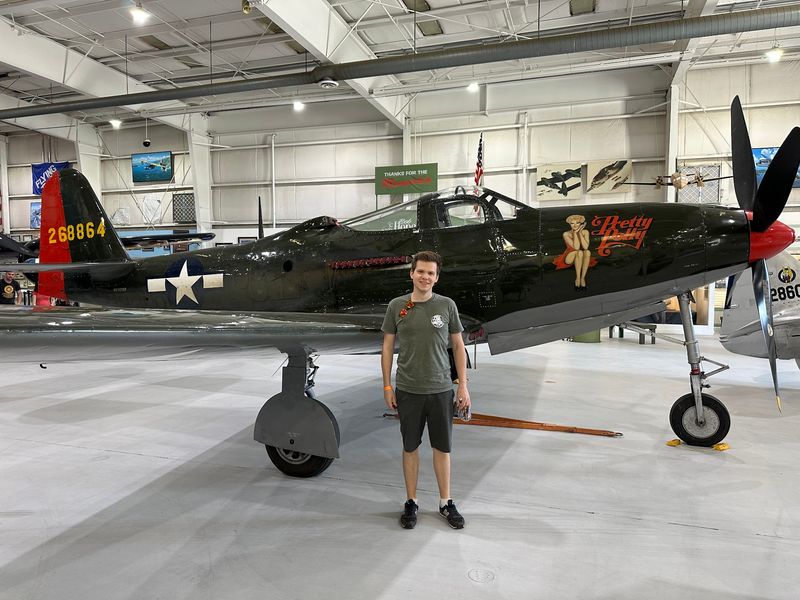
Climbing into bombers and sitting in cockpits add to the fun. Kids get to touch history instead of only looking at it.
Parents also appreciate the practical side. The restrooms are known for being unusually clean, a detail that families never take for granted.
Even adults who are not into airplanes find themselves enjoying the day. It feels less like a lecture and more like an adventure.
A cafe inside offers a spot to take a break when it is open. Timing a visit around its hours can help with longer stays.
With learning, exploring, and a prize at the end, the museum hands families a solid mission. Most crews return home proud of it.
Planning Your Landing Time
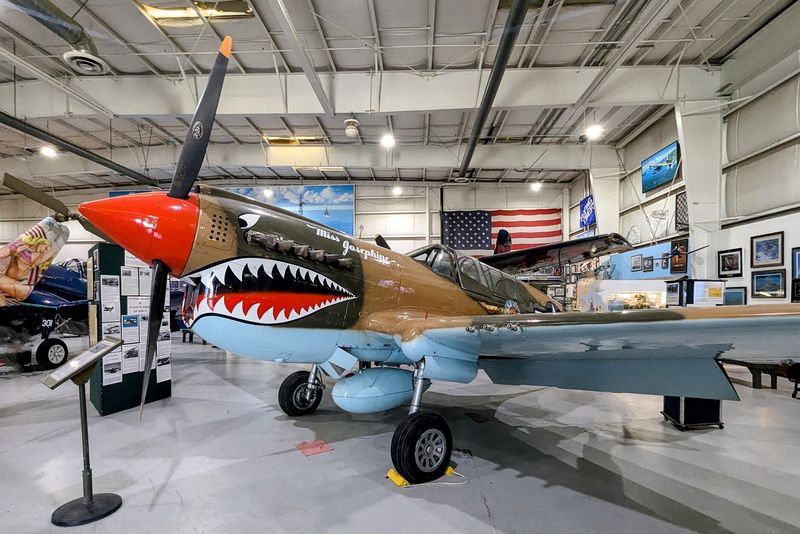
Good planning keeps this trip on course, and the schedule makes it simple.
The museum is open every day of the week from 10 AM to 5 PM. That steady schedule leaves plenty of flexibility.
Give yourself time. Most guests suggest at least two to three hours, and history buffs could easily spend a full day reading every exhibit.
Children under 12 enter free. Going inside certain aircraft costs an extra $5, and warbird flights are sold separately.
The museum also hosts other events, including roller derby matches held in a hangar. Those events have their own entry process and schedule, so check details ahead of time.
Summer in the desert can be very hot. Plan outdoor time, such as the runway benches and exterior aircraft, with the heat in mind.
The museum sits beside the airport, which makes it an easy stop before a flight. Just be warned that a planned one-hour visit often stretches much longer.
With a strong 4.8 standing among thousands of guests, it is clear this spot delivers. The Palm Springs Air Museum proves the desert keeps some of its best treasures inside a hangar, waiting for anyone ready to look.