
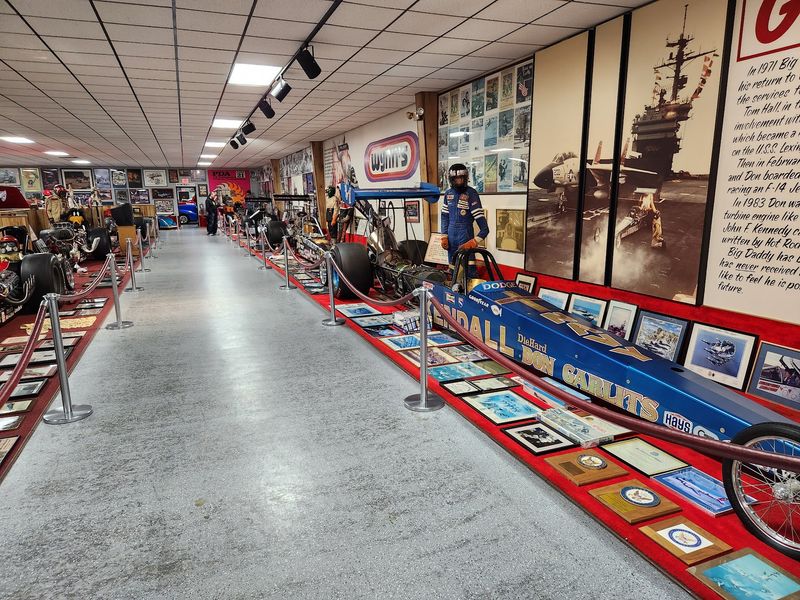
Affiliate disclosure: As an Amazon Associate I earn from qualifying purchases. Learn more
Thousands of drivers zip past this spot on the highway every single day, never guessing that one of the greatest collections of racing machines in the country sits right behind the trees. Some folks admit they cruised by it for fifty years before finally pulling in, and every one of them walks away wishing they had stopped sooner.
Tucked into central Florida, this place holds decades of horsepower, chrome, and stories from the fastest names in the sport. It is the kind of destination where hours vanish and you still miss things.
Best of all, it is affordable, easy to reach, and shockingly under the radar for a museum this good. Keep reading to find out exactly where it is and why car lovers keep coming back thirty times over.
Where the Horsepower Hides in Ocala
Right off the highway in central Florida, the Don Garlits Museum of Drag Racing waits at 13700 SW 16 Ave, Ocala, FL 34473. Countless travelers have driven past it for years, meaning to stop, until curiosity finally wins.
The location could not be easier to find, sitting just off the interstate with free parking out front. That convenience makes it a natural halt for anyone rolling through the state on a longer trip.
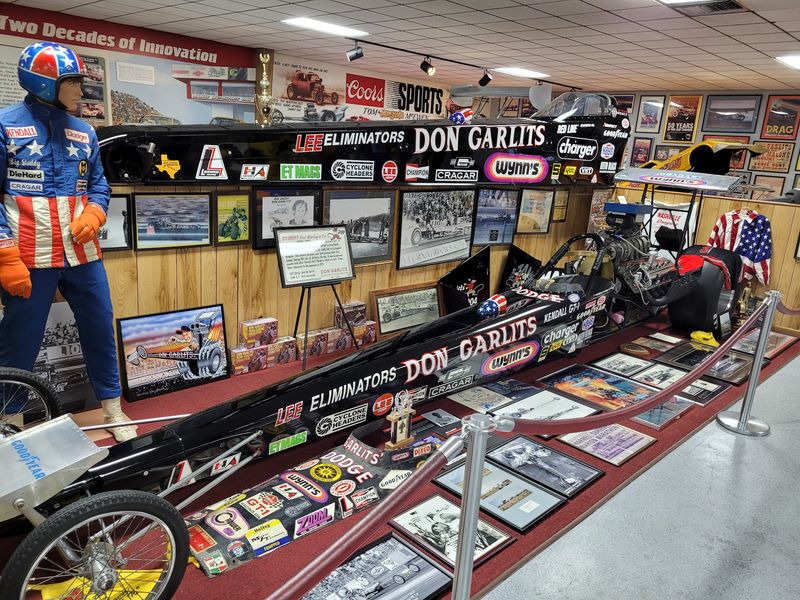
What you get inside is a sprawling tribute to speed built by a man who actually lived the sport. The collection spreads across more than one building, so there is far more here than a quick walk-through suggests.
Regulars mention that even repeat trips reveal cars and details missed the first time around. With a rating that hovers near the very top and thousands of happy guests, word is slowly getting out.
Still, plenty of Floridians have no clue it exists, which is exactly what makes discovering it so satisfying.
The Man They Call Big Daddy
Behind every great museum is a story, and this one belongs to Don Garlits, the racer affectionately nicknamed Big Daddy. Widely regarded as one of the greatest names ever to run the quarter mile, he built this collection to preserve the sport he helped shape.
Guests often light up when they mention meeting him in person. On lucky days he still turns up at the museum, shakes hands, and chats with the people who came to see his life’s work.
A few longtime fans have driven past for half a century before stopping, only to walk out having shaken the hand of a genuine legend. That personal connection sets this place apart from a typical roadside attraction.
Videos of Garlits play throughout the buildings, giving even newcomers a real feel for who he is and why the sport mattered. People who arrived with zero interest in racing leave genuinely fascinated by his path.
It is rare for a museum to carry the fingerprints of its founder so directly, and here that fingerprint is everywhere.
A First Building Packed With Drag Racing History
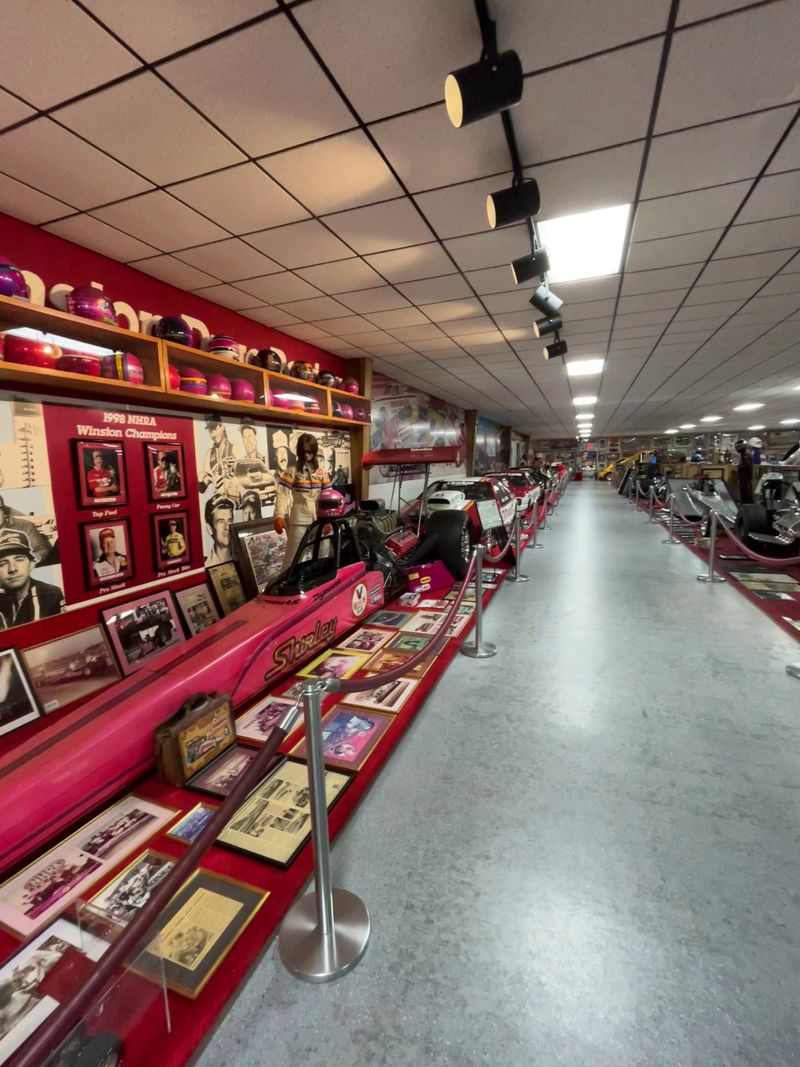
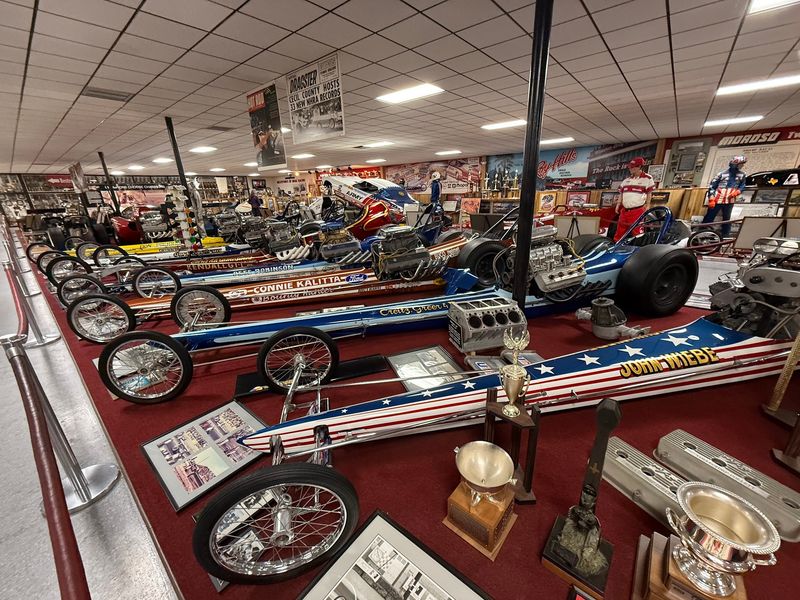
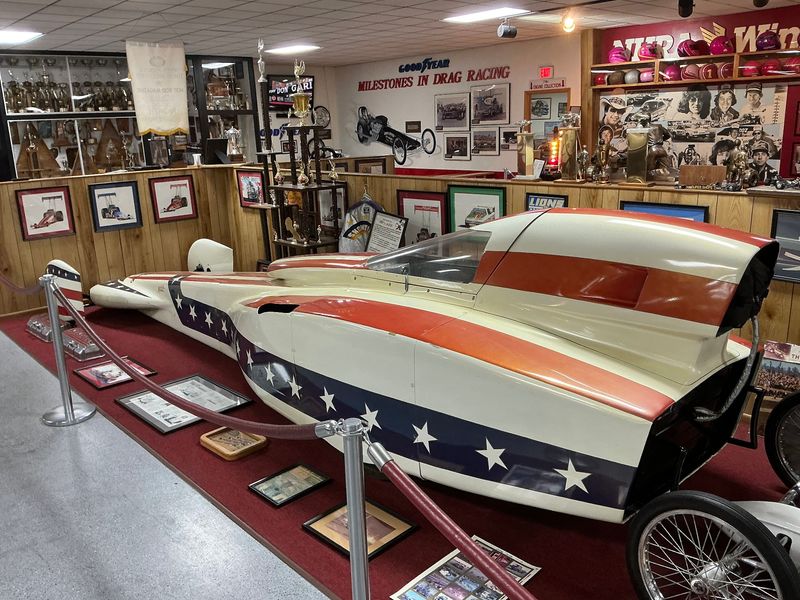
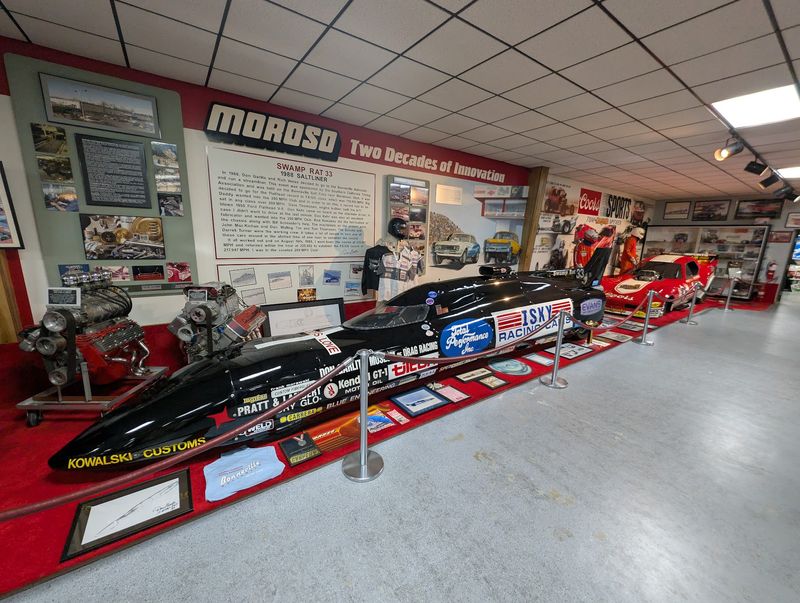
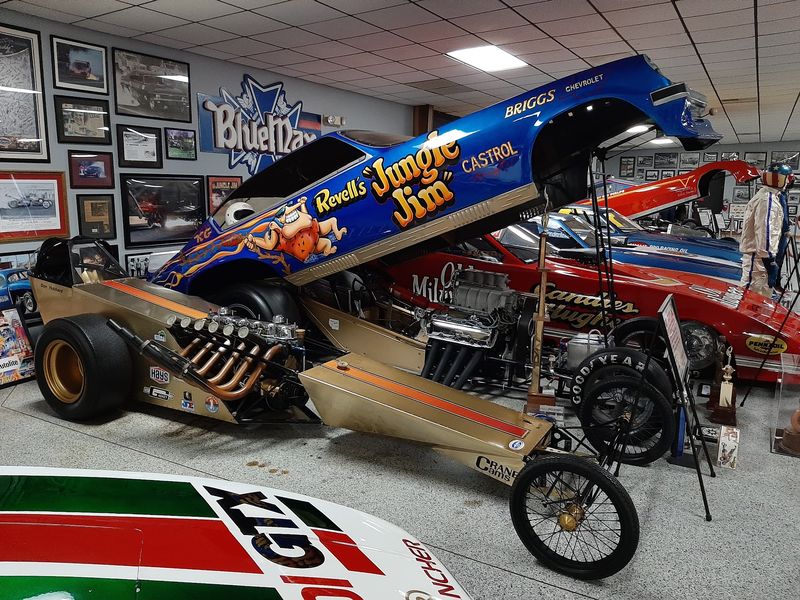
Walk through the doors and the first building lays out the entire history of drag racing in one enormous space. Rows of dragsters trace the sport from its earliest days to its modern machines, each with documentation that explains its place in the timeline.
Cars driven by some of the biggest names in the sport sit on display, along with countless photographs lining the walls. The sheer number of vehicles packed into one hall surprises nearly everyone who steps inside.
Fans of the sport point to standout machines like Swamp Rat 34, the dragster that reached an astonishing 323 mph. Seeing a piece of history like that up close turns even casual guests into believers.
Those who grew up watching races in the seventies and eighties often say the visit brings back a flood of good memories. It is history you can walk right up to rather than read about from a distance.
You could easily lose track of time here and still not see it all.
The Second Building and Its Antique Car Treasure Trove
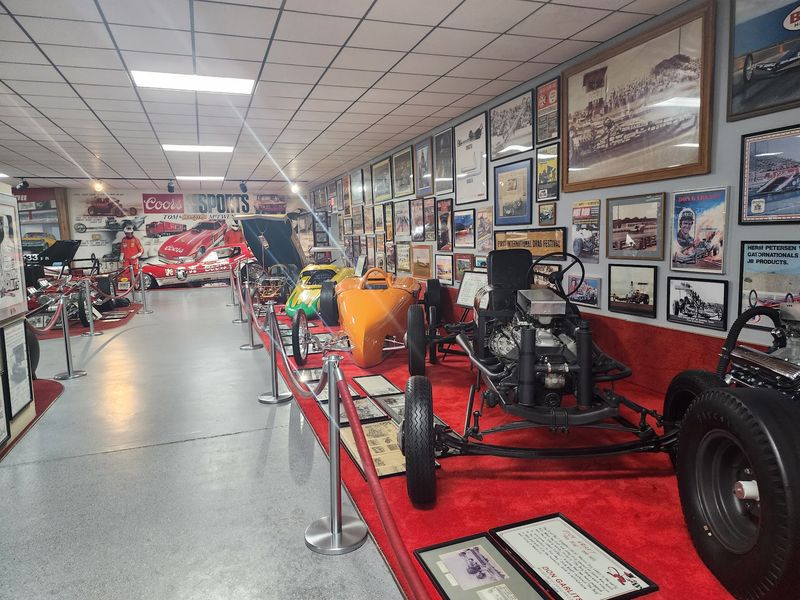
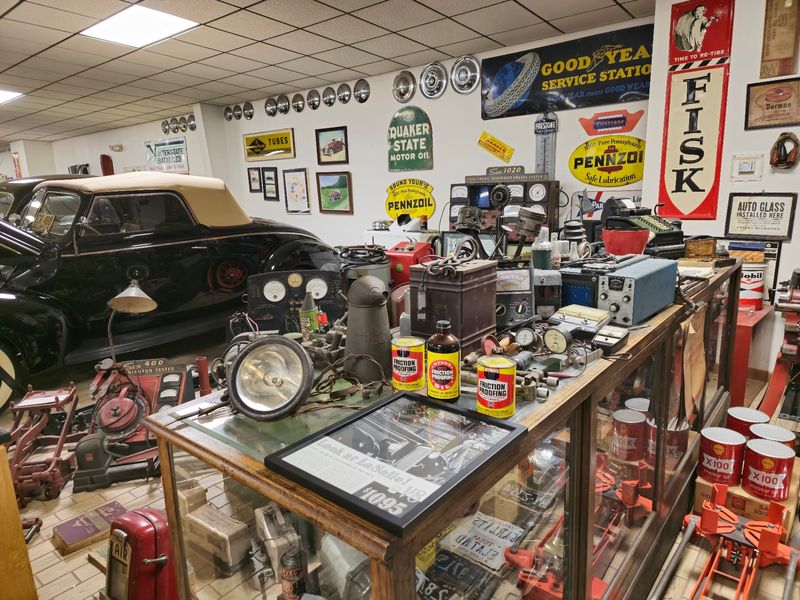
Just when you think you have seen enough, the second building opens up an entirely different world. Instead of pure racing, this hall leans into car culture, filled with antique and custom vehicles in pristine, well-documented condition.
The variety here catches many people off guard. Alongside the American classics, there are surprises like a lineup of Volkswagens that guests never expected to find at a drag racing museum.
Folks who came strictly for the dragsters often end up naming this building their favorite part. The restored classics and nostalgic vehicles appeal to visitors who might not care about racing at all.
Everything is laid out clearly, with plenty of signage to explain what you are looking at. That thoughtful curation makes wandering through it feel effortless.
Between the two buildings, there really is something for every kind of car admirer under one roof.
Engines, Superchargers, and a Wall of Speed Parts
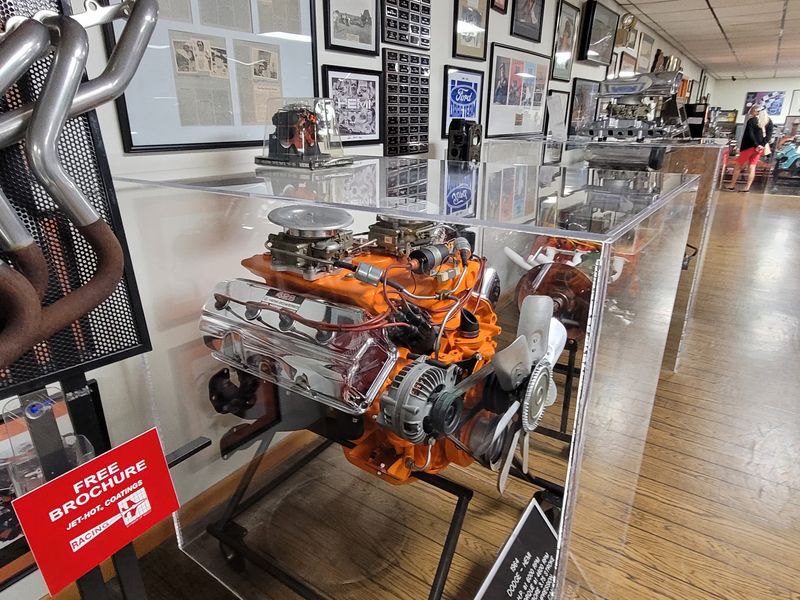
Gearheads, this is where things get serious. Beyond the complete cars, the museum devotes space to the mechanical guts that made them fast, and the selection is staggering.
There are all the Hemis you could ever hope to see, plus vintage speed parts arranged in ways that stop people in their tracks. An entire wall of intakes and countless superchargers show off the engineering behind the horsepower.
Those who know their machinery point out rare finds, including a remarkable number of 8-71 blowers gathered in one place. A few 427 Cammers round out a lineup that impresses even seasoned mechanics.
Engines rank among the most talked-about features of the whole museum, and it is easy to understand why. This is fabrication and engineering history you can study bolt by bolt.
For anyone who loves what happens under the hood, this section alone justifies the trip.
Test Your Reflexes Against the Christmas Tree
Not everything here sits behind a rope. One of the most beloved features is a hands-on reaction game where you square off against the drag racing tree, the famous set of lights that starts every race.
The setup is delightfully cheap. For just one dollar, two people each get five tries to test how quickly they can react, which makes it a favorite for families.
Kids especially get a kick out of it, and plenty of grown-ups discover their reflexes are not as sharp as they hoped. It adds a playful, competitive spark to an otherwise browse-at-your-own-pace visit.
Little touches like this keep the experience lively for all ages. There is even an old jukebox that guests enjoy playing while they explore.
Great value and great fun tend to go hand in hand here, and this game proves it.
Guided Tours Led by a Legend
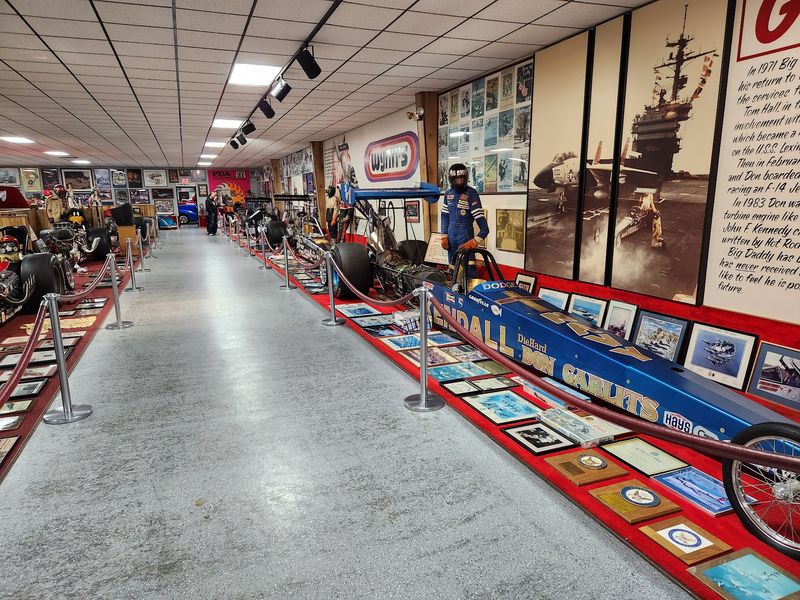
Here is a perk few museums can match. Tours can be arranged that are led by Don Garlits himself, turning a self-guided stroll into a firsthand account from the source.
Hearing the stories straight from the man who lived them adds a layer no plaque could ever provide. The context brings the cars to life in a way that sticks with people long after they leave.
Even without a formal tour, the front counter staff are frequently described as sweet, professional, and informative. A warm welcome sets the tone the moment you arrive.
Guests appreciate that the whole place feels clean, well organized, and easy to navigate. Thoughtful layout means you spend your time enjoying the cars rather than hunting for them.
Between the option of a legendary guide and helpful staff, first-timers rarely feel lost.
Who Will Love It Most
You might expect a place like this to appeal only to die-hard racing fans, but the crowd it draws is far wider. Motorsport buffs and classic vehicle lovers naturally feel right at home among the collection.
Yet people with no particular interest in drag racing routinely leave impressed. Watching the history unfold and hearing the stories has a way of winning over the skeptics.
Families do well here too, with kids entertained by the interactive game and the vintage odds and ends from decades past. There is enough variety to keep different generations engaged at the same time.
Couples have even marked anniversaries with a visit, proving the appeal stretches beyond the obvious audience. One devoted fan has returned more than thirty times since 2010 without growing tired of it.
Whether you live for horsepower or simply enjoy a good story, this museum tends to deliver.
Hours, Admission, and How to Get There
Planning a trip could not be simpler. The museum opens daily from 9 AM to 5 PM, seven days a week, so almost any day works for a stop.
Getting there is a breeze thanks to its spot right off the highway in Ocala. Free parking waits out front, which is always a welcome bonus on a day trip.
Guests consistently describe the admission as worth every dollar for the amount of history packed inside. Discounts have been mentioned for those with military service, and staying at the hotel right next door can unlock savings too.
A gift shop rounds out the visit for anyone wanting a keepsake before heading home. Weekdays like Tuesday tend to be quieter if you prefer smaller crowds.
For a value-minded outing that fills several hours, the numbers here add up nicely.
Why This Hidden Ocala Stop Earns the Detour
Some places live up to their reputation, and this one quietly exceeds it. Folks who have toured major automotive halls elsewhere rank this collection right at the top, and its near-perfect standing across thousands of guests backs that up.
The magic lies in how much is crammed under these roofs. You can visit repeatedly and still catch details you overlooked, from legendary machines to the small artifacts that make you pause.
It celebrates horsepower, fabrication, and American racing heritage in a way that feels genuine rather than staged. That authenticity comes straight from the founder who built it.
Affordable, easy to reach, and endlessly rewarding, it checks every box for a great Florida day trip. The only regret people seem to share is not stopping sooner.
Next time the highway carries you through Ocala, let curiosity win and pull in. The horsepower has been hiding here all along, waiting for you to find it.