Affiliate disclosure: As an Amazon Associate I earn from qualifying purchases. Learn more
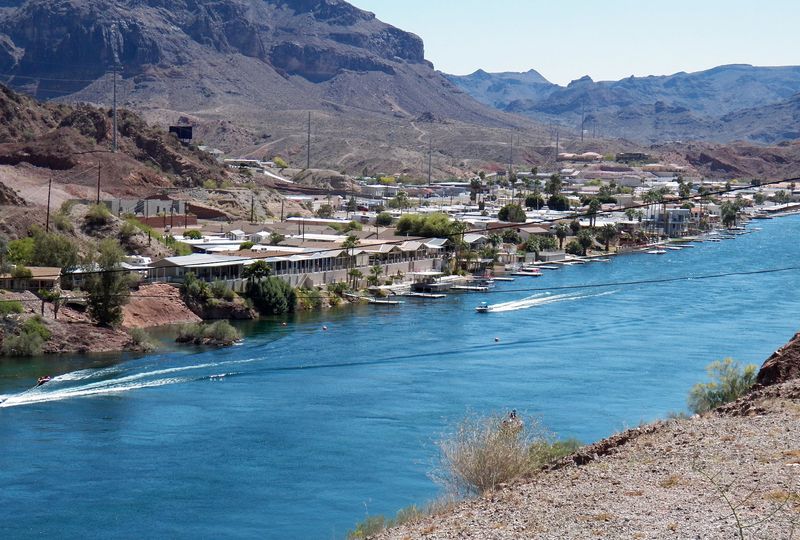
Roughly 40 miles south of Lake Havasu sits a small town most Arizonans breeze right past on their way to the busier shoreline. It has a quiet main street, a slow-moving stretch of the Colorado River, and a pace that hasn’t changed much in decades.
While the big lake fills up with weekend traffic, this county seat keeps things calm and unhurried. Here is where you go when you want the river without the elbows, and a slice of old Arizona that has held onto its character.
Keep reading to find out where it is and why longtime locals quietly guard it.
A County Seat On The Colorado River
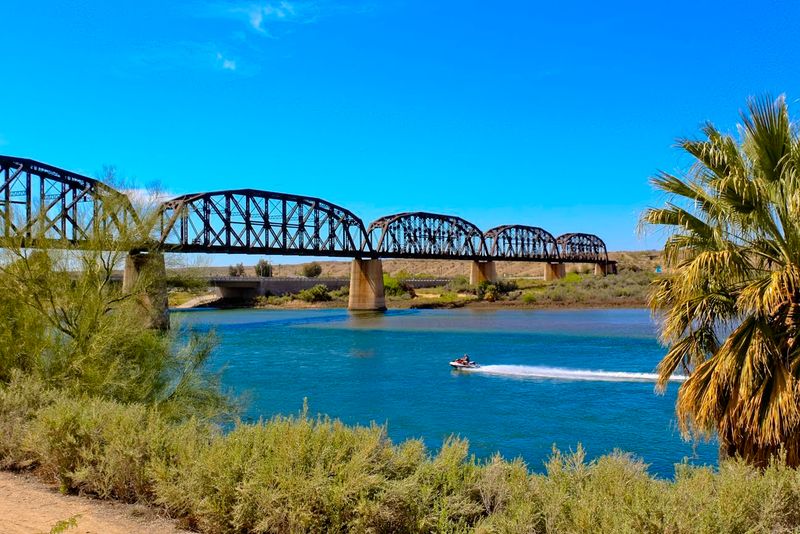
Meet Parker, the county seat of La Paz County, sitting right on the Colorado River in Parker Valley. Its official address is simply Arizona, USA, and it anchors one of the state’s least crowded river regions.
The town is small by any measure. As of the 2020 census, the population sat at just 3,417 people, which is part of what gives Parker its quiet, unhurried feel.
Located along the western edge of Arizona, the town shares the river with the border of California. That river connection has shaped nearly everything about how Parker grew and how people spend their days here.
Unlike the packed shoreline up at Lake Havasu, this stretch keeps a slower rhythm. The main street stays walkable, and the surrounding valley spreads out flat and open toward the water.
You can learn more through the town’s official site at ci.parker.az.us, which handles the practical civic details. For visitors, though, the real draw is simpler: a genuine river town that never rushed to modernize itself into something it isn’t.
How A Small Town Held Onto Its Character
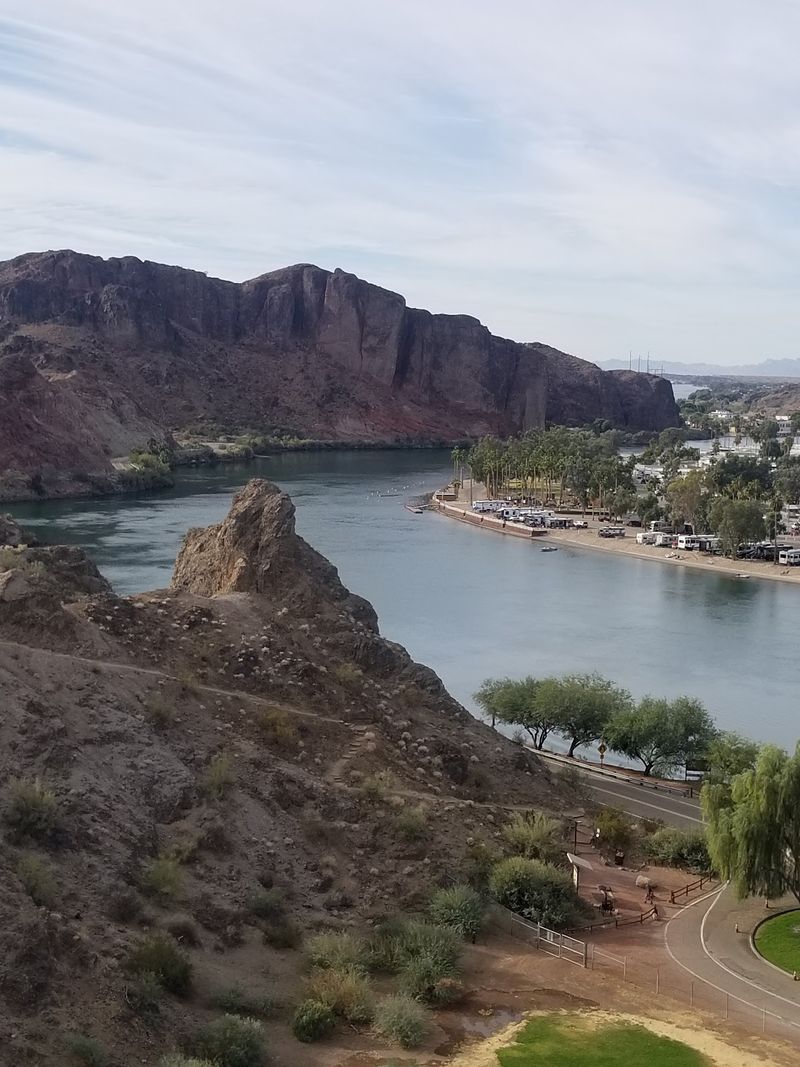
Small towns often lose their identity when growth arrives, but Parker managed to sidestep that fate. With just over 3,400 residents, it never ballooned into a resort strip, and that restraint is exactly what makes it feel preserved.
The town serves as the seat of La Paz County government, giving it a steady, functional heart rather than a purely tourist-driven one. That role keeps everyday life ticking along in a way that visitors rarely see in flashier destinations.
Its position in Parker Valley, hugging the Colorado River, tied the community to the water long ago. Farming, river life, and small-town commerce built the place, and those roots still show.
Because it stayed compact, Parker holds onto a settled, lived-in quality. There is no sprawling development racing to the waterline, no crush of new construction crowding out the older streets.
What you get instead is a town that seems comfortable in its own skin. It moves at a pace that longtime Arizonans remember from decades past, and it doesn’t seem in any hurry to change.
The River That Runs Through Everything
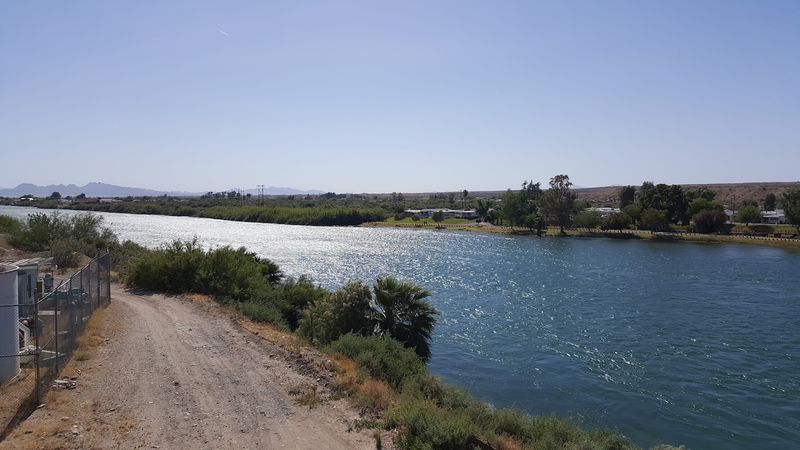
Water is the reason Parker exists, and the Colorado River threads through the whole area. The town sits right on its banks in Parker Valley, where the current moves steady and wide.
This section of the river draws people looking for a calmer alternative to the crowded lake to the north. The shoreline here feels open rather than packed, which is a big part of the appeal.
The stretch of river near town has long been a gathering point for boating, floating, and simply spending time by the water. It anchors the community both economically and socially.
Because Parker never turned into a mega-resort, the river stays approachable. You can find quiet spots along the banks without fighting for space, something increasingly rare on Arizona’s busier waterways.
For anyone weary of the Lake Havasu scene, this quieter riverfront offers the same cool relief with far less commotion. The Colorado gives Parker its purpose, its history, and its most obvious reason to visit.
Parker Valley And The Wide Open Setting
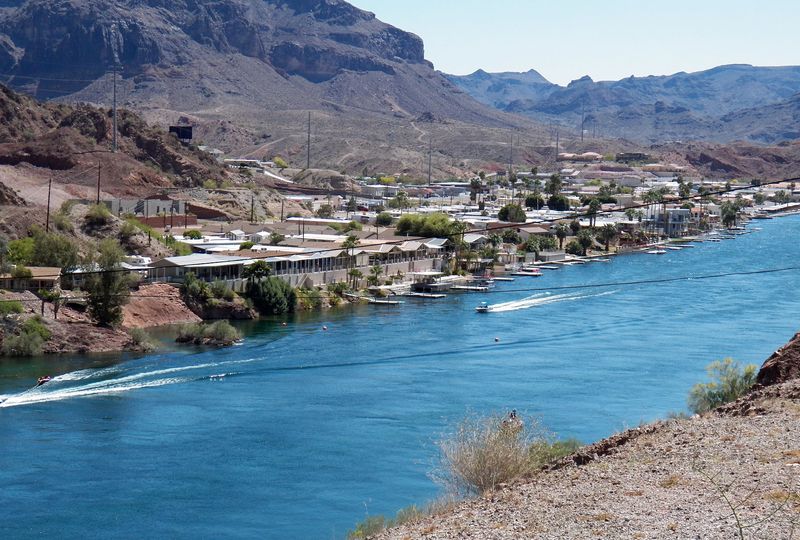
Spread out around the town, Parker Valley gives the area its flat, open character. The valley follows the river’s path, framed by distant desert ridges that keep the horizon low and wide.
Farmland stretches across parts of the valley, a reminder of the agricultural roots that helped build the community. The green fields against the surrounding desert make for a striking contrast.
The valley’s geography is what allowed the river town to develop the way it did. With room to breathe, Parker never felt boxed in or forced to build upward and outward in a rush.
This setting also means the area stays scenic without being showy. The land rolls out toward the water in a way that feels calm and uncluttered.
Surrounded by open desert on one side and the Colorado on the other, Parker sits in a genuinely distinctive pocket of western Arizona. The valley is quietly one of the town’s best features, even if it rarely gets top billing.
A Quieter Alternative To Lake Havasu
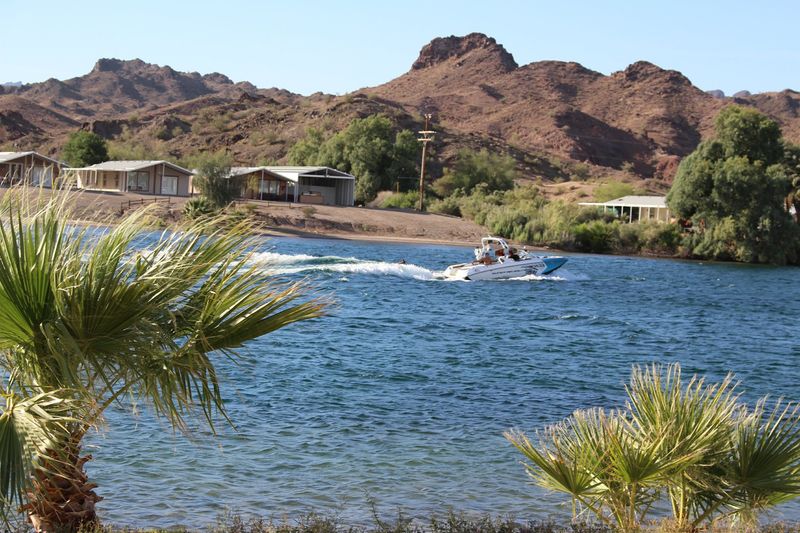
The pull of Lake Havasu is no secret, and its crowds can be relentless during peak season. Parker offers a gentler option roughly 40 miles down the river.
Where the big lake draws heavy weekend traffic and packed shorelines, this smaller town keeps a much lower profile. That difference is the entire point for travelers seeking calm.
You still get the Colorado River, the desert scenery, and the sense of a proper river escape. What you skip is the congestion that has come to define the busier destination up north.
Locals who want river time without the chaos have long known about this quieter stretch. It rewards those willing to drive a little farther for a lot more space.
The contrast between the two spots is stark, and that is precisely what makes Parker worth the detour. It delivers the water-town experience while leaving the crowds behind.
The Slow-Paced Atmosphere Locals Love
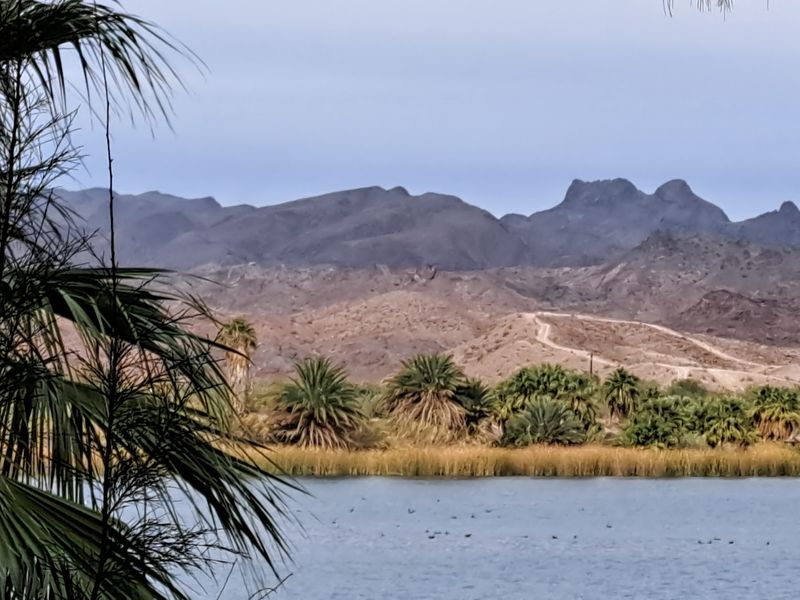
Time seems to move differently in Parker, and that unhurried quality is a feature, not a flaw. With a population of just over 3,400, everyone here settles into an easy, small-town rhythm.
The town suits people who prefer quiet over spectacle. There are no dense crowds to navigate and no frantic energy pushing you along.
Residents value the calm, and the atmosphere reflects a community that likes life simple and steady. It feels lived-in and welcoming rather than polished for show.
Families, river regulars, and travelers looking to unplug all find something here. The pace invites you to slow down whether you planned to or not.
For those who remember an older, quieter Arizona, Parker captures that feeling remarkably well. It is the kind of place where doing very little counts as time well spent.
Getting There And Finding Your Way Around
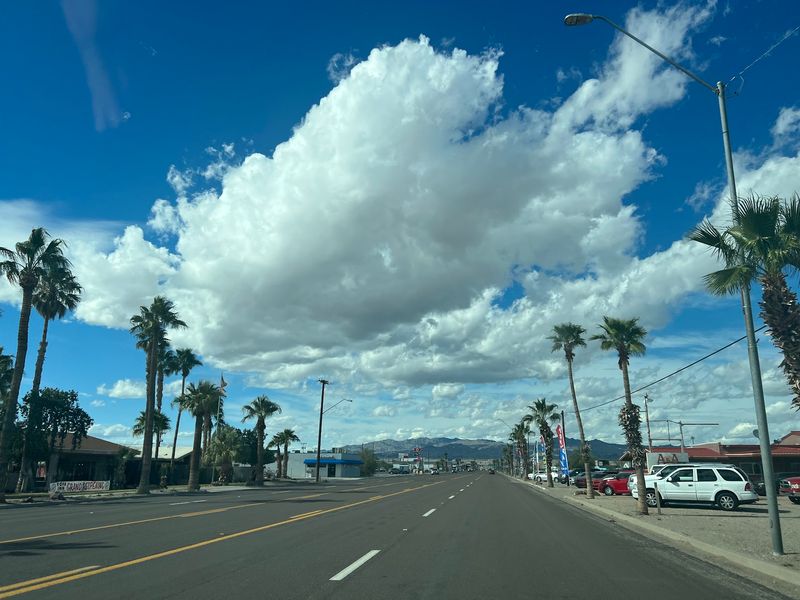
Reaching Parker means heading to western Arizona, into La Paz County along the Colorado River. The town sits about 40 miles south of Lake Havasu, making it an easy add-on for anyone already exploring the river corridor.
Its riverside location in Parker Valley keeps it close to the California border, so travelers from both states can reach it without much trouble. The drive rewards you with open desert views the whole way.
Once you arrive, the compact size makes getting around simple. With a population near 3,400, there is nothing sprawling to navigate.
For civic details and current information, the town maintains its official website at ci.parker.az.us. That is the best starting point for practical planning.
Because the town is small and centered on the river, orienting yourself takes almost no time. You will find the water, the main streets, and the valley all within easy reach of one another.
Why Parker Deserves A Spot On Your List
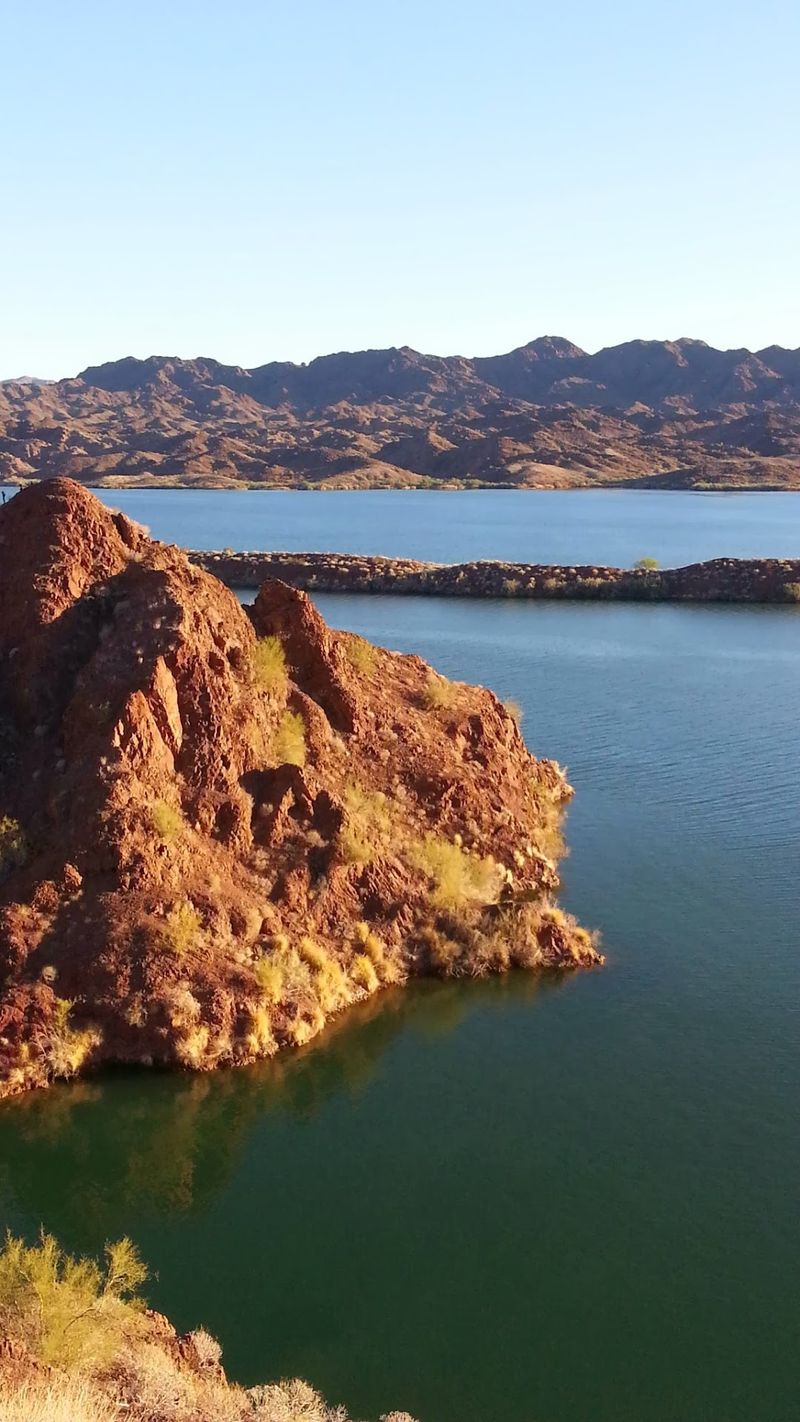
All told, Parker makes a strong case for anyone tired of fighting for space at Arizona’s busier waterways. It keeps the river, the scenery, and the calm without the crowds.
As the county seat of La Paz County, it carries a steady, grounded character that bigger tourist towns often lose. That gives it a genuine sense of place.
The small population and unhurried feel are exactly what make it special. This is a town that never chased the spotlight and is better for it.
If you have been meaning to explore more of your own state, this quiet river town belongs on the short list. It sits close enough to Lake Havasu to make the swap easy.
Skip the congestion, point your drive toward Parker Valley, and let the Colorado River do the rest. A quieter, frozen-in-time slice of Arizona is waiting there for you.