Affiliate disclosure: As an Amazon Associate I earn from qualifying purchases. Learn more
Somewhere in Lubbock, a dugout, a schoolhouse, a church, and an old train all share the same patch of West Texas ground. None of them started out there.
Each one was moved, restored, and set along a walking trail so people today can see how ranch families lived across roughly two centuries. The best part is that the gate costs nothing to pass through.
Families spend an hour here, or they spend an entire afternoon and still talk about coming back. Kids find a cartoon cow dog waiting for them, and history fans find buildings with stories about where they stood before they arrived.
Read on to learn what makes this frontier museum so special, how to plan a visit, and why a hat and some sunscreen might be the smartest things to pack.
A Frontier Museum on 4th Street
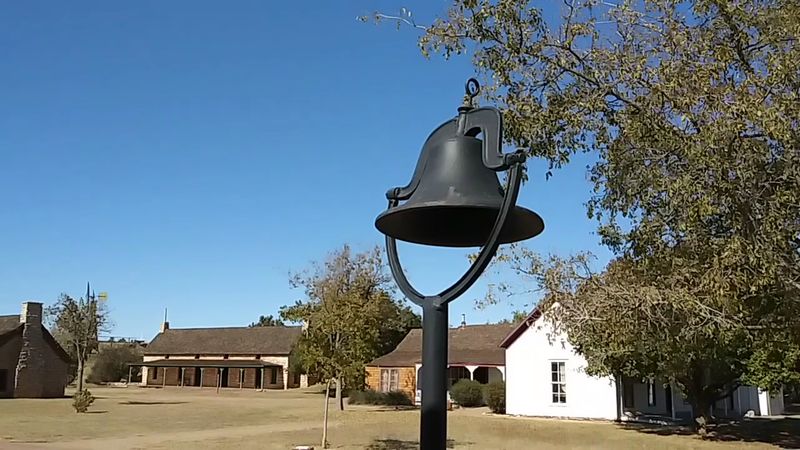
Texas history does not always sit behind glass. At the National Ranching Heritage Center, 3121 4th St, Lubbock, TX 79409, much of it stands outside under the open sky.
The center is a heritage museum devoted to American ranching and frontier life. Its collection pairs indoor galleries full of artifacts with a large outdoor area of historic structures that were relocated from their original sites.
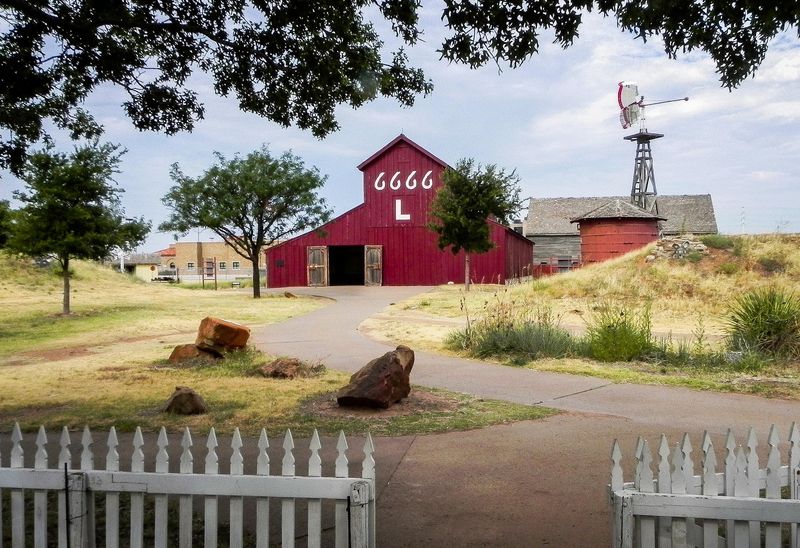
Those structures are the headline act. They include ranch houses, a barn, dugouts, a school, a church, and railroad pieces, all arranged so people can move from one era to the next on foot.
Lubbock sits on the plains of West Texas, which makes it a fitting home for a museum about ranching. The land itself helps tell the story of how families made a living in wide, open country.
The museum carries a 4.8-star standing from hundreds of people who have spent time there, and the praise tends to circle back to the same points. The grounds are tidy, the exhibits are organized, and the staff is welcoming.
Consider this the first stop on a journey that runs backward through the calendar.
Why Buildings Travel Here
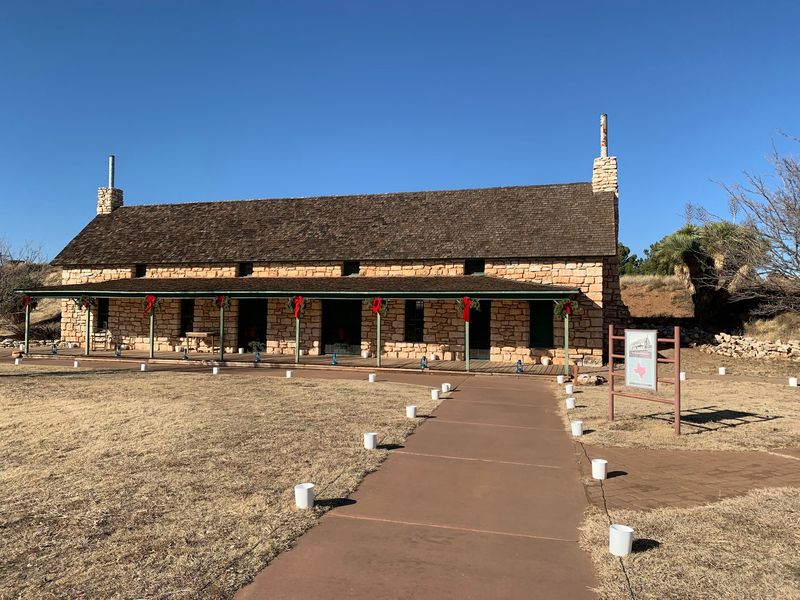
Most museums collect objects small enough to carry. Here, the curators went much bigger and collected entire buildings.
Each structure was taken from its original location, moved to the grounds, and restored. The result lets people see how ranch life changed from the 19th century into more modern times, one doorway at a time.
Every building comes with its own backstory, including where it stood before it was relocated. History buffs tend to find these details especially rewarding, since they connect each house or shed to a real place on the map.
The approach turns the outdoor area into something close to a living textbook. Instead of reading about how settlers built homes on the plains, people can stand in front of the homes themselves.
That idea also pushes the story beyond the familiar cowboy image. The buildings show how ranching shaped the economy, culture, and identity of Texas, from tiny early dwellings to larger working headquarters.
Moving a house across the state is no small task, so every porch here represents serious effort and care.
Homes Dug Into the Earth
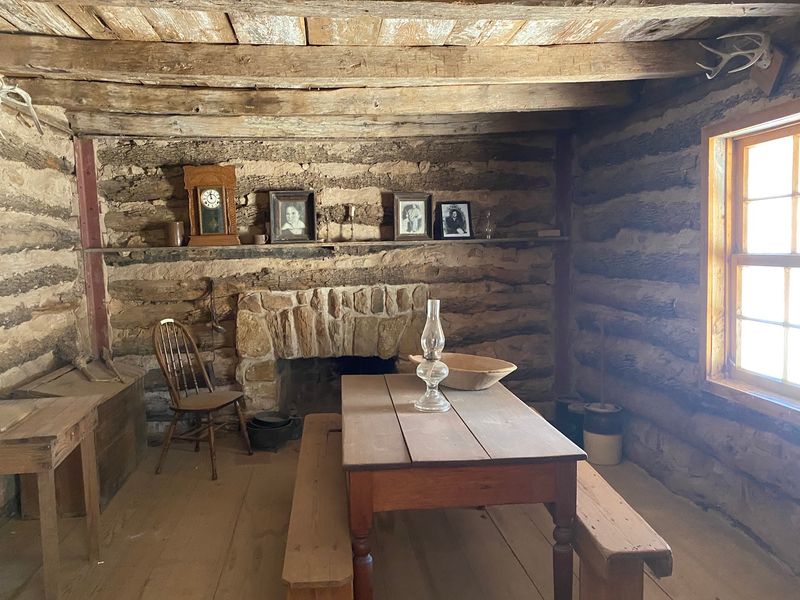
Early settlers on the plains did not always have lumber to spare. Some of them solved the problem by digging down.
The dugouts on the grounds are among the most talked-about stops along the trail. They show one of the earliest and simplest ways families created shelter in a land with few trees.
Seeing one in person helps explain just how resourceful frontier families had to be. Many people come away impressed by the clever ways earlier generations used the technology of their day to make a home on the plains.
The contrast is part of the fun. A short walk separates these humble dwellings from more polished ranch houses, so the leap in comfort over the years becomes very clear.
Kids studying Texas history in school often recognize these homes from their lessons. Watching textbook pages turn into real structures can make the subject click in a new way.
Call it a ground-floor look at frontier life, quite literally.
School Bells, Church Doors, and Rails
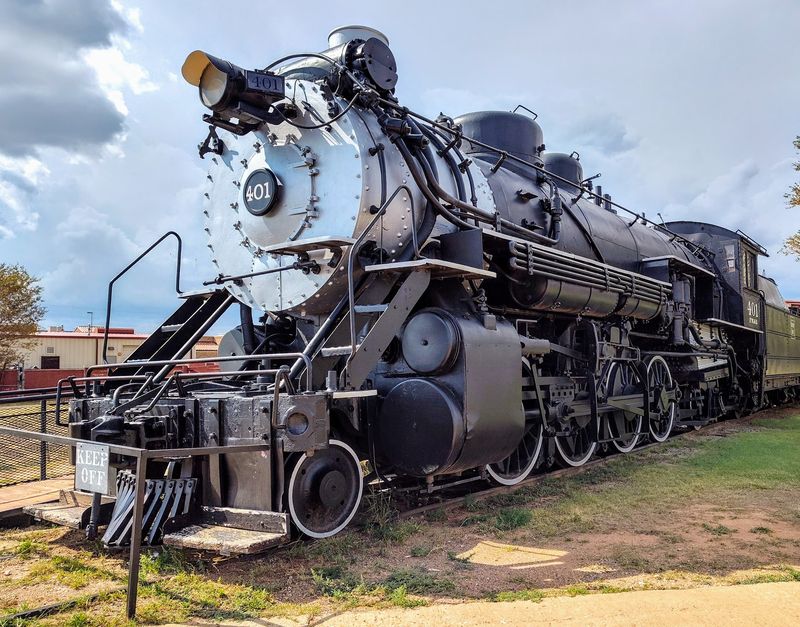
Ranch life was never only about cattle. Communities needed places to learn, gather, and ship goods, and the outdoor collection reflects that bigger picture.
Along the trail, people find an old school and a church alongside the houses. These buildings show the social side of frontier living, where neighbors were often miles apart.
The railroad exhibits draw their own loyal crowd. Some people come specifically to see and photograph the old train, which is a strong reason to bring a camera.
Many of the exhibits date to the mid and late 1800s, and they have been preserved and restored with great care. The level of upkeep is one of the most consistent points of praise.
Together, these pieces fill in the story around the ranch house. They explain how education, faith, and transportation shaped daily routines on the plains.
Train fans, history students, and photographers can all find their favorite stop in this part of the grounds.
Peeking Through Open Doors
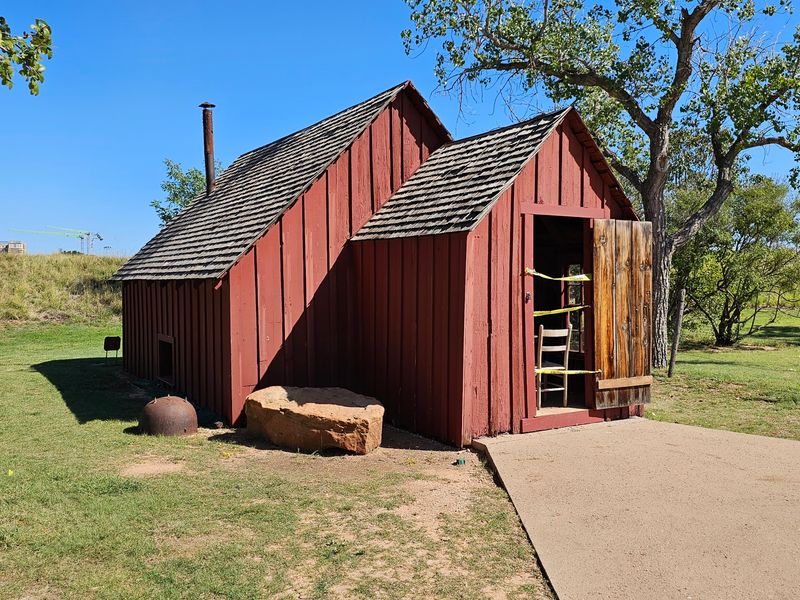
Curiosity gets rewarded on this trail. Most buildings let people look through an open window or door to see the rooms inside.
The interiors are decorated with period furnishings, so each stop offers a glimpse of how a family might have arranged its everyday space. Beds, tables, and household items help the past feel personal.
Weather can change the experience. On very windy days, many outdoor buildings are closed up for protection from the elements, which limits views of the interiors.
Even then, there is still plenty to see. Some families who visited on a blustery day planned a return trip just to catch the insides on a calmer afternoon.
That detail makes checking the forecast worth a minute of planning. A still day gives the best chance of seeing every room the outdoor area has to offer.
A peek inside one cabin usually leads to wanting a look inside the next.
The Trail and Its Shady Breaks
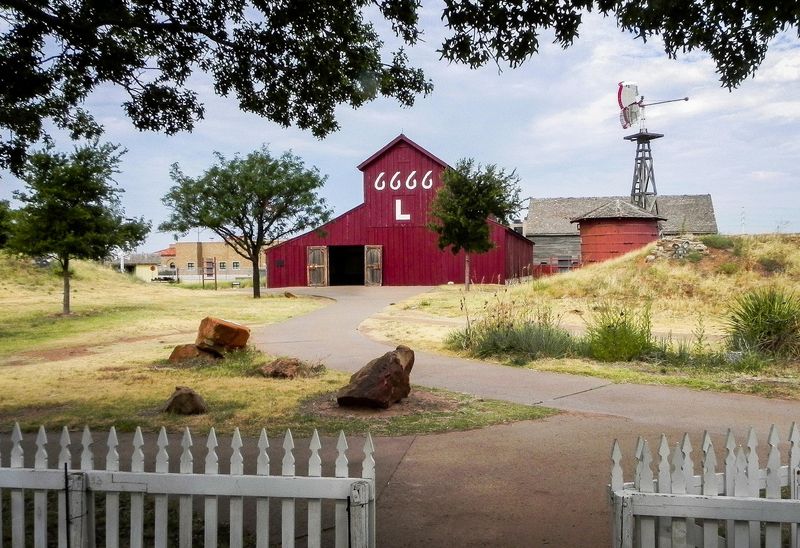
Plan on some walking. The trail that links the historic structures covers a fair distance, and seeing everything takes time.
Thankfully, the route is well kept and easy to follow. Benches and shady spots appear along the way, giving people a chance to rest between buildings.
The grounds earn frequent compliments for being clean and well maintained. Paths, lawns, and structures all reflect steady attention from the people who care for them.
The trail also helps pace the story. Moving from building to building in order gives a clear sense of time passing, from rough early shelters to sturdier homes.
Those who prefer a slow stroll can linger at favorite stops. Others may cover ground more quickly and still catch the highlights.
Comfortable shoes are a smart choice for anyone planning to cover the full loop.
A Narrated Ride Around the Grounds
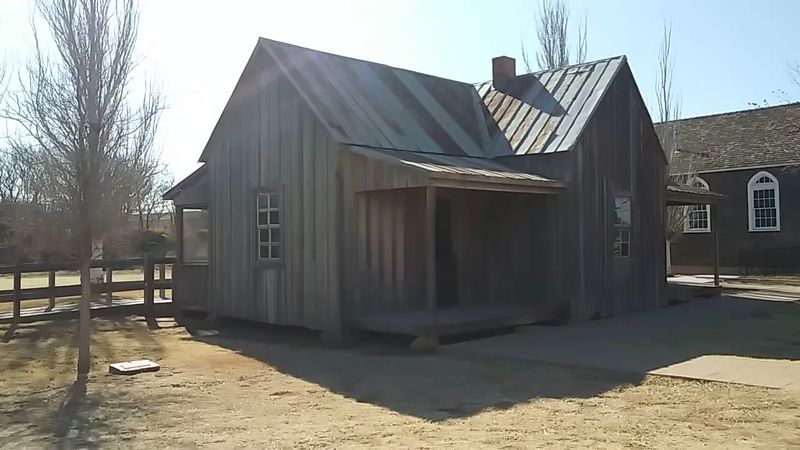
Tired feet have an alternative. A free trolley, sometimes called a tram, carries people around the outdoor exhibits.
The driver narrates during the ride and shares plenty of information about the buildings. That commentary adds context that a quick walk might miss.
The trolley is a natural pick for families with small children, people who want to save energy, or anyone short on time. It covers the grounds while keeping the history front and center.
Some people mix both options. They ride for an overview, then return on foot to the buildings that caught their interest.
Choosing between walking and riding is part of the flexibility here. Neither option costs extra, so the decision comes down to comfort and curiosity.
The trolley might be the most relaxed history lesson in Lubbock.
Galleries Full of Frontier Gear
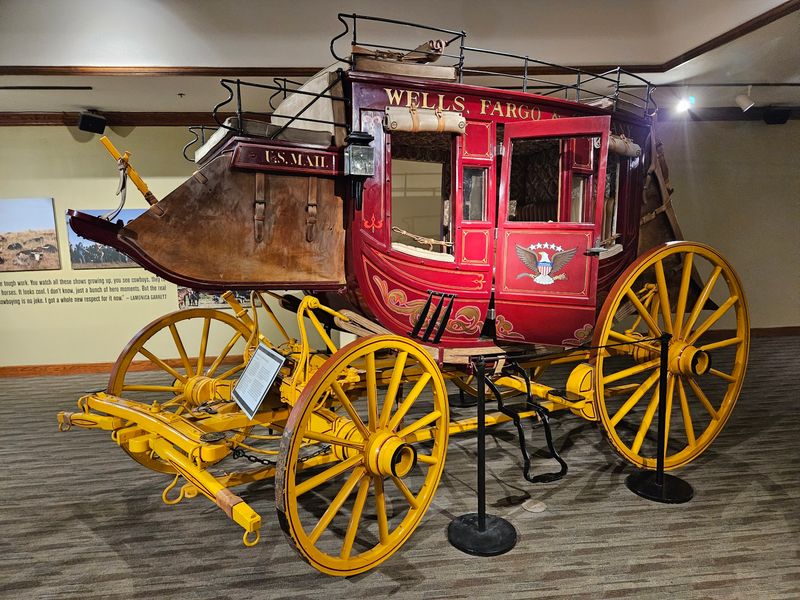
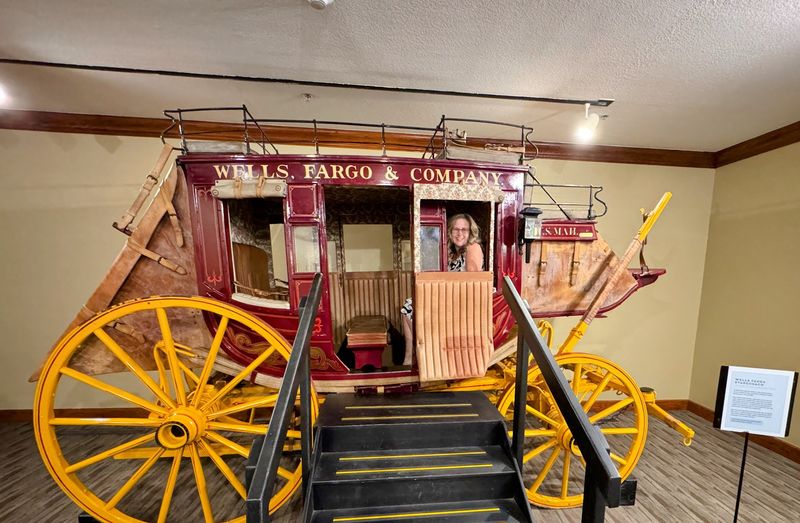
Indoors, the story continues with a rich collection of historical artifacts. The galleries are clean, comfortable, and well organized.
Exhibits cover topics such as fire, firearms, and the broader history of ranch life. Each gallery adds detail to what the outdoor buildings introduce.
The museum uses many speakers to bring scenes to life. Recorded cowboy calls and other ranching soundscapes make the galleries feel immersive and interactive.
One standout is a handcrafted wood sculpture called Ode to Joy. It has earned a fan base of its own among people who explore the galleries.
Even dedicated students of Texas and the American West often leave knowing more than they expected. The depth of information surprises many first-timers.
Indoor time also offers a welcome break from the West Texas sun.
Hank the Cowdog Steals the Show
Every ranch needs a head of security, and young guests here meet a famous one. A section themed around Hank the Cowdog is a favorite with kids.
The exhibit helps draw children into the subject. It turns ranch history into something playful while still connecting to the bigger story.
Families often save it for the end. After the outdoor tour, kids get another round of fun in Hank’s corner of the museum.
Behind the gift shop, a playground area gives children more room to burn off energy. Parents appreciate having a spot for little ones to play between exhibits.
The mix of learning and play explains why so many families return. Kids stay engaged for hours, even on hot days.
Hank might not herd cattle here, but he sure herds the crowds.
Candlelight and Christmas Past
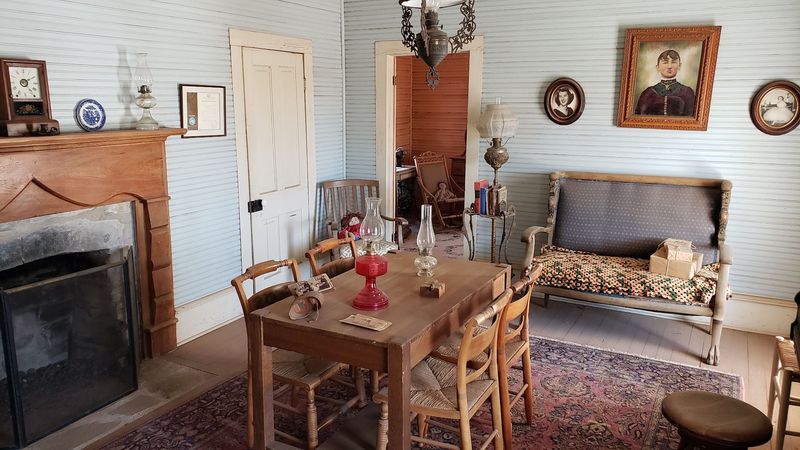
Holiday traditions take a historic turn each December. During the Christmas season, actors appear in the old buildings to show how the holiday might have been celebrated long ago.
The houses and cabins are decorated with candles and other period-style decorations. The event gives the grounds a special atmosphere that local families look forward to.
For many households in Lubbock, it has become a seasonal tradition. Returning each year adds a new layer to familiar buildings.
The event shows how the museum keeps history active rather than static. Seeing people in the homes helps explain daily customs in a memorable way.
Dates and details can change, so checking the official website before planning a holiday trip is wise.
December may be the most charming time to see these old homes come back to life.
Who Gets the Most From a Visit
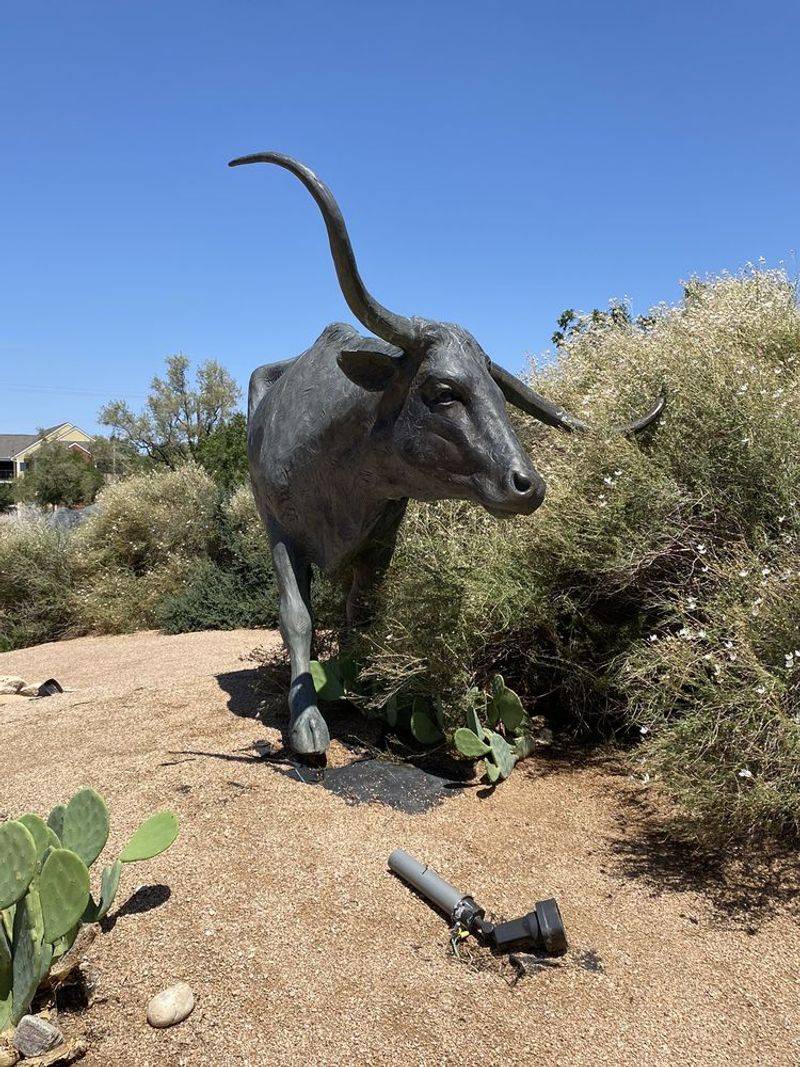
Few museums please a 10-year-old and a western history scholar on the same afternoon. This one manages it.
Families make up a big share of the crowd, and kids of different ages stay interested. Teens and younger children alike find something to explore.
Adults with a love for cowboy culture, ranching, or farming heritage get plenty of depth. People raised in small western towns often feel a personal connection to the stories.
Students in Texas history classes may recognize lessons in real form. That link between classroom and grounds makes the trip educational without feeling like homework.
Solo explorers have fun too. Weekday visits, such as a Thursday, can be quiet, offering plenty of space to roam.
Out-of-state guests often count it among the best attractions in Lubbock.
Hours, Admission, and Packing Smart
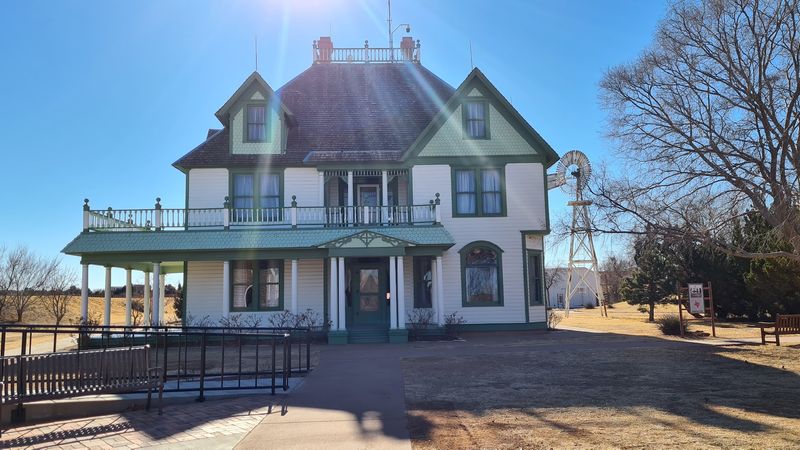
Here is welcome news for any budget. Admission is free, and donations are accepted.
The center opens 10 AM to 5 PM Monday through Saturday. On Sunday, hours run from 1 to 5 PM.
Free parking is available.
Time on site varies widely. A quick look might take about an hour, while most groups spend two to three hours, and some stay five hours or more.
Since much of the collection is outdoors, weather matters. A hat, sunscreen, and water are smart additions to any bag.
Windy days may close some building interiors, so calmer days offer the fullest experience. Indoor galleries remain a good fallback.
The gift shop has friendly staff, though prices run a little high. A guest book is also available for signing.
For current details, the official site is ranchingheritage.org.
A Trip Worth Taking Twice
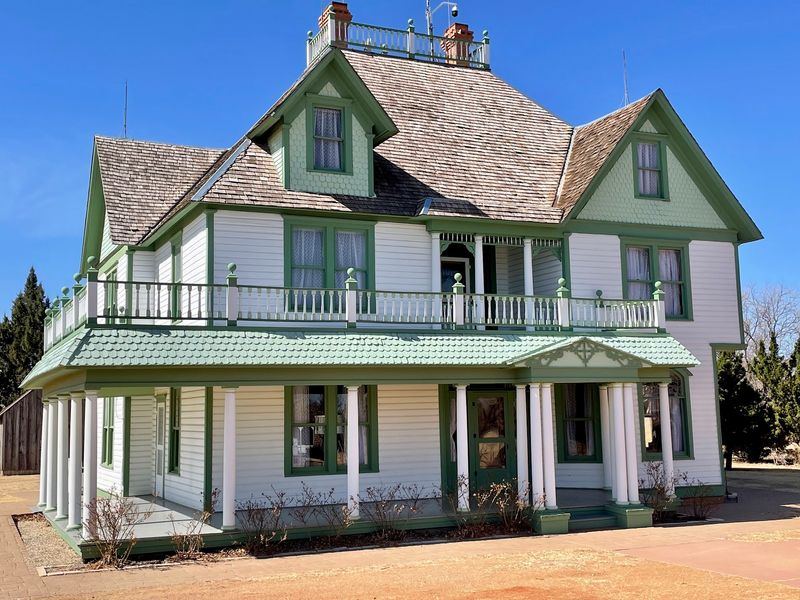
Some places get a single visit. This one tends to earn a second, and sometimes the next day.
The appeal comes from a balanced mix. Restored buildings, narrated trolley rides, detailed galleries, and a kid-friendly cow dog all share one address.
Free admission removes the main barrier. That leaves only the question of how much time to set aside.
Former Lubbock residents returning years later have been surprised at how much they missed. Newcomers often plan their next trip before leaving the parking lot.
The museum shows ranching as more than a cowboy legend. It presents real homes, real communities, and real effort on the plains.
With more than 50 old buildings waiting along the trail, this time machine runs on curiosity and a good pair of shoes.