Begin with the practical decision
A family suitcase should close according to its intended design without becoming a wrestling match before every move. Check the closure with the actual packed contents, then reduce or rearrange the load when necessary. A new strap or a harder push cannot resolve every problem created by an unsuitable packing arrangement.
Read the case's actual requirements
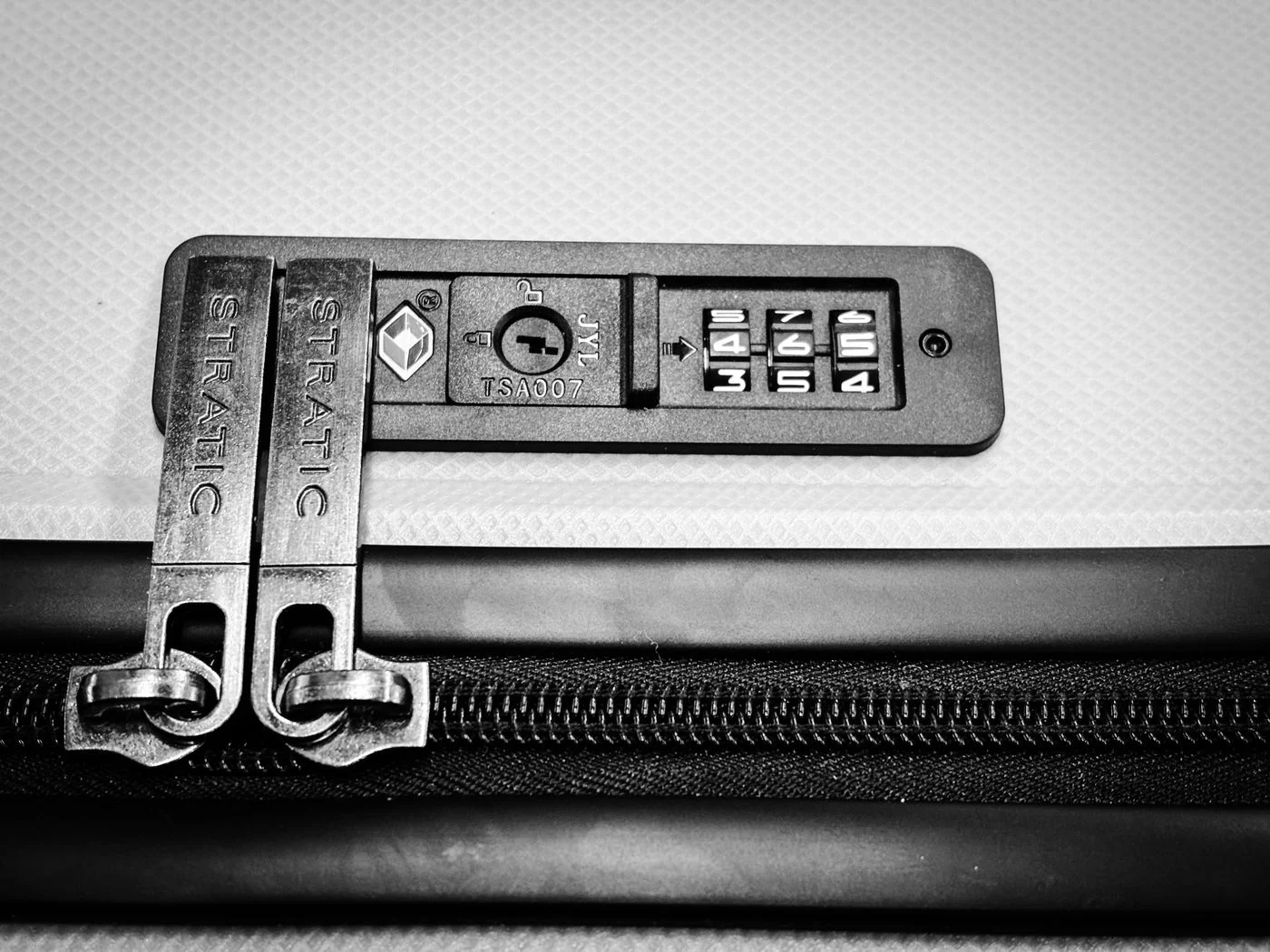
Check the manufacturer's instructions, capacity, care, and any specific closure or lock guidance. Inspect the case for damage before relying on it. A zipper, latch, or integrated lock may have particular operating requirements, and a similar-looking case may use a different mechanism.
Follow current provider and official requirements for baggage and security. Do not assume a lock design establishes compatibility with every journey. Keep necessary access to the case with the responsible adults and protect any code or key appropriately rather than giving the child an unsuitable responsibility for the family's luggage.
Pack the real family selection
Use clothes and belongings tied to the confirmed trip, including appropriate personal requirements. Test the complete load rather than checking the empty suitcase. Keep fragile, wet, sharp, or otherwise specially handled items within their suitable packing arrangements and relevant transport rules.
Notice where contents interfere with the closure path. A pouch may be caught at an edge, or an unnecessarily bulky item may create pressure. Resolve the actual obstruction instead of forcing the mechanism. If the case is overfilled, remove items through a practical decision about use rather than moving everything into an adult's already-full daypack.
Check access after reopening
Open the case in a suitable setting and retrieve something the family will need early in the stay. Can it be removed without dismantling the whole load? A suitcase that closes once may still be inconvenient when every ordinary retrieval makes the next closure harder.
Our packing cubes for three guide helps keep the search manageable. Cubes organize contents; they do not increase the case's stated capacity or remove transport limits. Use them only where the complete shape and load remain appropriate.
Give closure problems a clear route
If the mechanism is damaged or unreliable, seek the manufacturer's or a suitable repairer's advice. Do not improvise a repair that changes the case's intended function. Consider replacement only through the actual need, the remaining journey, and the full carrying requirements.
The family carry-on packing guide helps keep the larger luggage decision connected to what both adults can appropriately manage. A case that holds more is not automatically easier when the family must move it through the whole route.
Should the child help press the case closed? Avoid making force or an unsuitable task part of packing. The responsible adult should follow the product's instructions and address the load or condition. A comfortably usable closure is evidence of a workable arrangement; a dramatic final squeeze is a reason to reassess it.
Official sources and planning checks
Details can change. Confirm dates, accessibility, booking conditions and current charges directly before making a purchase. Sources checked 2026-10-15.
Keep planning together
Use the family trip checklist to organize documents, packing and reservations. Our family stay guides explain room and booking tradeoffs.