Give every bag a job
Two adults, one child, three boarding passes, and several bags can become awkward long before the aircraft door. Carry-on packing works best when each bag has a clear role. One adult manages the main clothing case, the other carries the shared essentials, and the child carries only something they can realistically handle through the whole terminal.
Start with the journey's hardest moment. It might be stairs at a railway station, a security queue, a shuttle bus, or an apartment without a lift. If the adults cannot manage all the bags while helping the child, the packing plan depends on luck. Reduce the number of separate objects before searching for a clever new suitcase.
Check the ticket before shopping for luggage
Cabin allowances depend on the operating airline, fare, and route. Check the official conditions attached to each flight, including any partner-operated segment. British Airways publishes a family baggage page; use it as a source for a British Airways journey rather than as a rule for every airline. Measure the bag including protruding parts as the relevant carrier instructs.
A retailer's cabin-approved label is not a universal permission slip. Compare the packed dimensions and weight with your own ticket conditions. Expandable cases can become too large when expanded. A child-sized case may consume an allowance while carrying surprisingly little, and it may still end up in an adult's hand.
| Bag style | Useful feature | Tradeoff |
|---|---|---|
| Wheeled case | Easy movement on smooth floors | Awkward on stairs or cobbles |
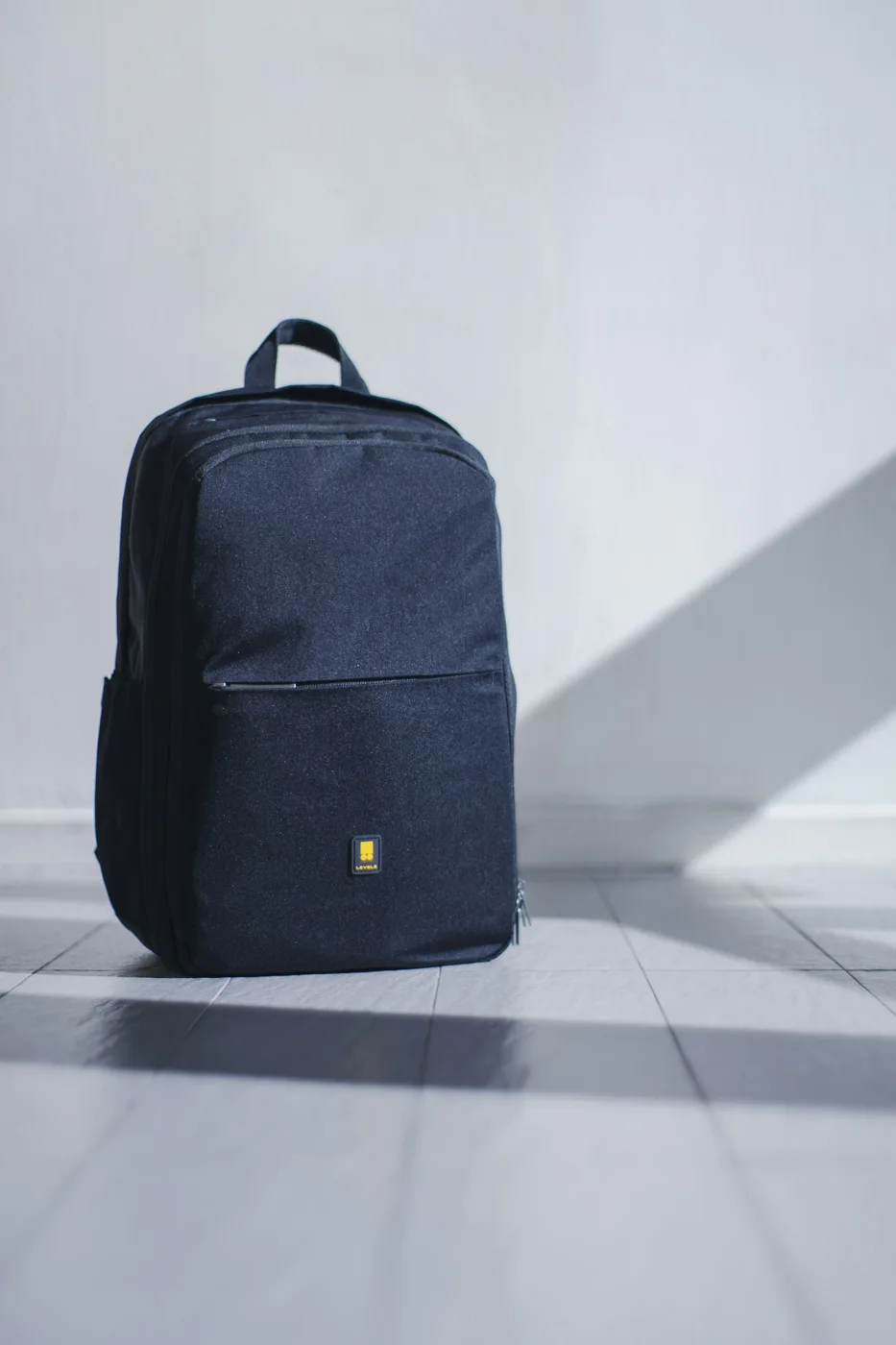
| Travel backpack | Hands available for assistance | Weight rests on the wearer |
| Soft duffel | Flexible packing shape | Can become uncomfortable to carry |
Separate essentials from ordinary clothes
Keep documents, necessary personal items, valuables, a practical change of clothing, and the things you need during the journey accessible. Airline staff may need to place a cabin bag in the hold on some flights; organize your essentials so they can be removed quickly. Follow the airline and airport's current instructions for batteries, liquids, and other restricted items.
For clothing, build outfits that work together rather than a different costume for every photograph. Count actual days between laundry opportunities. One comfortable extra layer can cover cool terminals and evenings without requiring three bulky alternatives. Put the child's changes where they can be reached without emptying the adults' neatly packed case.
Our packing-cube guide compares organization methods. Cubes can make belongings easier to locate, but they do not change the airline's weight limit or create permission to bring an oversized bag.
Test the handover at home
Pack the bags, zip them, and perform a short rehearsal. Walk to the end of the street, lift each bag, and simulate holding a child's hand while checking a reservation. Include the coats and water bottles you will actually carry. A case that feels manageable in a bedroom may be irritating when another adult also needs help.
Use the trial to identify purchases with a real purpose. A luggage scale is useful if weight is a meaningful constraint. A replacement backpack is justified when the current one fits poorly under the expected load. Matching bags, elaborate labels, and extra organizers should compete against the simpler choice of packing less.
Budget with the full trip in mind. Three small cabin bags might cost more than a checked case once fares and add-ons are compared. Carry-on-only is a method, not a measure of travel skill. If a checked bag makes the journey easier and fits the budget, calculate that option honestly.
Questions before closing the zipper
Should the child have their own case? Only if they can manage it and its allowance makes sense. Give them responsibility for a light activity pouch before assuming they need a rolling suitcase.
Where should the shared day bag go? Choose the adult who can wear it comfortably, and agree what the other adult carries. Our daypack guide covers access and load division for three travelers.
What should we remove first? Duplicate items, bulky clothing with only one unlikely use, and purchases intended to solve a problem you do not actually have. Keep a written final list so the next trip begins with evidence from your own household rather than a bigger shopping basket.
Official sources and planning checks
Details can change. Confirm dates, accessibility, booking conditions and current charges directly before making a purchase. Sources checked October 10, 2026.
Keep planning together
Use the family trip checklist to organize documents, packing and reservations. Our family stay guides explain room and booking tradeoffs.