
Affiliate disclosure: As an Amazon Associate I earn from qualifying purchases. Learn more
Tucson can sit at 100 degrees while a mountain town just up the road stays near 50. That gap is not a typo, and it is only about an hour of winding road away from the city.
Arizona locals have a peak in their own backyard that starts in saguaro country and tops out in pines, aspens, and sometimes snow. Keep reading to learn about the drive, the trails, the tiny village near the top, and the smart tips that make a trip up there go smoothly.
A 9,159-Foot Peak Above Summerhaven
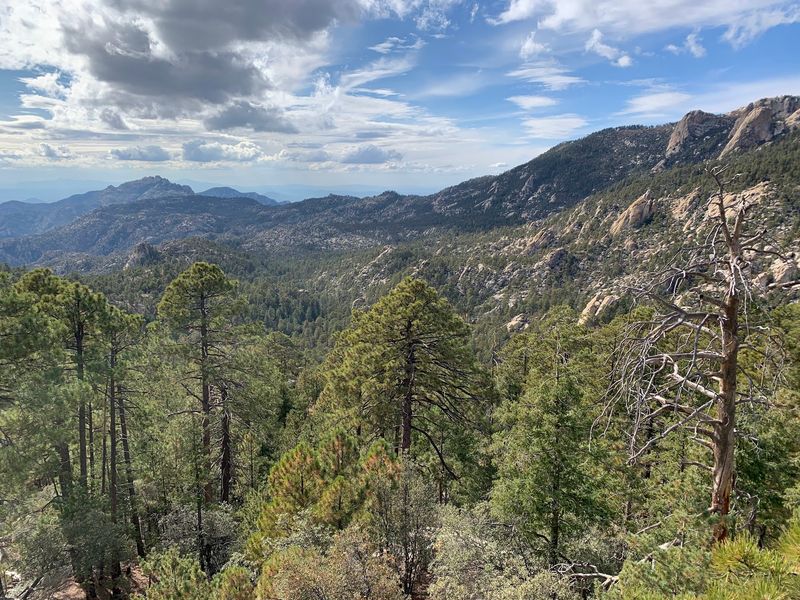
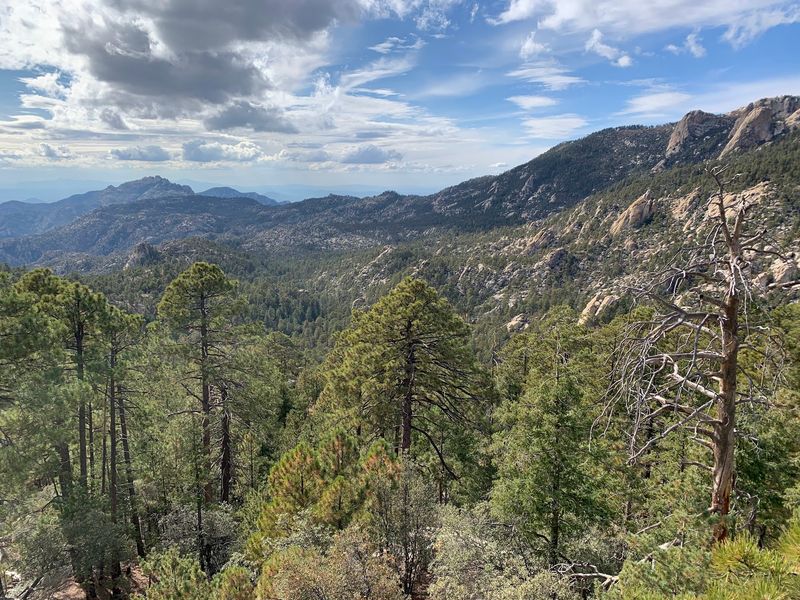
Southern Arizona has its own high-country hideaway, and it sits just above Tucson. Mt Lemmon rises to 9,159 feet, with its mountain community listed as Summerhaven, AZ 85619, United States.
The peak is part of the Santa Catalina Mountains, the range that forms Tucson’s northern skyline. For many residents, it is the mountain they see every day without always remembering how different life is at the top.
Mt Lemmon is known as a year-round destination. Summer brings hiking and camping, while winter can bring alpine sports and snow days that surprise newcomers to the desert.
People rate the mountain very highly, and the reasons come up again and again. The scenic drive, the scenery, the temperature drop, and the pine trees lead the list of what people love most.
It is also a place with range. One trip can include a desert overlook, a forest trail, a stop at a small shop, and a view over the whole Tucson valley.
Summerhaven serves as the little hub near the top. It is close to the peak, and for most people it marks the point where the drive turns into a real mountain getaway.
So how does a desert city end up with a pine forest this close? The answer starts with one very memorable road.
The Catalina Highway Climb
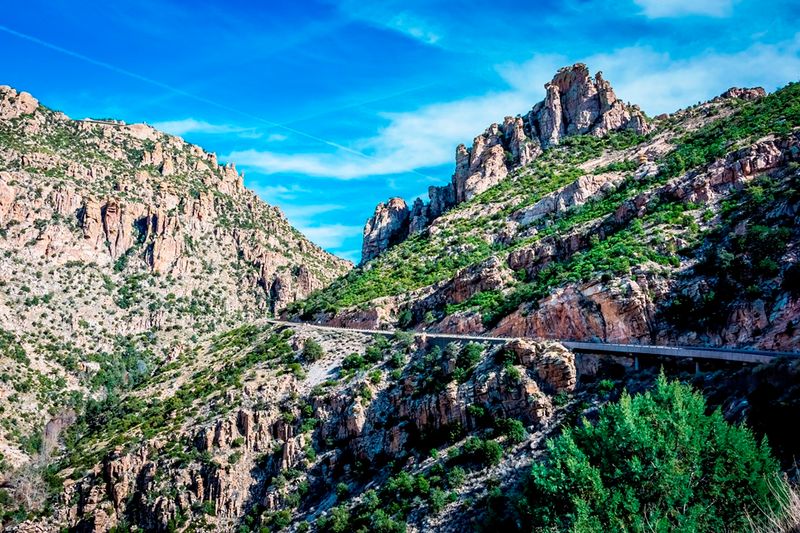
Some roads are just a way to get somewhere. The Catalina Highway is the main event for a lot of Mt Lemmon fans.
The route climbs steadily out of Tucson with winding curves and big elevation changes. A few switchbacks and steep stretches keep drivers alert, but guardrails line the way.
The trip to Summerhaven takes about an hour from the bottom of the mountain. Many people describe the drive as manageable rather than nerve-wracking, which is good news for anyone who avoids cliffside roads.
What makes the highway special is how often the scenery shifts. The landscape on the way up looks very different from the landscape on the way down, so the return trip rarely feels like a repeat.
One East Coast traveler from North Carolina ranked this drive above the Blue Ridge Parkway back home. That is a big compliment for a road that many Tucson residents treat as a weekend errand.
Passengers tend to have the best seat in the house. Drivers should keep their focus on the curves and let the pull-outs do the sightseeing work.
Fun fact for road-trippers: plenty of people call this one of the highlights of southern Arizona, and they are talking about the drive alone. The mountain itself has not even shown up yet.
From Saguaros to Aspen Groves
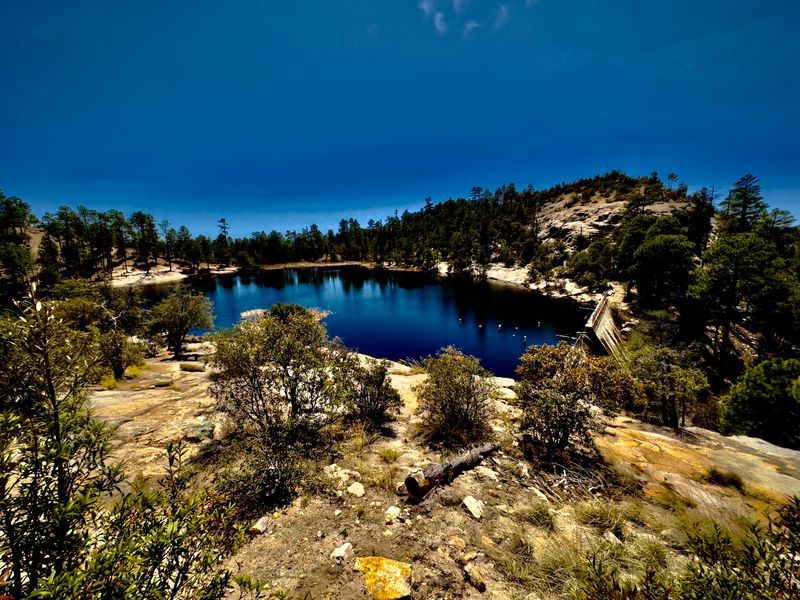
Few drives in Arizona pack this many landscapes into one morning. The base of Mt Lemmon is classic Sonoran Desert, complete with saguaros and other cactus.
As the road climbs, the plant life changes in clear stages. Scrubby slopes give way to taller trees, and before long the hills are covered in pines.
Near the very top, aspen trees join the mix. For a place that starts among saguaros, that is a remarkable finish.
Plenty of people say the upper mountain resembles the Sierra foothills or even the Rockies. Others simply call it a slice of desert and a slice of forest in the same trip.
The shift happens gradually, so it pays to watch the roadside rather than the phone. Each few thousand feet brings a new set of trees and rock formations.
For Arizona locals, this may be one of the easiest ways to show out-of-town guests that the state is not only sand and cactus. It is also a handy lesson for kids who think deserts stay flat and brown forever.
The best part is that no passport or long flight is involved. The whole transformation happens within reach of a Tucson zip code, which makes the mountain feel like a secret hiding in plain sight.
Windy Point and the Art of the Pull-Out
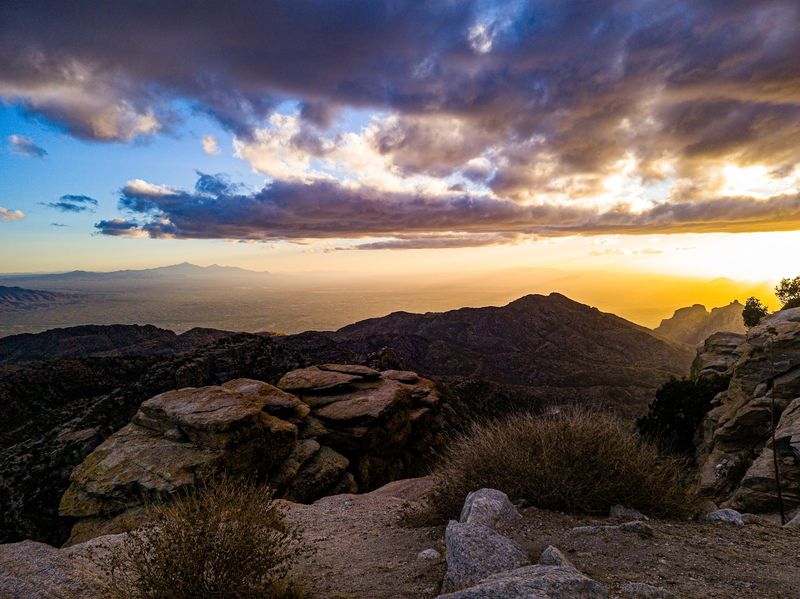
Patience pays off on this mountain, mostly in the form of parking spots. The highway has a generous number of pull-outs and small lots built for stopping and taking in the view.
Windy Point Vista is the stop that comes up most often. It sits about halfway up the mountain and is widely considered a must.
The overlook offers wide views across the valley and plenty of spots for photos. The name is honest, too, so hats and loose items deserve a firm grip.
Other pull-outs are scattered along the road. Some are quick photo stops, while others give enough room to stretch, explore a bit, or just sit for a few minutes.
Many people mention feeling like they were on top of the world at these overlooks. It is a common reaction once the city starts to look very small below.
A smart plan is to pick a couple of pull-outs on the way up and a different set on the way down. The lighting and angles change, so the second pass rarely looks the same.
There is no prize for driving straight to the top without stopping. On Mt Lemmon, the pauses are part of the point, and Windy Point makes a strong case for slowing down.
Tucson’s Built-In Air Conditioner
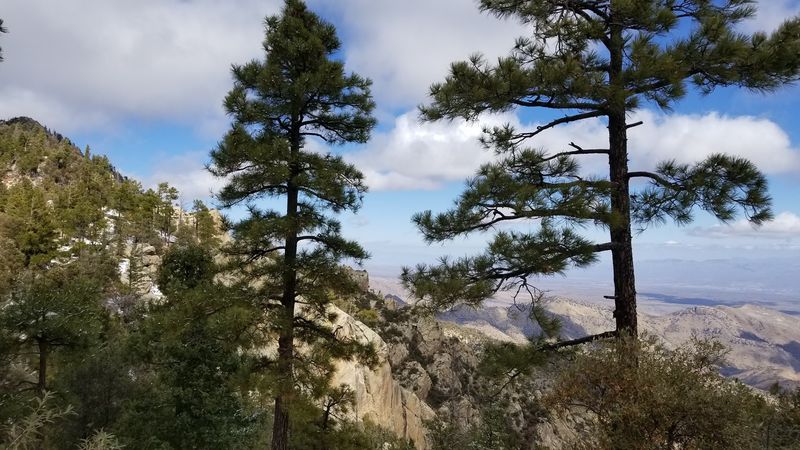
Here is a number that gets attention: 100 degrees at the bottom and about 50 degrees near Summerhaven, recorded during one late spring trip. That kind of swing is why so many locals head uphill when the valley heats up.
Temperatures near the top usually run at least 10 to 20 degrees cooler than Tucson. The difference can be even bigger on some days, depending on the season and time of day.
This makes the mountain a popular escape for people from both Tucson and Phoenix. Some make it a day trip from Scottsdale just to trade the heat for pine shade.
The temperature drop is one of the most talked-about parts of the whole experience. It shows up again and again as a reason to make the drive during summer.
The upper mountain can also get quite windy. That adds to the chill, especially at exposed overlooks and near the summit.
For Arizona residents who spend July dodging hot car seats, the idea of needing a sweater is almost funny. Yet that is exactly what many people wish they had packed.
So the lesson is simple. Dress for Tucson at the bottom, then bring layers for a very different climate at the top.
Trails for Every Kind of Hiker
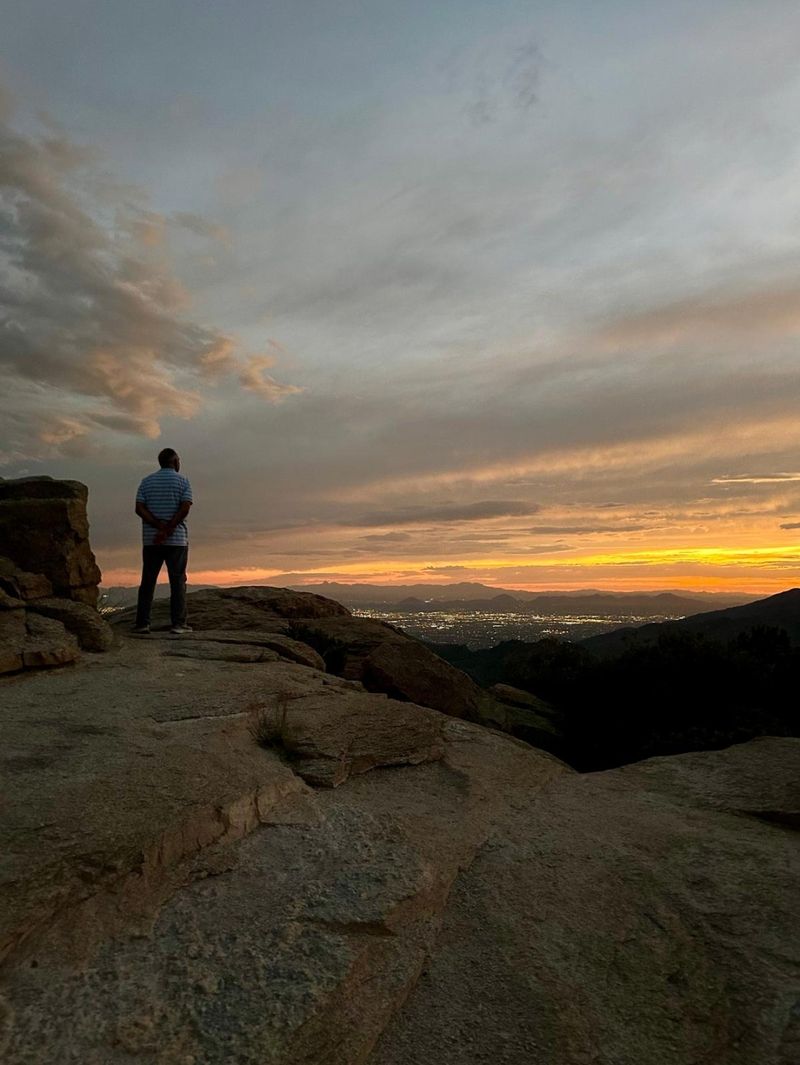
Lace-up season never really ends on Mt Lemmon. The mountain is known for a large number of trails, which means hikers rarely run short of options.
Some routes suit people who want a slow, relaxing walk rather than a workout. These easier paths make the mountain a solid pick for family outings.
Other trails give more experienced hikers a chance to explore farther. With so many elevations to choose from, a hike can be planned around the weather as much as the scenery.
The higher trails wind through pines and cooler air in summer. Lower sections stay closer to desert terrain, so the same mountain can offer two very different hikes.
Many people rank the trails among the mountain’s biggest strengths. Nature, peace and quiet, and plenty of things to see come up often when people describe their hikes.
A good approach for first-timers is to start with a shorter trail near a pull-out or near Summerhaven. After that, it becomes easier to decide whether a longer outing sounds appealing.
Water, sturdy shoes, and an extra layer are smart additions to any pack. With wind and changing temperatures, the mountain rewards hikers who plan a little and wander a lot.
Campsites, Fishing Spots and Climbing Rock
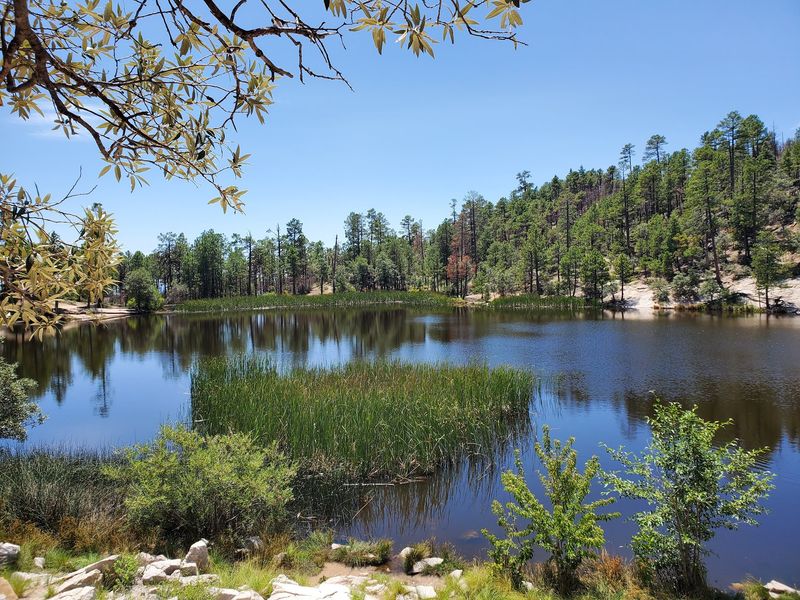
Hiking gets most of the headlines, but it is only one chapter of the Mt Lemmon story. The mountain also supports camping, fishing, and rock climbing.
Summer camping is a big draw, largely because nights at elevation are far more comfortable than nights in the desert. For many Arizona families, that alone justifies packing the tent.
Fishing is also on the menu for those who want a slower pace. It adds a quieter activity for anyone who would rather sit near the water than climb a ridge.
Rock climbers have their own reasons to make the drive. The rocky terrain along the mountain offers routes and formations that attract climbers from around the region.
Having these activities in one place means different people in a group can find something to do. One person can climb while another fishes and a third simply reads under the trees.
Some people keep it even simpler. They drive up, spread a blanket under the pines, and spend a few hours in peaceful downtime.
That kind of flexibility is part of what keeps the mountain in regular rotation for locals. There is no single correct way to spend a day up here, and that freedom is a feature rather than a flaw.
Snow Days in the Sonoran Desert
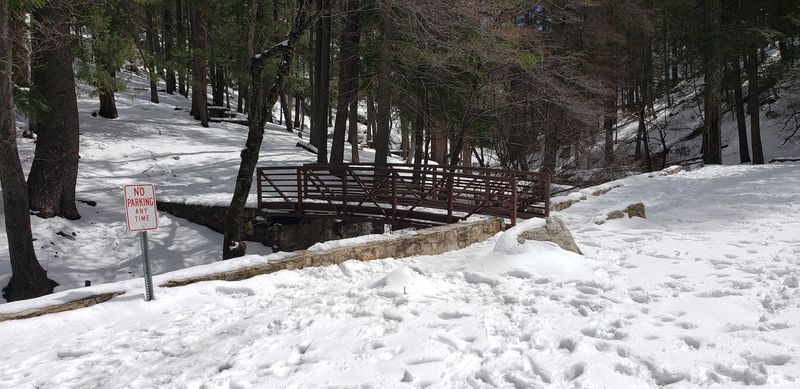
Ask a friend from out of state whether Tucson has a ski lift, and the answer will probably be a confused look. Yet Mt Lemmon does, and it is one of the mountain’s quirkiest claims to fame.
In winter, snow often falls on the upper mountain. That opens the door to alpine sports along with occasional skiing and sledding.
The ski area sits near the top, and the ski lift is a popular stop even outside snow season. Many people recommend checking it out while visiting Summerhaven.
Snow depends on the weather each year, so skiing is more of an occasional bonus than a guarantee. Still, a snowy trip up the Catalina Highway is something many Tucson families treasure.
The contrast is the real attraction. A drive that begins among cactus can end in a winter scene, all within about an hour.
Winter trips call for extra care on the road and warm clothing at the top. Conditions can change quickly at high elevation, so it is wise to check the weather before heading out.
For Arizona kids, a first sled run on their own home mountain can become a lasting memory. Not many desert cities can offer that kind of weekend plan.
Small-Town Stops in Summerhaven
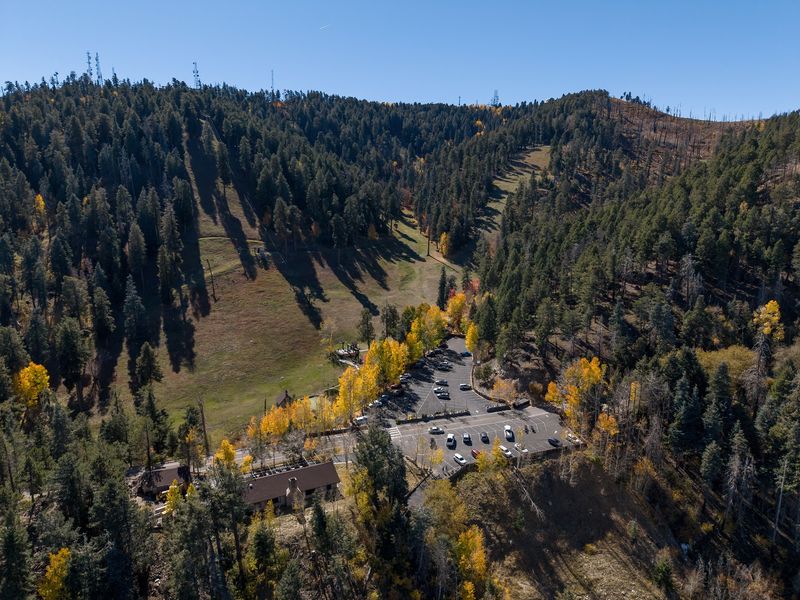
Every good mountain trip needs a home base. On Mt Lemmon, that role belongs to Summerhaven, the small community near the peak.
The village has a few shops that are easy to browse. Gift shops offer souvenirs, and they can also come in handy for anyone who forgot a sweater.
There are a couple of restaurants near the top, which gives groups some variety. The Cookie Cabin is a well-known stop that many people treat as a required part of the trip.
Cabins are available for rent in the area. That makes it possible to stretch a day trip into a longer mountain stay.
The little towns along the way have their own charm, too. Many people mention how friendly everyone seems during the drive and around the village.
For locals, Summerhaven can serve as a natural turnaround point. Some people drive to the village, explore for a while, and head back down without going all the way to the summit.
Even at the village level, the views are strong and the weather is noticeably milder. It is a relaxed place to regroup before the next adventure, whether that means a trail, a ski lift ride, or the long scenic trip home.
Monsoon Skies and Golden-Hour Views
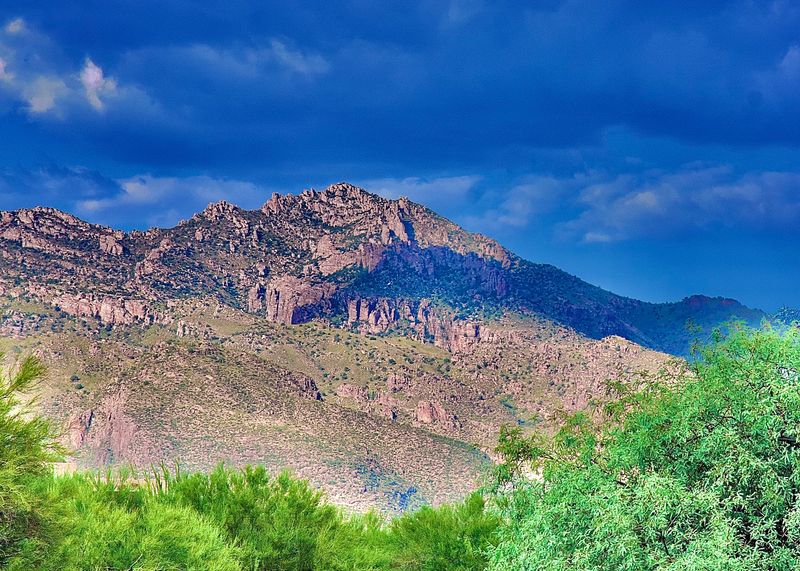
Timing can turn a nice trip into a memorable one. On Mt Lemmon, sunset and storm season both change the show in a big way.
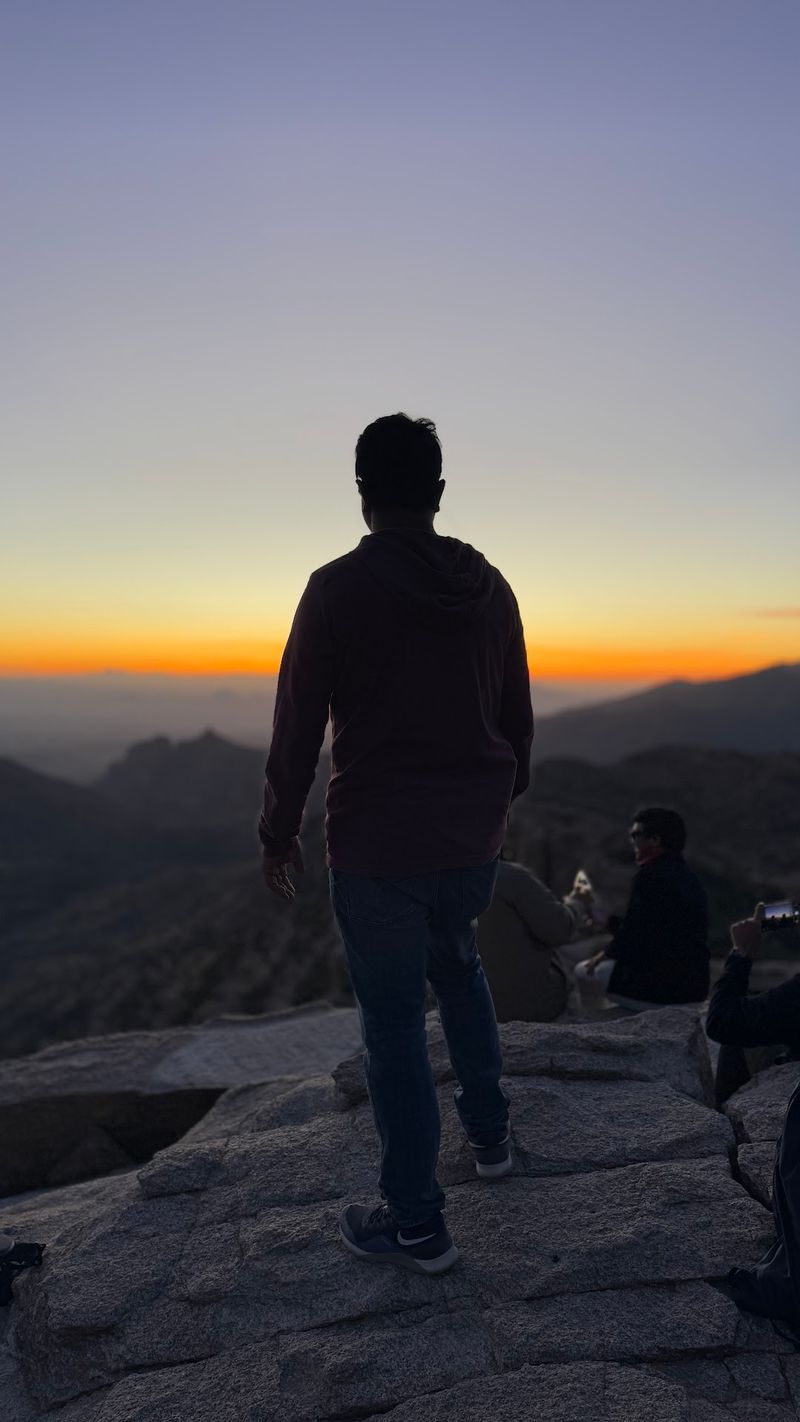
Sunset views are a favorite topic among mountain fans. The overlooks give a wide stage for evening color across the valley and surrounding ranges.
During monsoon season, the mountain becomes a front-row seat for Arizona weather. Dark clouds, rain showers, and lightning over the valley are part of the draw for some people.
Watching a storm from a safe distance can be one of the most dramatic parts of summer in southern Arizona. The high vantage point makes it easier to see weather moving across the landscape.
Safety matters here, though. Lightning is a real risk at high elevation, so it is smart to stay near a vehicle and avoid exposed spots when storms get close.
Roads can also get slick during summer rain. Slower speeds and extra space between cars help keep the drive calm.
For many locals, monsoon season and golden hour offer a fresh reason to visit a mountain they already know well. The same overlook can look completely different from one evening to the next, and that keeps people coming back.
Sharing the Road with Cyclists
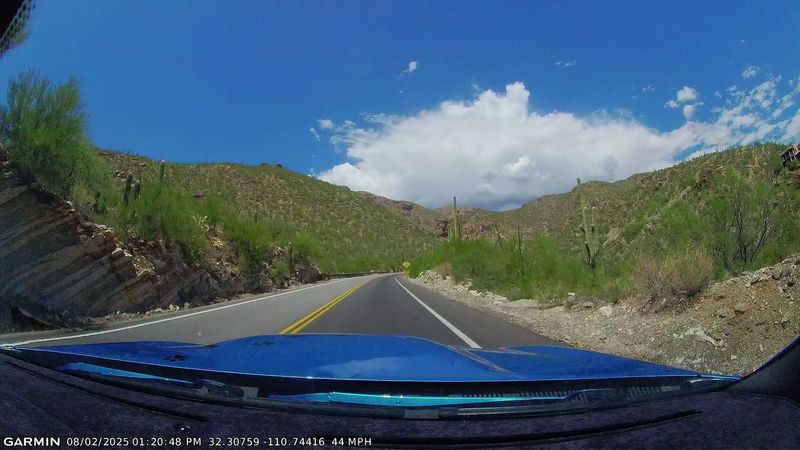
Cars are not the only ones climbing the Catalina Highway. The road is a major draw for cyclists, who tackle the long climb solo or in small groups.
That popularity can create some congestion. On tight curves, there are stretches where passing a rider safely simply is not possible.
The best move is patience. Waiting for a clear, straight section keeps everyone safer and takes only a few extra minutes.
The same courtesy goes for slower cars. Pulling into a turnout to let faster traffic pass is a small gesture that many drivers appreciate.
Some drivers enjoy the winding road for its own sake. Still, the mountain is shared by families, sightseers, riders, and hikers, so a calm pace fits the setting best.
Weekends tend to bring more traffic of all kinds. Those who prefer a quieter drive may want to consider an earlier start.
A little road etiquette goes a long way on this route. The drive is meant to be one of the best parts of the day, and it stays that way when everyone makes room for everyone else.
Packing Smart for a Big Elevation Swing
Here is a lesson some parents learn the hard way: baby bottles can leak or pop on the drive up because of pressure changes. Sealed containers, including water bottles and snacks, deserve the same caution.
Layers are the next must. With temperatures often 10 to 20 degrees cooler near the top, a jacket that seemed silly in Tucson can suddenly become the most useful item in the car.
Wind is common at the summit and at overlooks like Windy Point. Hats with straps and secure bags make those stops more comfortable.
The drive to Summerhaven takes about an hour, so a full tank and a little extra time are wise. Frequent pull-outs can easily stretch the trip, and that is part of the appeal.
A blanket is a surprisingly handy extra. Some people like to spread one out under the pines for a quiet break.
In winter, snow is possible near the top. Checking weather and road conditions before leaving can save a lot of hassle.
Specific hours and fees are best confirmed before heading out, since details can change by season. A quick check ahead of time keeps the focus on the fun parts of the day.
Why the Mountain Keeps Calling Locals Back
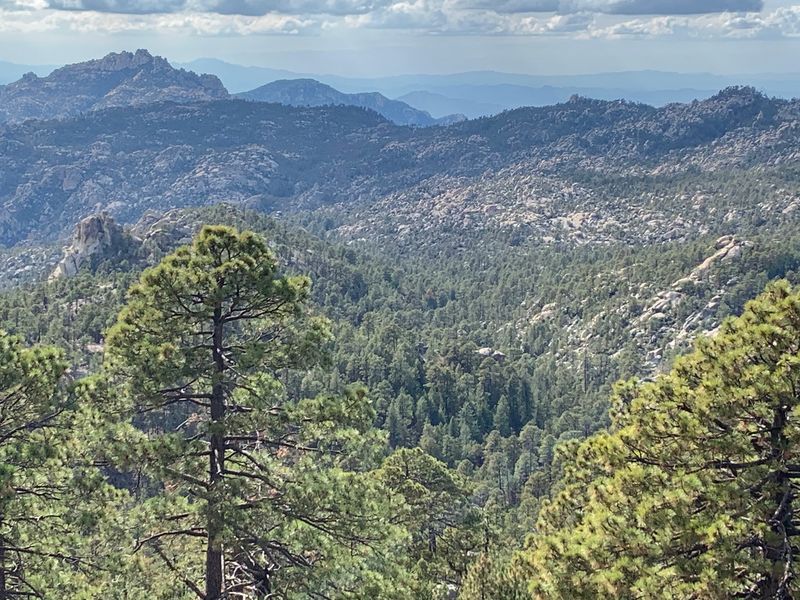
Tucson is lucky, and plenty of residents know it. Few cities can send someone from saguaros to pine forests in roughly an hour.
Mt Lemmon earns its strong reputation through variety. The drive, the trails, the temperature drop, the winter snow, and the small-town stops all add up to a full day or a full weekend.
It works for many kinds of trips. Families can take easy walks, adventurers can climb or camp, and road-trippers can simply cruise from overlook to overlook.
The peaceful atmosphere is a big part of the pull. For some people, the best plan is to find a quiet spot among the trees and enjoy a slower pace.
Arizona locals who have not made the drive in years may be surprised by how much the mountain offers. Newcomers often say they wish they had gone sooner.
The mountain also changes with the calendar. Summer brings relief from the heat, monsoon season brings dramatic skies, and winter can bring snow to a desert city.
So when the valley feels too hot or too familiar, the answer may be sitting on the northern skyline. The pines, the trails, and the long view home will be waiting at the top of the road.