Begin with the plan
A child may enjoy carrying a small bag on a trip, but it should support their participation rather than become a way to divide the adults' load. Choose a modest job and assess the actual fit and contents. The child's age, capabilities, comfort, and any relevant professional guidance matter more than matching the family's backpacks.
Choose the contents before the bag
Start with a few suitable personal items, such as a light activity and a familiar comfort object. Adults should retain appropriate responsibility for essential documents, medication, and other important belongings. Do not make the trip depend on a child remembering every required item independently.
Leave out duplicates that add weight without a clear purpose. A small bag becomes less enjoyable if it is filled simply because space remains. The useful load is one the child can manage appropriately during the actual outing, with suitable adult oversight.
Check fit in ordinary movement
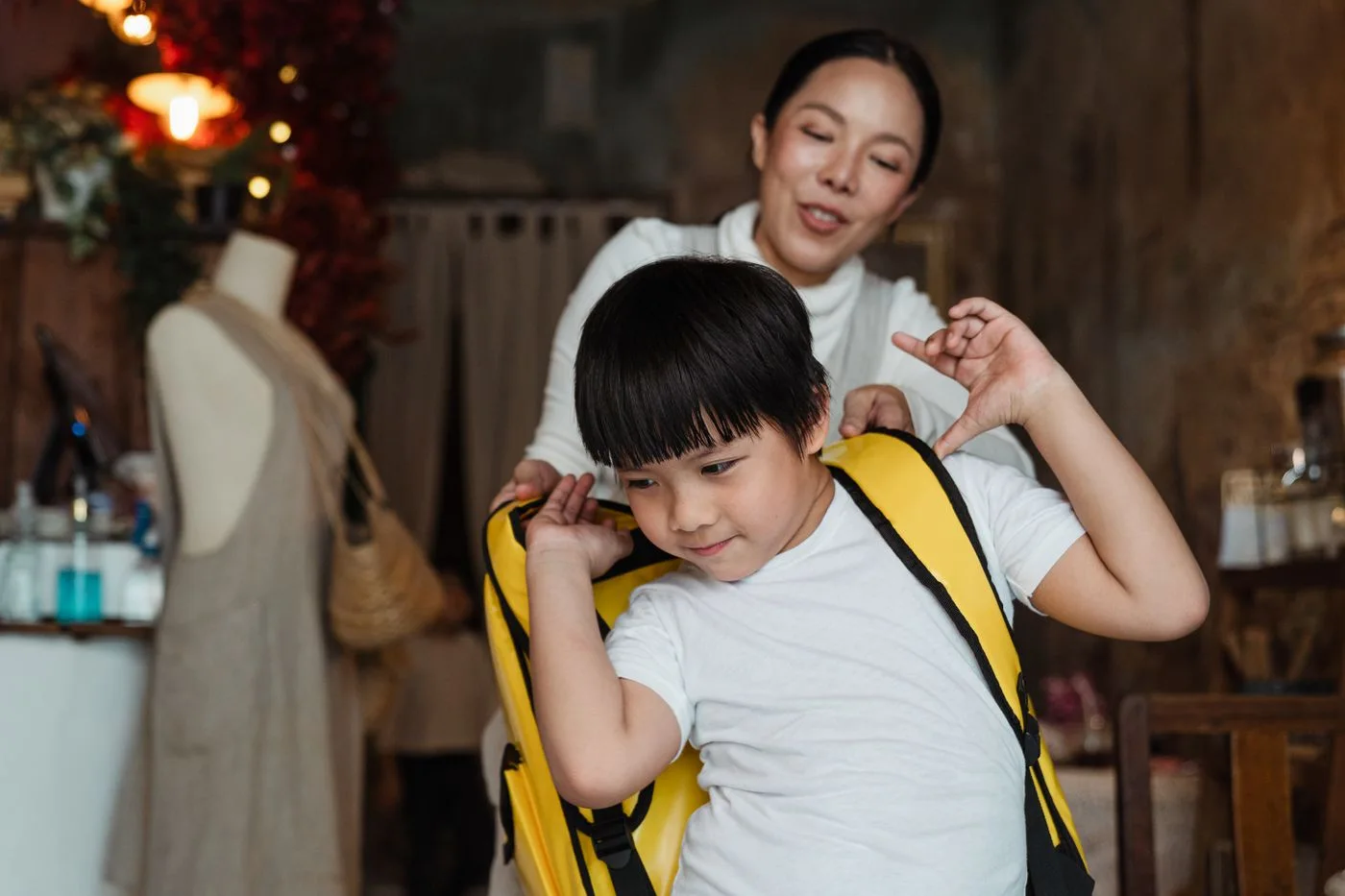
Follow the maker's sizing and adjustment guidance and try the bag with representative contents. Observe walking, sitting, and retrieving an item in a suitable place. Notice slipping, discomfort, or a shape that interferes with movement. Obtain appropriate advice for specific health or access concerns rather than applying a universal weight rule.
Do not judge fit only from a photograph. A bag may look appealing and still be awkward to open or carry. Let the child describe the experience and take that feedback seriously. The bag's role can be smaller if the trial shows that a lighter arrangement works better.
Make ownership recognizable
Choose an appropriate private identification arrangement and a clear visual cue. Follow relevant provider rules where applicable and consider what personal information needs to be displayed. A familiar patch or color can help recognition without putting unnecessary details in public view.
Keep the contents in predictable places and practice returning the activity after use. Avoid a complicated system of miniature pouches. One small compartment and a simple routine may be enough for the chosen job.
Agree what happens when carrying stops
Before leaving, decide how the bag will be managed if the child no longer carries it. The adult's load and route still need to remain manageable. Do not begin a long outing with an arrangement that has no practical fallback.
Keep the conversation supportive. Carrying the bag is not a test of maturity or a promise the child must keep regardless of discomfort. Use the experience to choose a better load or shorter role next time.
Inspect after the outing
Remove food, damp items, and anything needing care through the appropriate route. Follow bag and product instructions for cleaning and drying. Check small personal objects before repacking. A ready bag should not contain an old snack or wet clothing concealed beneath a toy.
Should every child have a backpack? Only if it suits the child and the actual outing. Can the child carry their own water? Assess the complete load and handling appropriately rather than assigning it automatically. What if the bag is mostly empty? That can be entirely suitable for its modest role.
Our family daypack guide considers the adults' shared carrying setup. The family carry-on plan helps keep the larger luggage manageable.
Official sources and planning checks
Details can change. Confirm dates, accessibility, booking conditions and current charges directly before making a purchase. Sources checked 2026-10-14.
Keep planning together
Use the family trip checklist to organize documents, packing and reservations. Our family stay guides explain room and booking tradeoffs.