Begin with the practical decision
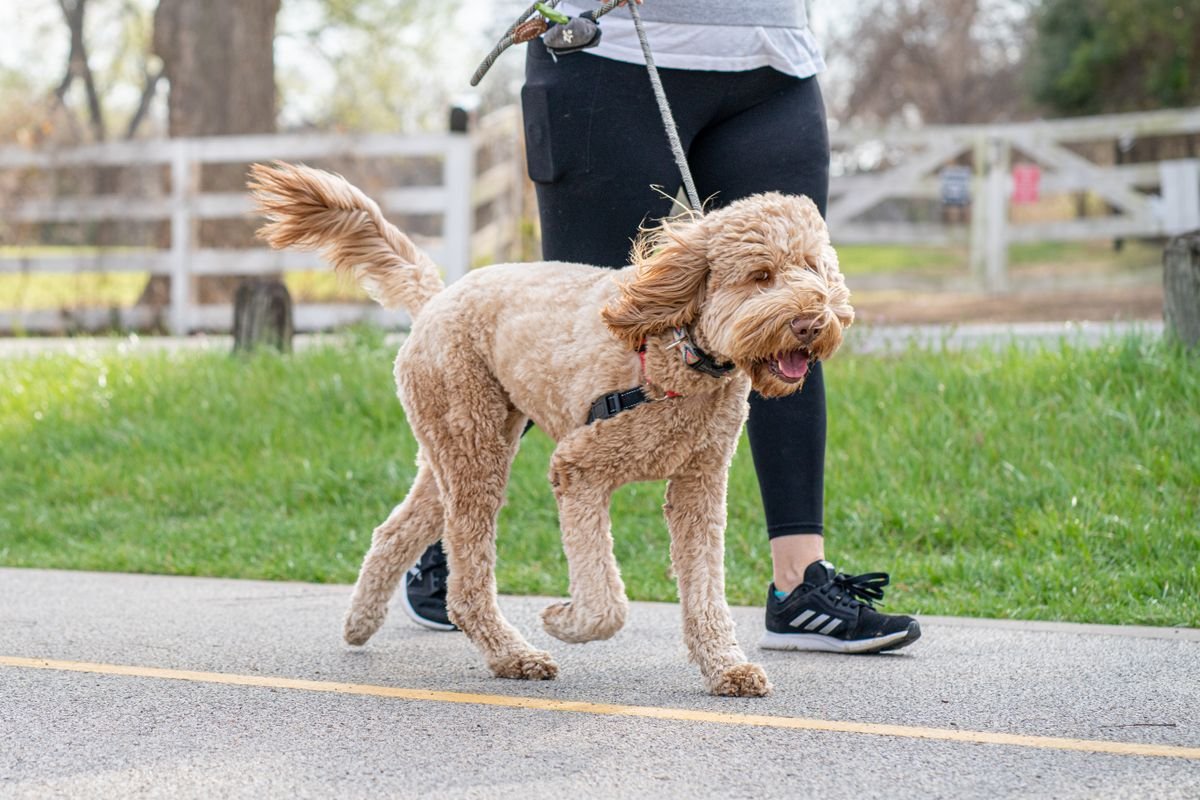
An animal noticed during a family outing does not automatically become an available subject for a child's photograph. Begin with the responsible owner's or handler's permission where applicable and the actual setting's rules. A different picture can remain an enjoyable choice when the proposed activity is unclear or unwanted.
Ask before making a plan around the animal
Keep the request specific and respectful. Explain the intended photograph without assuming that an owner wants to pause their own activity or include their animal in a travel exercise. Accept a no or an uncertain answer without trying to persuade the person that the picture will be quick.
Do not infer an animal's behaviour from its appearance or from a photograph of a similar animal. The responsible adults should assess the situation through appropriate reliable guidance and the owner's information where relevant, rather than treating the child's enthusiasm as a complete reason to proceed.
Keep the child and equipment appropriately managed
Use the camera through its intended instructions and the owner's agreement. The adults should retain responsibility for the child's participation and the actual setting. A picture should not require an improvised interaction, movement into an unsuitable place or a change the animal's handler has not agreed to.
The child photo-story guide supports a modest creative choice during an outing. An animal image can be left out of the story without making the activity incomplete or requiring the family to find another animal to replace it.
Decide what the frame includes
Consider whether the owner, other people or private information would appear along with the animal. A request to photograph one subject should not quietly become a different proposal involving someone else's identifiable details. Ask about the actual frame and intended sharing where appropriate rather than treating a general conversation as permission for every use.
Keep captions grounded in what is known. Do not invent the animal's name, role or history from a brief encounter, and avoid assigning the owner a personal story because it makes the photograph more engaging. A simple description can preserve the memory without unsupported detail.
Leave room to stop or choose differently
Follow the responsible person's current guidance and the location's applicable rules throughout. If the circumstances no longer support the agreed picture, finish the attempt rather than treating the original permission as an obligation to complete it. Another view, object or moment can serve the child's travel record.
The family photo-sharing guide helps keep later publication a separate decision. Review the actual result before sharing it and preserve the agreement relevant to that use. A useful animal-photo conversation respects the people and animal already present, allowing a child's curiosity to remain part of the outing without turning an unexpected encounter into a demand for a picture.
Official sources and planning checks
Details can change. Confirm dates, accessibility, booking conditions and current charges directly before making a purchase. Sources checked 2026-10-18.
Keep planning together
Use the family trip checklist to organize documents, packing and reservations. Our family stay guides explain room and booking tradeoffs.