Begin with the plan
Giving a child a small photography project can change what they notice on an ordinary outing. The useful limit is not perfect technique. It is a simple set of different subjects, appropriate supervision, and a clear point where the device returns to the bag. Five thoughtful frames can be enough to tell the story of a short walk.
Choose a suitable device and boundary
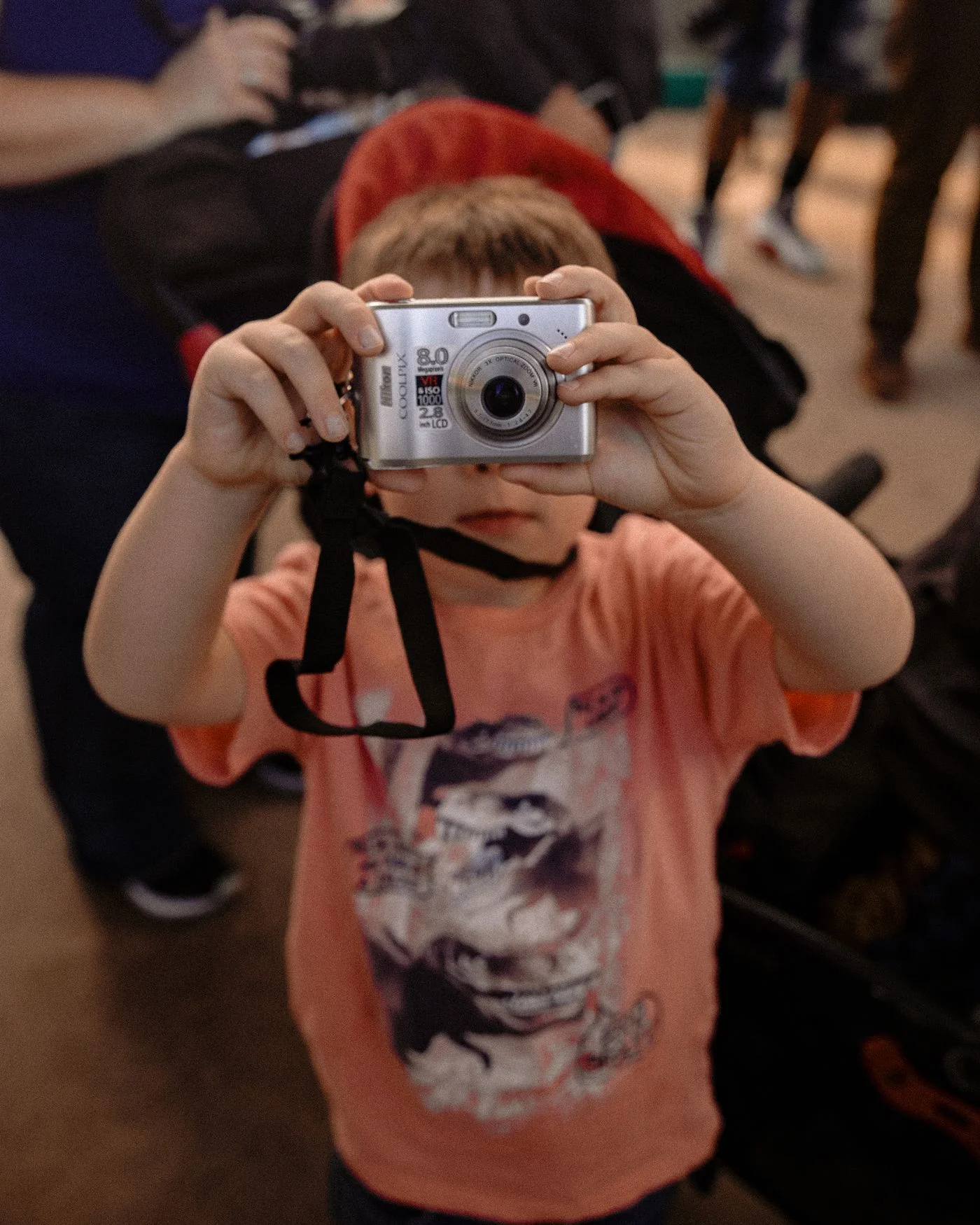
Use equipment appropriate to the child's age and abilities and follow the maker's guidance. Agree where and when it may be used. Adults remain responsible for supervision, navigation, and safe movement. Pause in a suitable place for photographs rather than letting the project distract from roads, water, or difficult footing.
Do not buy a new camera before trying the idea with a suitable existing arrangement. The child may enjoy selecting subjects more than operating equipment, in which case an adult can take the agreed photograph. Participation does not require independent device handling.
Give each frame a different job
Suggest a place, a small detail, something colorful, a picture involving the child or a consenting companion, and an ending. Adapt those prompts to the outing and the child's interests. The sequence should create variety without requiring a particular attraction or a long search.
Ask before photographing people where appropriate and respect refusals and venue rules. Explain privacy in simple terms, including not photographing personal documents or other people's private moments. A travel project is a chance to practice considerate attention as well as composition.
Let the child choose the subject
You can suggest a prompt without deciding the answer. Their colorful detail might be a sign rather than the flower you expected. Ask what they noticed and keep criticism of the image modest. The project belongs to their view of the day, not an adult's ideal holiday album.
Avoid retaking every image until it looks polished. A small adjustment can be useful if the child wants help, but constant correction can turn noticing into a performance. Save a few frames and move on. The family outing should still have room for its original purpose.
Review in a quiet moment
Look at the photographs together later and let the child choose one for each role. Ask for a short caption in their own words. Record it accurately rather than replacing it with an elaborate story. Five images with simple captions can form a small private memory of the trip.
Decide separately whether anything will be shared publicly. Obtain appropriate permissions and protect the child's and other people's privacy. The project can remain entirely within the family. Enjoyment does not depend on posting it or collecting reactions.
Keep the next project smaller if needed
If five frames were too much, choose one subject next time. If the child enjoyed it, let them invent another prompt. You do not need a daily challenge or a complete scrapbook schedule. The activity works best as a flexible way to pay attention.
What if every picture is blurry? Keep the story and offer a simple technique trial only if the child is interested. Must the child appear in a frame? No; choose a privacy-respecting alternative. Should we print the result? A small print or digital album can work if you want one, without turning it into another unfinished project.
Our Paris museum guide helps choose a manageable visit with clear venue rules. The rainy-weekend plan offers another setting for a short indoor or sheltered project.
Official sources and planning checks
Details can change. Confirm dates, accessibility, booking conditions and current charges directly before making a purchase. Sources checked 2026-10-14.
Keep planning together
Use the family trip checklist to organize documents, packing and reservations. Our family stay guides explain room and booking tradeoffs.