Affiliate disclosure: As an Amazon Associate I earn from qualifying purchases. Learn more
A short drive from Bradenton sits a white-columned mansion that predates almost every building around it, quietly holding onto stories from the 1840s. The walls were built from a mixture that included crushed oyster shell, and they have stood the test of time in a way modern construction rarely does.
A guided tour costs just a few dollars, the grounds are free to wander, and the picnic tables under the trees make it easy to linger for hours. This is one of those close-to-home discoveries that history fans in the Tampa Bay area often overlook, and the tale behind it involves high ceilings, clever old sayings, and even a connection to Queen Victoria.
The Address and What You Are Actually Visiting
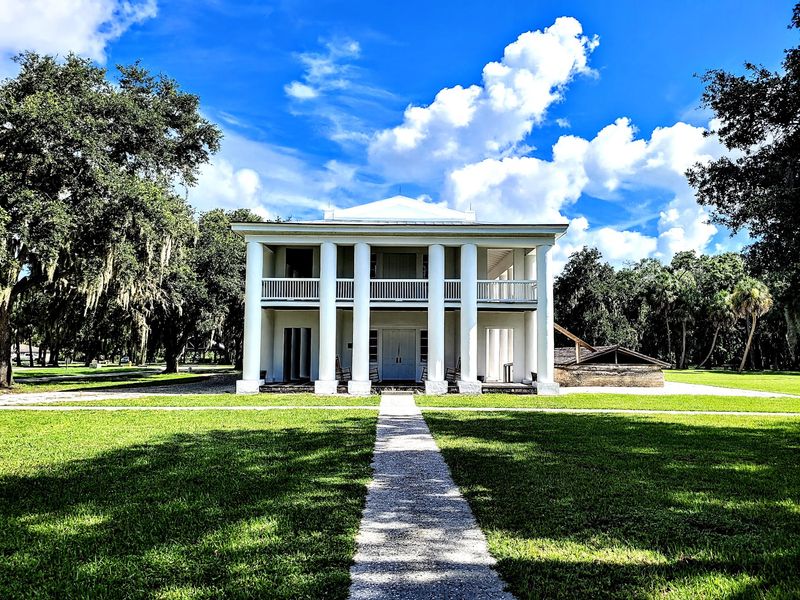
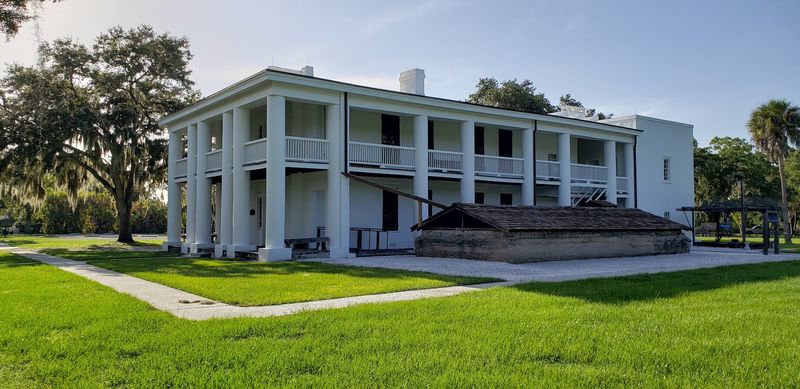
Tucked along US-301 at 3710 US-301 in Ellenton, Florida, this is the Gamble Plantation Historic State Park, and it holds a title few other places can claim.
Billed as Florida’s only surviving plantation home, the mansion dates to around 1840. The grounds surround the house with lush lawns and shade trees.
Access to the park itself costs nothing, and there are no parking fees to worry about. You can pull in, stretch your legs, and explore the property at your own pace.
The main attraction is the antebellum mansion, but the site works as both a state park and a historical landmark. That mix means you can treat it as a quiet outdoor stop or a deeper history lesson, depending on your mood.
Rated 4.5 stars across more than 800 pieces of feedback, the park has built a steady reputation with people who love old homes and regional history. It sits close enough to Bradenton, Palmetto, and the greater Tampa Bay area to make an easy day trip.
The setting feels far removed from the busy highway just beyond the gates, which is part of its charm.
Walls Made With Crushed Oyster Shell
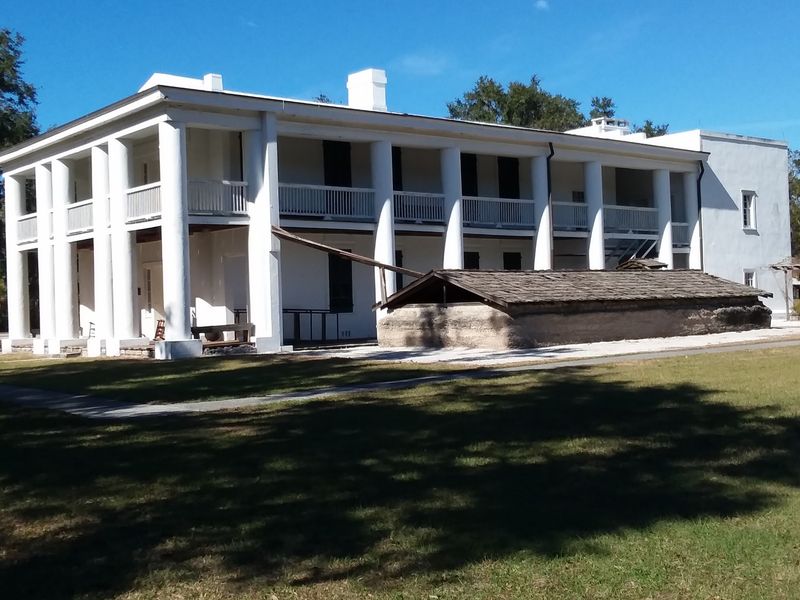
The construction story here is what sets the mansion apart from almost any other home in the state.
Builders in the 1840s used a durable material that included crushed oyster shell, a technique that gave the walls remarkable staying power. That is a big reason the house has survived when so many others from the same era did not.
People who take the tour often come away impressed by just how well the home was put together. The thick walls helped the structure hold up through decades of Florida weather.
Guides tend to explain why the ceilings sit so high, a design choice tied to keeping the rooms comfortable in a warm climate long before modern cooling existed. Little construction details like this turn what could be a dry lecture into a genuinely interesting walk-through.
The building carries the label of an architectural masterpiece for good reason. Every beam, wall, and window frame reflects choices made by people working with the tools and knowledge of their time.
Learning how it all fits together makes the visit feel less like sightseeing and more like uncovering a puzzle from another century.
The Guided House Tour Everyone Recommends
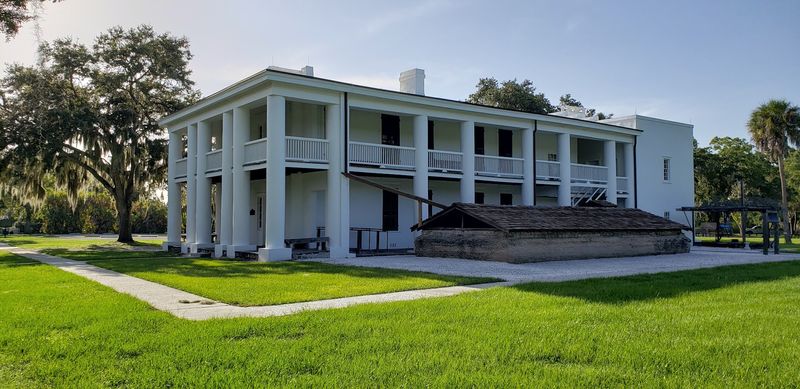
Skipping the tour means missing the best part, and most people who go say the same thing.
The buildings stay closed unless you join a guided walk-through, so the tour is really the heart of the whole experience. It covers the inside of the main building, including both the lower and upper floors.
Led by a park ranger, the tour runs somewhere between thirty and forty-five minutes to about an hour, depending on the group and the questions people ask. The guides earn steady praise for how much they know about the property.
They cover the history of the home, its construction, and the people who lived and worked there. The pacing tends to keep even younger guests engaged, with families noting that kids in their teens and pre-teens did not find it dull.
Because the property has minimal signage, the tour fills in details you simply could not piece together on your own. That is why so many people call it a must rather than an optional add-on.
Show up at a scheduled time, and you get the full story instead of a silent stroll past locked doors.
Guides Who Bring the Past to Life
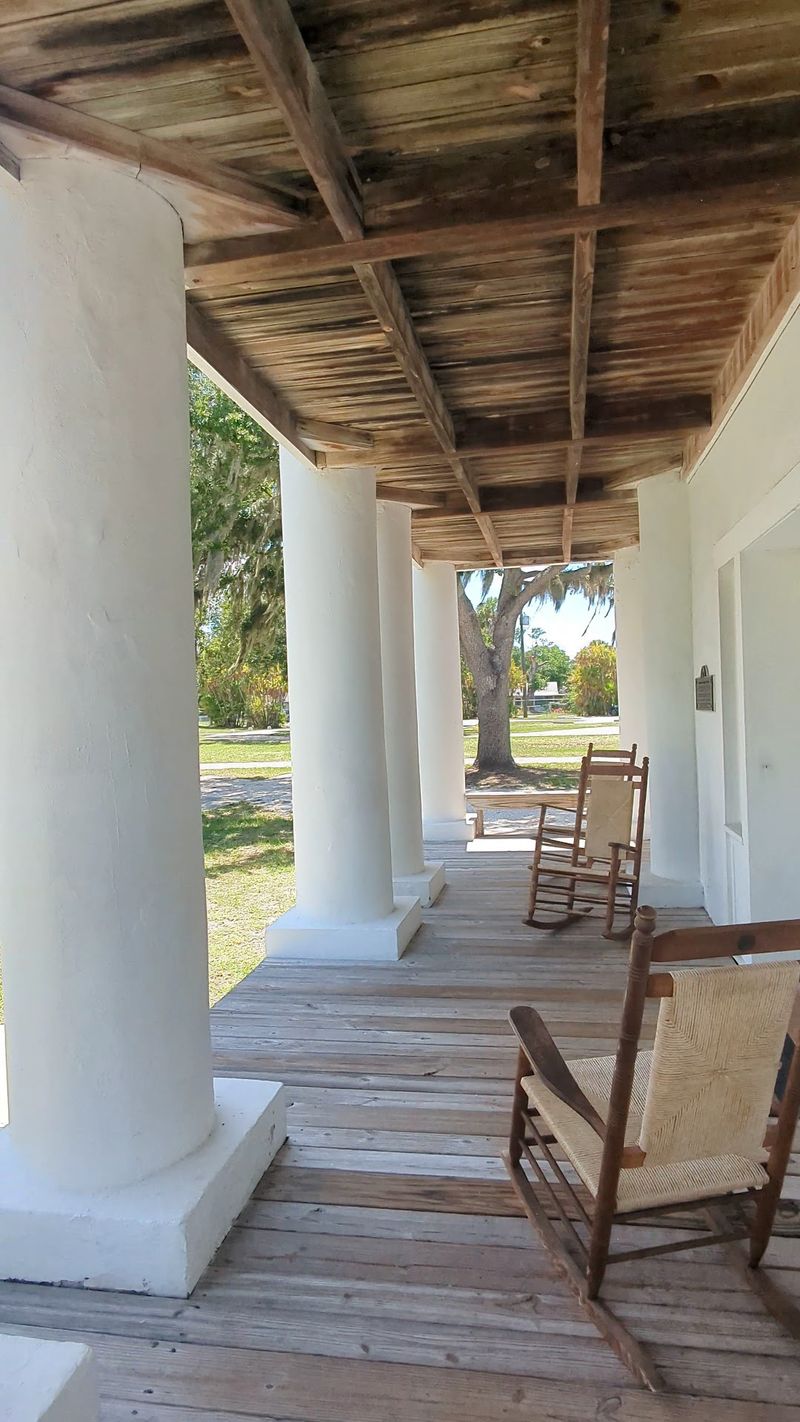
A great guide can turn an old house into an unforgettable afternoon, and that happens often here.
The rangers who lead these tours have clearly given many of them, and their storytelling gets consistent recognition. Their knowledge of the site and the surrounding region draws people back.
One favorite trick is explaining where certain common phrases came from, with the origins of expressions like hushpuppies and a few other old sayings woven into the presentation. It is the kind of detail that sticks with people long after they leave.
Guides stay patient and professional, taking time to answer questions from everyone in the group. Even when the weather runs hot, they keep the energy up and the facts flowing.
Some tours end up being small and personal, and on quieter mornings a family or couple might get the ranger all to themselves. That private feel adds a layer of depth you rarely get at bigger attractions.
The combination of solid history and genuine enthusiasm is what elevates this stop above a standard old-home visit.
The Visitor Center and Its Exhibits
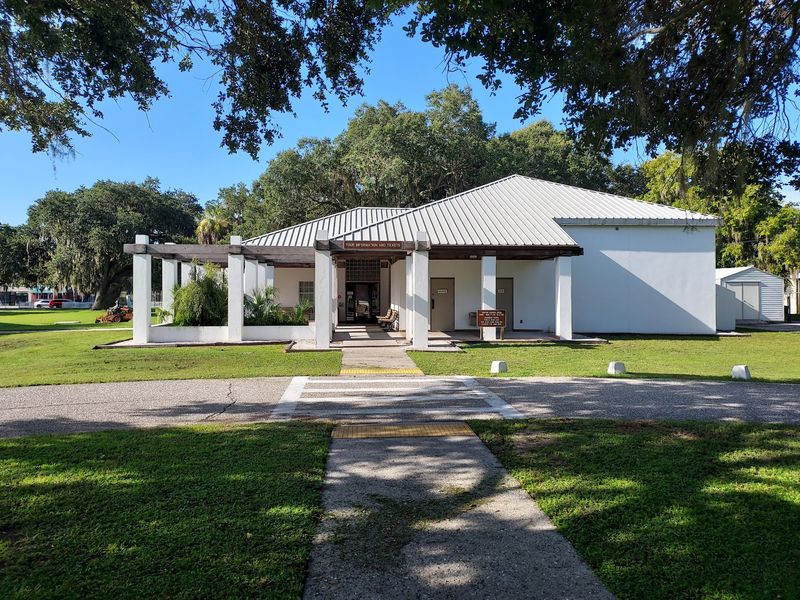
Before heading toward the mansion, the small museum near the entrance is worth a look.
The visitor center holds a very nice exhibit that sets the stage for everything you will see on the tour. Many people recommend stopping here first so the rest of the visit makes more sense.
The displays cover the history and construction of the property along with details about the region. It is an easy way to build context before a guide walks you through the rooms.
Keep in mind that the center closes for lunch, roughly from 11:30 in the morning until 12:30 in the afternoon, though some note it shutting closer to 11:45. Planning around that break saves a bit of frustration.
The exhibits round out the experience and give you something to explore even during gaps between scheduled tours. For anyone curious about the deeper backstory, this is the spot to slow down and read.
Pairing the museum with the house tour makes for a fuller picture of what life here once looked like.
A Six Dollar Ticket, Cash Only
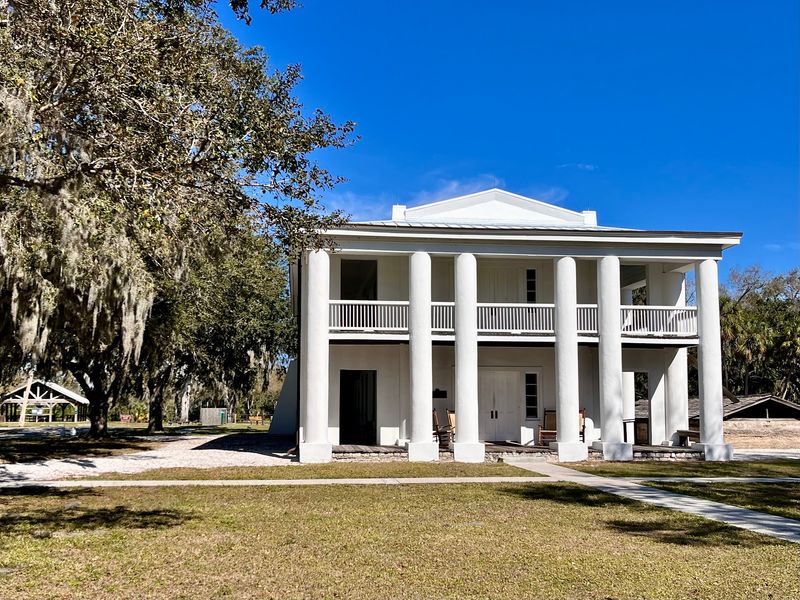
Rarely does a memorable outing cost this little, and that is part of the appeal.
The house tour runs $6 per person, a price that repeatedly gets called a bargain for what you get. Entrance to the park grounds, by contrast, is completely free.
One important catch trips up first-timers: tickets are cash only. There is no card reader waiting at the desk, so carrying a few bills is essential.
It also helps to know that a Florida State Parks annual pass does not cover the house tour. The park entry may be free, but the guided walk-through stands as its own separate charge.
Tipping the guide is a nice gesture that some visitors mention, given how much effort the rangers put into their presentations. It is optional, but appreciated.
For a few dollars and a bit of cash in your pocket, you unlock a piece of Florida history that has stood since the 1840s. That is a hard value to beat this close to the Tampa Bay area.
Tour Times and Hours to Plan Around
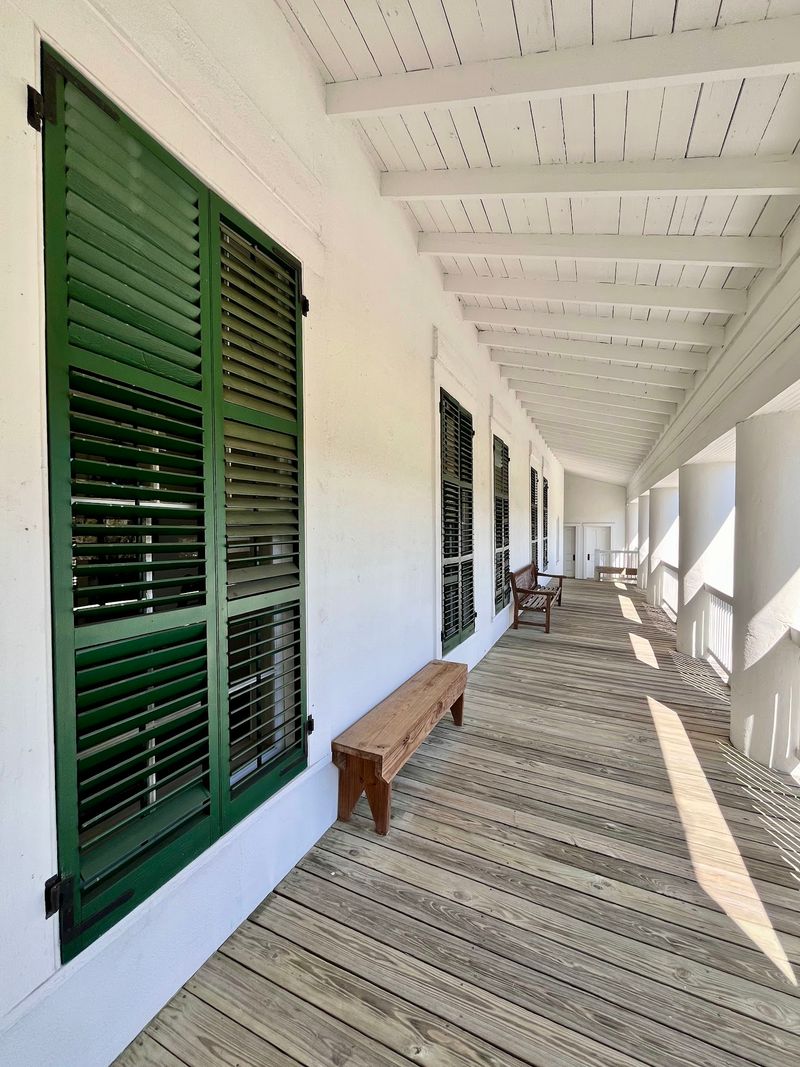
Timing matters more here than at most parks, since the tours run on a set schedule.
House tours are typically offered at 9:30 in the morning, 10:30, 1:00, 2:00, 3:00, and 4:00 in the afternoon. Gaps of about an hour can sit between certain tours, so a quick check of the schedule saves you a wait.
The park operates from 8 in the morning until 5 in the evening on the days it is open. It runs Monday, Thursday, Friday, Saturday, and Sunday, and stays closed Tuesday and Wednesday.
Contrary to what some assume, tours do run on Sunday, with the last one starting at 4:00. That clears up a common mix-up for weekend planners.
Since the museum breaks for lunch and tours cluster around specific times, arriving with a plan pays off. Showing up at a random hour might leave you strolling the grounds until the next departure.
Confirming the current schedule on the official website before you drive out is the smartest move. A little planning turns a potential empty visit into a full one.
Shaded Grounds and Picnic Tables
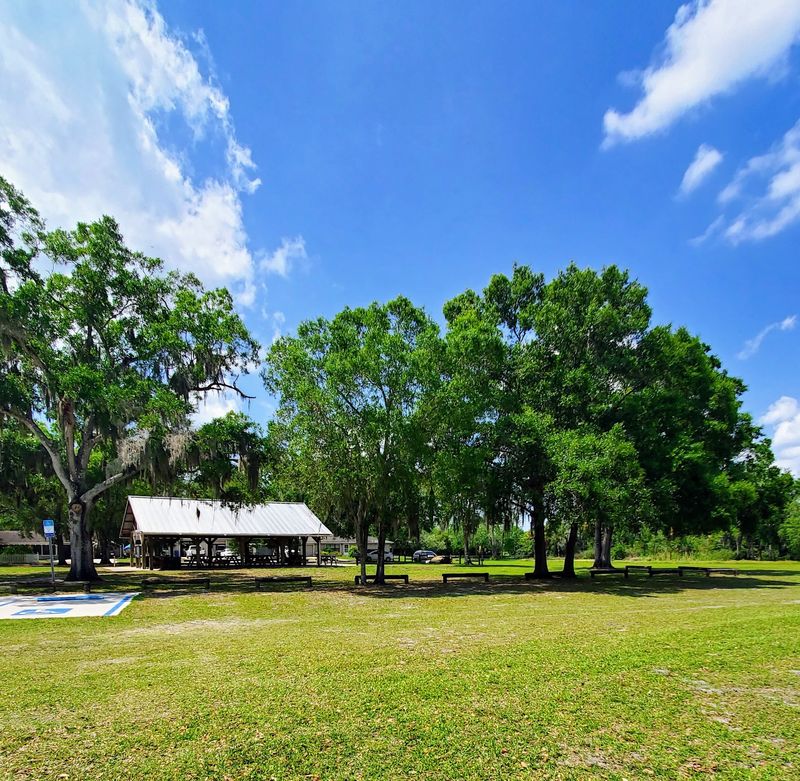
Bring a packed lunch, and the visit stretches into a relaxed half-day easily.
The grounds feature a beautiful, shaded picnic area that sits behind the historic mansion. Families often spread out under the covered tables and enjoy a meal on the property.
The lawns stay green and well maintained, giving you plenty of room to wander between the buildings. It makes a pleasant spot to slow down after a tour.
Parking is ample, and there are no fees to park or enter the grounds. That combination keeps the whole outing affordable for a day-tripper watching the budget.
The porch of the mansion even offers rocking chairs, a nice touch for anyone who wants to rest while taking in the setting. Small details like that turn a quick stop into a lingering one.
Between the picnic area, the open lawns, and the shade, the grounds reward people who arrive early or plan to stay a while. It is the kind of place where a few hours slip by comfortably.
The Confederate Secretary and Queen Victoria Connection
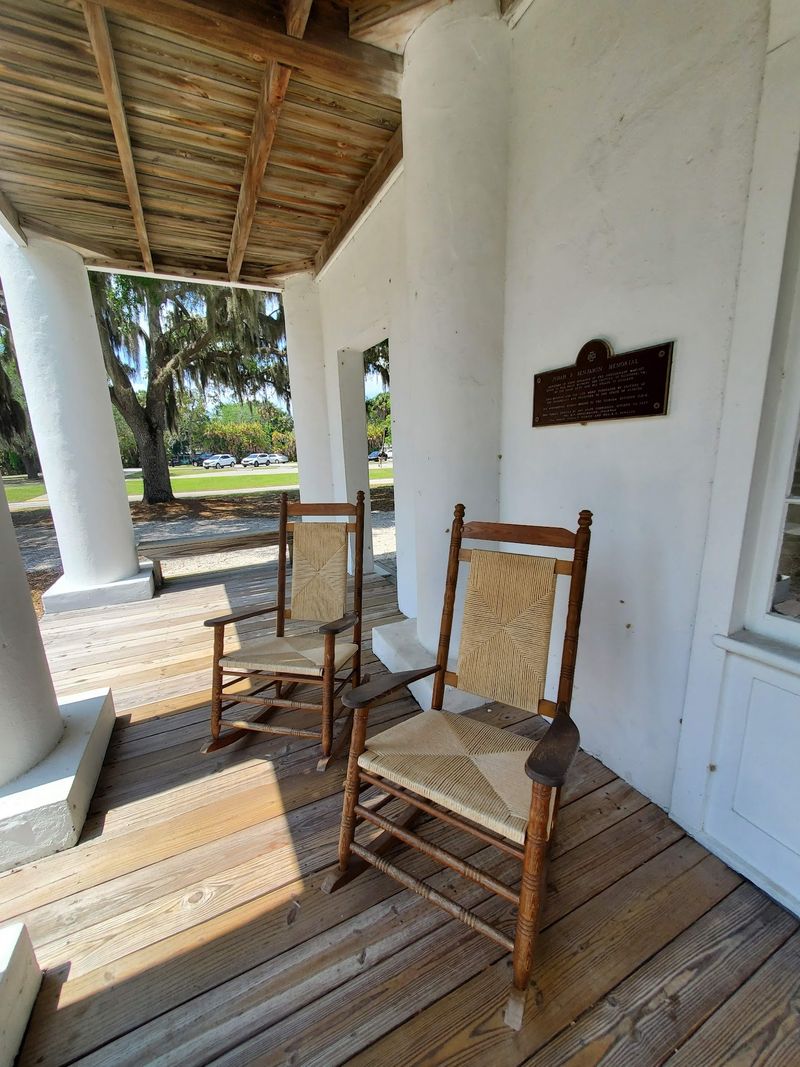
The house hides a chapter of history involving a figure who once hid within its walls.
Judah P. Benjamin, the Confederate Secretary of State, took refuge at the property during a turbulent moment.
His story is part of why the site carries a memorial designation.
Guides often touch on a surprising thread tying the location to Queen Victoria and the United Kingdom’s role in the era. People who have toured palaces in England find that international angle especially interesting.
The tour also covers the 3rd Seminole War, adding another layer to the regional history on display. These connections stretch the significance of the home well beyond its front lawn.
What could feel like a simple old house instead becomes a crossroads of events that reached across an ocean. The storytelling links a quiet Ellenton property to much larger moments in the nineteenth century.
For history buffs, these threads are exactly the sort of detail that make the trip worthwhile.
Remembering the People Who Worked Here
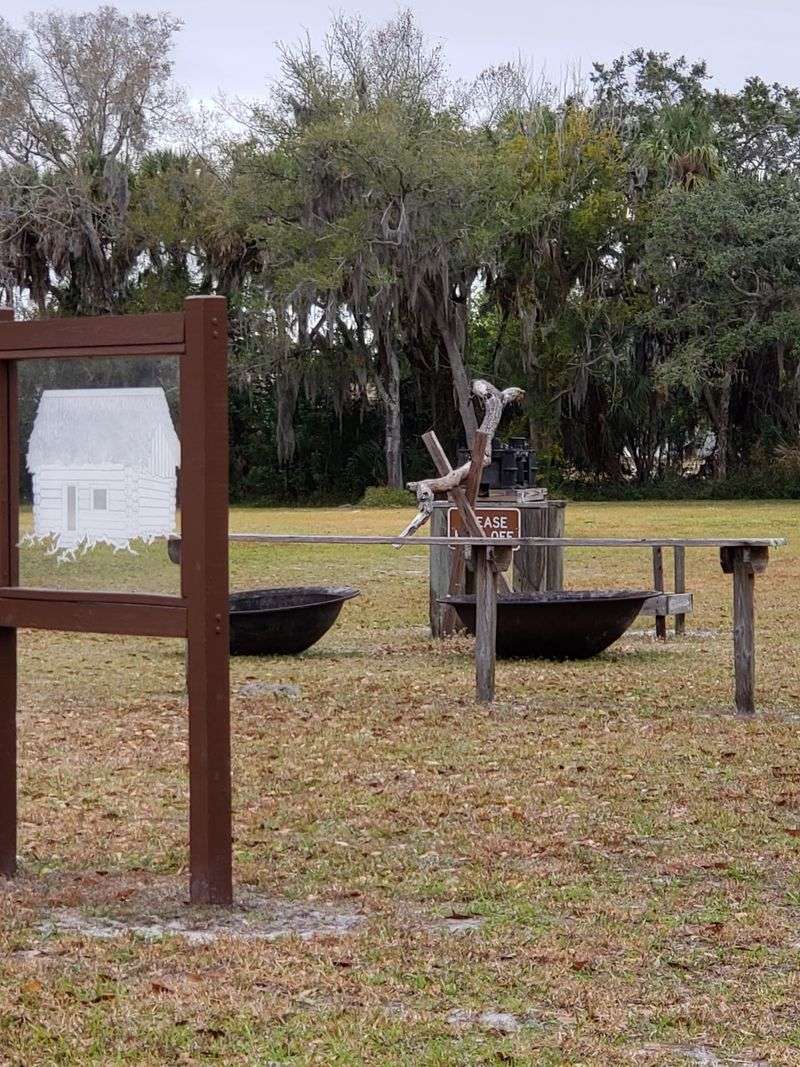
A full understanding of this place means acknowledging everyone who once lived on it.
The property was home to many enslaved people, and a memorial on site lists their names. Guides do address this part of the history during tours.
The reflection here honors the lives of those who did not choose to be on the plantation. Recognizing them adds weight and honesty to the visit.
Some feel the tour and museum could devote even more time to detailing these lives, and that feedback shapes how thoughtfully people approach the site. The memorial itself stands as a meaningful stop on the grounds.
Understanding this chapter is essential to grasping what plantation life truly involved. It keeps the history grounded rather than romanticized.
Taking a moment at the memorial makes the visit more complete and more respectful of everyone connected to the property’s past.
Car Shows and Special Gatherings
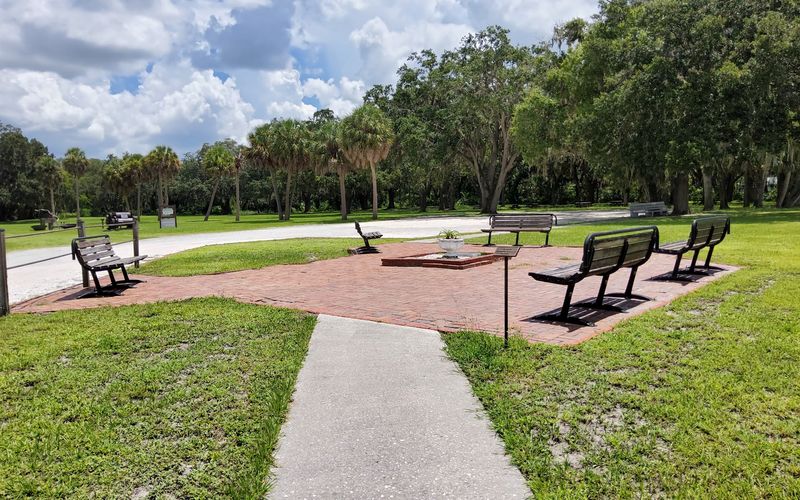
On certain days, the grounds fill up with something a little unexpected.
Car shows have become a recurring draw at the park, bringing a different crowd to the historic setting. The events add variety to what the property offers throughout the year.
Rows of vehicles parked across the green lawns create a fun contrast against the antebellum backdrop. It is a reason some people return more than once.
These gatherings turn the site into a community hub for a day, blending old architecture with a lively atmosphere. Even people who came mainly for the history often enjoy the added spectacle.
Checking ahead for scheduled events can help you catch one if that appeals to you, or avoid the busier days if you prefer quiet. Either way, the flexibility is a nice bonus.
The mix of history and occasional special happenings keeps the park from feeling like a one-note stop.
A Favorite Backdrop for Photographs
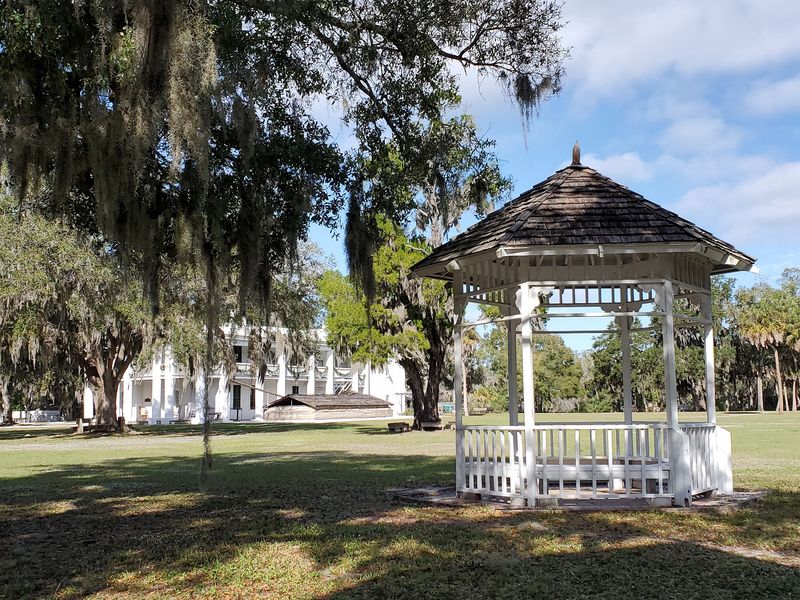
Photographers have long known the secret of these picturesque grounds.
The well-kept lawns, memorials, and historic buildings make the property a popular choice for wedding pictures and portraits. The clean, tidy setting lends itself to memorable images.
The mansion’s columns and porch offer a classic frame, and the green surroundings provide plenty of natural backdrops. People frequently walk away with photos they are proud of.
Because the grounds are free to enter, setting up for a photo session does not require a big budget. That accessibility makes it a go-to for local shutterbugs.
Even a casual visit tends to fill up a camera roll, thanks to the architecture and greenery. The site rewards anyone who enjoys capturing old spaces.
For portraits, keepsakes, or just a nice snapshot to remember the trip, the property delivers on visual appeal without any admission cost.
Who Will Enjoy This Stop Most
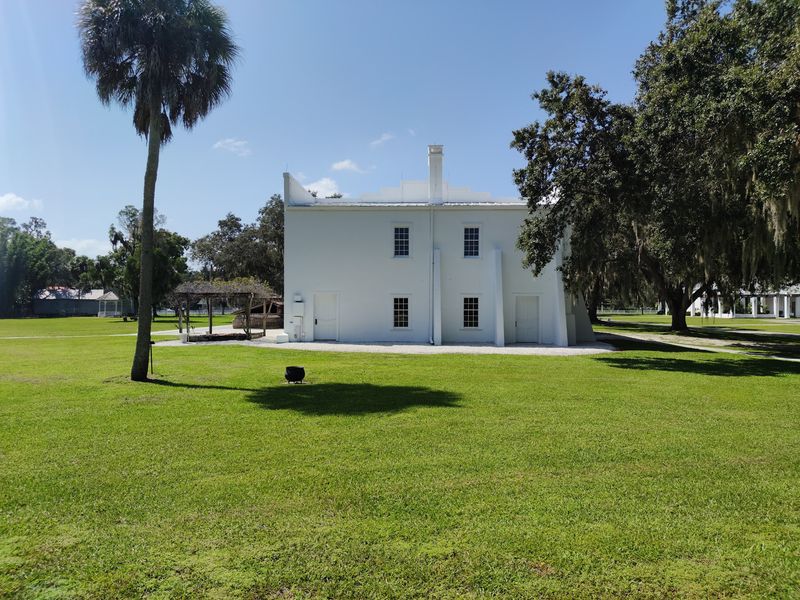
Not every attraction suits every traveler, but this one fits a wide range.
History buffs and fans of classic architecture get the most out of the experience, especially given the depth of the guided tours. The rich backstory rewards curiosity.
Families do well here too, with kids in their teens and pre-teens staying engaged rather than restless. Packing a picnic makes it an easy outing for a group.
One note for parents of little ones: with all the furniture and props you cannot touch, the tour suits older children better than toddlers. Younger kids may find the hands-off rules tricky.
The property is not huge, so it works nicely as a way to spend a few relaxed hours rather than a full day. That scale makes it manageable and unhurried.
Anyone in the Ellenton or Bradenton area looking for an affordable, low-key dose of history will find plenty to appreciate. It hits the sweet spot between educational and easygoing.
Why This Ellenton Landmark Earns a Visit
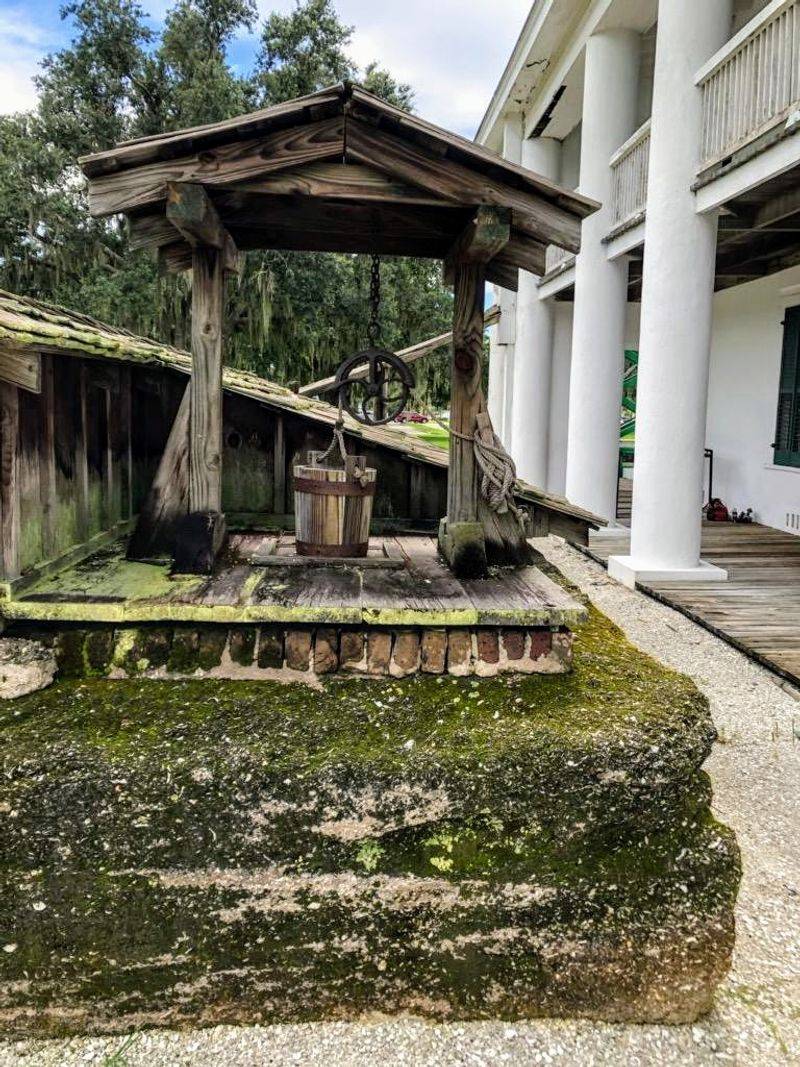
Few places pack this much history into such an affordable, close-to-home outing.
Standing as Florida’s only surviving plantation home, the Gamble Plantation offers a rare window into the 1840s that you simply cannot find elsewhere in the state. Its oyster-shell walls have held their ground for well over a century.
For $6 in cash, a knowledgeable ranger walks you through the rooms and shares stories that stretch from local history to a surprising royal connection. The free grounds and shaded picnic area add even more reason to linger.
People consistently come away calling it worth the trip, whether they arrived for the architecture, the tour, or a quiet afternoon under the trees. The 4.5-star reputation reflects that steady satisfaction.
A short drive from the Tampa Bay area lands you in another era, without a hefty price tag or a long journey. That is exactly the kind of nearby discovery worth sharing with friends who love a good story.