
Affiliate disclosure: As an Amazon Associate I earn from qualifying purchases. Learn more
Ask anyone who has lived in Arizona for twenty years why they stay, and you will probably hear a long pause and then a longer list. Sure, summers run hot, but this state hides snowy peaks, red rock towns, ancient ruins, and sunsets that stop traffic.
Longtime residents know the shortcuts, the seasons, and the small joys that newcomers take years to discover. Here are the reasons Arizona keeps its people for life.
1. The Grand Canyon Is Basically Our Backyard
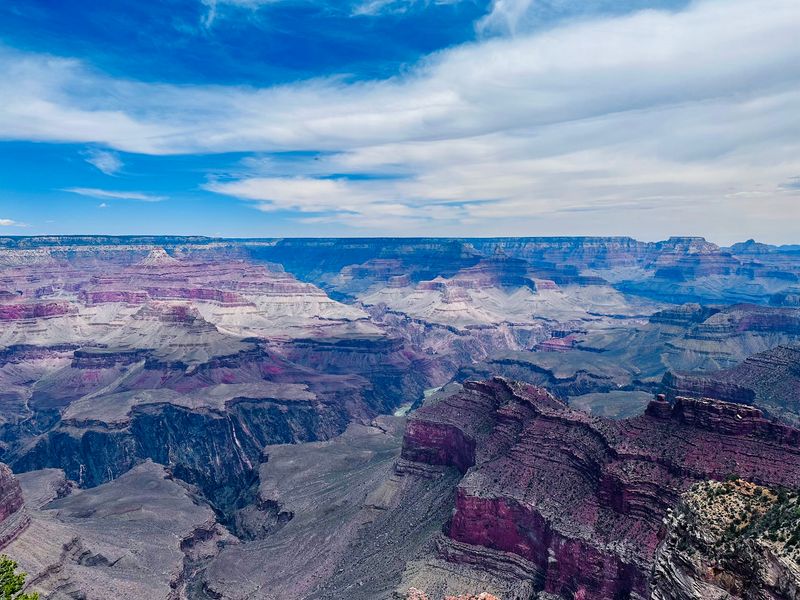
Plenty of people cross an ocean for a single look at it. Arizonans can leave Phoenix after breakfast and reach the South Rim before lunch, roughly a four-hour drive.
The canyon stretches about 277 river miles and drops more than a mile deep in places. Grand Canyon National Park was established in 1919, and it still draws millions of visitors every year.
Longtime locals tend to have favorite spots that out-of-towners miss. Some swear by the quieter North Rim, which sits higher, stays cooler, and usually opens only from mid-May into October.
Having one of the world’s most famous landscapes inside state lines never gets old. It is the kind of bragging right that makes family visits easy to plan.
2. Winters That Make the Rest of the Country Jealous
January in Phoenix often means daytime highs in the upper 60s. Meanwhile, cousins back east are shoveling driveways.
Winter is when Arizona truly shows off. Hiking trails fill up, patios open wide, and spring training baseball arrives in February with the Cactus League spread across the Valley.
Here is the funny part. Locals who survive July earn these months, and they plan their whole calendar around them.
Golf, farmers markets, outdoor festivals, and long desert drives all hit their peak while much of the country stays indoors. That trade feels more than fair.
3. Snow Is Only a Short Drive Away
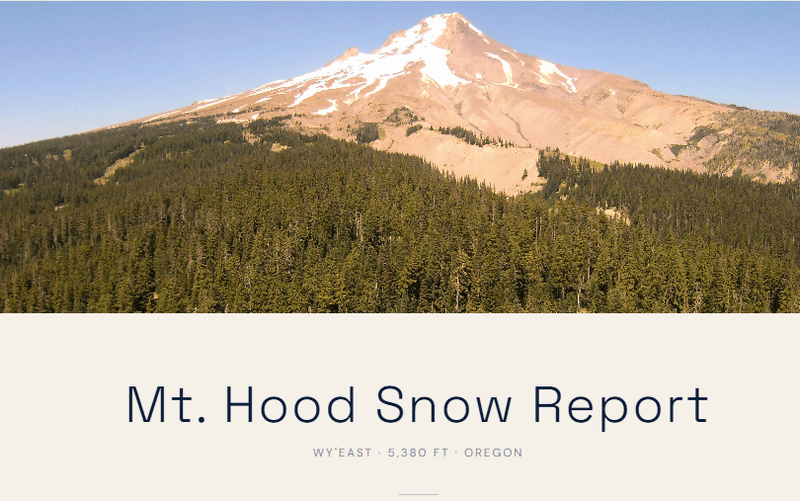
Surprise your out-of-state friends with this one. Arizona has a ski resort.
Arizona Snowbowl sits on the San Francisco Peaks just outside Flagstaff, and Humphreys Peak tops out at 12,633 feet, the highest point in the state. Flagstaff itself sits around 7,000 feet and averages close to 100 inches of snow a year.
That means a Phoenix family can trade cactus for snowmen in about two hours. Sledding trips up north are practically a winter tradition for Valley kids.
The same high country stays green and cool in summer too. The world’s largest ponderosa pine forest stretches across northern Arizona.
4. Sunsets That Turn the Whole Sky Pink
Phones come out in parking lots across the state almost every evening. Nobody needs to explain why.
Arizona’s dry air and wide open horizons make sunsets stretch across the entire sky. Monsoon season clouds often add even more color in late summer.
Saguaro silhouettes give the scene a look that is pure Sonoran Desert. These cacti grow naturally almost nowhere else in the United States outside Arizona, with a small range dipping into California.
Longtime residents will claim they are used to it. Watch them anyway, and they still pull over.
5. Sedona’s Red Rocks Never Get Old
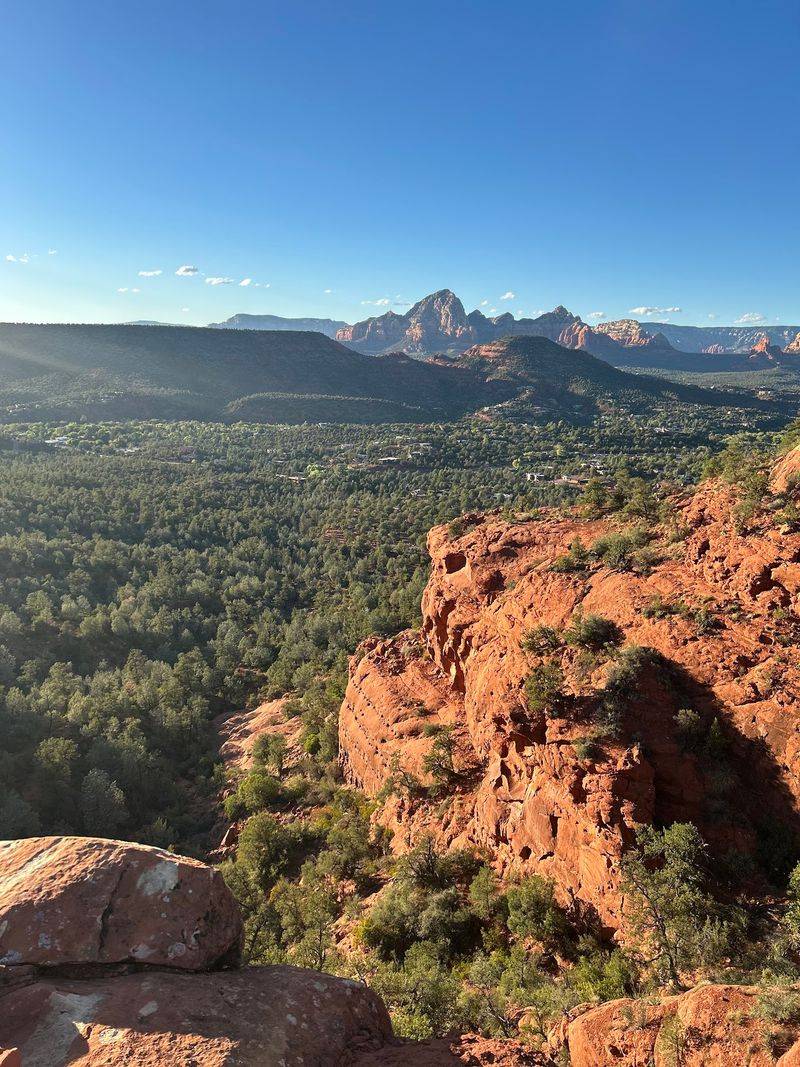
Cathedral Rock, Bell Rock, and Courthouse Butte sound like landmarks from a postcard. For Arizonans, they are a weekend day trip.
Sedona sits about two hours north of Phoenix. Its red sandstone gets its color from iron oxide, and the formations change shade as the day goes on.
Trails range from easy walks to tougher scrambles. Oak Creek adds shady spots and water access, and Slide Rock State Park nearby offers a natural rock slide that families have enjoyed for generations.
Tourists may come once. Locals keep going back because every season brings a different view.
6. Sonoran Hot Dogs and Real Mexican Food

Bacon-wrapped hot dogs tucked into soft bolillo-style buns, topped with pinto beans, onions, tomatoes, and salsas. Tucson treats the Sonoran hot dog as a point of civic pride.
El Guero Canelo, a Tucson favorite, even earned a James Beard America’s Classics award in 2018. That is serious recognition for a hot dog stand.
The food story goes far beyond one dish. Tucson was named a UNESCO City of Gastronomy in 2015, the first in the United States, thanks to its deep agricultural and culinary history.
Move away and you quickly learn that good carne asada and fresh tortillas are not available on every corner.
7. Monsoon Season Drama
The official monsoon season runs June 15 through September 30. Arizonans start checking the sky long before that.
Towering clouds roll in during the afternoon, lightning flashes across the desert, and rain arrives in heavy bursts. Afterward, the scent of creosote is so familiar that locals talk about it like an old friend.
Storm watching is a real hobby here. Many people grab a seat on the porch just to watch the show.
Safety matters, though. The state’s well known slogan, Turn Around, Don’t Drown, reminds drivers to avoid flooded washes.
8. Some of the Darkest Skies in the Country
Flagstaff became the world’s first International Dark Sky City in 2001. That title came from decades of local effort to keep the night sky clear.
Lowell Observatory, founded there in 1894, is where Pluto was discovered in 1930. Visitors can still look through telescopes during evening programs.
Arizona has more certified dark sky places than most states, including parks and communities across the north and south.
On a clear night far from city lights, the Milky Way stretches overhead. Many longtime residents count that view among the state’s best free perks.
9. Lakes and Rivers That Surprise Newcomers
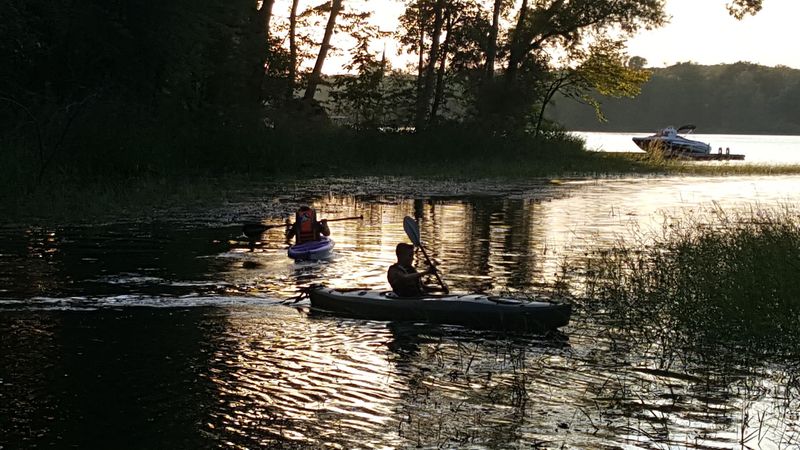
A desert state with this much boating feels like a trick question. Ask any Valley family about Saguaro Lake or Canyon Lake.
Both sit along the Salt River chain east of Phoenix, framed by rugged desert cliffs. Tubing the Lower Salt River has been a summer ritual for decades.
Up north, Lake Powell and Lake Havasu draw houseboats and weekend crowds. Havasu even has the London Bridge, moved from England and reopened there in 1971.
When summer heat climbs, these spots give locals a real reason to smile.
10. History You Can Walk Right Into
Montezuma Castle in Camp Verde was built by the Sinagua people more than 800 years ago. It still clings to a limestone cliff about 90 feet up.
Arizona is full of places like that. Mission San Xavier del Bac near Tucson, completed in 1797, is often called the White Dove of the Desert.
Old mining towns add another chapter. Jerome, Bisbee, and Tombstone keep their Old West character on display for curious visitors.
Arizona is also home to 22 federally recognized tribes, whose cultures shape the state in deep and lasting ways.
11. Small Towns With Big Personality
Bisbee’s hillside streets, Jerome’s perch on Cleopatra Hill, and Williams’ stretch of Route 66 each feel like their own little world.
Williams, often called the Gateway to the Grand Canyon, was the last Route 66 town bypassed by Interstate 40 in 1984. Its retro signs and diners lean into that nostalgia.
Seligman and Holbrook carry that same old highway charm. Holbrook’s Wigwam Motel still lets guests sleep in concrete teepees.
For longtime Arizonans, a road trip through these towns is a reminder that the state’s character lives far beyond the big cities.