Begin with the plan
After a wet city outing, three coats can occupy every chair and leave the floor crowded with shoes. The useful plan starts with the return: where damp layers can be handled appropriately, what stays clear, and which items need prompt care. A larger laundry bag is not automatically the answer.
Check the room's suitable options
Follow the property's instructions and garment care labels. Identify a permitted appropriate place for damp outerwear without blocking exits, routes, or equipment. Do not drape clothing over electrical or heating fixtures to speed up drying. If the room offers no suitable arrangement, ask the provider for guidance.
Separate the adult and child items enough that everyone can find what they need next. A shared damp pile hides gloves, pockets, and differing care requirements. Keep the system simple: one recognizable position for each person's relevant layer may be enough.
Empty pockets before care
Check tickets, phones, small toys, and other contents before putting coats aside. Return important items to their appropriate places. Wet pockets can conceal belongings that should not remain there. Adults should oversee essential personal items rather than making a tired child responsible for the whole check.
Handle umbrellas and other accessories according to their maker's instructions and the room's arrangements. Keep dripping objects away from belongings that must remain dry and surfaces that could be damaged. A temporary container can help separation when suitable, but it is not a complete drying method.
Prepare the next clothing step
Choose dry comfortable clothes when needed and keep the immediate change easy to find. The child may need a different reset from the adults. Avoid treating the whole family as one uniform packing category; a complete useful change matters more than identical pouches.
If you plan another outing, check whether the intended layers will be ready and suitable. Do not assume everything dries overnight. Adjust the route, timing, or clothing plan through the actual conditions rather than relying on optimistic care estimates.
Use temporary separation during a move
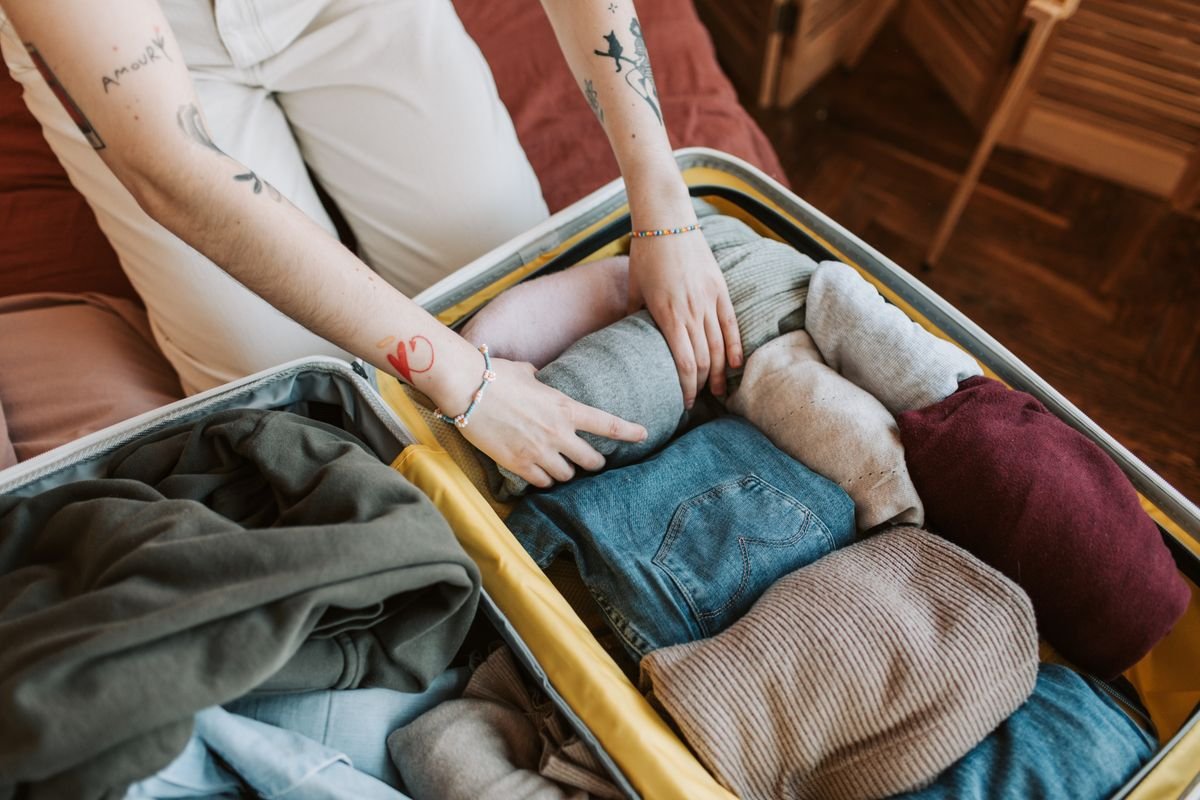
When checkout arrives before items are ready, use suitable temporary separation for the journey and attend to them promptly at the next appropriate place. Keep damp clothing away from papers, electronics, and dry garments. Follow care guidance and do not leave the bundle sealed until the end of the holiday.
Make the section identifiable in the luggage so the next adult opening the bag understands what needs attention. A short label or clear grouping can prevent a damp coat from being returned automatically to the clean wardrobe.
Learn from the difficult part
After the trip, note whether the problem was insufficient drying space, unnecessary extra layers, or equipment unsuitable for the conditions. Change the specific issue before buying another accessory. A more compact outing or a better-confirmed accommodation arrangement may help more than another bag.
Should we carry a complete change every day? Decide from the actual activity, conditions, and individual needs. Can damp coats share a pouch? Assess appropriate care and temporary handling rather than assuming one container suits every material. What if a layer is damaged? Follow manufacturer guidance or obtain suitable help instead of improvising a treatment.
Our rainy city weekend helps keep the itinerary flexible. The first-night plan offers another accessible-clothing arrangement.
Official sources and planning checks
Details can change. Confirm dates, accessibility, booking conditions and current charges directly before making a purchase. Sources checked 2026-10-14.
Keep planning together
Use the family trip checklist to organize documents, packing and reservations. Our family stay guides explain room and booking tradeoffs.