Affiliate disclosure: As an Amazon Associate I earn from qualifying purchases. Learn more
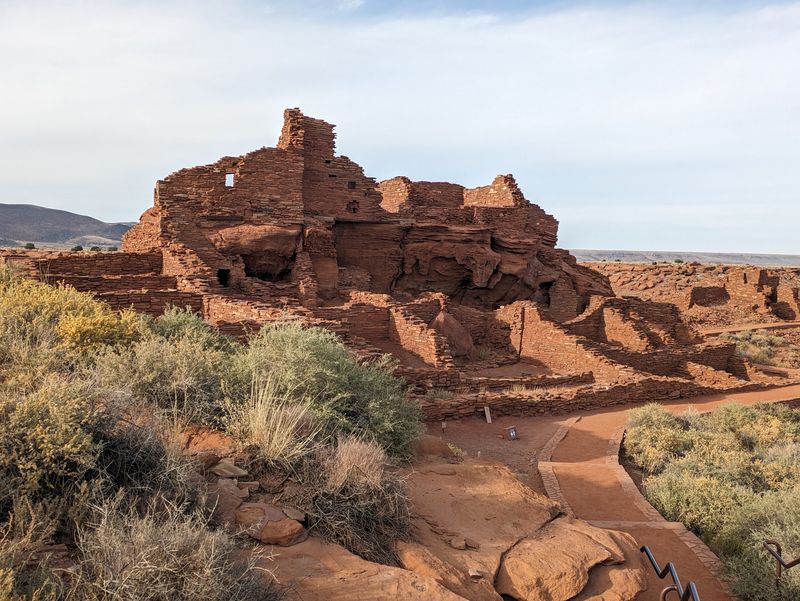
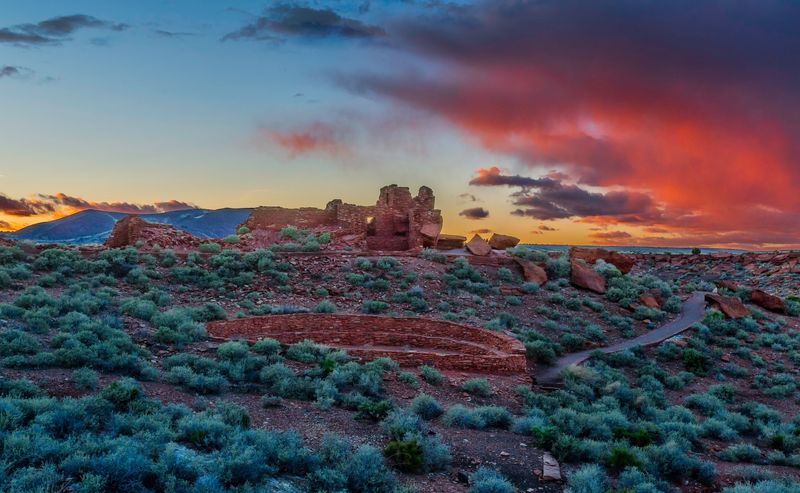
Long before anyone thought to put Arizona on a bucket list, a thriving community built tall stone houses on a windswept plateau north of Flagstaff. Nearly a thousand years later, those walls still stand against a backdrop of red sandstone, distant peaks, and the wide-open Painted Desert.
Many longtime residents drive right past the turnoff without knowing what waits at the end of the road. The place holds ancient pueblos, a ball court, and even a natural blow hole that breathes cool air straight from the earth.
Keep reading, because this cliffside wonder sits closer to home than most Arizonans ever realized, and it costs a whole lot less than a passport stamp.
The Stone City Hiding North of Flagstaff
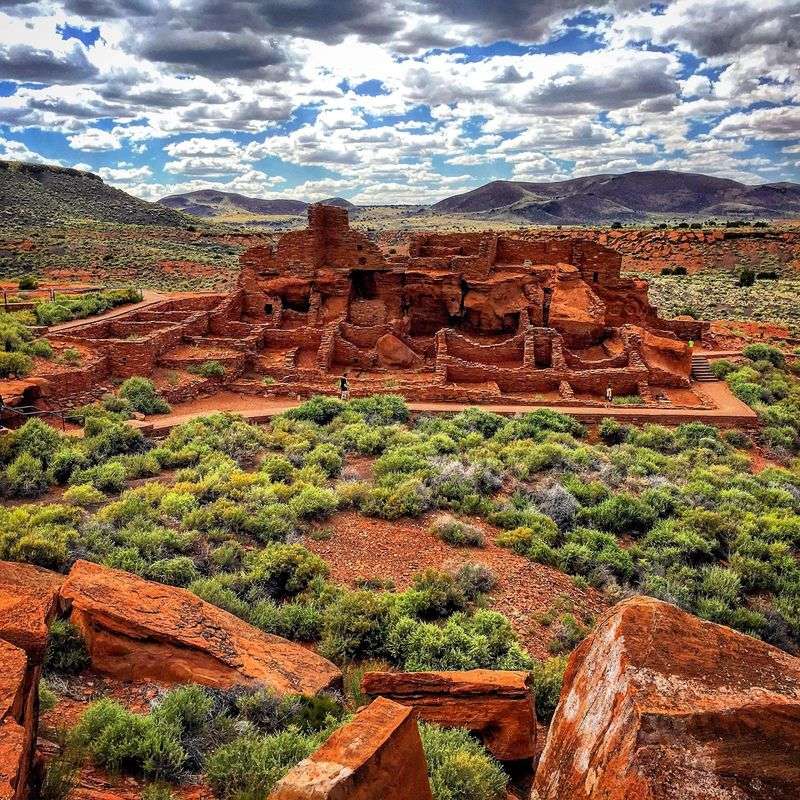
Tucked into the high desert of northern Arizona, Wupatki National Monument protects the preserved ruins of prehistoric pueblos scattered across a rugged stretch of land. The monument sits along a scenic loop road accessible from Highway 89, roughly a 30-mile drive that connects it with nearby Sunset Crater Volcano.
The address is simply Arizona, and the site falls under the care of the National Park Service. Its main visitor center rests in the heart of the park, with the largest pueblo standing just steps away.
What makes this spot special is the combination of history and open space. Five prehistoric pueblos dot the landscape, each reachable by well-maintained roads and short trails.
People lived and farmed here roughly a thousand years ago, and the standing walls tell that story better than any textbook could. With a 4.8-star reputation earned across nearly 1,900 pieces of feedback, this quiet corner of the state has quietly become a favorite for those who make the trip.
A Community That Thrived A Thousand Years Ago
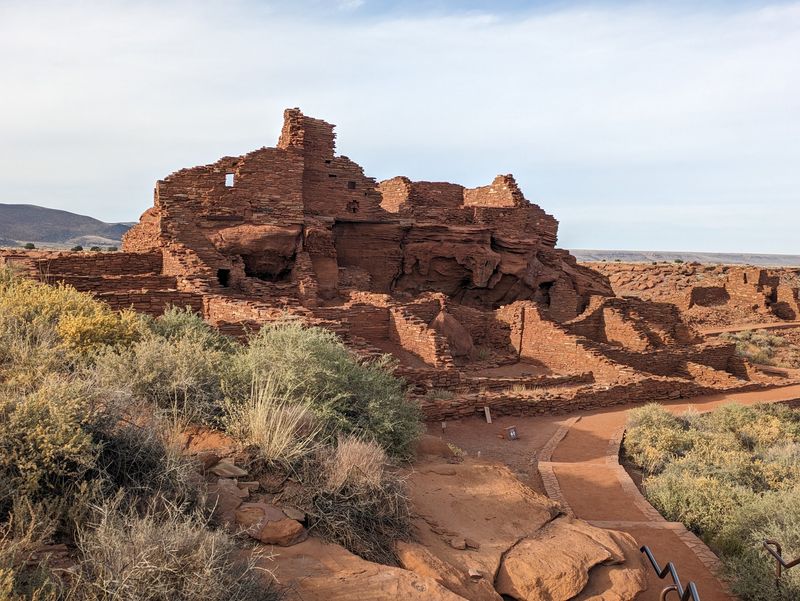
Roughly a thousand years back, the land around the San Francisco Peaks buzzed with activity. Families built homes, farmed the dry soil, and formed a network of communities that spread across the region long before modern roads existed.
The pueblos here carry names like Wupatki, Wukoki, Lomaki, Box Canyon, and Citadel. Each represents a place where people made meaning out of a demanding environment, using stone and ingenuity to build shelter that has outlasted the centuries.
Walking among these structures gives a real sense of how resourceful the residents were. Many say the experience feels both humbling and inspiring, a reminder that the ground beneath modern Arizona held bustling life ages ago.
The visitor center adds depth to the story with interactive exhibits about the Indigenous history of the area. Several travelers mention that this cultural context felt richer here than at other monuments across northern Arizona, which makes the stop worth more than a quick photo.
Red Sandstone Walls Built From An Ancient Sea
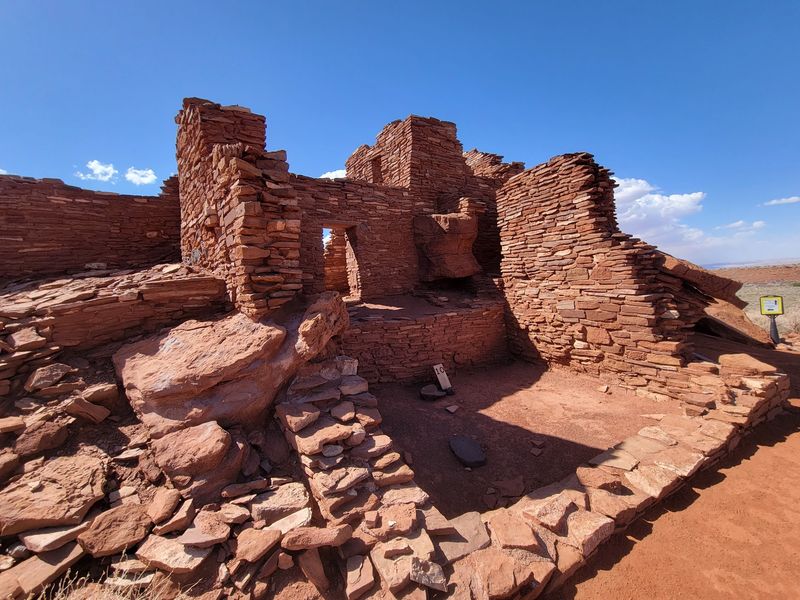
Beneath the standing walls lies a geologic story that stretches back millions of years. The striking red sandstone that gives the pueblos their color formed long ago from freshwater rivers, tidal flats, and near-shore environments, back when the region was far wetter than the dry plateau seen today.
The exposed rock layers read like pages of a very old book. Even though the land now feels arid, those layers hint at a much different world that once covered this part of Arizona.
Builders used the local stone to raise their homes, which is why the ruins seem to grow straight out of the earth. The warm red tone blends the human-made structures into the surrounding terrain in a way that feels natural rather than added on.
For anyone curious about how landscapes change over vast stretches of time, this layer of the visit adds real wonder. It turns a simple ruins tour into a lesson about both people and the ground they stood on.
The Ball Court And Amphitheater You Did Not Expect
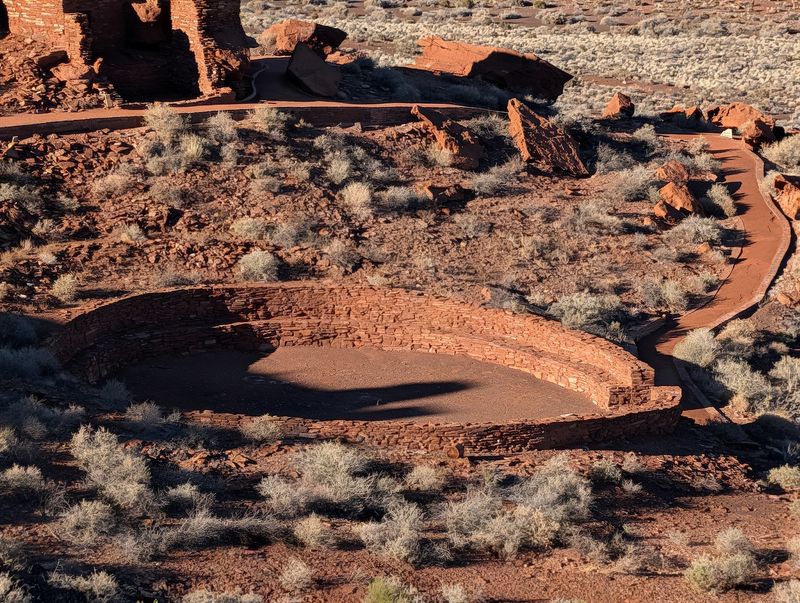
Not every ruin comes with a sports arena, yet the main pueblo near the visitor center features a ball court that surprises nearly everyone who sees it. Alongside it sits an amphitheater, both hinting at gatherings and games that once brought the community together.
The ball court ranks among the standout features of the whole site. It suggests that daily life here involved more than farming and shelter, with room for recreation and social events too.
Many find the two sports areas especially interesting, since they reveal a side of ancestral life that feels relatable across the ages. People here played, competed, and celebrated, just as they built and farmed.
Standing beside these open spaces gives a fuller picture of the pueblo as a living place. It was a true community hub, not simply a cluster of stone rooms, and that detail sticks with people long after they leave.
The Natural Blow Hole That Breathes
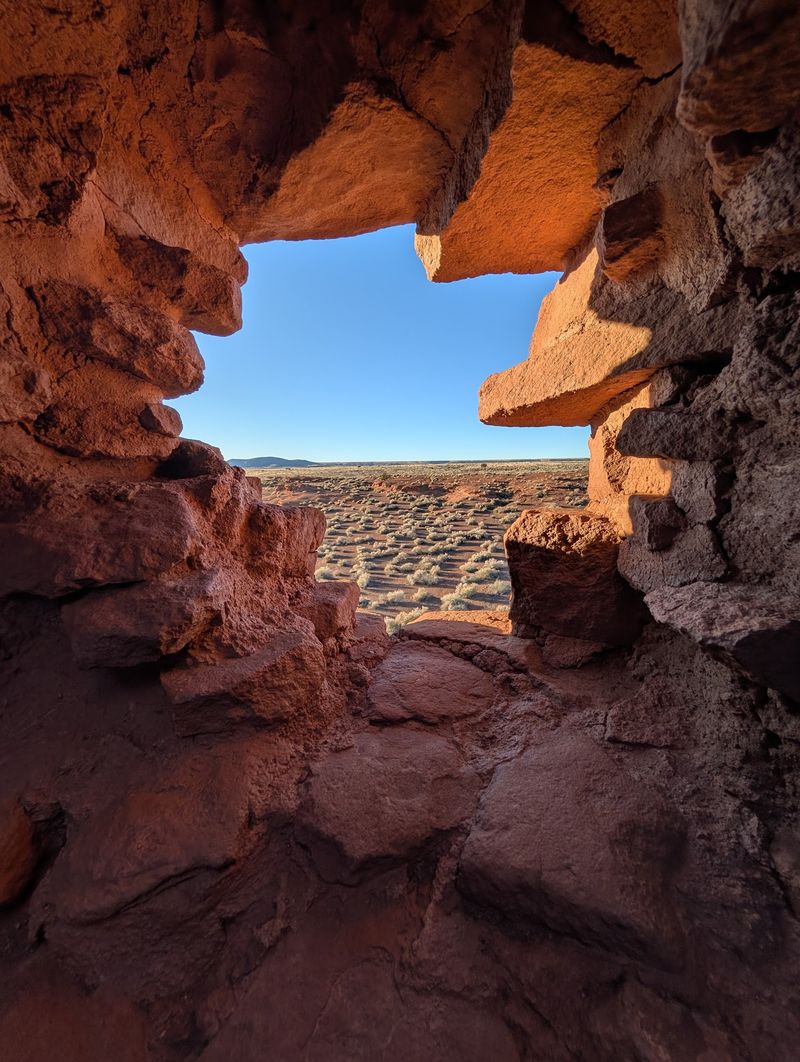
One of the quirkiest features waits near the bottom of the main pueblo, where a natural blow hole sends air moving in and out of the ground. Travelers often list it as a highlight, and for good reason, since a breathing hole in the earth is not something you see every day.
The blow hole connects to an underground system of cracks and spaces, and the air shifts direction depending on pressure conditions. It stands as a genuine natural wonder tucked right into a historic site.
People describe it as an awesome curiosity, a small feature that adds a big dose of surprise to the walk. Kids and grandparents alike tend to find it fascinating.
The mix of ancient architecture and an active geologic vent in one spot makes this stop feel one of a kind. It is the sort of detail that turns a good visit into a memorable one, and it costs nothing extra to enjoy.
Views Of The San Francisco Peaks And Painted Desert
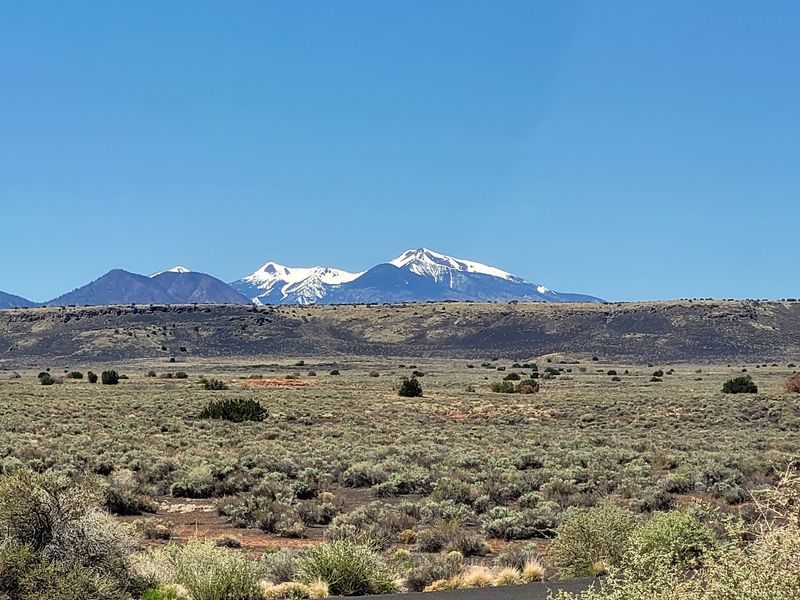
Scenery alone would justify the drive, even without a single ruin in sight. From the pueblos, sweeping views stretch toward the San Francisco Peaks near Flagstaff, while the Painted Desert unfolds in the other direction.
Look eastward and the rugged western terrain seems to go on forever. Turn west and south, and the land carries reminders of the volcanic history that shaped the region.
On a clear day, some travelers report seeing the north and east rim of the Grand Canyon in the distance. That range of scenery packed into one plateau explains why the views earn so much praise.
Sunrise and sunset draw people who want the landscape at its most striking. The changing light across the desert and peaks turns the whole area into a wide, quiet panorama that rewards anyone willing to linger a little longer than planned.
Five Pueblos You Can Explore On Foot
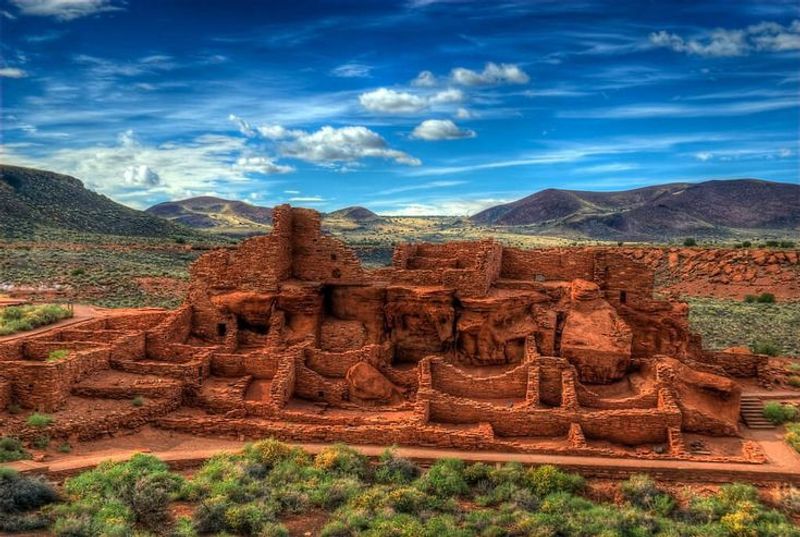
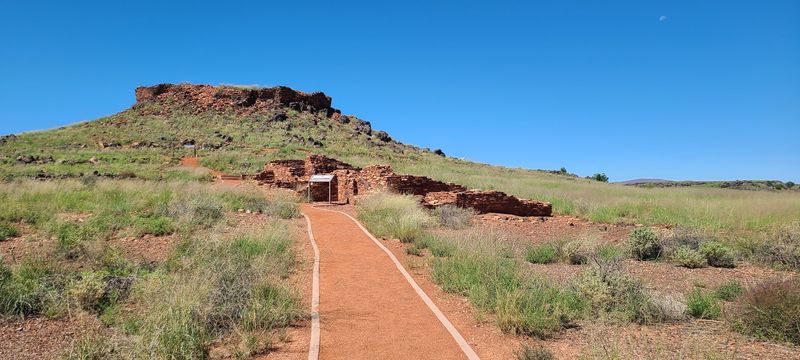
Part of the fun here is the freedom to drive between separate ruin sites and explore each one on foot. Five prehistoric pueblos spread across the park, including the main Wupatki site near the visitor center and the nearby Wukoki Pueblo, a short drive and short hike away.
Each stop offers well-maintained trails and clear information boards, so navigation stays simple. Numbered markers along the main site pair with a low-cost self-guided book that adds plenty of detail.
The trails are easy to follow and not particularly demanding, which makes the monument friendly for a wide range of ages. In a single day, energetic explorers can walk among several different communities scattered across the landscape.
The scattered layout turns the visit into a relaxed day of easy hiking rather than one crowded stop. That spread-out design is exactly what makes many people call it a joy to explore at their own pace.
Farming Fields That Echo The Ancestral Way
A living touch sets this monument apart from a static ruin. Staff and volunteers have planted corn and cotton the way the ancestral residents once did, bringing a bit of the old agricultural life back to the land.
Growing these crops shows visitors how people fed themselves in such a dry setting. It connects the standing walls to the daily work that kept the community going a thousand years ago.
The demonstration adds a hands-on dimension to the history. Rather than only reading about ancient farming, guests can see the plants taking root in the same soil their growers depended on.
Small details like this reflect the care the park puts into telling a complete story. It is a quiet reminder that the pueblos were homes with kitchens and fields, not just monuments waiting to be photographed.
Rangers And Volunteers Who Bring The Story Alive
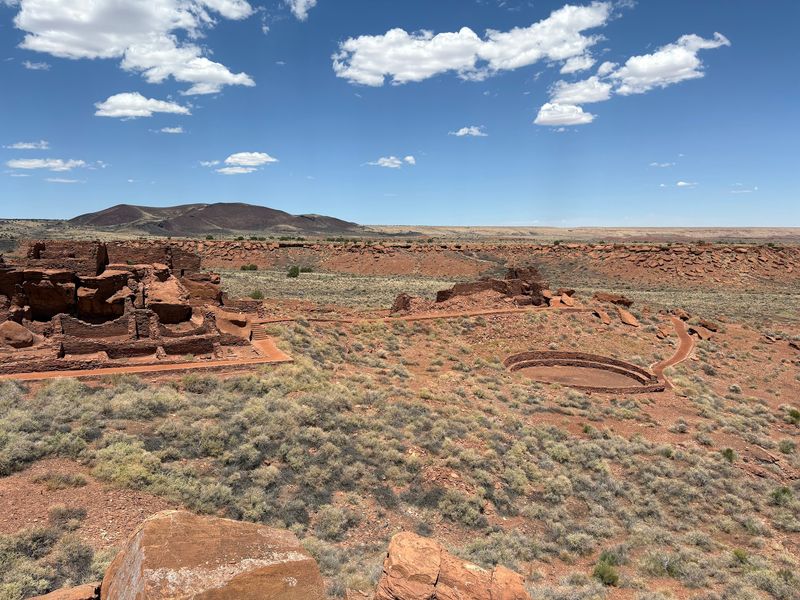
Friendly faces make the history stick, and the staff here earn steady praise for being knowledgeable, welcoming, and happy to talk. Educational volunteers often station themselves near the ruins, ready to answer whatever questions come their way.
Park rangers gladly share details about the site and the people who built it. That personal touch helps turn a walk among old walls into a genuine learning experience.
Many suggest picking up the self-guided guide book at the visitor center, which costs only a couple of dollars and pairs with numbered stops along the trail. It adds a surprising amount of information for the price.
Between the interactive exhibits inside and the helpful people outside, the monument does a strong job of explaining what visitors are seeing. That effort is a big reason the place leaves such a lasting impression on those who stop.
Getting There, Hours, And What It Costs
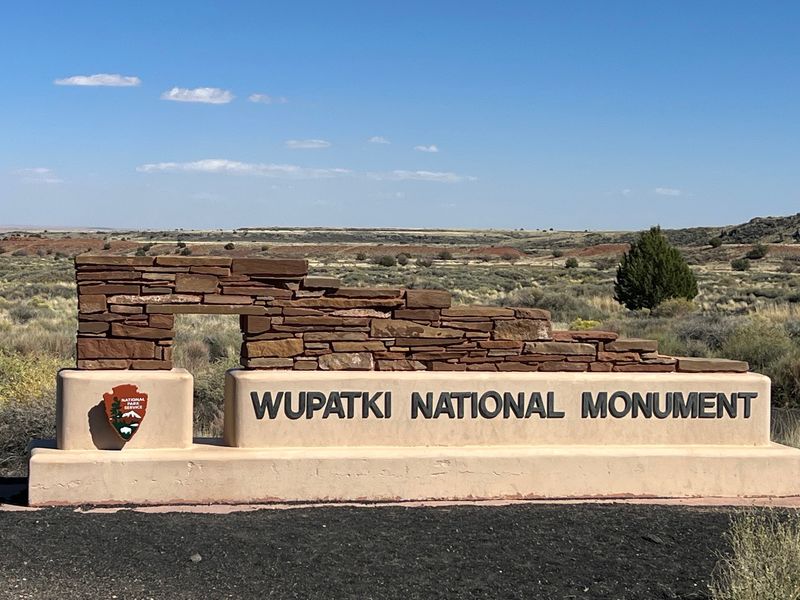
Planning a trip here is refreshingly straightforward. The most scenic approach loops in from Highway 89, with many suggesting you enter through the northern entrance, visit Wupatki, then circle south toward Sunset Crater Volcano National Monument on the way out.
The road is well maintained the whole way, and the drive itself passes through several changing climates and landscapes. It runs roughly 30 miles from the highway to the ruins.
Facilities cover the basics well. The visitor center offers clean restrooms, a small gift shop, and a water refill station for hot days, while pit toilets, picnic tables, and parking wait at the various sites.
Entrance is free with an America the Beautiful Pass, and the low-cost guide book is a smart add-on. A tip worth noting: the water bottle station has not always worked, so bring your own water, and consider stepping fully through the visitor center rather than heading straight to the first ruin.
The official details live on the National Park Service website.
Why This Backyard Wonder Earns The Drive
Skipping this stop would be a real miss for anyone exploring northern Arizona. What often begins as a quick detour on the way to the Grand Canyon or between Page and Phoenix ends up becoming a favorite in its own right.
The combination is hard to beat. Ancient architecture, a breathing blow hole, a ball court, sweeping desert views, and rich cultural history all sit within one relaxed loop drive.
Families with kids and grandparents both find plenty to enjoy, and the easy trails welcome most fitness levels. The scattered pueblos and the freedom to drive between them keep the day feeling open rather than rushed.
Arizona quietly holds its own cliffside stone city, no passport required. For locals who thought world-class wonders lived only overseas, this plateau proves that some of the best history stands right here in the high desert, waiting for the next curious traveler to pull off the highway.