Begin with the practical decision
Used family clothing needs a recognizable place without taking over the whole packing system. Two adults and one child can quickly lose track of what is ready to wear when everything returns to the nearest open cube. Agree the distinction, follow garment care, and keep the next action clear as the family moves between rooms and outings.
Define the clothing's actual state
Distinguish ready garments from items that need appropriate care. Do not assume clothing is ready because it looks folded, or unsuitable because it was worn briefly. Use the garment's instructions, condition, and the household's appropriate hygiene requirements to decide what happens next.
Keep wet or otherwise unsuitable items from being packed in a way that harms them or other belongings. Follow the relevant care promptly and use a suitable temporary arrangement when necessary. A generic laundry bag is not a universal solution for every textile and condition.
Choose a suitable collection place
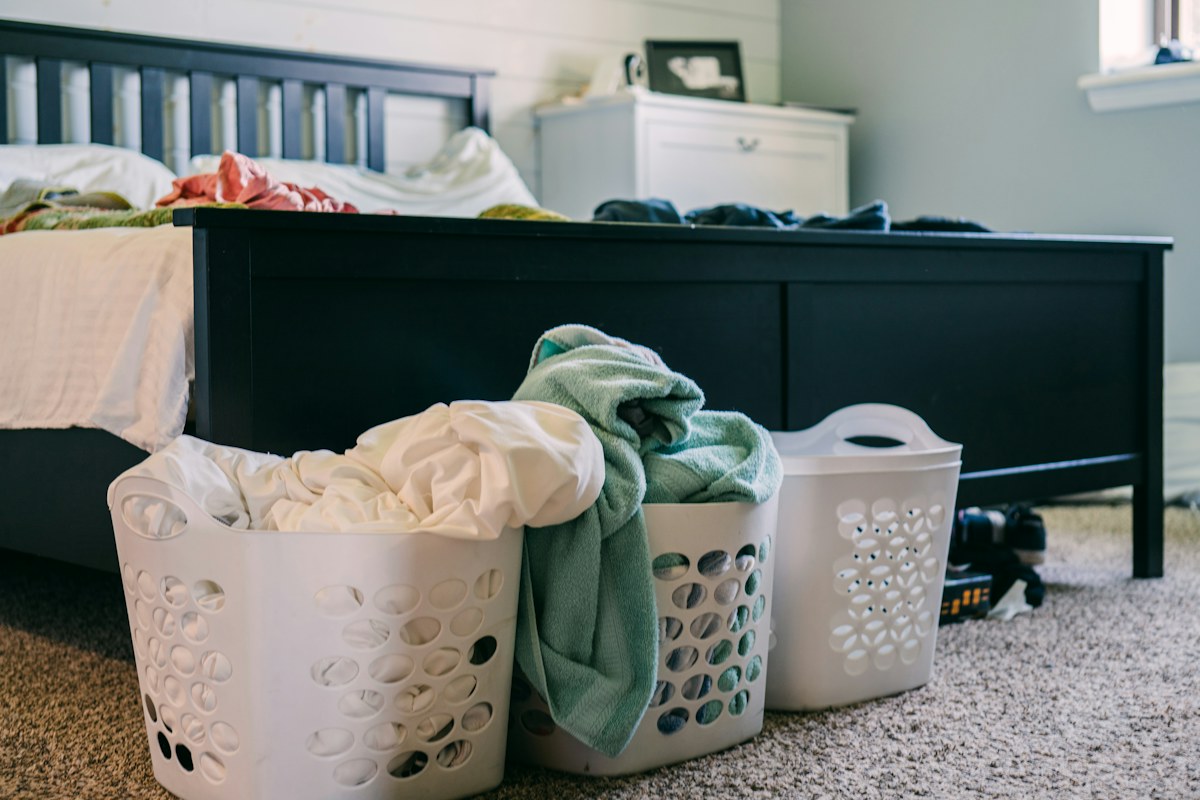
At the accommodation, identify an appropriate place that keeps used clothing separate while respecting the room and host instructions. Keep access and any equipment clear. Avoid using supplied bedding, decorative baskets, or furniture for an unintended purpose simply because the items resemble a laundry setup.
Make the place understandable to both adults and the child through a simple explanation. The child can help identify their belongings at an appropriate level, but the adults should manage care decisions and the final packing check. The system should not depend on the child interpreting three different kinds of container alone.
Keep the clean packing map intact
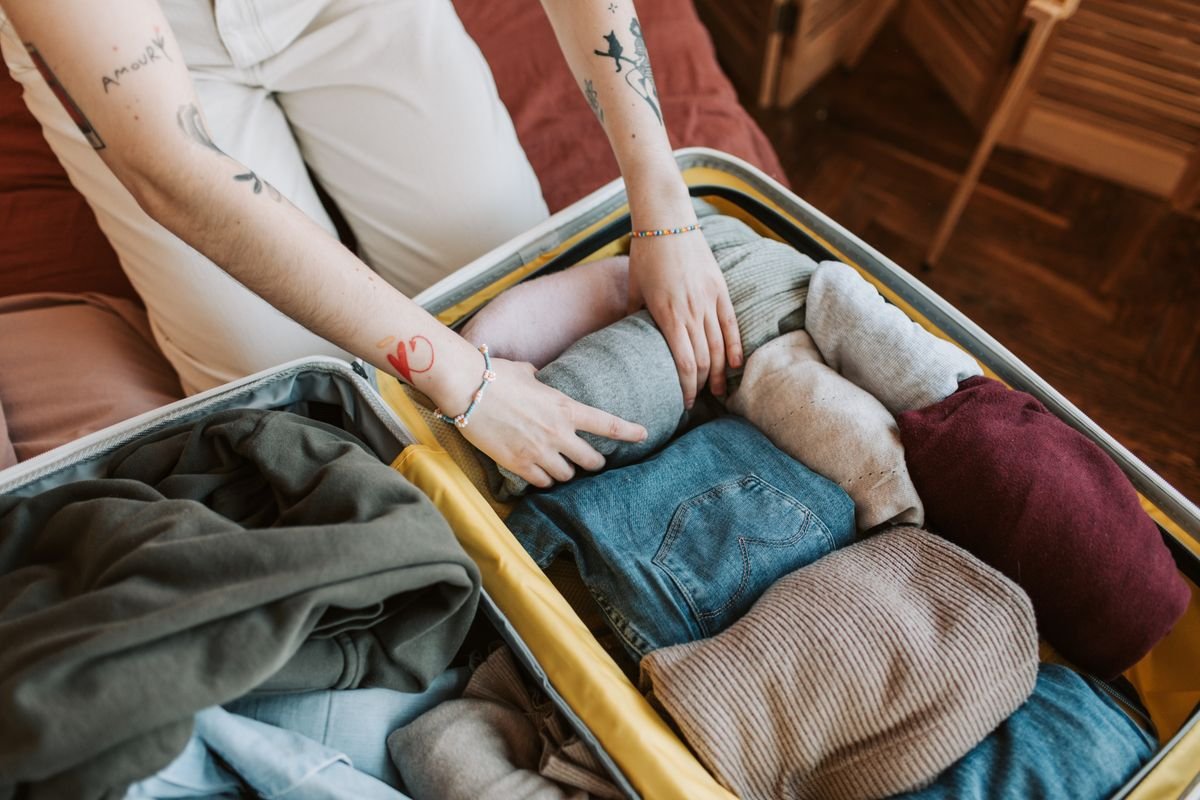
Return ready clothes to their established places. If a cube or compartment changes purpose, tell the other parent explicitly. A familiar container filled with a different clothing state can cause confusion during a rushed morning, especially when both parents retrieve items for the child.
Our packing cubes for three guide helps organize the search rather than merely compress the load. Use that recognizable map while allowing a separate appropriate route for garments awaiting care. More containers are unnecessary when a clear existing arrangement already works.
Connect separation to the next action
Decide whether suitable care happens during the stay, through a confirmed service, or appropriately after returning home. Include the onward schedule and the actual facilities. Do not keep adding used items to a bag without checking whether the planned care route still makes sense.
The family return-home unpacking guide helps prioritize belongings that cannot appropriately wait. Keep those needs visible before the final journey rather than treating unpacking as the first moment when garment care matters.
Should every traveler have a separate used-clothes bag? Only if the materials, space, care needs, and family routine support it. A shared suitable system may be simpler when contents and next actions remain clear. Choose through the actual clothing task, not through the idea that three travelers must own three identical accessories.
Official sources and planning checks
Details can change. Confirm dates, accessibility, booking conditions and current charges directly before making a purchase. Sources checked 2026-10-15.
Keep planning together
Use the family trip checklist to organize documents, packing and reservations. Our family stay guides explain room and booking tradeoffs.