Begin with the practical decision
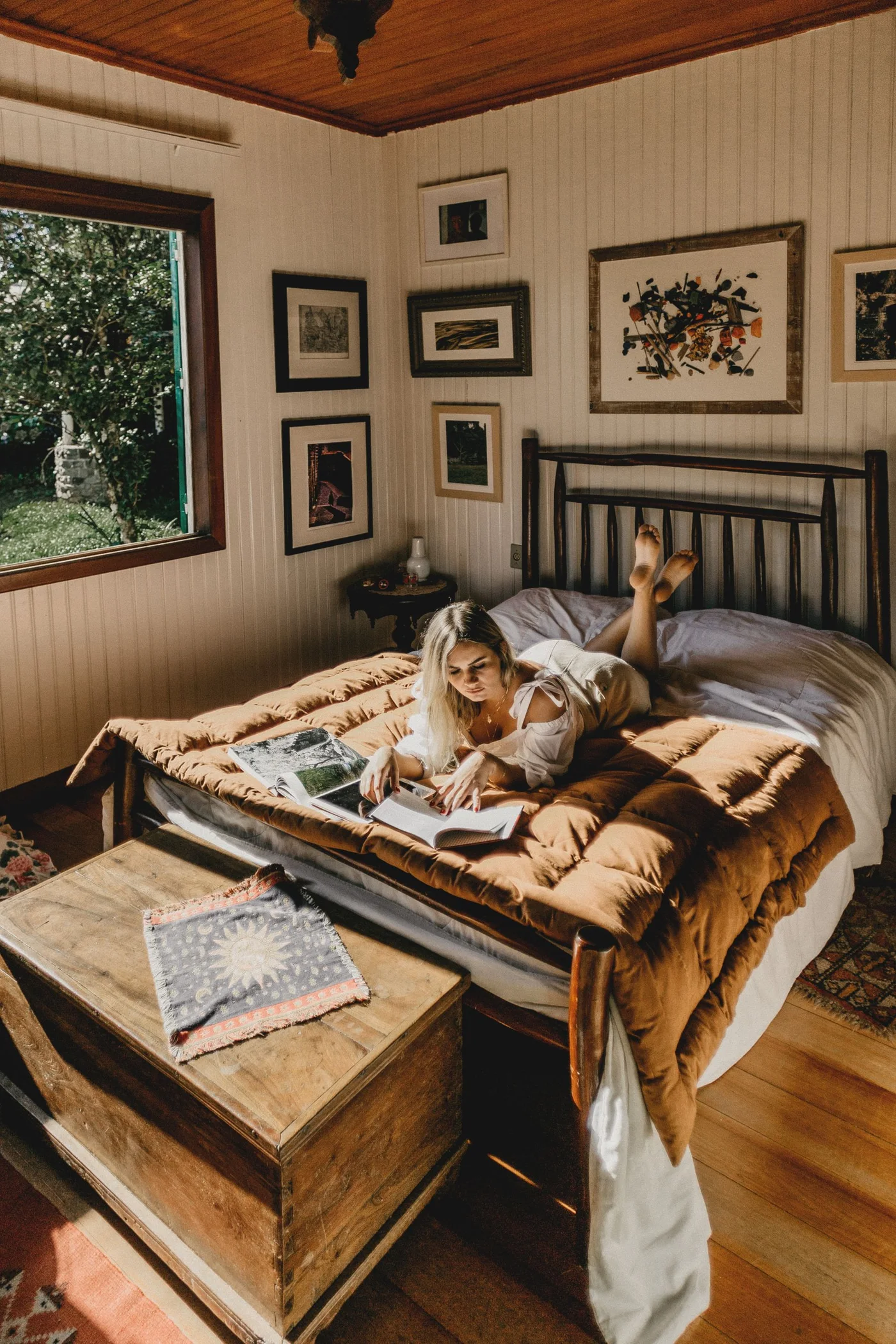
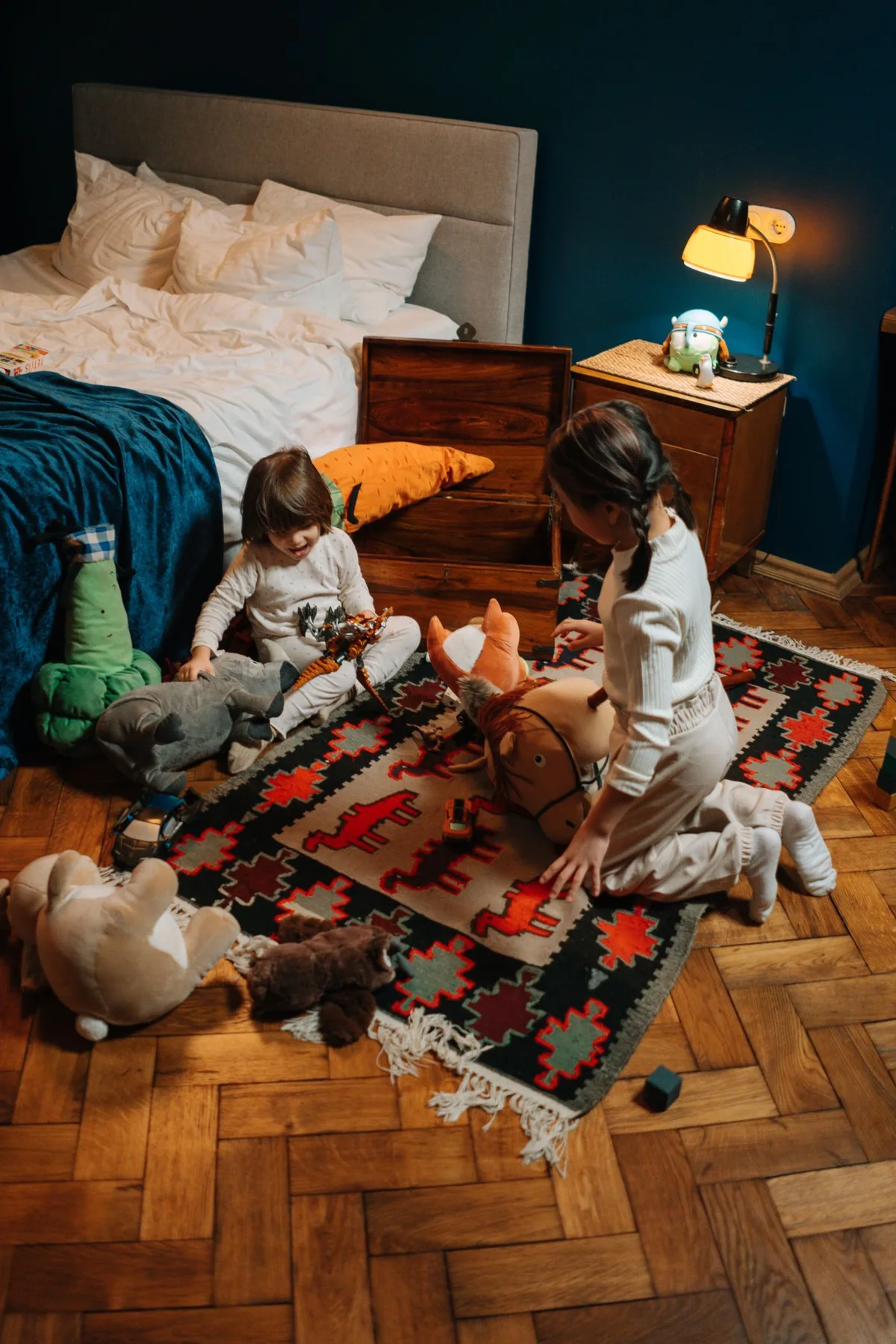
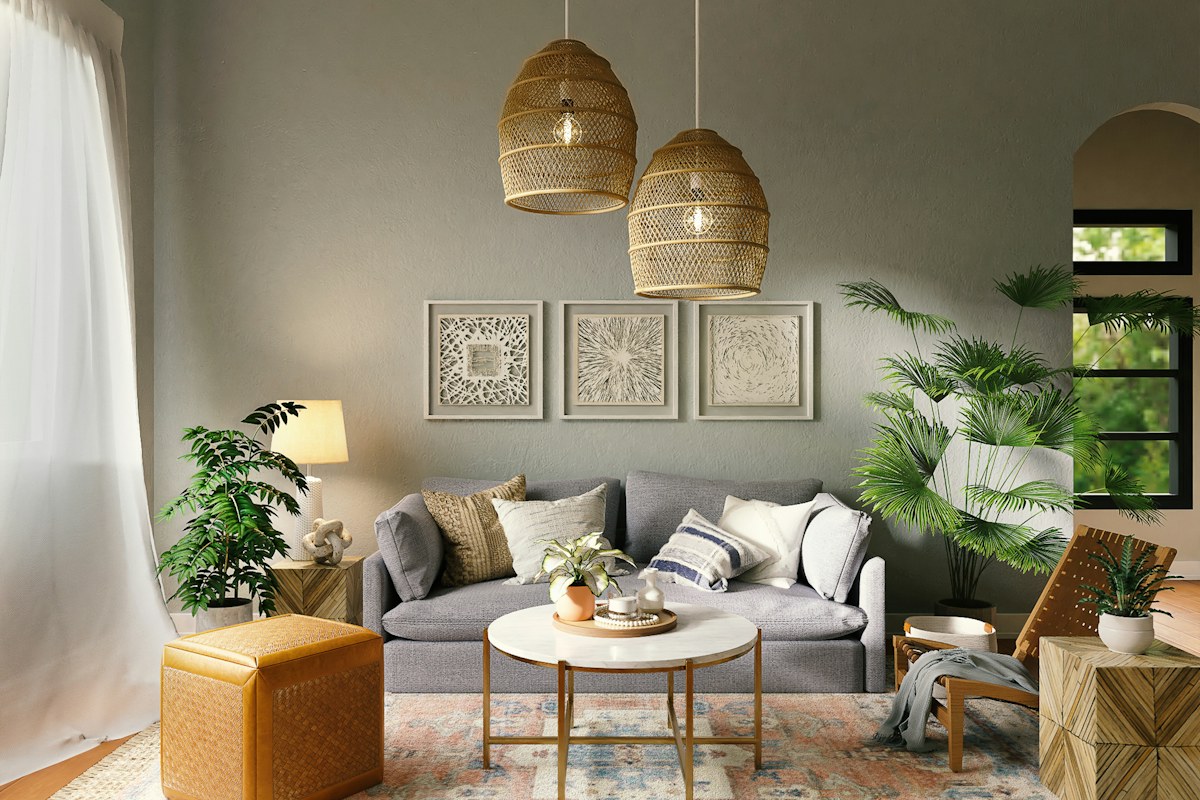
A repeating pattern can give a family something small to notice in a travel stay without adding another outing to the day. A cushion, tile or printed page may offer a starting point, provided it is appropriate to look at in the space you are using. Keep the invitation optional and the observation modest. Nobody needs to complete a worksheet or identify a design style for the pause to be worthwhile.
Choose something already available to see
Use a visible object or surface in an area the family is permitted to occupy. Do not move furnishings, open private storage or handle something delicate to improve the view. Looking at a pattern is different from touching or rearranging the object that carries it.
Choose one clear feature rather than asking everyone to inspect the whole room. Large repeated shapes may be easier to discuss than a dense design, but let the actual participants decide what interests them. Adults remain responsible for the child and the suitability of the activity in that setting.
Ask a question with more than one useful response
You might ask which mark repeats, what appears between the shapes or where a colour returns. Accept plain descriptions. A child calling a shape a little window may be describing a resemblance rather than identifying the designer's intention. Keep that distinction clear without correcting every imaginative comparison.
Adults can offer their own observations without turning the exchange into a test with a hidden answer. Two people may notice different parts of the same pattern. The activity does not need to end with agreement about which detail was best.
Compare a small section with the whole
Look at a few repeated marks, then step back within the ordinary usable space. Notice whether the design still reads as separate shapes or becomes a broader texture. Do not climb furniture or move into an unsuitable position to obtain a different view.
The city colour-looking pause offers a related way to focus attention briefly during a walk. Here the setting is the stay itself, and the question concerns repetition rather than collecting every colour in the room.
Leave any making as a separate choice
If the child wants to draw a pattern afterwards, offer suitable materials through the family's normal arrangements. The drawing can be an invented response rather than a copy of the accommodation's design. Do not mark borrowed objects or household surfaces as part of the activity.
The travel pencil kit guide helps with materials that have a clear packing and return plan. Adults should choose products appropriate to the participants and follow their instructions rather than improvising through an unfamiliar kit.
Finish when interest moves elsewhere. You can keep a small description if someone wants one, but the observation does not need to become a public photograph or a formal learning record. It has done enough when the family noticed one ordinary detail together and left the room ready for its normal use.
Official sources and planning checks
Details can change. Confirm dates, accessibility, booking conditions and current charges directly before making a purchase. Sources checked 2026-10-28.
Keep planning together
Use the family trip checklist to organize documents, packing and reservations. Our family stay guides explain room and booking tradeoffs.