Begin with the plan
A pool bag needs to work after swimming as well as before it. For two adults and one child, that means finding dry clothes without covering them in damp towels, keeping small personal items recognizable, and completing the route back to the room. A modest shared bag can work when those jobs have clear places.
Confirm the activity's arrangements
Check the facility's current rules, supervision requirements, changing arrangements, towel provision, and any relevant access details directly. Follow appropriate water-safety guidance and choose activities suitable for your family. A packing plan does not establish that a pool or swimming activity is safe or suitable.
Decide what is actually needed for the confirmed session. Avoid carrying an entire beach-day kit to a short hotel-pool visit. Equally, do not leave an essential item behind merely because the room seems close. The route and facilities should determine the useful contents.
Keep a complete dry change together
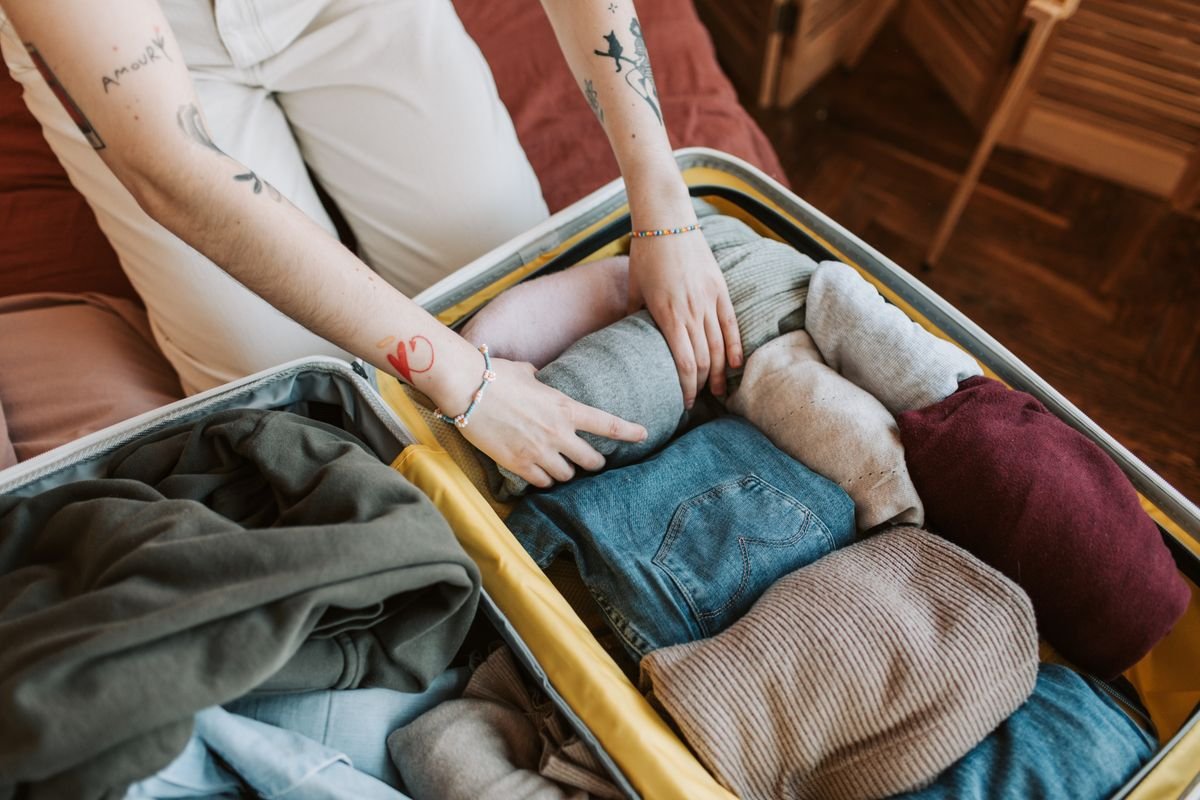
Pack the child's required dry clothes as one recognizable group, including the small support pieces. Give each adult's items a clear place too. Use suitable separation from wet belongings and possible leaks. A dry top is not a complete solution if the rest of the outfit is no longer comfortable.
Plan the order of changing with appropriate adult supervision. The adult who needs a personal item should be able to find it without unpacking all three people's clothes. A shared bag works through clear grouping, not simply a large capacity label.
Give damp items temporary separation
Use a suitable container for the journey back and follow the swimwear and towel care instructions. Check closures and realistic leakage limits. Keep the damp section away from electronics, documents, and dry clothes. Remove it promptly at the next appropriate place for proper care.
Do not let the wet bag become permanent storage until the next swim. Clean and dry the container as directed. If several garments have different care needs, keep that distinction understandable instead of assuming the shared bag makes them one laundry category.
Make small items visible
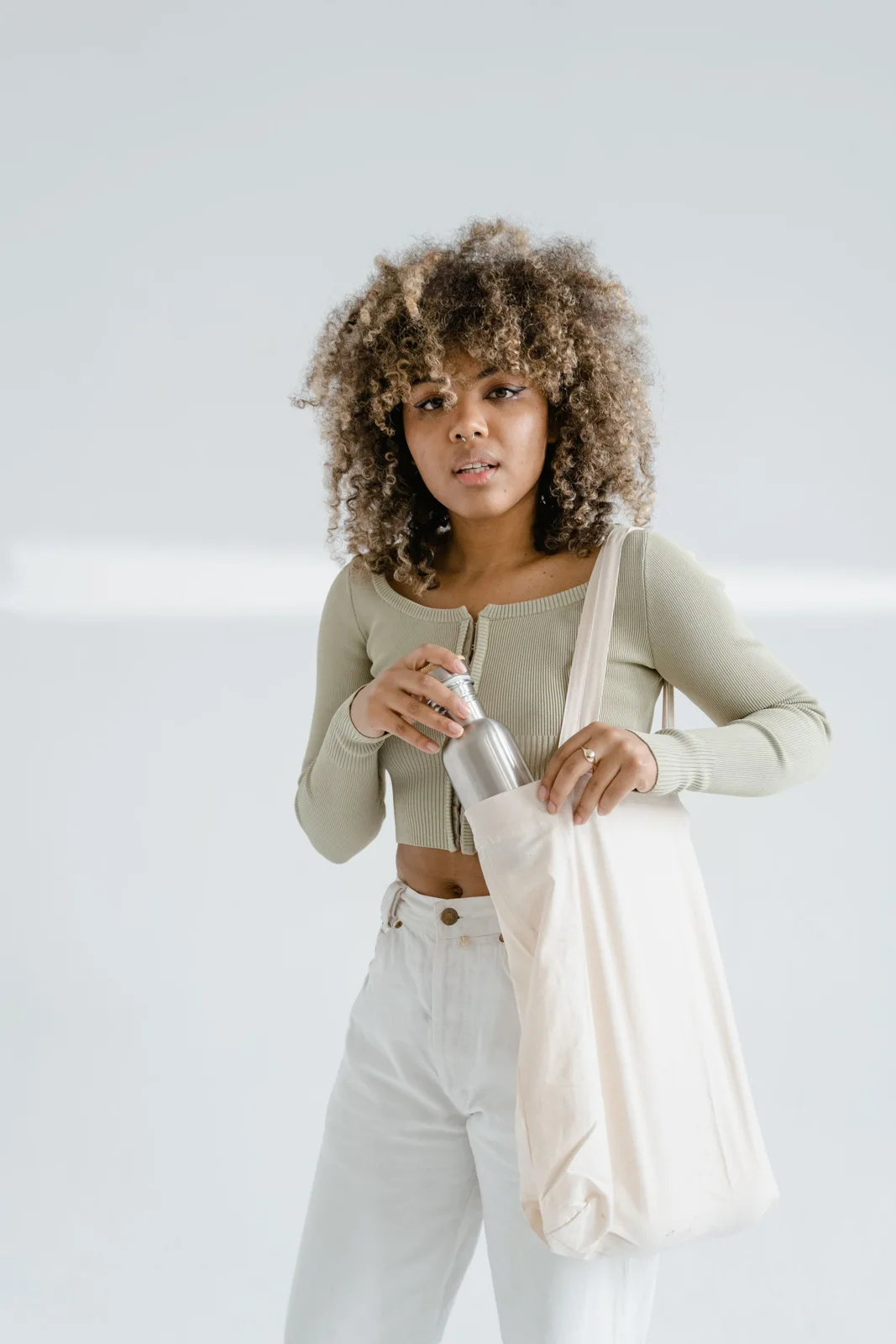
Choose a defined suitable place for goggles, caps, or other equipment actually required. Follow product instructions and age guidance. Count the small set before leaving the facility rather than searching the room later. Avoid packing multiple duplicates unless they solve a specific need.
Keep personal valuables handled according to an appropriate verified arrangement. A towel folded over an object is not a security plan. Check the facility's actual storage options and conditions rather than assuming lockers or supervised storage are available.
Close the bag's loop at the room
Deal with damp items and inspect the bag for moisture or residue. Return clean ready items to their place only after suitable care. Note what stayed unused so the next session can be lighter. The useful bag is the one you can maintain between activities, not only pack neatly once.
Do we need separate bags? Use the arrangement that keeps access, supervision, and carrying manageable. Should we bring towels? Verify the provider's current arrangement and permitted use. Can the child carry the wet section? Choose age-appropriate manageable tasks under suitable supervision rather than assigning a load by symmetry.
Our family daypack guide helps choose a comfortable carrying setup. The beach-stay guide considers the route between activity and room.
Official sources and planning checks
Details can change. Confirm dates, accessibility, booking conditions and current charges directly before making a purchase. Sources checked 2026-10-14.
Keep planning together
Use the family trip checklist to organize documents, packing and reservations. Our family stay guides explain room and booking tradeoffs.