Begin with the practical decision
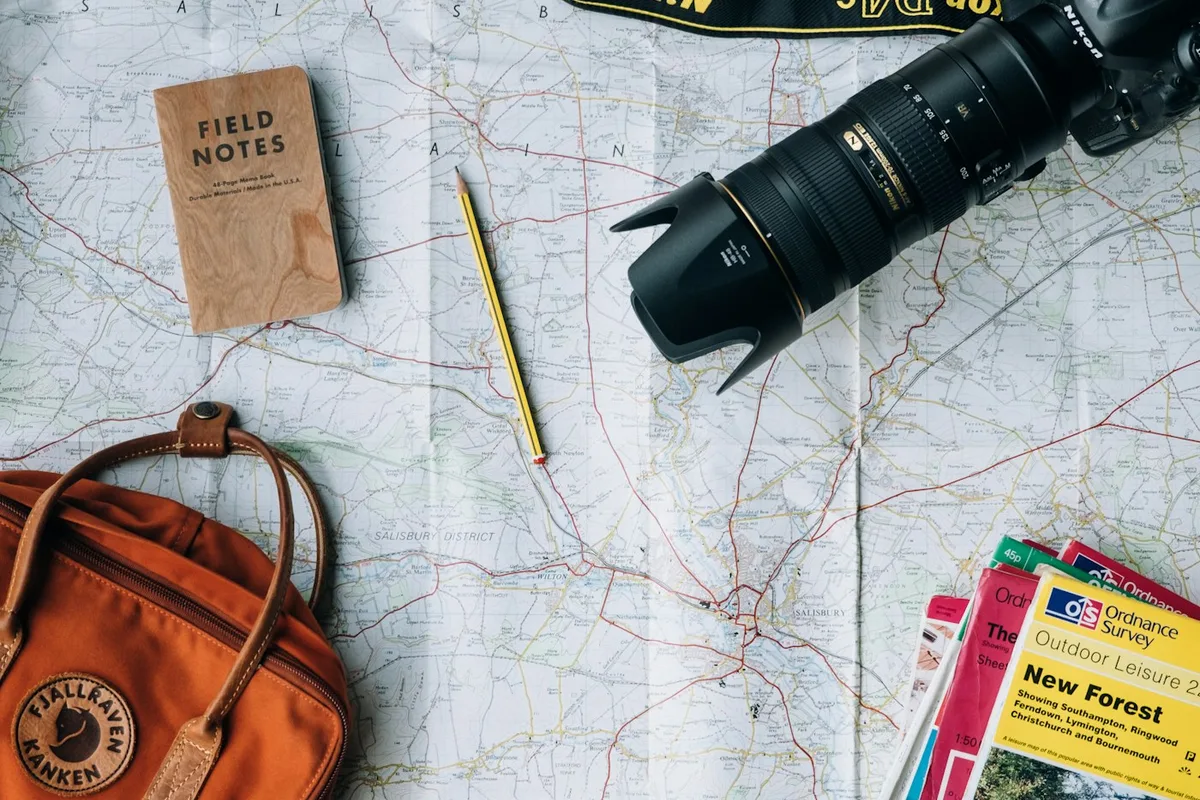
A paper map can move between two parents and a curious child during an outing. Without a clear return place, it may end up folded into a coat pocket that leaves with the wrong adult. Give the map an appropriate home in the family bag and explain that it returns there after each suitable use.
Decide what the map provides
Check the map's date, scope and intended purpose. It may help explain the broad street layout while current transport, closures and access details need official verification. Do not assume the printed route is presently open or suitable for the family's needs simply because the line is easy to follow on paper.
Choose a useful section for the outing while preserving surrounding context. An adult should manage the practical navigation and any essential journey information. The child can explore the map in an age-appropriate way without becoming responsible for directing the family through an unfamiliar place.
Choose the return position
Use a suitable accessible compartment that protects the paper from wet or dirty belongings. Make the position understandable to both parents. A map placed wherever there is space may be technically packed and still unavailable when the adult who needs it cannot identify the pocket.
The family daypack guide helps compare one shared bag with another carrying arrangement. The map's position should fit the actual load and roles, rather than requiring the parent managing another task to unpack the entire bag at every junction.
Consult it while stopped
Choose an appropriate place clear of moving routes before opening the map. Keep the child suitably supervised and the family's belongings controlled. Do not spread a large sheet across a doorway or walk through a crossing while trying to interpret it. Ask appropriate staff or official sources when uncertain.
The child city-map activity can remain a separate enjoyable moment. A game and practical navigation have different responsibilities. Make it clear when the family is looking together for interest and when an adult needs to check the actual next step.
Return it before moving
Refold the map in an appropriate manageable way and place it back in the agreed position. If another adult will carry the bag, confirm the handover through the actual route plan. Keep essential booking details and private information in suitable secure records rather than writing everything across a map that may be photographed or shown to others.
Should each parent carry a copy? That can help in some arrangements, but duplication does not replace a shared understanding of the current plan. Use the resources suited to the trip and keep them current. The useful routine makes the map easy to find, consult and return, while the family remains attentive to the actual place rather than the paper alone.
Official sources and planning checks
Details can change. Confirm dates, accessibility, booking conditions and current charges directly before making a purchase. Sources checked 2026-10-15.
Keep planning together
Use the family trip checklist to organize documents, packing and reservations. Our family stay guides explain room and booking tradeoffs.