Begin with the practical decision
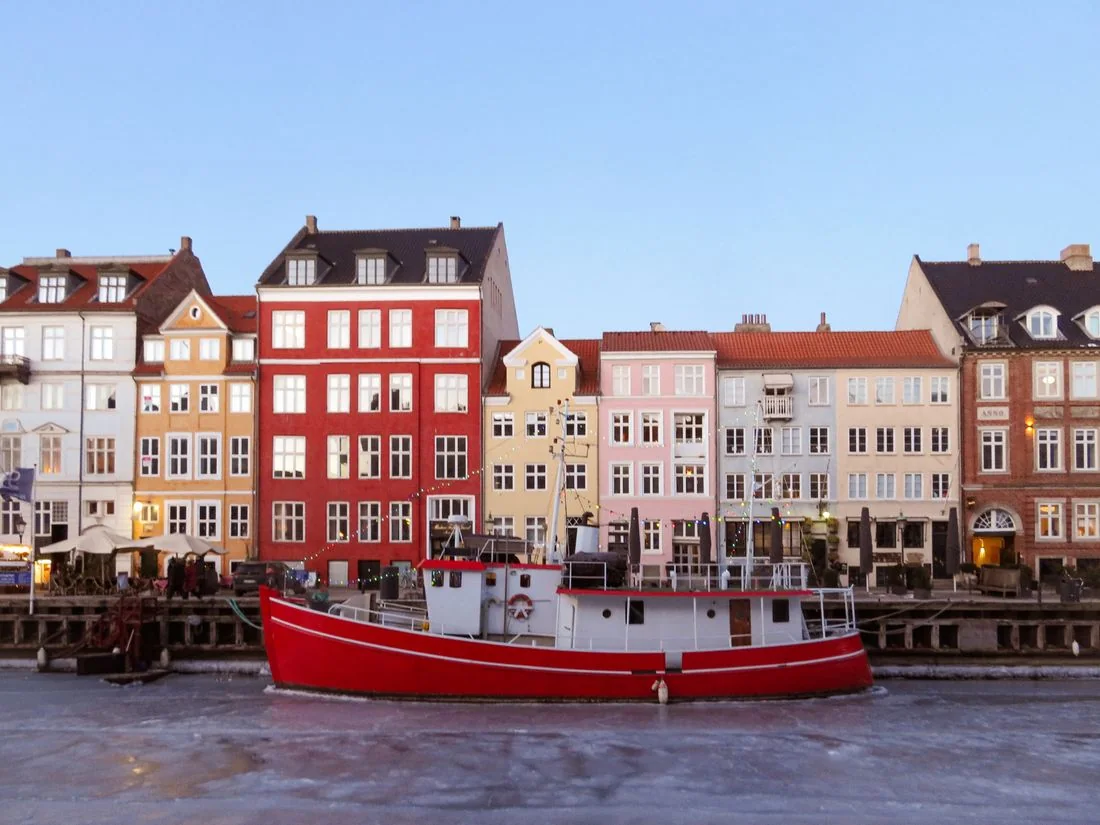
A family harbor photograph can be a simple exercise in deciding what belongs in the foreground and what explains the setting behind it. The scene may contain boats, buildings, people and water competing for attention. Choose one visual idea together rather than asking a child to capture every attractive feature in a single frame.
Name the intended subject
Ask what the photograph is meant to show. A boat shape, a reflection or a relationship between colours can each lead to a different frame. Let the child's preference remain personal instead of turning the choice into a lesson with one required answer.
Keep visual observations separate from factual identification. A building's colour or a vessel's appearance does not establish its history or purpose. If a name or explanation matters, use a reliable reference rather than adding a confident guess to the caption.
Choose an appropriate shared position
Follow the location's current rules, signs and instructions and keep ordinary routes clear. The adults should decide whether the proposed activity fits the actual setting and people involved. Do not move into an unsuitable place to recreate a photograph that inspired the outing.
The family photo-turns guide helps keep participation shared without a long pose sequence. A brief framing comparison can be optional, with equipment handled according to its instructions and the owner's agreement.
Compare two different relationships
From a suitable permitted position, consider a frame where the chosen detail is prominent and another where more surrounding context remains visible. Ask what changed. The wider version may explain the harbor setting, while the closer one may make a pattern easier to notice.
Do not judge the result only by whether it looks tidier. Removing context can also remove the detail that made the image meaningful. Keep the comparison connected to the original subject rather than declaring that one type of composition is always better.
Review who else entered the image
Look at edges, reflections and background people before keeping or sharing the result. A person can become prominent even when the intended subject was a boat or building. Reframe, choose another image or leave the photograph unshared when that better fits the family's agreement and the setting.
If more than one person used the camera, keep the equipment handover clear before moving on. The owner should know who has it, while a new operator needs only the understood task rather than an unexplained collection of settings to manage.
The family photo-sharing guide helps make the audience and caption a separate decision. Do not treat enthusiasm during the activity as permission for every later use. Afterwards, keep the comparison the child wants to remember, or simply enjoy the looking without turning it into another album task. A useful harbor exercise makes the photograph more deliberate while leaving the outing, the people present and the child's own choice larger than a lesson about getting the perfect frame.
Official sources and planning checks
Details can change. Confirm dates, accessibility, booking conditions and current charges directly before making a purchase. Sources checked 2026-10-18.
Keep planning together
Use the family trip checklist to organize documents, packing and reservations. Our family stay guides explain room and booking tradeoffs.