
Begin with the practical decision
A skyline can become a small drawing subject for a family pause without requiring a child to name every building. Choose one permitted view and a modest question about its visible shapes. The page can preserve what someone noticed while leaving the drawing unfinished, the identification uncertain and the rest of the outing free from an artistic assignment.
Choose the viewpoint through the actual outing
Use an appropriate public position and follow current site instructions, access arrangements and conditions. Do not move toward an unsuitable edge or occupy a private place to make the view resemble another image. The position available to the family today can define the drawing.
Agree a modest pause with the people involved rather than announcing that everyone must remain until the page is complete. A drawing activity should fit the actual visit and the child who wants to try it, not replace the shared day without discussion.
Look for a few visible relationships
Ask what the child sees: a long band of buildings, a taller shape among shorter ones or a broad area of sky above the view. Let them choose what interests them without correcting the page toward an adult's preferred proportions.
The exercise can begin with simple shapes or a few marks. It does not need a formal technique, a realistic result or a particular number of buildings. Avoid promising that one method will improve ability or produce a recognizably professional picture.
Keep names separate from observations
Record a reliable location only as precisely as it can be established. A distant tower should not acquire a famous name simply because someone recognizes a rough outline. A description such as tall building beside the water can remain a useful observation while an identification waits for a dependable source.
The child question guide helps preserve that distinction. A question about the view is part of curiosity, not a gap the adult must fill immediately with a confident guess.
Use modest appropriate materials
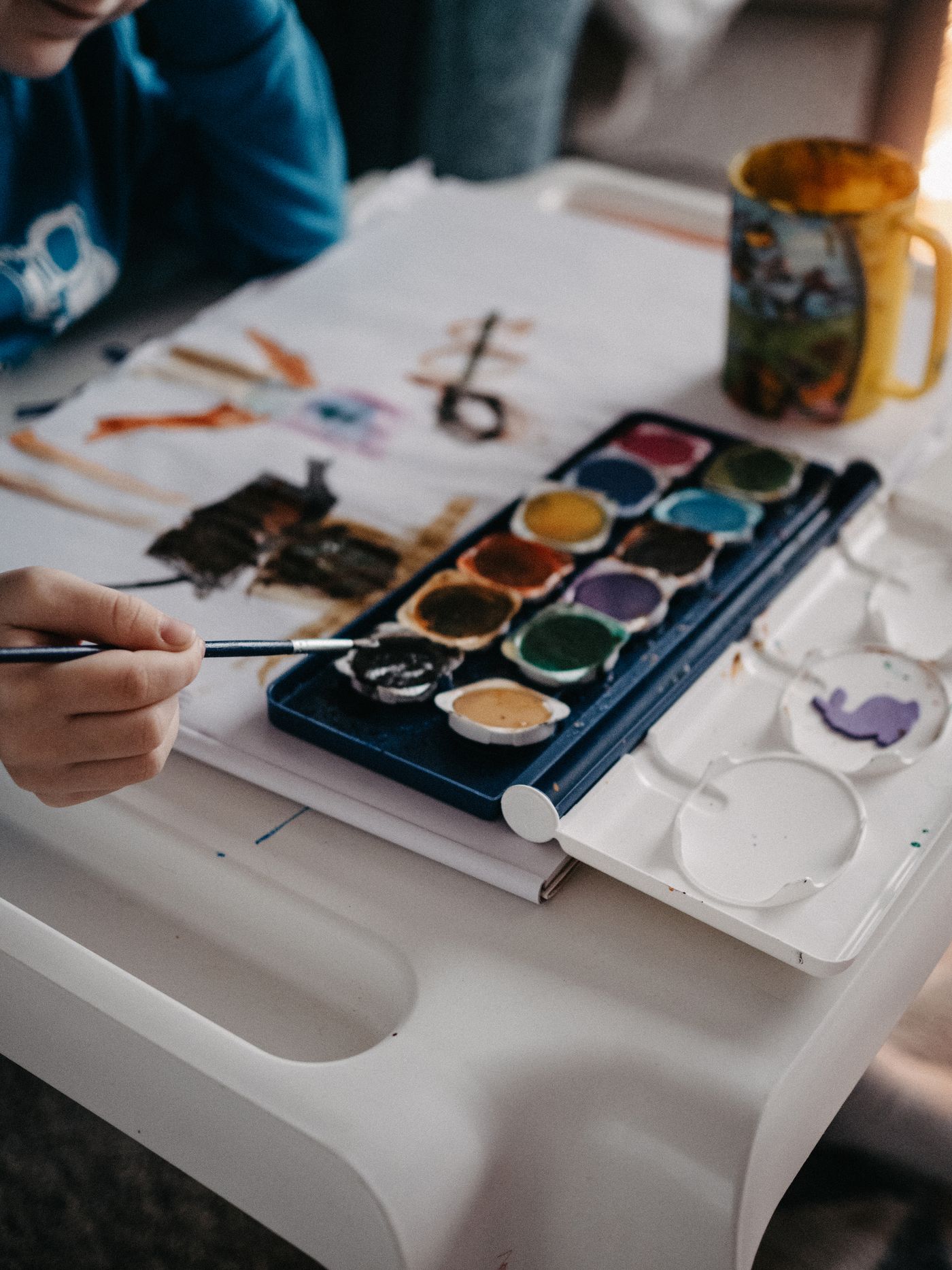
Follow the actual materials' guidance and choose an appropriate setup for the place and child. Keep belongings manageable and shared routes clear. An open notebook is enough for a small record when that suits the circumstances; a large set of tools is not required to make the pause count.
The travel pencil-kit guide supports a complete packing and return routine. Materials should be easy to identify and appropriately put away rather than spreading across a public surface while the family prepares to move.
Let the page belong to its maker
Ask before adding an adult correction, finishing a missing part or sharing the drawing. A child's choice to make a private picture does not automatically create permission for a public post or a claim about their experience of the whole trip.
End the pause when the agreed plan calls for it, even if the skyline remains a few shapes. A simple caption in the child's own appropriate words may preserve the interest they chose. The useful family sketch records a real moment of looking, leaving the quality, completeness and audience of the page as choices rather than obligations.
Official sources and planning checks
Details can change. Confirm dates, accessibility, booking conditions and current charges directly before making a purchase. Sources checked 2026-10-21.
Keep planning together
Use the family trip checklist to organize documents, packing and reservations. Our family stay guides explain room and booking tradeoffs.