

Affiliate disclosure: As an Amazon Associate I earn from qualifying purchases. Learn more
Grown adults are tearing up in front of old pencil sketches, and nobody here finds that strange. Tucked into a historic corner of San Francisco, one museum tells the story of a Missouri farm boy who turned doodles into a worldwide dream.
The exhibits hold original drawings, rare footage, personal letters, and a giant model of a famous theme park that stops people in their tracks. Fans arrive expecting cartoons and leave with a new respect for the artists, the risks, and the family behind them.
Keep reading to learn what makes these galleries so moving, which exhibits deserve extra time, and the practical tips that will save your visit from a closed-door surprise.
A Red Brick Home in the Presidio
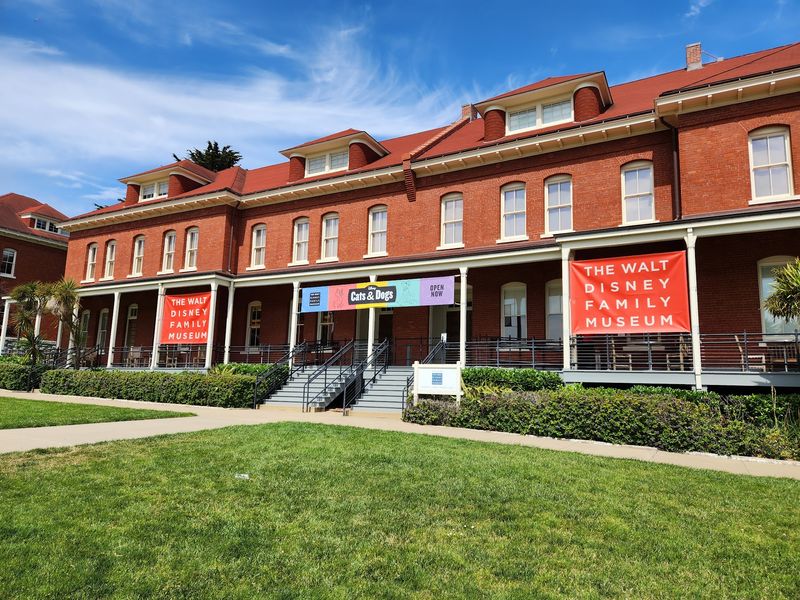
The address to save is 104 Montgomery St, San Francisco, CA 94129, inside the Presidio in California. The Walt Disney Family Museum sits in a handsome red building close to the Golden Gate Bridge.
Its focus is Walt Disney himself, the man rather than the brand. Exhibits trace his life and career, from family roots to the creation of Disneyland.
The galleries spread across two floors. Hands-on exhibits mix with original artwork, artifacts, and memorabilia, so the experience never feels like a dusty archive.
The museum carries an impressive 4.6-star standing from more than 4,200 opinions online. That kind of steady praise is rare for any attraction, let alone one with such a specific subject.
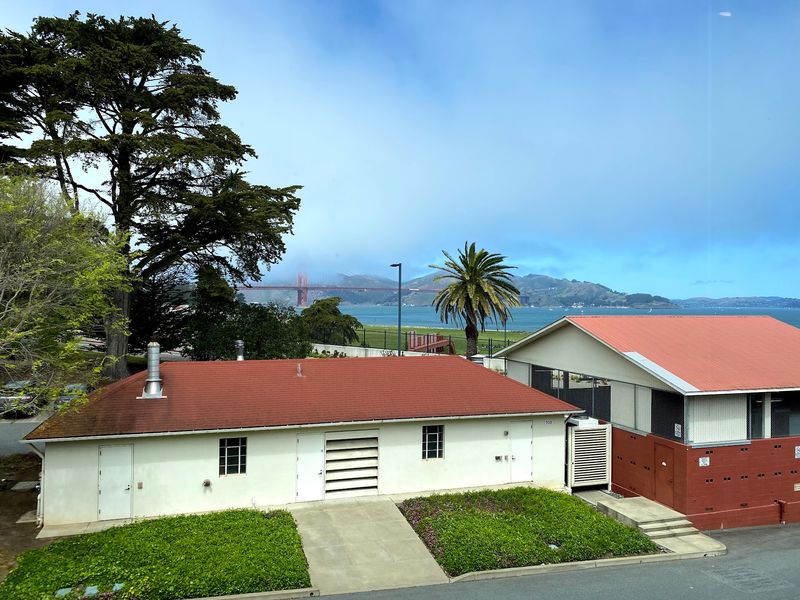
The Presidio setting adds a bonus layer. The neighborhood is easy to reach from the Marina area on foot, and a nearby walkway offers a clear look at the Golden Gate Bridge.
One small detail surprises many first-timers. The name says Family Museum for a reason, because this place is about Walt’s family story, not costumed characters or rides.
That distinction matters, and the rest of this tour shows exactly why it works so well.
From Farm Boy to Hollywood Dreamer
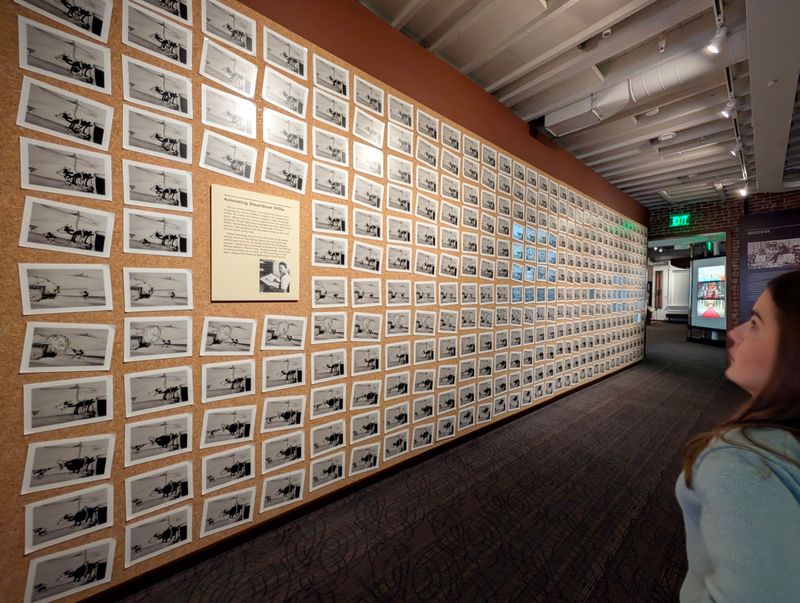
Every great cartoon starts with a blank page, and so does this museum. The early galleries follow Walt through his childhood and his family life before fame arrived.
Personal photos fill the walls. Historic items from his youth sit alongside details that even longtime fans have never heard before.
The timeline then moves with him to Chicago and later to Hollywood. Along the way, the exhibits show the various companies he worked for and the first drawings and designs he made.
What stands out is how clearly his ideas grow. Room by room, the progression from small experiments to a bigger vision becomes easy to follow.
The storytelling is thoughtful and honest. It treats Walt as a real person with setbacks, gambles, and stubborn persistence, rather than a flawless legend.
Listening devices let guests hear Walt and others speak about different moments in his life. Those recordings turn the timeline into something closer to a conversation.
Many people walk in knowing the famous name and very little of the backstory. They tend to walk out understanding him, his family, and the brand much better than before.
Snow White and the Art of the Pencil
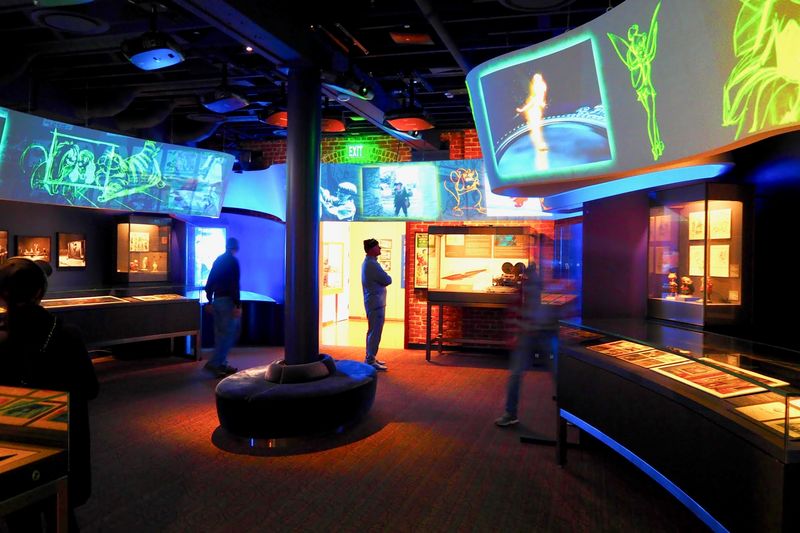
Real animation drawings carry a quiet kind of magic. Seeing the actual pencil lines behind beloved films is where many fans start reaching for tissues.
The Snow White and the Seven Dwarfs section ranks among the most talked-about parts of the museum. It covers a turning point in film history and the huge risk Walt took to make it happen.
Rare sketches, historical footage, and original drawings line this stretch of the galleries. Each piece reveals how much hand work went into a single moment on screen.
Audio clips add the voices of artists talking about their craft. Hearing them alongside their work brings back memories of the movies and shows many people grew up with.
The museum also shines a light on the animators and collaborators who shaped these classics. Their names and contributions get real recognition here.
Quick fact for trivia fans: the section ties directly to the studio’s first full-length animated feature, a project many doubted at the time.
Plan to slow down in these rooms. Rushing through the sketches is the easiest way to miss the best details.
Hard Chapters Told Straight
Not every chapter of the Disney story is cheerful, and the museum does not pretend otherwise. That honesty earns a lot of respect.
The galleries cover the 1941 animators’ strike and how it affected everyone involved. It is presented with care, without glossing over the tension.
Beyond the strike, exhibits highlight the financial risks Walt took again and again. The theme of persistence runs through the whole building.
Some see the museum less as a story about cartoons and more as a lesson in creativity, risk-taking, and innovation. It feels relevant to anyone chasing a big idea.
The central message often lands on Walt’s desire to bring joy to the world. That goal frames even the tougher periods with a sense of purpose.
Because of this depth, the museum tends to appeal strongly to adults. Kids are still welcome, yet grown-ups often get the most out of the reading and footage.
A balanced history makes the happy moments land harder, and that is a big part of why the final rooms hit so emotionally.
The Showstopping Disneyland Model

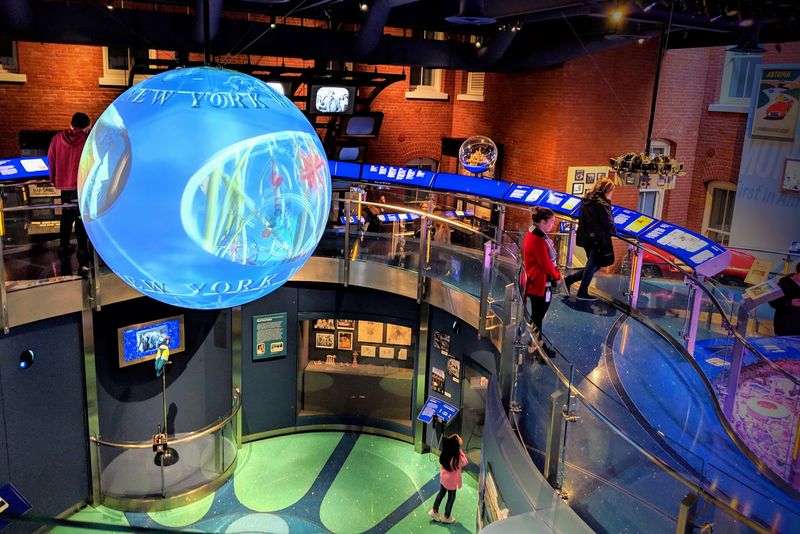
Big things come in small scale here. The massive replica model of Disneyland is the moment most guests name as their favorite.
The model is incredibly detailed and fun to study from every angle. Surrounding displays explain how the park came together and the vision behind it.
Nearby, José the Audio-Animatronic parrot from Walt Disney’s Enchanted Tiki Room makes an appearance. Guests can interact with him, which delights kids and adults equally.
The multiplane camera demonstration is another favorite. It shows how animators created depth in their scenes, and it explains a lot about classic films.
A bonus exhibit downstairs recently focused on Disneyland’s 70th birthday. Temporary shows like that rotate, so checking the website before a trip is smart.
Interactive exhibits pop up throughout the museum. Families find plenty of hands-on stops to keep younger guests engaged between reading panels.
For theme park fans, these rooms are the payoff. Expect to linger longer than planned, and do not feel bad about it.
Why So Many Fans Get Misty
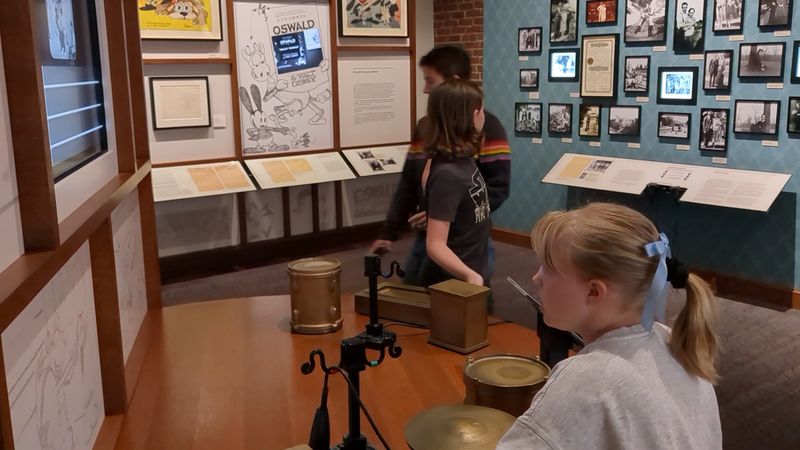
Crying at a museum sounds unusual until a familiar character appears in its earliest pencil form. Nostalgia does the rest.
Plenty of guests admit to shedding happy tears here. Lifelong fans often connect the exhibits to their own childhoods and family memories.
Some couples even return to celebrate anniversaries. One pair marked their first date here on Valentine’s Day years ago and still calls it amazing.
The flow of the galleries supports that emotional pull. People rarely feel rushed or bored, and the storytelling makes time slip away.
Staff add to the welcome. Team members are spread throughout the building, friendly, knowledgeable, and happy to share details about the galleries.
The building itself is clean and well kept, restrooms included. Ramps and lifts make it wheelchair friendly, so the experience works for many kinds of travelers.
Disney buffs will feel right at home, but curious history lovers find plenty to enjoy too. Bring both kinds of companions and compare notes afterward.
Hours, Tickets, and Smart Timing
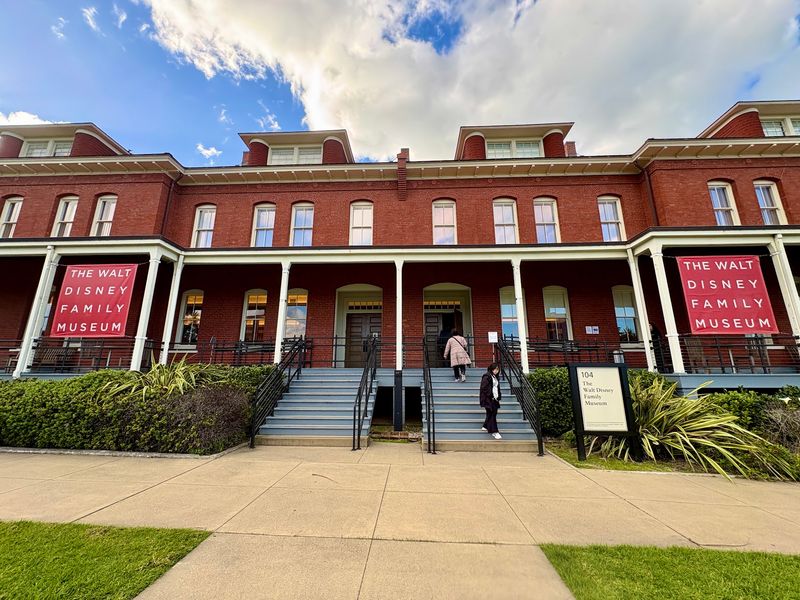
Mark the calendar carefully, because timing is everything. The museum is open only Thursday through Sunday, from 10 AM to 5:30 PM.
Monday, Tuesday, and Wednesday are closed days. Many travelers learn this the hard way, so plan around it.
Tickets can be purchased online in advance, which is easy and recommended. Buying at the door is also possible, with separate price options for adults, kids, and others.
Military members and veterans get in free, and spouses or dependents are included. Most guests consider the cost reasonable for the depth of content.
Time inside varies widely. A quick visit takes about an hour, while devoted fans often spend four or five hours.
Allowing at least two hours is a safe middle ground. Arriving right at opening helps, since the area can get busy and the audio and video pieces deserve attention.
The cafe inside closes early, so snack plans should come first. A little planning keeps the day relaxed.
Gift Shop Treasures and a Golden Gate Finale
The exit leads straight into a shop worth budgeting for. It stocks apparel, pins, mugs, bags, and art books, many of which are hard to find elsewhere.
Collector’s items like signed art books appear on the shelves too. Staff can ship purchases directly home, which saves travelers from hauling heavy books on the plane.
Parking is plentiful, with accessible spaces right outside. Taxi drop-off works well, and walking from the Marina takes around ten minutes.
Outside, the Presidio grounds offer picnic spots with Golden Gate Bridge views. Food trucks sometimes park across the street at the park.
Extra time nearby? The Lucas Studios offices sit about four minutes away in the Presidio, complete with a Yoda fountain and gift shop.
The Walt Disney Family Museum earns its glowing reputation by telling a human story with heart and honesty. It suits patient fans, curious families, and anyone who loves the story behind a great idea.
Bring tissues just in case. A pencil sketch might be the thing that gets you.