Affiliate disclosure: As an Amazon Associate I earn from qualifying purchases. Learn more
Somewhere along a two-lane stretch of North Florida, there is a town where a monthly rent check can land near $450, which is less than some people pay for a single weekend at the beach. That number sounds like a typo in a state known for sky-high housing costs, yet the people who live here tend to stay put.
The town sits in the Big Bend, the curved part of the map where the Panhandle bends into the peninsula, far from the theme park crowds and condo towers. Keep reading to find out where it is, why it costs so little, and what keeps its roughly 6,900 residents rooted.
A County Seat in Florida’s Big Bend
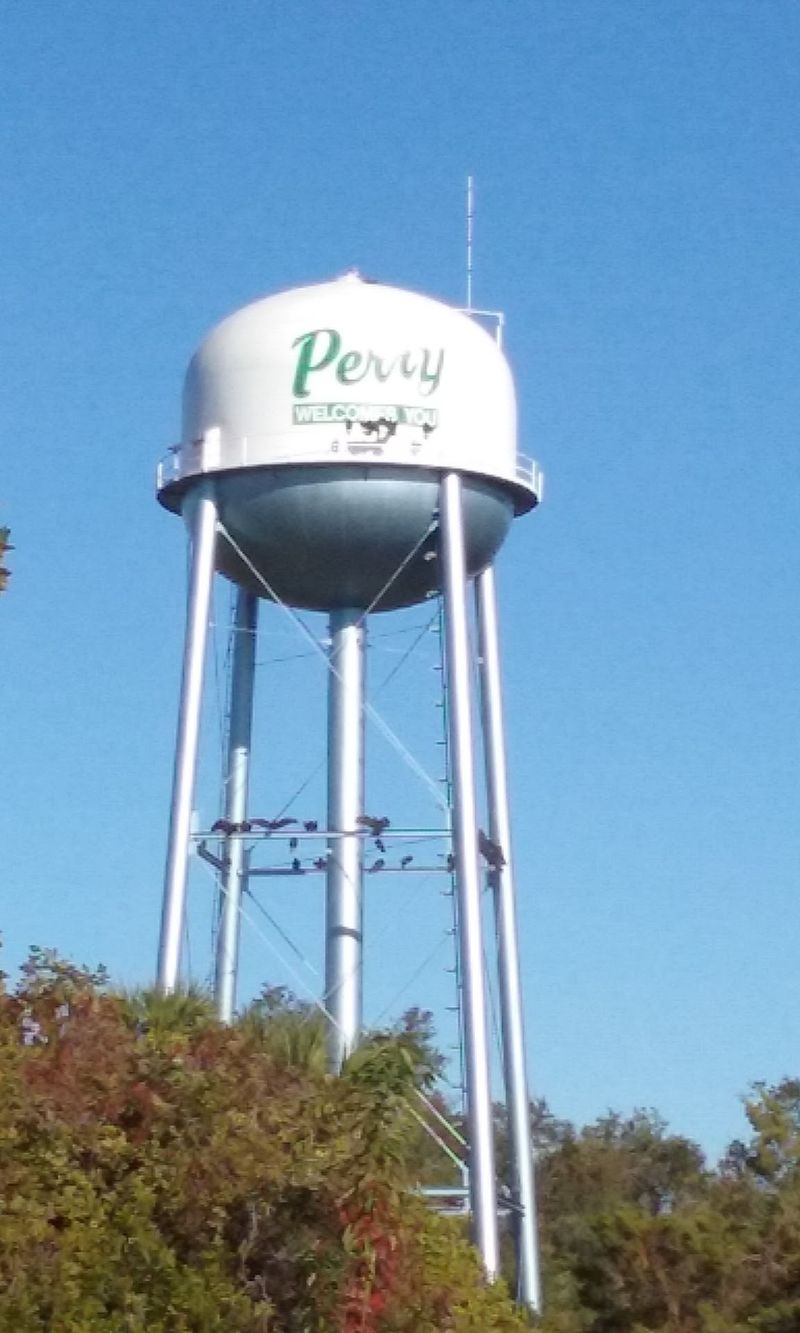
The mystery town is Perry, Florida, USA, a small city that serves as the county seat of Taylor County. It sits in the Big Bend region, where the Gulf of Mexico curves along the state’s northern coast.
Perry is not a beach resort or a big tourist hub. It is a working town with a courthouse, local shops, churches, schools, and neighborhoods where people have known each other for years.
The 2020 census counted 6,898 residents. That headcount puts Perry in the sweet spot between a sleepy crossroads and a crowded suburb.
Major highways pass right through town, linking Perry to Tallahassee to the northwest and the Gulf Coast communities to the south. Many travelers know the place only as a spot to refuel on the way to somewhere else.
That reputation is part of the charm. A town that most drivers zip past tends to hold on to its prices, its pace, and its people.
For anyone tracking affordable Florida living, Perry has become a name that keeps popping up in conversations about where the dollar still stretches.
The Governor Behind the Name
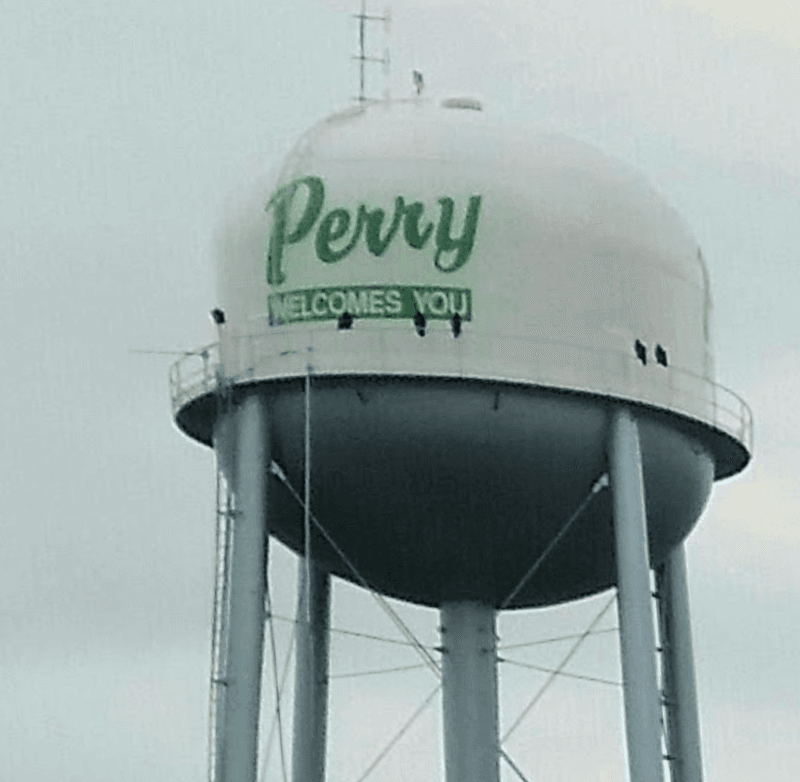
Every town name tells a story, and Perry’s goes back to the state’s early years. The city was named for Madison Perry, the fourth governor of Florida.
Madison Perry served as governor before and during the early part of the American Civil War. He also held the rank of colonel in the Confederate army.
Naming towns after political leaders was common in Florida during the 1800s. Counties and cities across the state still carry the names of governors, generals, and early settlers.
Today, the name is mostly a piece of trivia for residents. Ask around and plenty of people will know the town shares a name with a governor, even if they cannot recall which number he was.
Here is a quick fun fact to bring to the next trivia night. Perry the city has outlasted the term of Perry the governor by well over a century and a half.
History buffs who want more context can explore the region’s past through local museums and county records. The town’s roots are older than many of Florida’s flashier destinations, and that long story is part of what gives the place its steady, settled feel.
Why the Rent Stays So Low
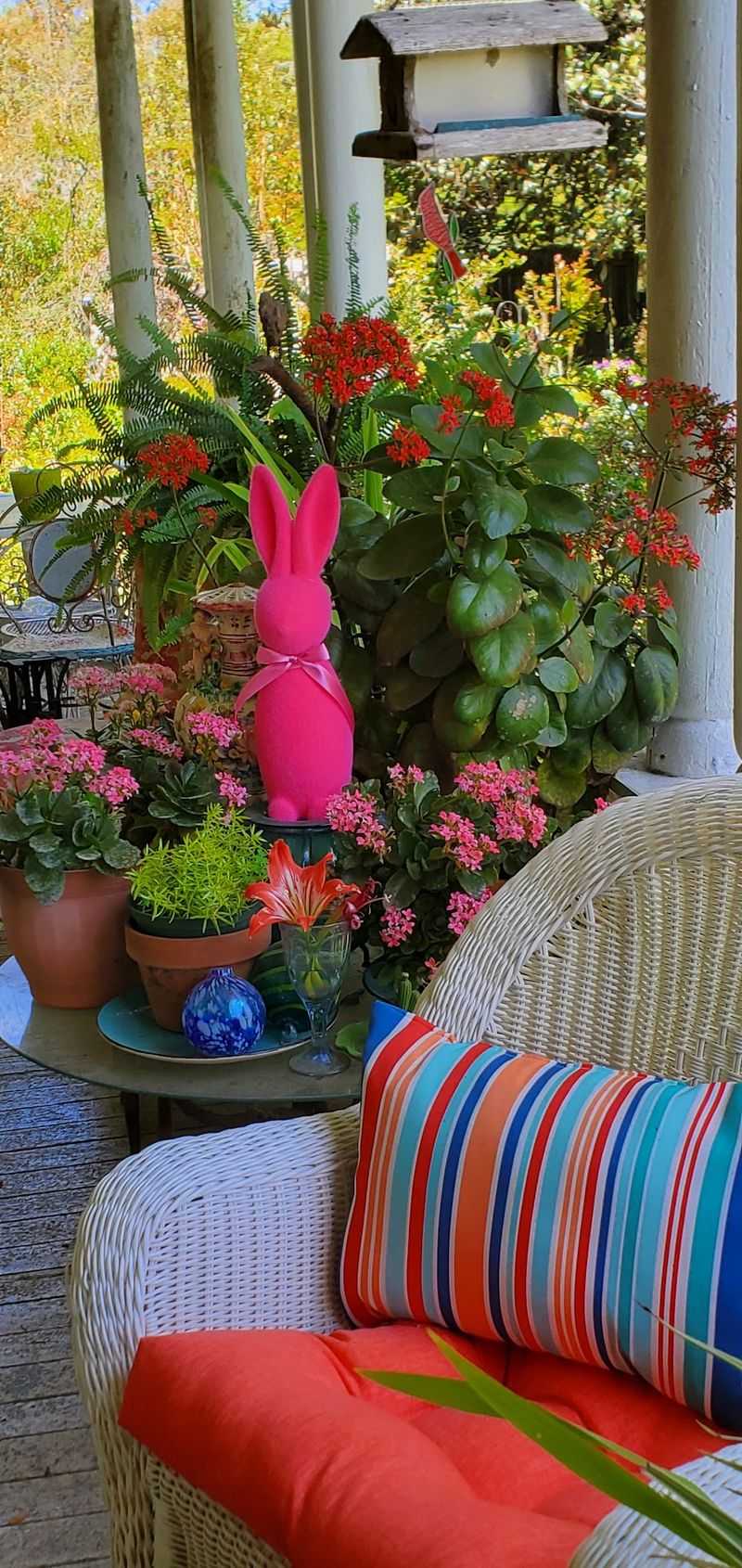
Here is the headline number that grabs attention. Rents in Perry can run around $450 a month for some units, a figure that seems almost impossible in modern Florida.
Prices vary by home, size, and condition, so not every listing will hit that mark. Still, the general cost of housing in Perry sits far below what renters face in cities like Miami, Tampa, or Orlando.
Several factors help explain the gap. Perry is a small, rural community far from major tourist corridors, so it does not face the same pressure from vacation rentals and seasonal buyers.
Land is also more plentiful here. Wide lots and modest homes are common, and demand does not spike the way it does near famous beaches.
For retirees on fixed incomes, remote workers, and young families, that difference can mean real breathing room in a monthly budget.
Anyone thinking about a move should check current listings, since rents change over time. Even so, Perry remains one of those rare Florida spots where a paycheck does not vanish the moment rent is due, and that alone explains a lot of loyalty.
Tree Capital of the South
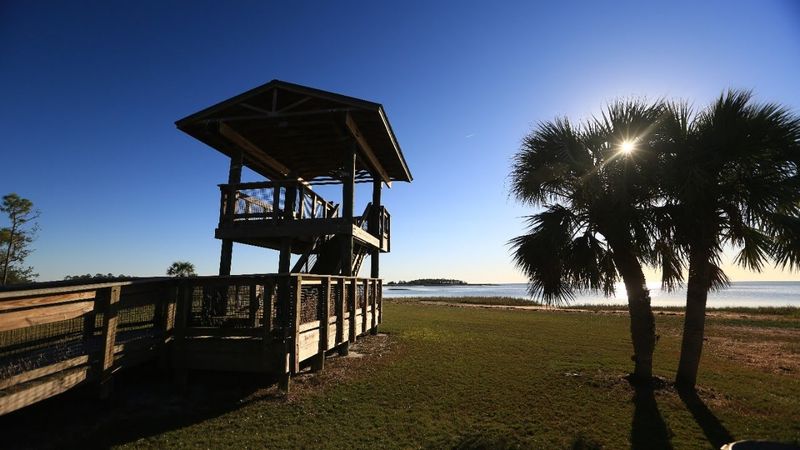
Pine trees are more than scenery in Perry. They are the backbone of the local identity, and the town proudly calls itself the Tree Capital of the South.
Taylor County is covered in managed forest land, and timber has shaped the economy here for generations. Logging, forestry, and wood products have long provided steady jobs for local families.
A large pulp mill near town has been one of the area’s major employers for decades. That industrial base helps explain why Perry feels like a working community rather than a vacation stop.
The forestry connection also shows up in local culture. Schools, events, and civic pride often tie back to the trees that surround the town on nearly every side.
For newcomers, the takeaway is simple. Perry is a place built on practical work, and the pace of life follows the rhythm of an industry that grows slowly and steadily.
That grounded character is a big part of why the town has not chased trendy development. It knows what it is, and it seems perfectly happy branching out only when it makes sense.
The Festival That Fills the Calendar
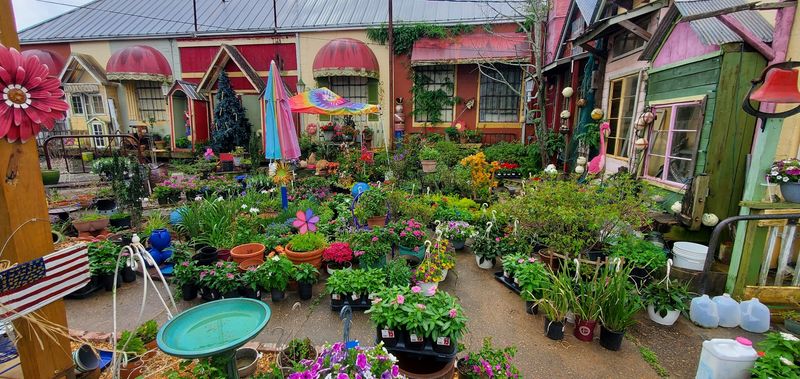
Once a year, quiet Perry turns up the volume. The Florida Forest Festival is the town’s signature event, and it has been a local tradition for decades.
The festival celebrates the timber industry that built the community. It is typically held in the fall, usually in October, and draws people from across the region.
Events have traditionally included a parade, arts and crafts booths, live entertainment, and forestry-themed competitions. The atmosphere is family-friendly and very much rooted in small-town pride.
For locals, the festival is a reunion of sorts. Former residents often time trips home around it, and neighbors catch up on the year.
Anyone planning a visit should check the official festival schedule ahead of time, since dates and activities can change from year to year.
It is one of the best chances to see Perry at its most social. On a normal Tuesday the town keeps to itself, but festival weekend shows just how much community spirit fits inside a city of under 7,000 people.
A Museum Devoted to the Woods
Not many towns have a state park dedicated to trees, but Perry does. Forest Capital Museum State Park sits on the edge of town and tells the story of Florida’s forestry heritage.
The museum explains how longleaf pine and other trees were used to build communities across the South. Exhibits cover tools, timber methods, and the products that come from the forest.
The grounds also include a historic Cracker homestead, which offers a look at how rural Florida families lived in the late 1800s and early 1900s.
It is an easy, low-cost outing for families, school groups, and anyone curious about the region’s roots. State park entry fees in Florida tend to be modest, though it is smart to confirm current hours and costs before going.
The park pairs nicely with the Florida Forest Festival, since both celebrate the same heritage from different angles.
History here is not locked behind glass in a big city. It sits a few minutes from downtown, waiting patiently for anyone willing to take the short detour.
Gulf Waters a Short Drive Away
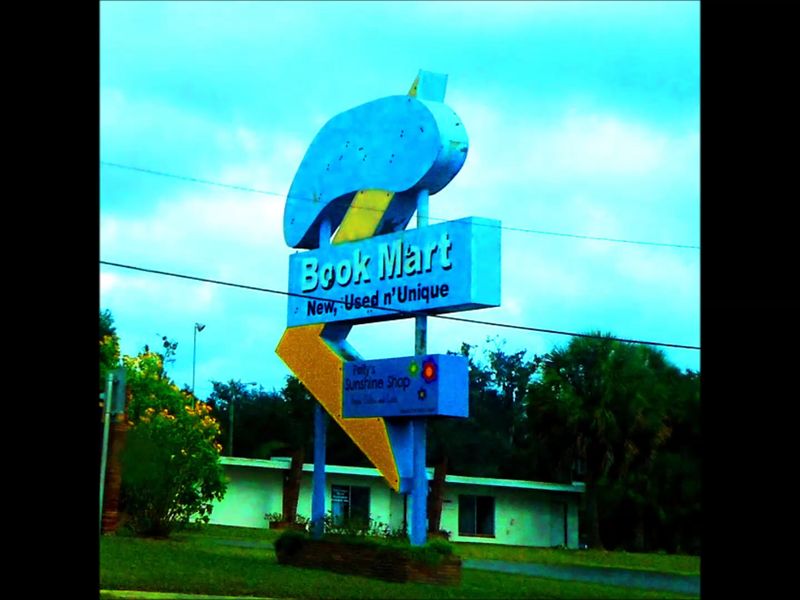
Low rent is nice, but low rent near the water is even better. Perry sits a short drive from the Gulf of Mexico, and Taylor County’s coastline is one of the least crowded in Florida.
Communities like Keaton Beach and Steinhatchee lie south and southwest of town. Both are known for fishing, boating, and a slow coastal pace.
The Big Bend coast is mostly marsh, shallow flats, and grass beds rather than wide resort beaches. That landscape supports strong fishing and is a favorite spot for scalloping during the summer season.
Scallop season dates are set by the state and can change, so checking official regulations before planning a trip is a must.
For residents, the Gulf is a weekend outing rather than a vacation. A day on the water does not require booking a hotel or fighting for a parking space.
That kind of easy access is a quiet perk of living in Perry. The coast is close enough to visit often, yet far enough away that the town keeps its inland calm and its inland prices.
Rivers, Springs, and Wild Corners
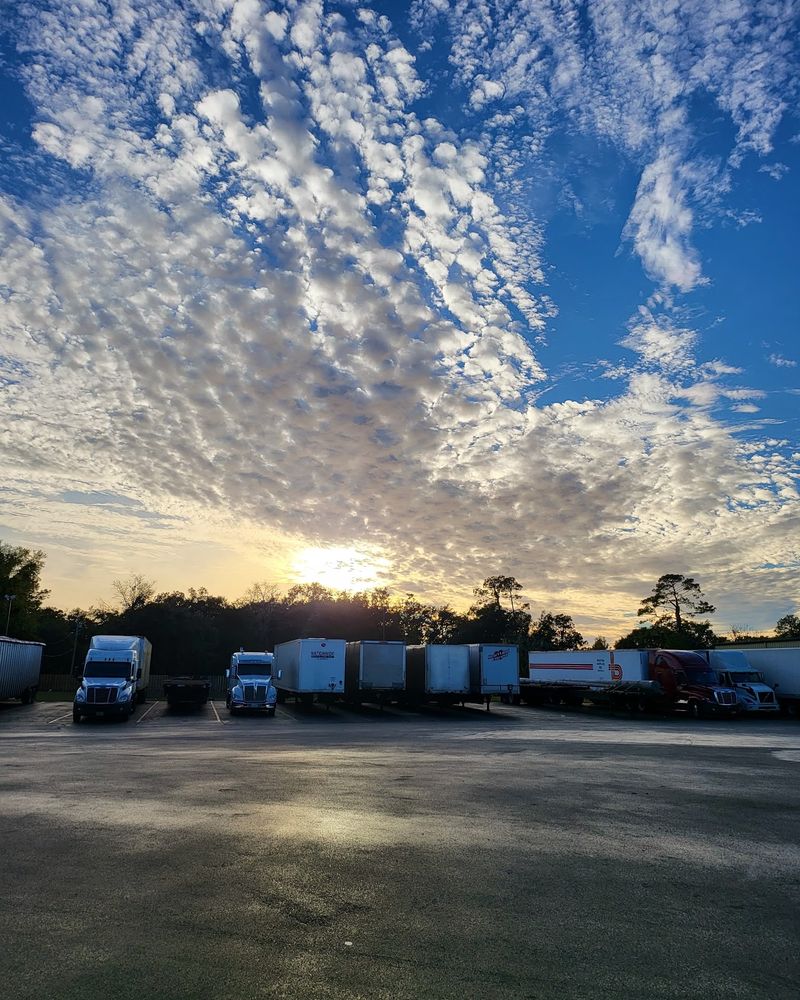
Paddlers, anglers, and hikers tend to find plenty to like around Perry. Taylor County is laced with rivers that wind through forest and marsh on their way to the Gulf.
The Econfina River and the Steinhatchee River are among the better-known waterways in the area. Both are popular for paddling and fishing.
The Steinhatchee Falls area, a wide, low limestone shoal on the Steinhatchee River, is a favorite stop for people exploring the region’s backroads.
Large tracts of public and managed land also surround the town. Wildlife management areas offer chances for hunting, birding, and long drives through pine country, depending on seasonal rules.
None of these spots come with ticket booths or souvenir stands. Most are simple places where locals spend a Saturday outdoors without spending much money.
That kind of free or cheap recreation adds real value to life in Perry. When the backyard includes rivers and forests, nobody needs a pricey amusement park to stay entertained, and the town’s outdoorsy crowd would happily keep it that way.
Small-Town Pace, Big-Time Loyalty
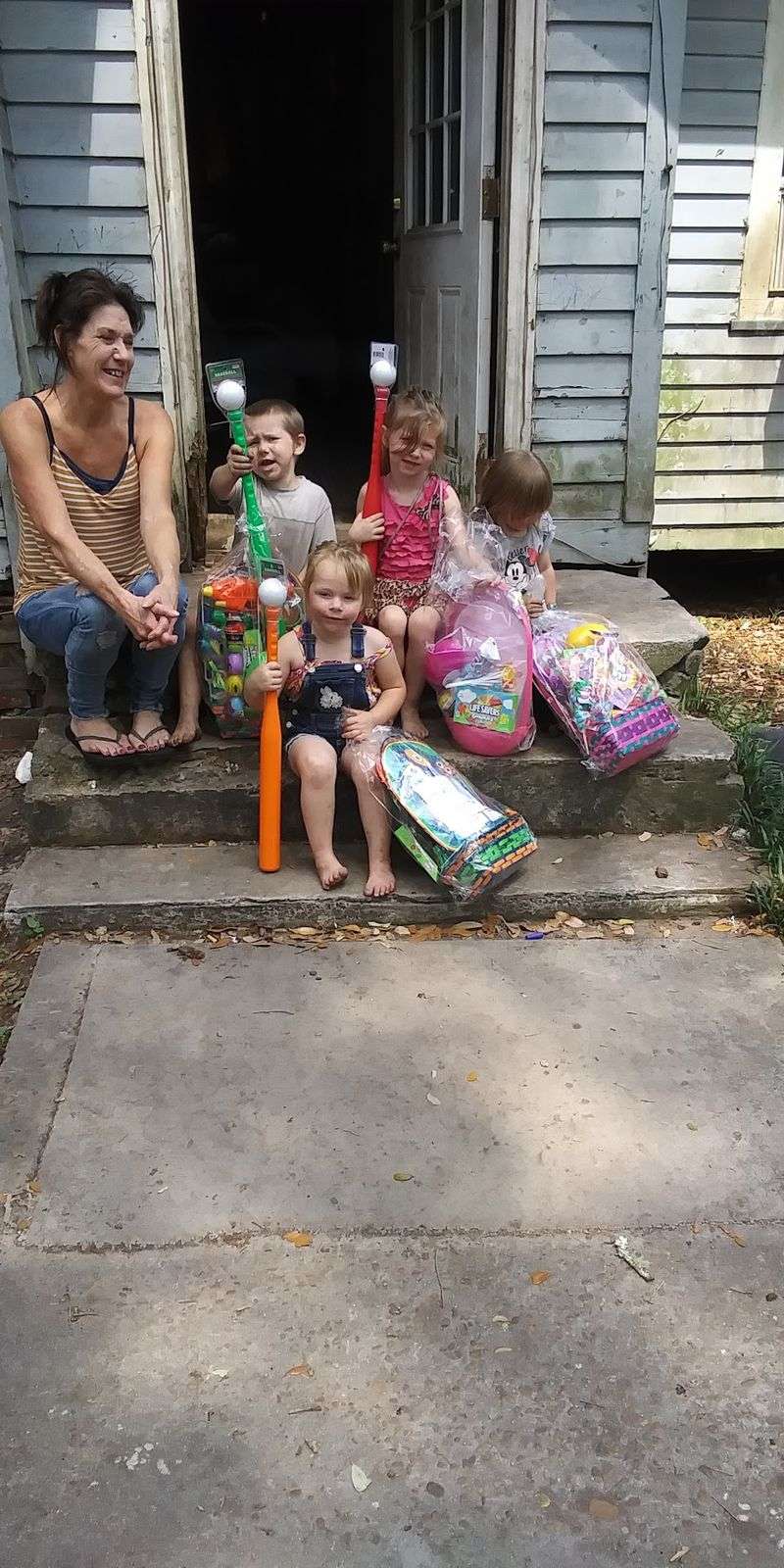
Ask someone why they have stayed in Perry for decades, and the answer usually has less to do with rent and more to do with people.
Small towns build tight networks. Families often go back several generations, and it is common to run into a former teacher, a cousin, or an old coach at the store.
Churches, school sports, and civic groups form the core of social life. Friday nights during football season are a big deal in many North Florida towns, and Perry is no exception.
There is also a slower rhythm to daily life. Traffic jams are rare, errands are quick, and most of town can be crossed in a few minutes.
For some people, that pace would feel too quiet. For many residents, it is exactly the point.
Low costs make it possible to stay, but the community gives people a reason to want to. That pairing is hard to find in a state where so many towns change faces every few years, and it might be Perry’s strongest selling point of all.
Who Thrives Here, and Who Might Not
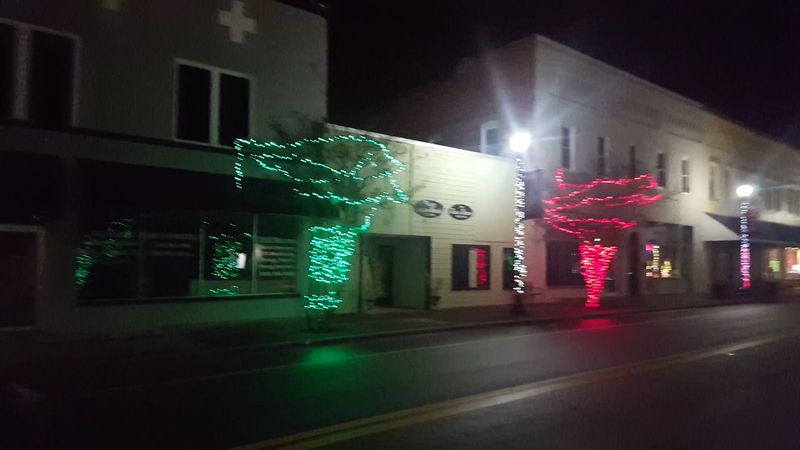
Perry is not a fit for everyone, and that honesty is worth a moment. The town suits certain lifestyles very well and others less so.
Retirees on a budget often find it appealing. Lower housing costs can stretch Social Security and savings much further than in coastal cities to the south.
Remote workers with reliable internet may also like the trade-off. A smaller monthly rent can free up money for travel, savings, or hobbies.
Outdoor lovers have a strong case too. Fishing, paddling, hunting, and Gulf trips are all within easy reach.
On the other hand, people who want nightlife, big shopping centers, or a wide range of specialty jobs may feel limited. Larger services and airports usually mean a drive to Tallahassee.
Healthcare options are also more limited than in a metro area, which matters for anyone with ongoing medical needs.
The best approach is a visit before a move. Spend a few days, drive the neighborhoods, and see whether the quiet feels like freedom or like boredom, because that answer tends to decide everything.
Getting There Without the Hassle
Perry sits at a junction of major routes, which makes it surprisingly easy to reach for such a small town.
U.S. Highway 19 and U.S.
Highway 27 both pass through Perry. U.S. 98 also runs through the area, connecting the Big Bend coastal communities.
Tallahassee is roughly an hour’s drive to the northwest, making it the closest larger city for flights, shopping, and major medical care.
Drivers heading from Tampa Bay or Central Florida toward the Panhandle often travel through Perry on U.S. 19, which is why so many people recognize the name from road trips.
A car is close to essential here. Public transportation options are limited, as is common in rural Florida.
Gas stations, chain stores, and local businesses line the main highways, so it is easy to stop for supplies.
For a day-tripper based in Tallahassee or Gainesville, Perry makes a reasonable outing. Pair a stop in town with the forestry museum or a drive to the coast, and the trip pays for itself in scenery and savings.
Best Seasons for a Scouting Trip
Timing a visit can make a big difference in how Perry comes across. Each season shows a slightly different side of the town.
Fall is a strong choice. Temperatures are milder than summer, and the Florida Forest Festival usually lands in October, giving newcomers a chance to see the community out in force.
Winter and early spring tend to bring comfortable weather for hiking, paddling, and exploring the state park.
Summer is hot and humid, as it is across Florida. Still, it is the season for scalloping along the nearby Gulf coast, which draws plenty of people to the area.
Hurricane season runs from June through November. Anyone considering a move should look into insurance costs and storm preparation, since the Big Bend coast has seen major storms in recent years.
A smart plan is to visit more than once. Seeing Perry in two different seasons gives a fuller picture of daily life, from festival crowds to ordinary weekdays, and that kind of homework pays off long after the moving truck leaves.
A Soft Verdict on a Steady Town
So is Perry the answer to Florida’s housing squeeze? For the right person, it could come close.
Rents that can hover near $450 a month stand out in a state where many renters spend far more. Add in nearby rivers, a quiet Gulf coastline, and a museum honoring the town’s timber roots, and the value story gets stronger.
The trade-offs are real. Jobs, shopping, and healthcare are more limited than in big cities, and a car is a must.
Yet the people of Perry seem to understand the deal they have made. They trade crowds and convenience for space, affordability, and a community where faces stay familiar.
That is why so many locals stay rooted. The town is not trying to be the next hot destination, and it does not need to be.
For budget-minded Floridians and curious road-trippers, Perry deserves more than a gas stop. Slow down at the crossroads, take a look around, and the Tree Capital of the South might just plant an idea that keeps growing.