
Affiliate disclosure: As an Amazon Associate I earn from qualifying purchases. Learn more
Deep in the Rio Grande Valley, a building that looks like an old church holds a surprise that most Texans have never heard about. It was not built for Sunday services.
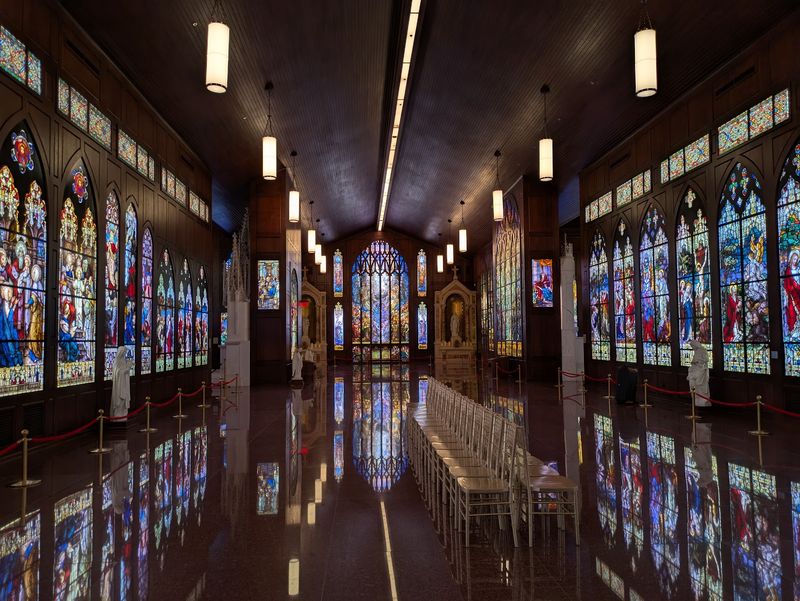
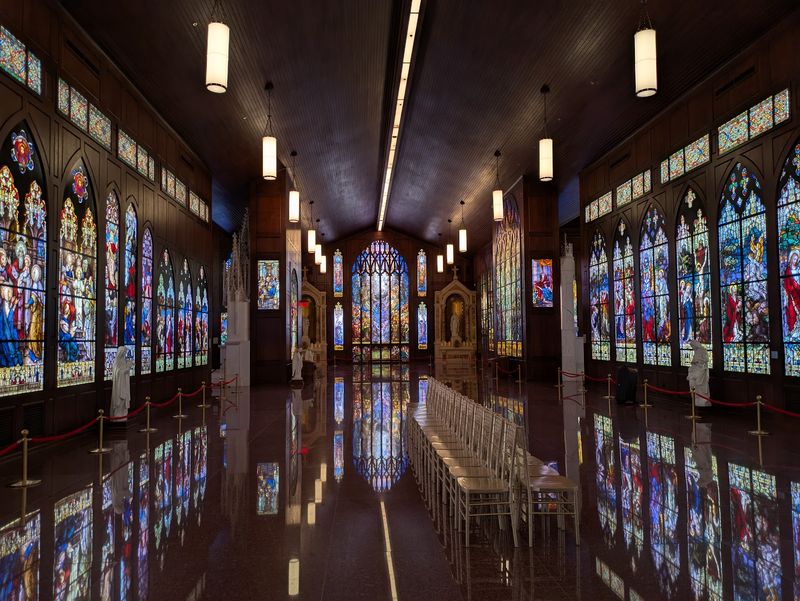
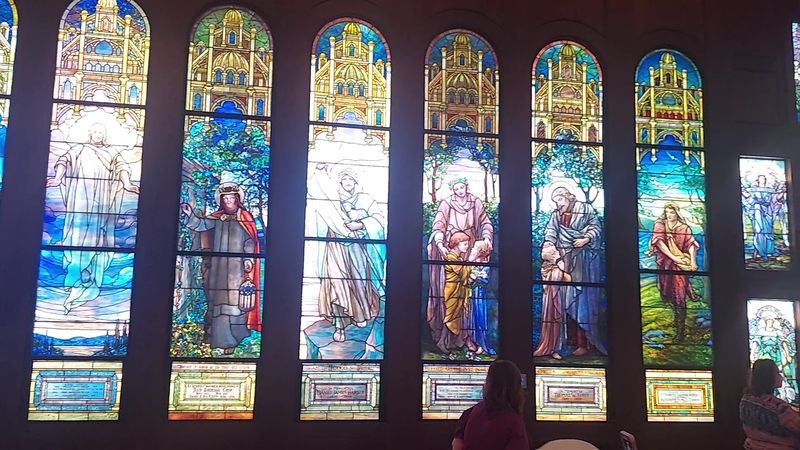
It was built from the ground up to protect nearly 200 antique stained glass windows, many rescued from early American churches that were headed for demolition. Some of these panels date back to the 1800s, and a few come from famous studios like Tiffany.
People walk in expecting a quick look and end up sitting quietly for an hour. The hours are unusual, the rules are specific, and the story behind the collection is worth knowing before you go.
Keep reading to learn where it is, what makes it special, when to visit, and how to plan a trip that fits your schedule.
A Cross-Shaped Treasure in San Juan
Tucked along a busy boulevard in the Rio Grande Valley sits a building that many people mistake for a historic church. It is actually the Gelman Stained Glass Museum, an art museum at 411 Virgen de San Juan Blvd, San Juan, TX 78589, in the United States.
The spot is easy to find because it sits right across from the Basilica of Our Lady of San Juan. That makes it a natural stop for anyone already exploring the area around the basilica.
The museum is still fairly young. It opened only a few years ago, yet it has already earned a strong following, holding a 4.7-star average from more than 340 guests on Google.
What it houses is the real headline. The collection features nearly 200 stained glass works, and staff describe it as the largest collection of antique stained glass in the country.
Many pieces were made between roughly 1870 and the 1920s. A handful of contemporary works join them, so the story of the craft stretches across generations.
For a region better known for citrus groves and border culture, this is a genuinely unexpected find. It rewards anyone curious enough to pull off the boulevard and buy a ticket.
Windows Saved From the Wrecking Ball
Every collection has an origin story, and this one begins with rescue. Many of the windows here once lived in early American churches that were slated for demolition.
Instead of vanishing into rubble, these panels were saved and gathered in one place. The vision behind the effort belongs to the museum’s founder, a doctor who wanted this fading art form preserved for the public.
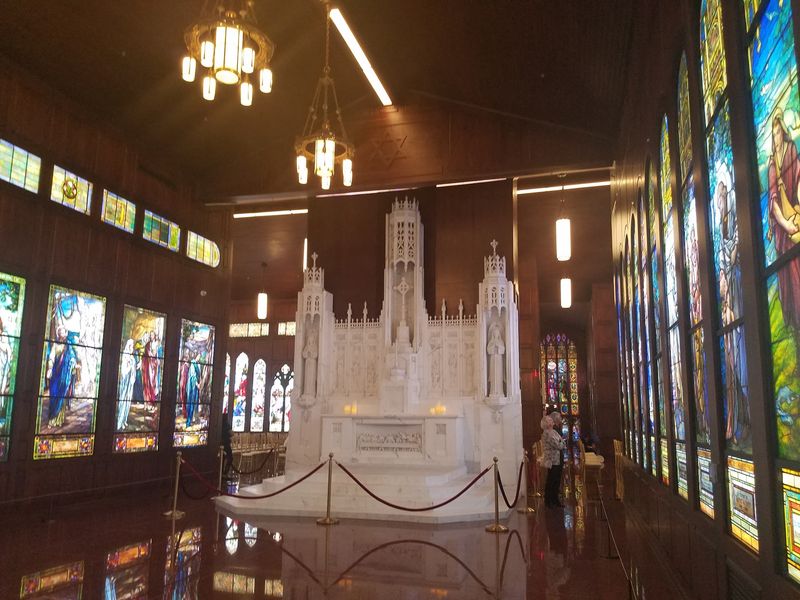
The rescue did not stop at glass. Several altars were also saved from demolition, and they now stand inside the museum alongside the windows.
That context changes how the collection reads. Each panel is not just a pretty object but a surviving piece of a community that once gathered beneath it.
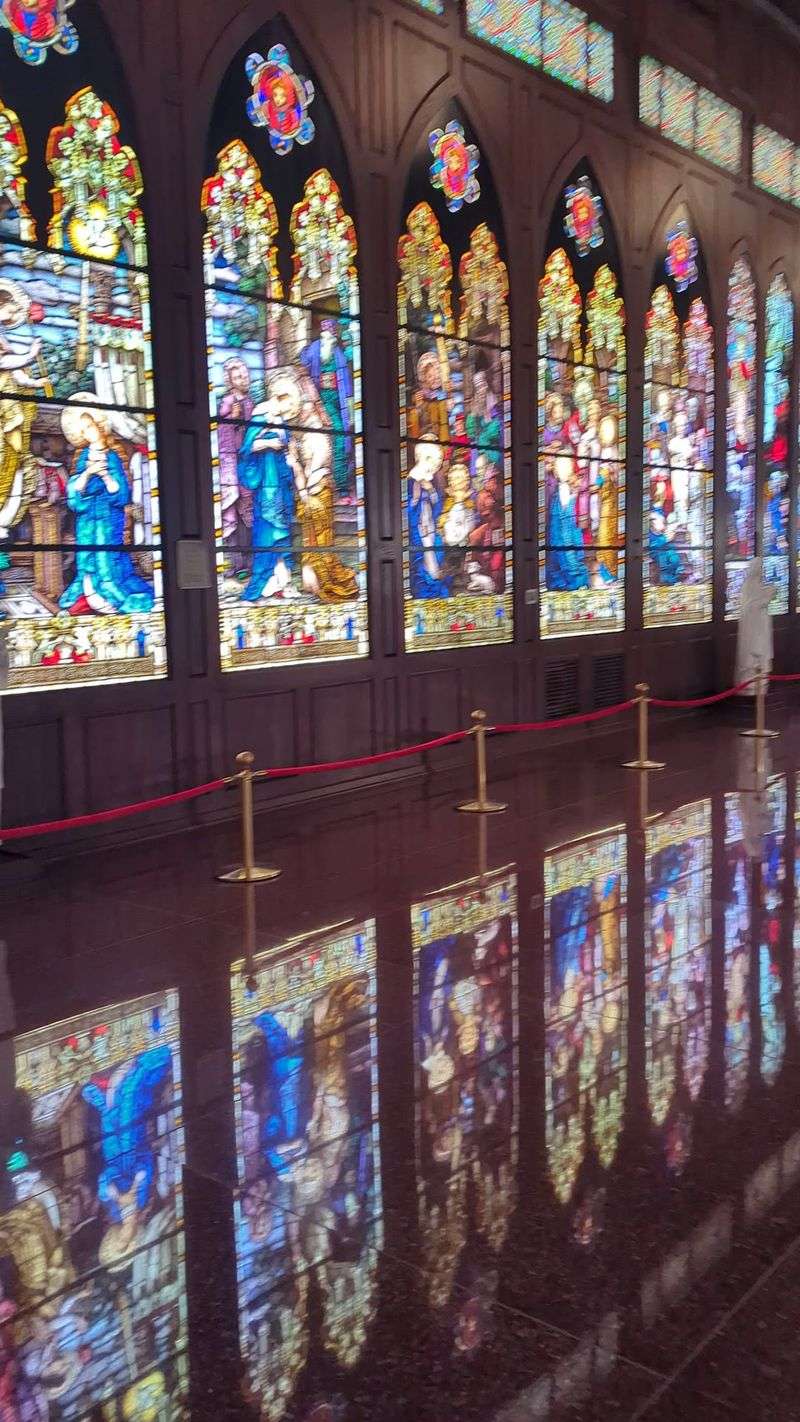
Some of the works are well over a century old. They tell biblical stories in a medium that has become rare, which makes their survival feel even more meaningful.
Knowing this history before arriving adds weight to every step through the halls. A second chance, it turns out, looks remarkably good in colored glass.
A Building Designed to Fool You
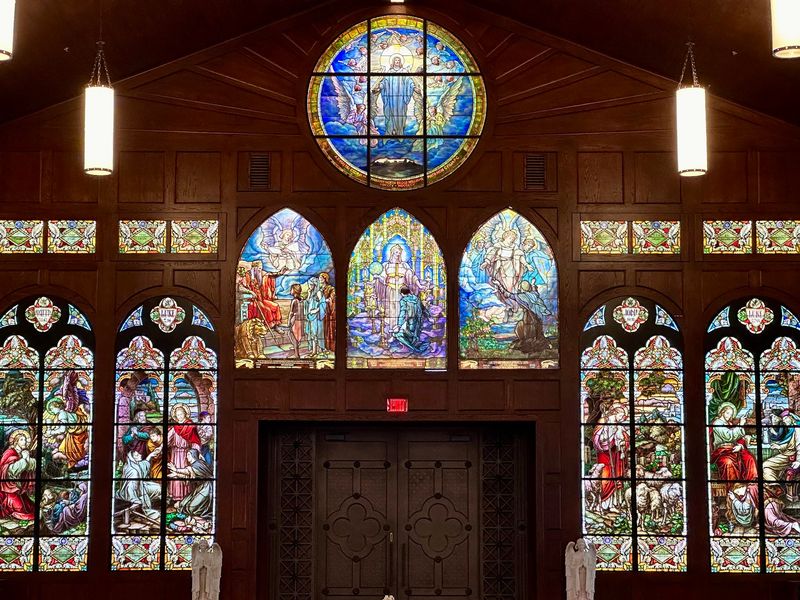
Plenty of first-timers leave convinced they toured an old church. The truth is more interesting, because the entire structure was built new, specifically to display these works.
Its layout follows the shape of a traditional cross, just like classic church buildings. That choice gives the windows a setting close to the one they were originally made for.
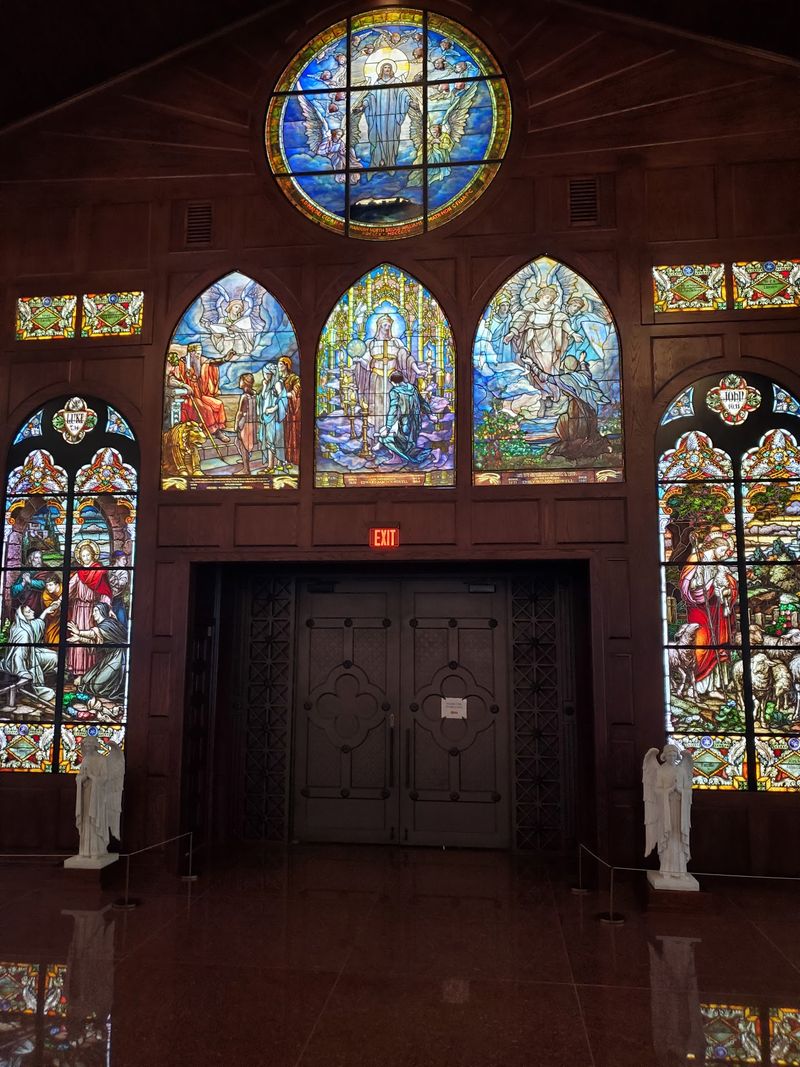
The architecture deserves attention on its own. Heavy, ornate doors mark the entrances, and the exterior is as polished as the interior.
Inside, the design creates a chapel-like atmosphere. Walking past the stained glass scenes can resemble following the Catholic Stations of the Cross, one story at a time.
Everything is well maintained and neatly presented. The upkeep shows in the condition of the building and in how carefully each piece is placed.
It is a clever bit of architectural theater. The building borrows the look of history so the history inside can feel right at home.
Masterworks From Famous Studios
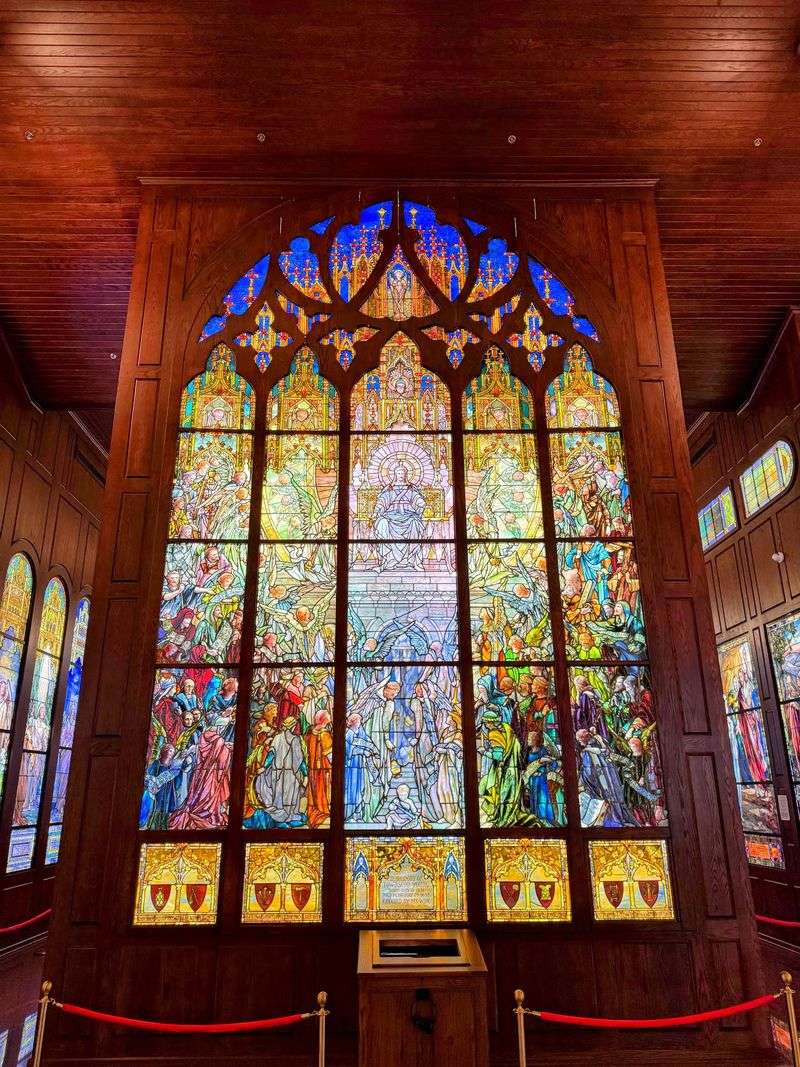
Tiffany is the name that tends to catch people off guard. Works connected to that famous studio are part of the collection here, sharing space with pieces from other major makers.
In total, the museum displays the work of four or five large studios. Assorted individual artists working in the medium round out the lineup.
Most of the glass dates from about 1870 through the 1920s. That period was a high point for American church windows, when studios produced elaborate, large-scale pieces.
A few contemporary works also appear. They offer a useful contrast, showing how the craft has carried forward into modern hands.
Makers and techniques are listed in the museum pamphlet. Curious guests who want deeper background on a particular studio may enjoy doing a little extra reading afterward.
The condition of these works is excellent. For a century-old window, surviving this well is its own quiet achievement.
Lighting That Does the Heavy Lifting
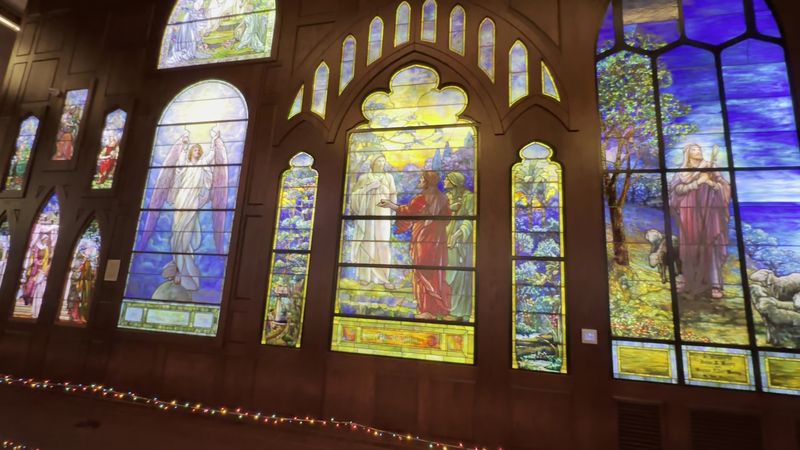
Stained glass has always depended on light, and the museum treats that fact seriously. The historic pieces are illuminated with care so fine details and bold colors come through clearly.
This matters more than it might seem. Windows removed from their original churches lose the sunlight they were designed around, so the display has to make up for it.
Here, the lighting setup lets each panel be studied closely. Faces, robes, lettering, and borders are all easy to take in at a comfortable distance.
The overall effect makes the collection feel unified. Windows from different decades and studios sit together without any one piece getting lost.
Many people find the experience moving. Standing in front of a well-lit antique window turns out to be a very different thing from seeing it in a photo.
Photos and television segments, in fact, tend to undersell it. Some things simply need to be seen in person to land properly.
Rescued Altars and Sacred Statues
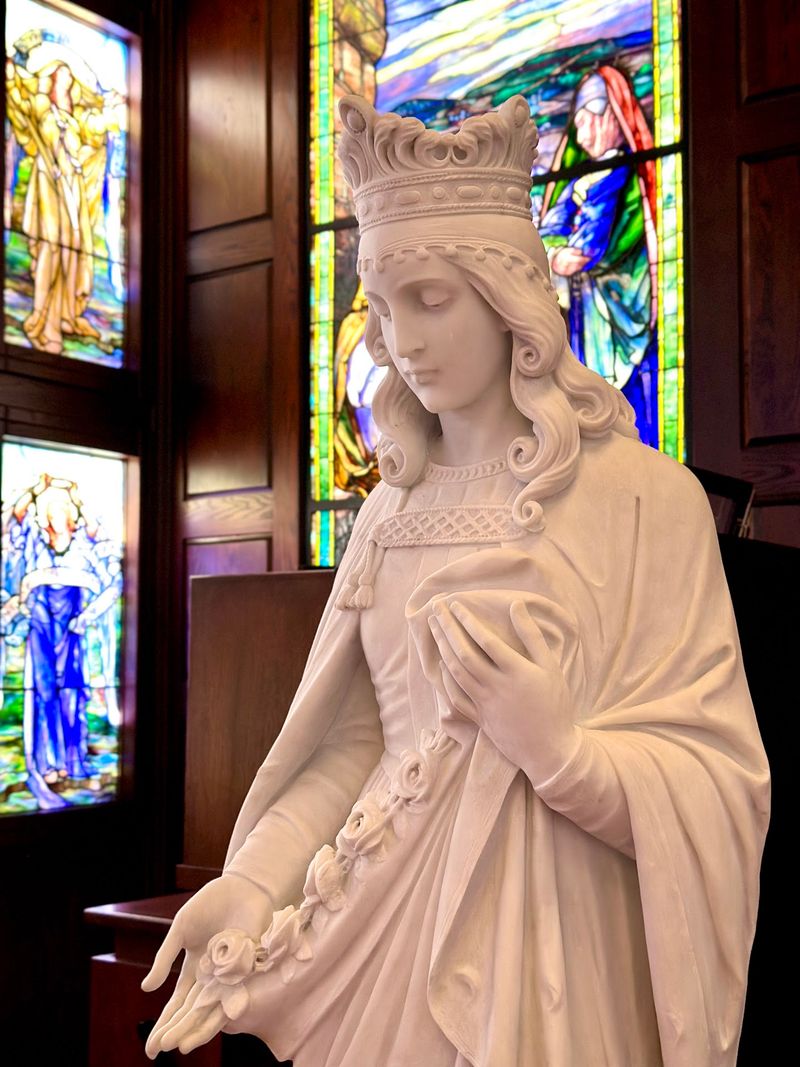
Glass may be the star, but the supporting cast is impressive. Altars saved from demolished churches stand inside the museum, giving the halls a sense of place.
Statues appear throughout the space as well. Along with the altars, they help the building read as a sanctuary instead of a gallery with plain walls.
Mosaics add another layer of craftsmanship. They show a related art form that also relies on small colored pieces working together.
These elements tie the collection back to its roots. Windows, altars, and statues were once part of the same worship spaces, so seeing them together completes the picture.
Guided tours often spend time on the altars. Guides explain their history and how they came to be preserved rather than discarded.
It is easy to focus only on the windows and walk past these pieces. Slowing down here pays off, since the altars carry stories of their own.
Stories Told in Colored Glass
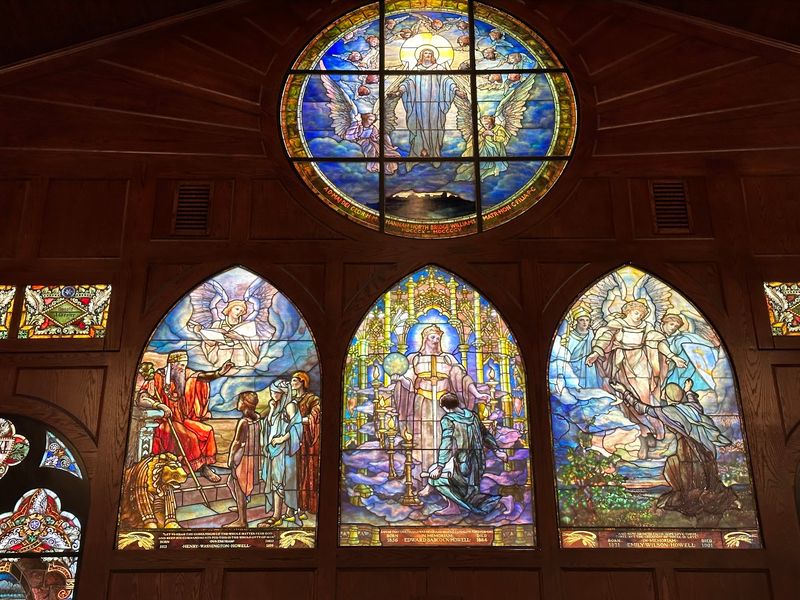
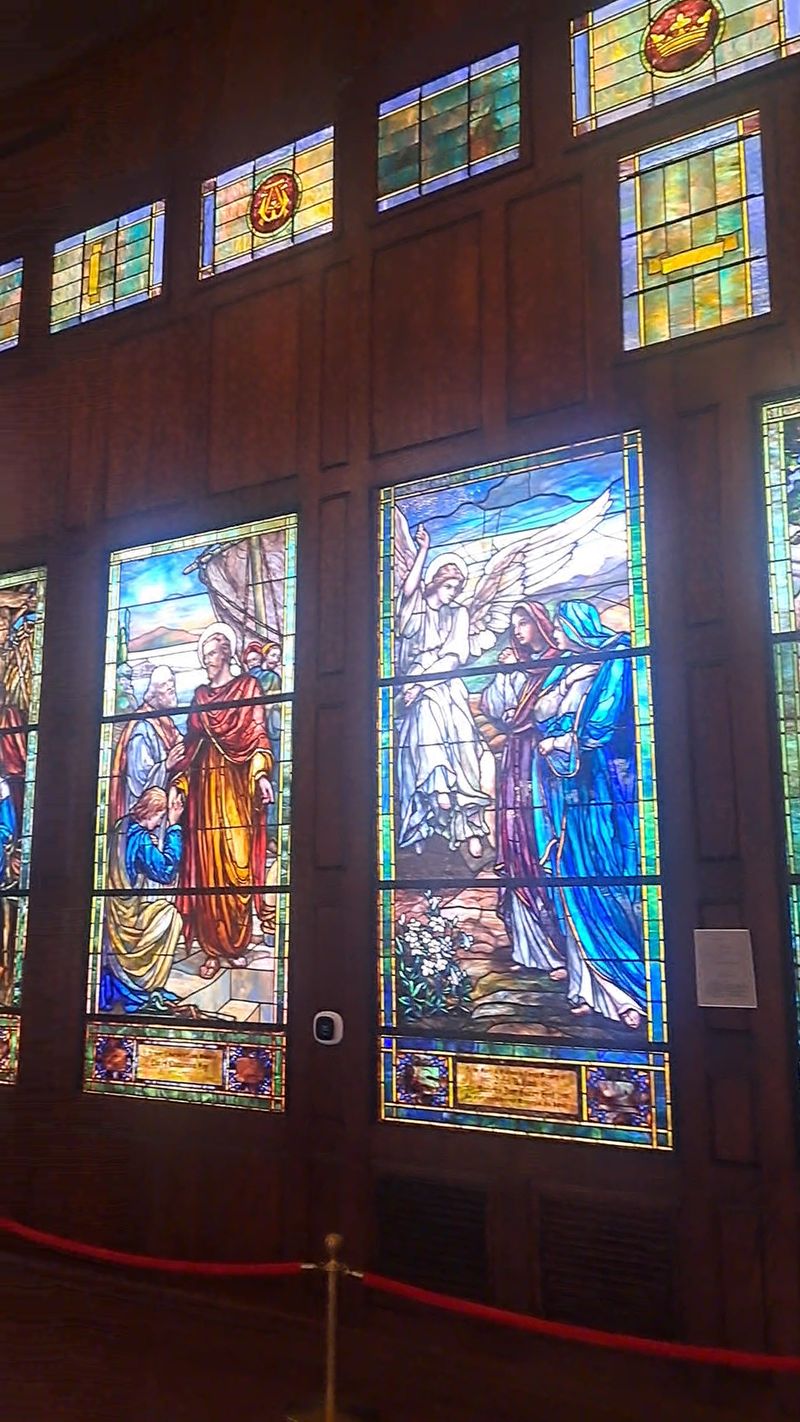
Long before printed books were common in every home, church windows helped teach familiar stories. The panels here continue that job, presenting biblical scenes one window at a time.
Many guests enjoy treating the visit as a slow read. Each panel shows a moment, and moving from one to the next builds a larger narrative.
The religious theme is clear throughout the museum. Even so, the space welcomes people of any faith or none, and the artwork holds up on its craftsmanship alone.
That balance is part of the appeal. Some come for devotion, others for art history, and both groups leave with plenty to think about.
Taking time with the details is the best approach. Small figures, hand gestures, and background elements often hold more meaning than a quick glance reveals.
A rare medium telling ancient stories makes for a memorable pairing. These windows were built to be studied, and they still reward patience.
Maps, QR Codes, and Installation Videos
At the front desk, staff hand out a printed map with information on each piece. It works as a personal guide for moving through the building at your own pace.
The map includes a QR code worth scanning. It links to details about each window, so you can read the background while standing right in front of the glass.
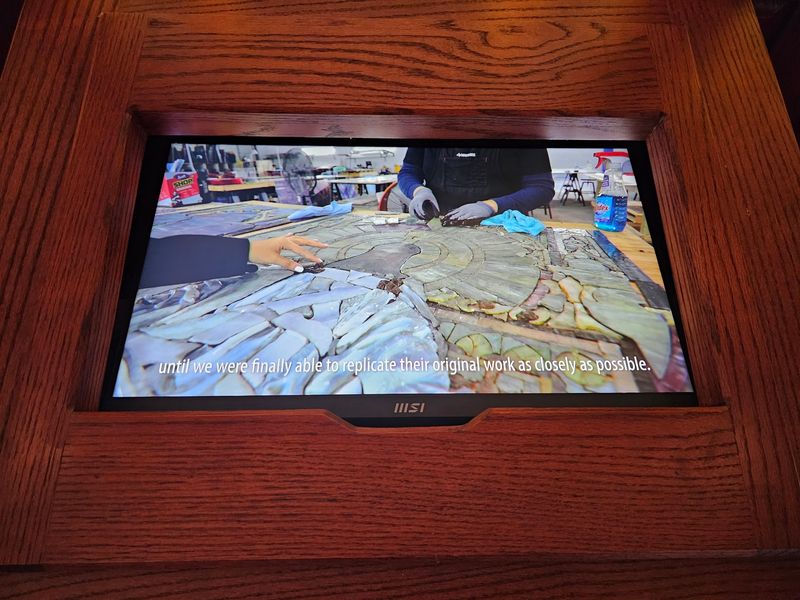
Videos inside the museum add another angle. They show how some of the large windows were installed in the building, which is a feat in itself.
Those clips explain the practical side of preserving huge, fragile panels. Moving century-old glass safely is not a weekend project.
Some guests wish more information were displayed next to the works. The pamphlet lists makers and techniques, though, so the facts are available for anyone who looks.
Between the map, the QR code, and the videos, self-guided visits feel well supported. A phone and a little curiosity go a long way here.
Guided Tours Worth Booking
Groups as large as 40 have toured the museum together and come away impressed. Guided tours are one of the best ways to understand what is on the walls.
Tour leaders know the process behind stained glass and the history of each work. They also explain the rescued altars and how they reached San Juan.
Staff members get frequent praise for being detailed and welcoming. Their enthusiasm for the collection comes through in how much they share.
A guide can point out things that are easy to miss. Techniques, studio names, and the origins of particular windows all make more sense with an expert nearby.
For groups, a tour turns the visit into a shared experience. Questions get answered on the spot, and conversation flows naturally from panel to panel.
Self-guided visits work fine, but a tour adds depth. It is the difference between seeing the glass and actually getting to know it.
Pipe Organ and Places to Pause
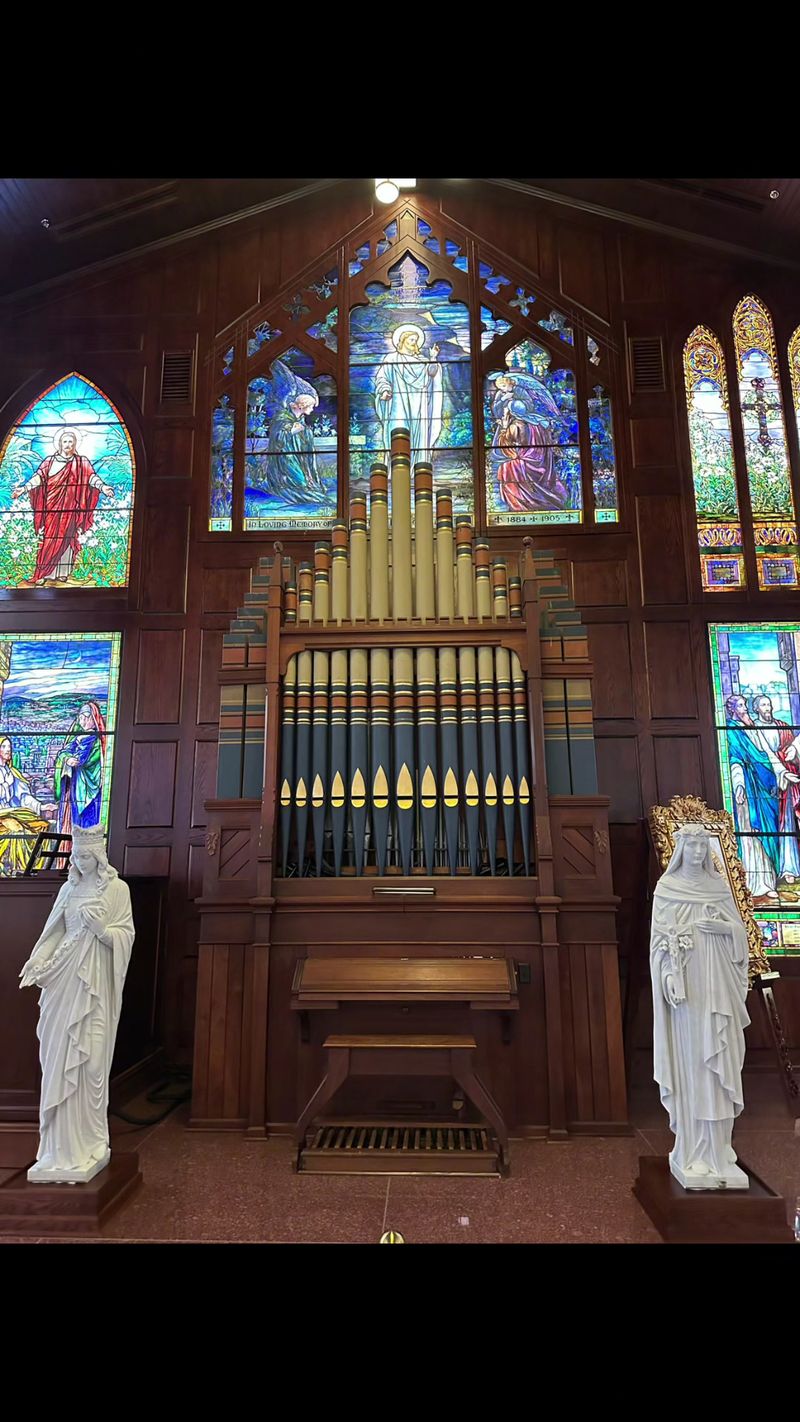
Few art museums can claim a pipe organ, yet this one has it. The instrument fits the chapel-like setting and adds to the sense of standing in a real sanctuary.
Seating is another thoughtful touch. Chairs are placed throughout, so guests can sit and take in the windows instead of standing the whole time.
That makes the museum easier for anyone who cannot stay on their feet for long. Older guests and those with limited stamina can move through comfortably.
The atmosphere is peaceful and unhurried. Many people find the calm setting is part of why they linger.
Restrooms are clean and well kept, another detail that helps the visit go smoothly.
It also works as a smart escape on a hot Texas day. An indoor hour among the windows beats circling a parking lot in the afternoon heat.
A Wedding Venue With Built-In Wow
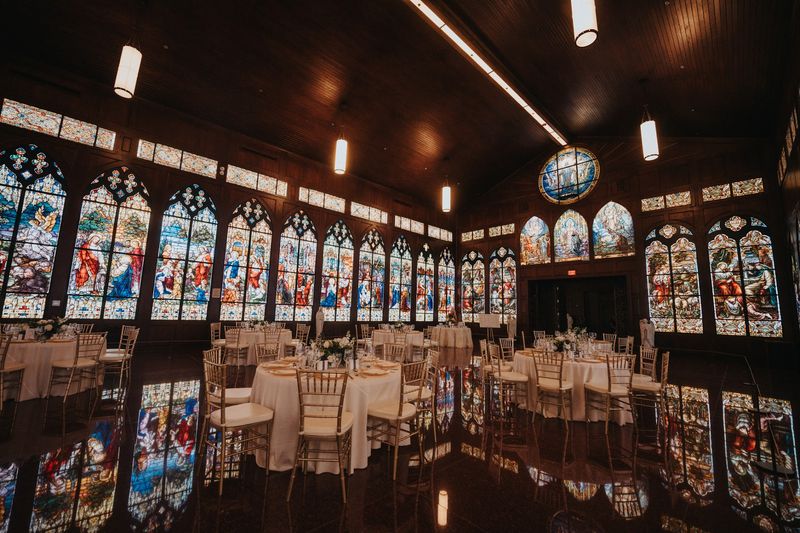
Couples in the Rio Grande Valley have discovered that the museum doubles as an event space. Weddings and private events take place here, with the stained glass as a ready-made backdrop.
Many consider it one of the most beautiful venues in the RGV. Both the exterior and interior make an impression, so photos tend to take care of themselves.
Staff keep events organized. They follow the museum schedule closely, which helps everything run on time.
That structure is useful for planners. Knowing the timeline will be respected makes a busy day less stressful.
Families bringing young children to receptions should keep in mind that staff are protective of the space and its surroundings. Plan a little extra supervision for restless little ones.
A setting filled with rescued church windows gives a ceremony built-in meaning. Few venues can offer a century of history as part of the decor.
Who Will Love It Most
Honesty helps here. The museum is not huge, and it suits people who genuinely enjoy stained glass, art history, or church architecture.
For those fans, it can feel like a dream. Time inside can stretch anywhere from a quick 10 minutes to a full two hours depending on interest.
Most guests spend about an hour. That matches the one-hour time slots offered with tickets.
Faith is not a requirement. The space is openly religious, but guests of any background can appreciate the artistry.
Groups, teachers, and students will find plenty to learn. The informative videos and printed map make it a solid educational outing.
Crowds are usually light. A weekend visit may still feel calm, which lets everyone enjoy the windows without jostling for space.
If stained glass leaves you cold, this may not change your mind. If it sparks your curiosity, though, expect to stay longer than planned.
Hours, Tickets, and House Rules
Timing is the trickiest part of planning. The museum keeps unusual hours, so checking before you go is a must.
It opens Wednesday and Thursday from 4 to 7 PM, and Friday from 4 to 6 PM. Sunday hours run from 10 AM to 4 PM, while Monday, Tuesday, and Saturday are closed.
Admission is $20 for adults and $10 for kids under 12. Tickets are tied to one-hour time slots and can be bought online ahead of time.
Discounts are available for teachers, first responders, and students. Bring proof if you qualify.
Bags and purses are not allowed inside. Plan to leave them in the car to avoid a surprise at the door.
A small selection of souvenirs is available for purchase. Some find the items on the pricey side, so browse with that in mind.
Current details are posted on the official website at gelmanmuseum.org.
A Soft Verdict on San Juan’s Glass Sanctuary
Some debate the $20 ticket given the size of the museum. Plenty of others leave saying it was well worth the price, especially those who love the medium.
What tips the scale is the story. Nearly 200 windows, many rescued from churches that no longer stand, now shine together in a building made just for them.
The setting across from the Basilica of Our Lady of San Juan makes it easy to pair with a broader day in the area. It also fits neatly into a quiet afternoon or a Sunday outing.
Staff are helpful, the space is spotless, and the atmosphere invites people to slow down. Those qualities matter as much as the art itself.
Go in knowing it is a focused collection rather than a sprawling one. That mindset makes the hour feel full.
For anyone drawn to history, faith, or craftsmanship, San Juan holds a surprise worth the drive. The windows have waited over a century, so they will not mind a little patience with the schedule.