
Affiliate disclosure: As an Amazon Associate I earn from qualifying purchases. Learn more
Seashells usually mean a long drive to the coast, but some Arizonans find them on a hillside near Payson. The shells here are fossils, left behind by sea creatures that lived when this part of our state sat under water.
Families pull off the highway, walk a short path, and start searching the rocks for tiny ancient treasures. The stop is free, the hike is easy, and a sharp eye can turn a quick break into a real discovery.
Keep reading to learn where this spot is, what you can find, and how to make the most of your visit.
A Roadside Pull-Off With a Prehistoric Secret
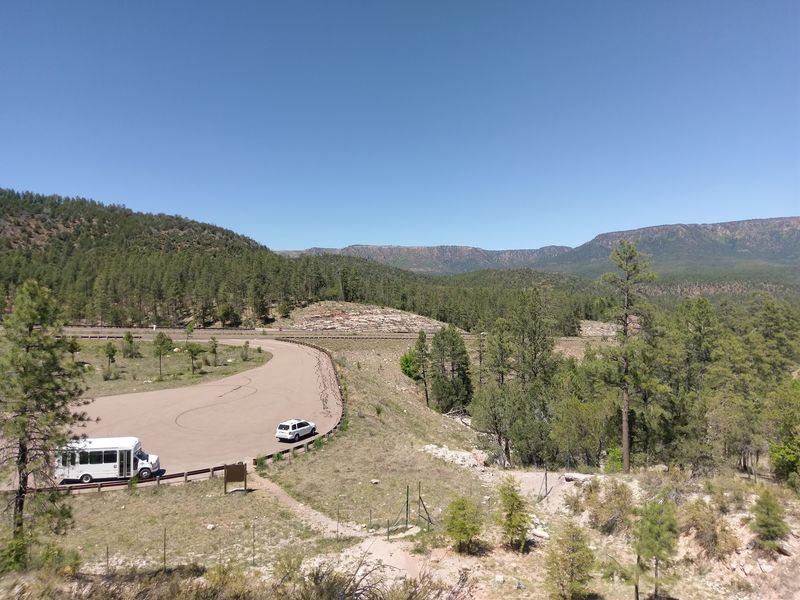
Most drivers on the highway east of Payson never guess that an ancient seafloor sits just off the pavement.
The spot is called Paleo Site Monument, and its address is AZ-260, Payson, AZ 85541, United States. It is listed as an archaeological site, though fossil fans know it best as a free place to hunt for ancient shells.
A big paved lot sits right off the highway, so there is no long dirt road to handle. From the lot, a short walk leads to rocky slopes packed with fossil-bearing sedimentary stone.
The monument is simple by design. There is no visitor center or gift shop, just parking, a pedestrian gate, a few helpful signs, and a hillside full of history.
That simplicity is part of the appeal. It works as a quick leg stretch on a long drive or as a planned outing for curious kids and grown-ups alike.
Plenty of Rim Country regulars have driven past it for years without stopping, which makes finding it feel like uncovering a local secret.
When Rim Country Was Underwater
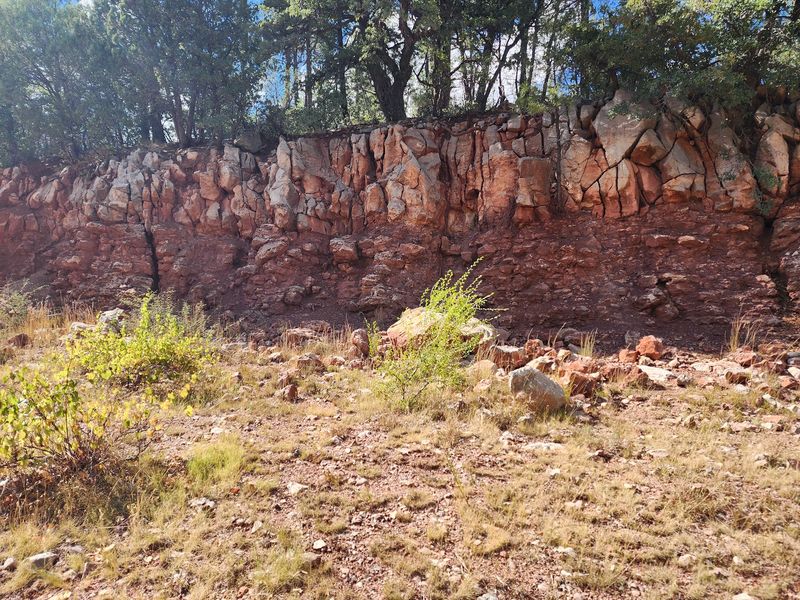
Hard as it is to believe on a dry Arizona afternoon, this hillside was once part of a sea floor.
The stone here is sedimentary rock, made from layers that settled long ago. Trapped inside those layers are the remains of small sea creatures that lived and settled into the mud before it turned to rock.
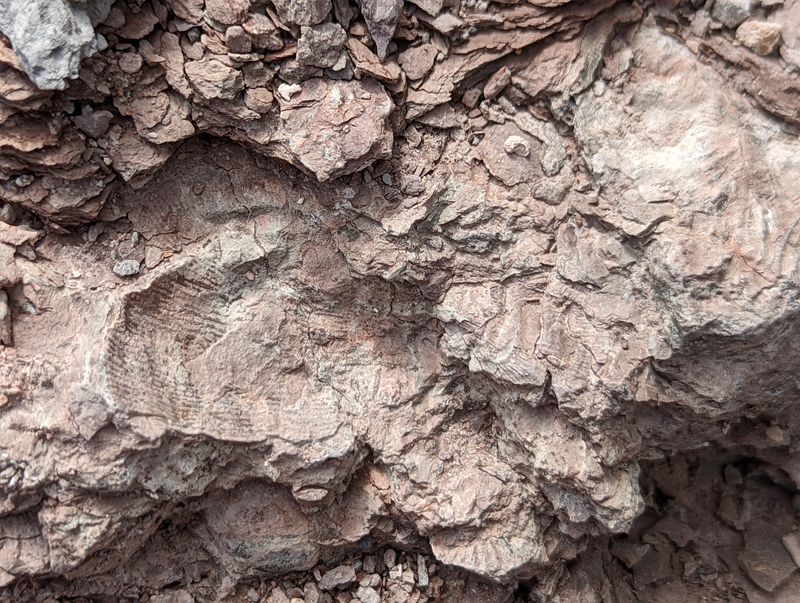
Fossils found here include small bivalves, worms, and other mollusks. Brachiopods and bryozoans also show up, two groups of ancient sea life that fossil hunters love to spot.
Some finds look like little ridges pressed into the rock. Others are clear shell shapes about the size of a fingernail or smaller.
Standing among pine-covered hills, it is fun to think about how much the land has changed. What is now a highway stop near Payson was once home to creatures that never saw dry ground.
That shift from ocean to mountain country is the big story told by every tiny shell on the slope, and it gives Arizonans one more reason to brag about the surprises in our own backyard.
Signs That Teach You What to Look For
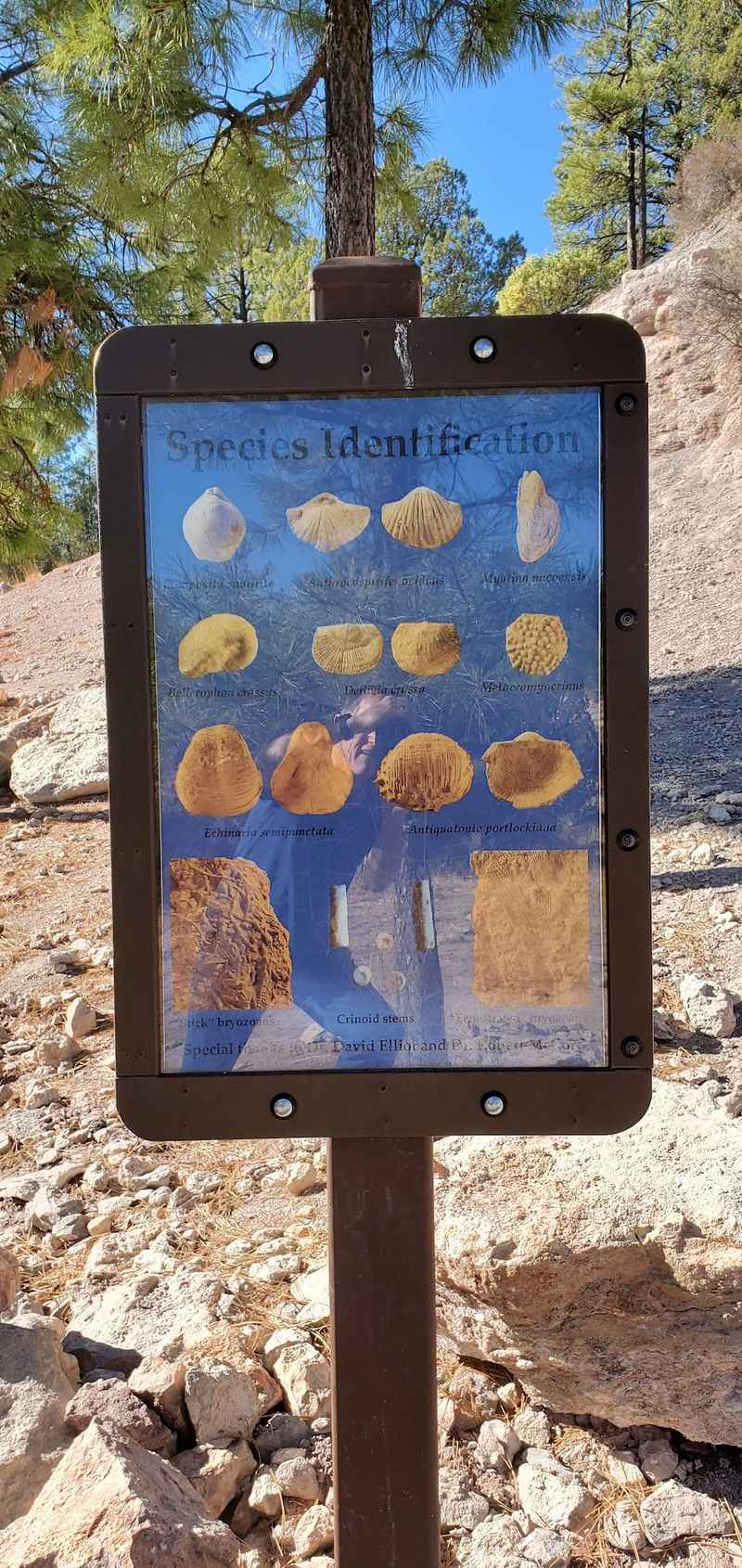
Beginners get a head start before they even reach the rocks.
A couple of interpretive signs near the front of the site help identify what kinds of fossils are hiding in the stone. They show the shapes to watch for, which makes a big difference when some finds are tiny.
The informational sign was put together by a young Eagle Scout, a detail that gives the stop a friendly, community-built feel. Many people appreciate the effort, since it turns a plain pull-off into an outdoor lesson.
Once you know what to look for, little shells start appearing all over. Without that knowledge, it is easy to walk right past them.
A smart plan is to spend a few minutes at the signs first. Study the shapes, then head out with a clear picture of your target.
Kids especially benefit from this step. Matching a real find to a picture on the sign is a proud moment that tends to stick with them long after the trip ends.
The Hunt on the Slopes
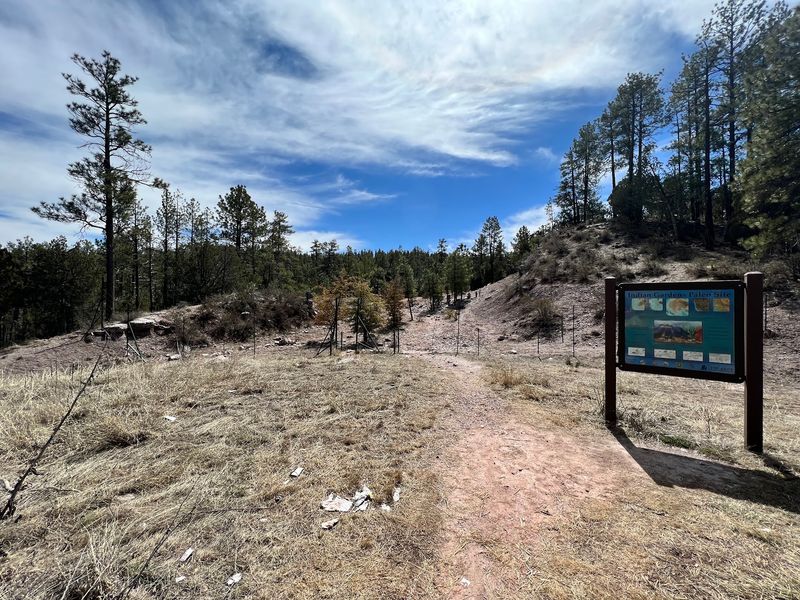
Fossils here are not locked away behind glass. Many sit right on top of the ground.
Up the slope, the rock layers hold plenty of them. There are also good finds near the identification sign and around ground level, so the steep area is not required.
Some families find their fossils on the flatter parts of the site. Others search the loose gravel on the lower slope and turn up several small treasures in about 30 minutes.
Luck varies. One group might find six shells in 20 minutes, while another searches for 45 minutes and comes away with two small ones.
The lighter-colored bluff is a popular searching area. Digging a little into the grey material can also reveal nice fossils for those willing to put in some work.
Patience pays off more than speed. Slow down, scan the ground carefully, and let your eyes adjust to spotting small patterns in the stone.
Secret Spots Beyond the Main Outcrop
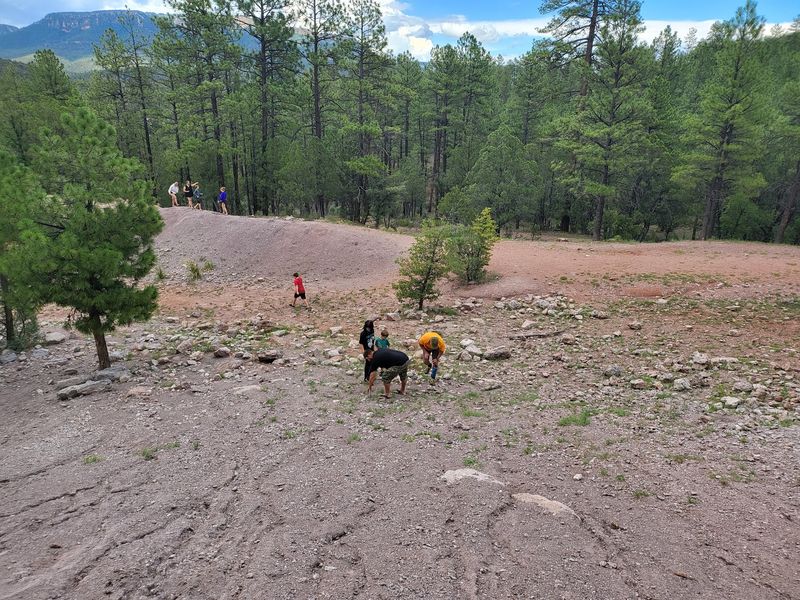
Crowded slopes get picked over, so savvy hunters wander a bit farther.
Above the big rock outcrop, an old road or jeep trail collects water that washes down the hill. Shells show up in that path, and it is a favorite tip among those who have searched here before.
A wash running down from the bluff is another option. Following it can lead to more fossils and other interesting rocks along the way.
Walking farther up from the entrance also helps. Areas away from the front are not picked over as much.
Rain changes the game too. After a good storm, fresh fossils can wash out and appear on the surface.
Stay aware of your footing on uneven ground. Once you find a quieter patch, the odds of a satisfying find go up.
Tools, Buckets, and Honest Expectations
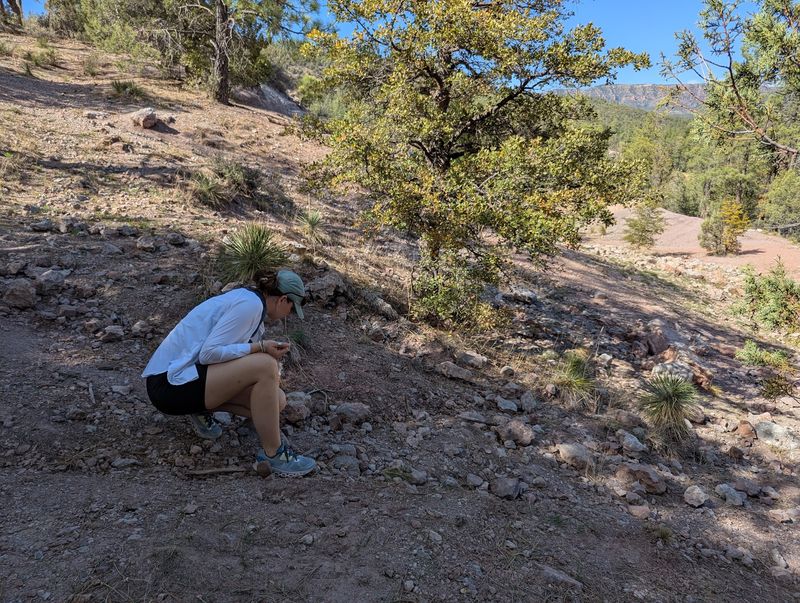
Bare hands can work, but a few simple tools make the hunt easier.
Little to no digging is needed in many areas, yet most people seem to bring some tools anyway. A small trowel or hand tool helps when working into the hillside.
Bring water, tools if you have them, and a bucket or bag for your finds. Water is extra helpful because there are no stores nearby.
Expectations matter here. Because the site is so easy to reach, it gets picked over, and some people leave empty-handed.
A few feel the hunt requires experience and bigger hand tools, and very young children may lose interest quickly without early success. Others simply enjoy exploring the rocks whether they find a fossil or not.
Those unsure about collecting rules can choose to leave finds in place. Either way, going in with realistic hopes keeps the day fun.
A Quiet Stop With Room to Roam
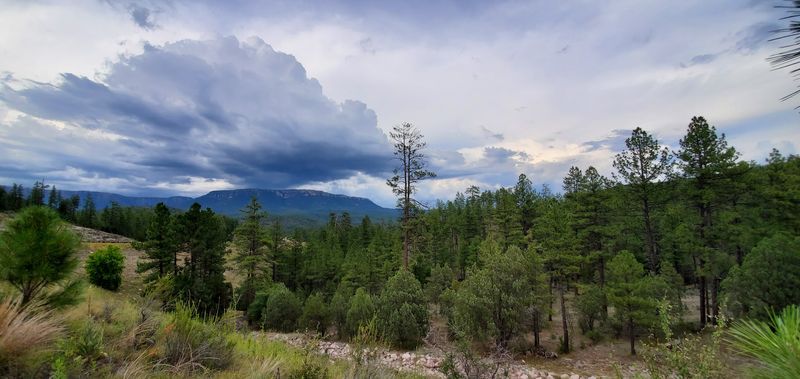
Solitude is a surprising bonus at such an easy-to-reach spot.
The site is fairly quiet, and many people find themselves alone or with just a few others. That calm makes it a pleasant place for a picnic or even a short rest.
Scenic trails wind among the fossil beds. The walking is easy, so it suits casual explorers more than serious hikers.
The parking circle area does not offer big views, but the lots do have some nice outlooks. Early risers have even caught a lovely sunrise here.
The place feels clean and safe. For many, it is simply a good chance to spend time outside the city.
Some people barely search for fossils at all. They just wander, take pictures, and enjoy having a patch of Arizona mostly to themselves.
Built for Curious Kids and Campers
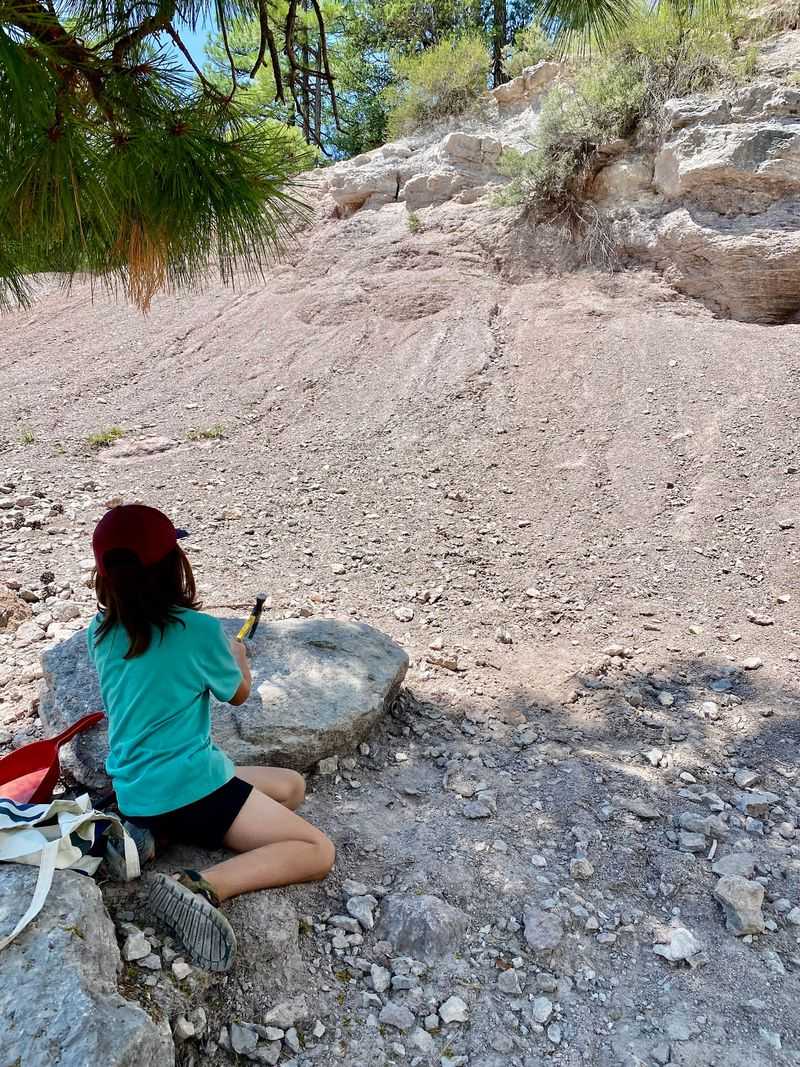
Museums have their place, but holding a real ancient shell you found yourself is hard to beat.
The site works well for kids who like digging in the dirt. They can uncover real fossils of ancient sea creatures and learn about nature as they go.
Many families stop on the way to camping trips in Rim Country. It makes a fun break before reaching the campsite.
Short visits of 30 minutes can be plenty for little ones. Families with toddlers often stay near the front, while older kids can explore farther up.
Adults get hooked as well. Some groups spend a couple of hours walking the whole area.
Scouts, grandparents, and first-time rockhounds all share the same slope here, making it a spot where curiosity matters more than age.
Hours, Cost, and the Tricky Exit
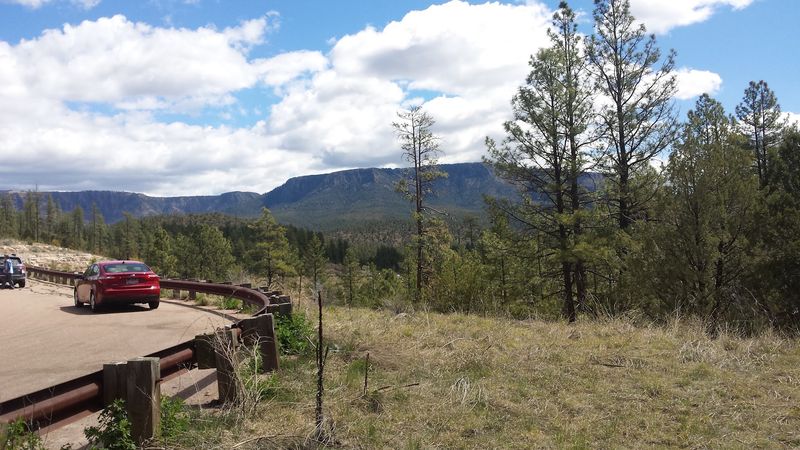
Timing matters, because the gate is not open every day.
Paleo Site Monument is open Wednesday through Sunday from 9 AM to 4 PM. It is closed on Monday and Tuesday.
Entry is free, which makes it an easy add-on to any drive along the 260. Parking is easy and plentiful.
The highway exit comes up fast, so watch for it. The ramp is fairly short, so drivers in large vehicles or towing trailers should take extra care.
A pedestrian gate at the entrance keeps vehicles out of the fossil area. Plan to walk from the lot.
Warm days can make searching tiring. Cooler weather is more comfortable, and bringing water lets you stay longer without cutting the hunt short.
Worth the Detour
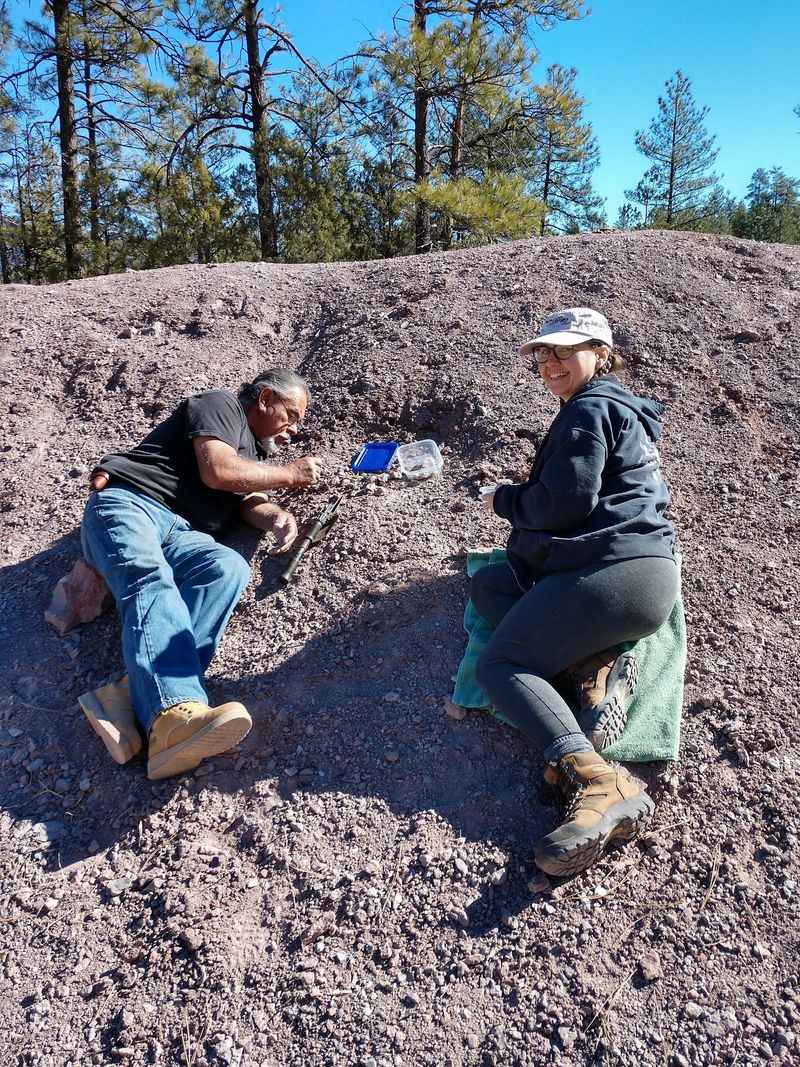
Small sites sometimes leave the biggest impression.
With a 4.5-star standing across more than 230 opinions, the monument clearly wins over most people who stop. Its easy access, free entry, and real fossils make it a standout among Arizona roadside breaks.
It is not a giant park, and some hope for more dramatic scenery. Still, the chance to find ancient ocean life near Payson is a rare treat.
Come with water, a few tools, and patience. Search the flats, check the washes, and visit after rain for fresh finds.
Many leave planning a return trip. For Arizonans who love knowing their state holds hidden wonders, a seafloor in the pines is a story worth telling at home.