Affiliate disclosure: As an Amazon Associate I earn from qualifying purchases. Learn more
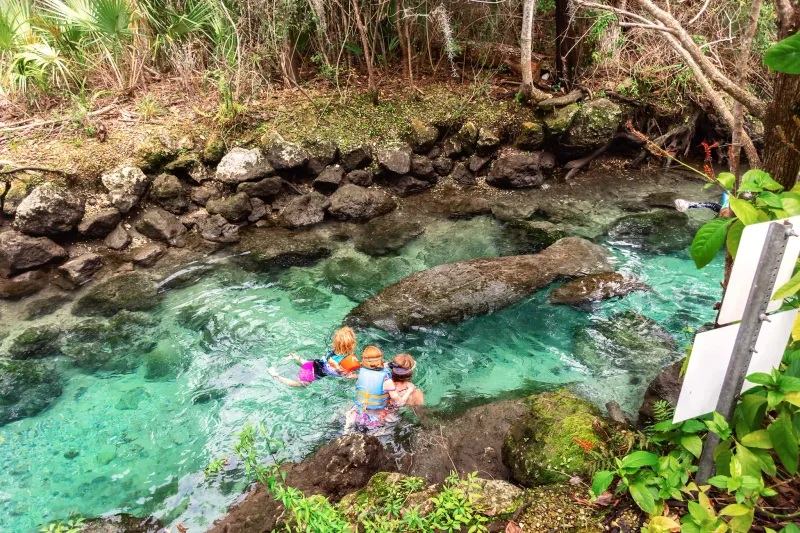
Crystal River, Florida, is one of the few places in the country where you can float in the same water as wild manatees during winter. Every year from mid-November through late March, these slow-moving sea cows gather around the warm springs of Kings Bay, making them easier to spot than almost anywhere else.
A guided outing starts at around $80 per person based on prices researched in September 2026, which puts it within reach for many families planning a day trip. Before you book, though, there are real rules, real uncertainties, and real differences between tour types that are worth understanding.
What Crystal River’s monitored status does—and does not—mean
Crystal River’s reputation as a place to swim near wild manatees is well-earned, but the phrase “the only legal manatee swim in Florida” stretches further than the official record supports. What Florida Fish and Wildlife Conservation Commission actually says is more specific: Crystal River and Kings Bay make up the only Florida area where FWC identifies swimmers as being monitored around manatees.
That is a meaningful distinction, not a technicality. It does not mean swimming near a manatee is automatically unlawful everywhere else in the state; it means Crystal River operates under active, structured oversight that other locations do not.
Manatees are federally and state protected animals. Harassment is unlawful, full stop, regardless of where in Florida you happen to be in the water.
Chasing, surrounding, touching, feeding, or deliberately approaching a manatee can qualify as harassment under Florida law and federal statute, no matter the location or your intentions.
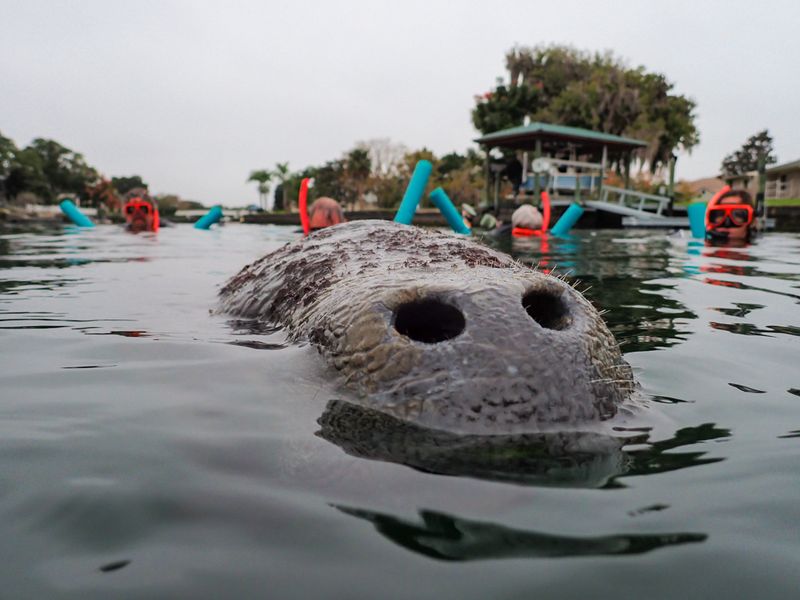
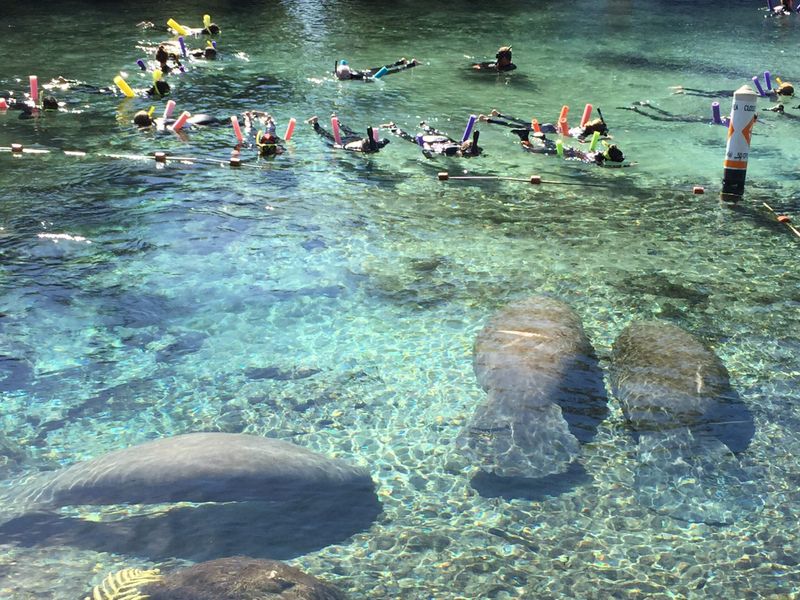
At Crystal River, “swimming with manatees” means something specific and passive. You float at the surface, keep your movements calm, and observe any animals that come near.
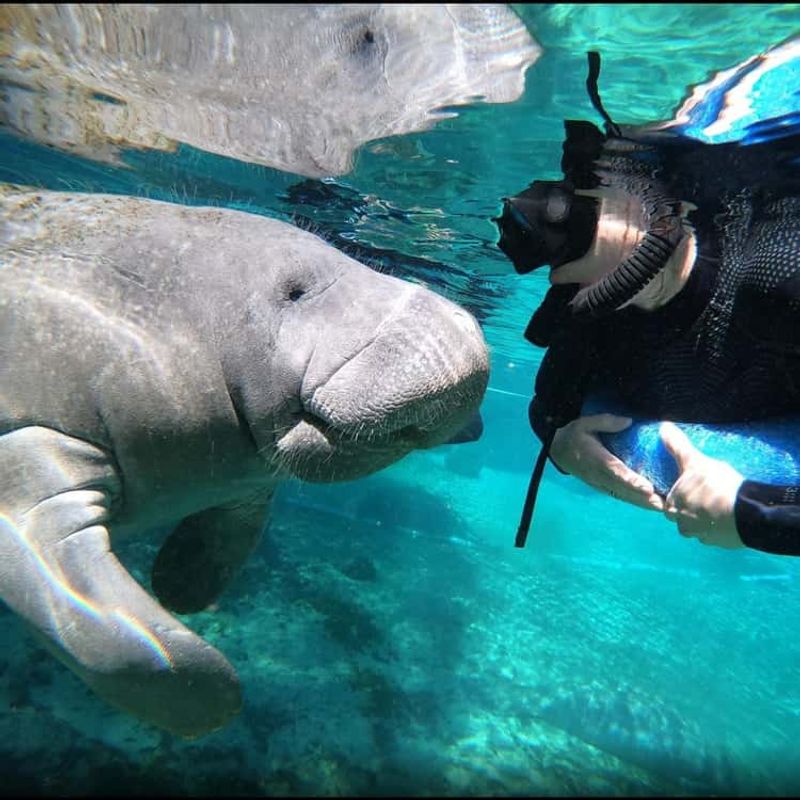
You do not chase them, reach toward them, or steer your body to intercept their path. The experience is closer to quiet wildlife watching than an interactive encounter.
Manatees are curious animals and may approach swimmers on their own terms, but that possibility is not a promise, and it is never an invitation to make contact.
Understanding what monitored status actually means helps set realistic expectations before you arrive. The oversight structure at Kings Bay exists to protect the animals, not to grant visitors special permission to behave in ways that would otherwise be off-limits.
How much does a guided swim cost?
Guided manatee swim prices in Crystal River vary by operator, group size, and what is included, so any single number needs context. Based on prices researched on September 25, 2026, here is what three operators were advertising as starting points.
Crystal River Aquarium and Wildlife Tours listed guided swims from $80 per person, with aquarium admission bundled into that price. A separate operator, Crystal River Kayak Company, listed a guided boat swim at $93 per person, with snorkel equipment and an in-water guide included.
For families or small groups who want more flexibility and a private experience, Crystal River Manatee Tours listed a private tour rate of $500 for up to four people, which works out to $125 per person at full capacity.
Those numbers cover a range, and none of them automatically represents a “cheap” or “expensive” outing without knowing what your group needs. A family of four on a shared guided swim at $80 per person is looking at $320 before parking, food, and fuel.
The private tour at $500 for four people lands in the same range but offers a different experience. Neither figure tells you what most families expect to pay, because that expectation varies widely and no research reviewed here measures it.
Treat these prices as advertised starting examples, not a guaranteed final cost. Tour operators may charge separately for wetsuit rental, parking, or booking fees.
Age minimums, weight limits, and cancellation policies differ between companies. Check the current booking page for whichever operator you choose, confirm the total before entering payment information, and ask specifically what is and is not included in the quoted price.
Choose the outing that fits your group
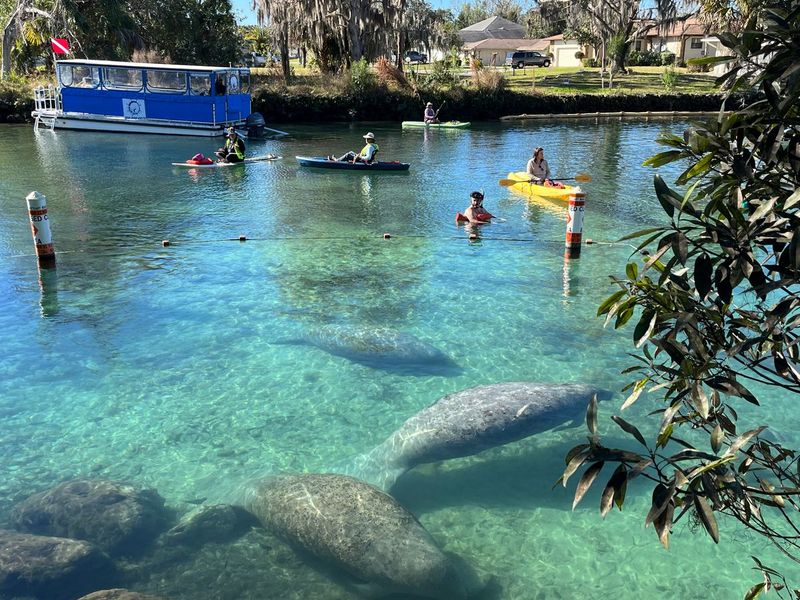
Not every visitor to Crystal River wants to get in the water, and not every in-water option is the same thing. Knowing the difference before you book saves confusion and helps you pick the experience that actually fits your group.
A shared guided in-water swim puts you in the water with a certified guide, usually departing by boat from a local marina to reach Kings Bay’s open swim areas. You snorkel at the surface and observe manatees if they are present.
This is the core “swim with manatees” experience most people are searching for when they plan this trip.
A private tour, such as the one listed by Crystal River Manatee Tours, offers the same general format but with a dedicated boat and guide for your group only. That matters for families with young children, visitors with mobility considerations, or anyone who wants a slower pace without sharing space with strangers.
For visitors who prefer to stay completely dry, at least one local operator lists a wildlife boat tour as a separate option. Crystal River Aquarium and Wildlife Tours advertised that option from $45 per person as of September 2026.
You observe manatees from the boat rather than from the water, which works well for non-swimmers, younger children, or anyone who finds cold spring water unappealing.
Three Sisters Springs is a separate matter entirely. The City of Crystal River lists winter land admission at $12.50 per adult for the springs boardwalk.
That ticket gets you onto the land trail around the springs, not into the water on a guided swim. Land access and in-water manatee tours are different experiences with different pricing structures.
Winter draws manatees to warm springs, but sightings vary
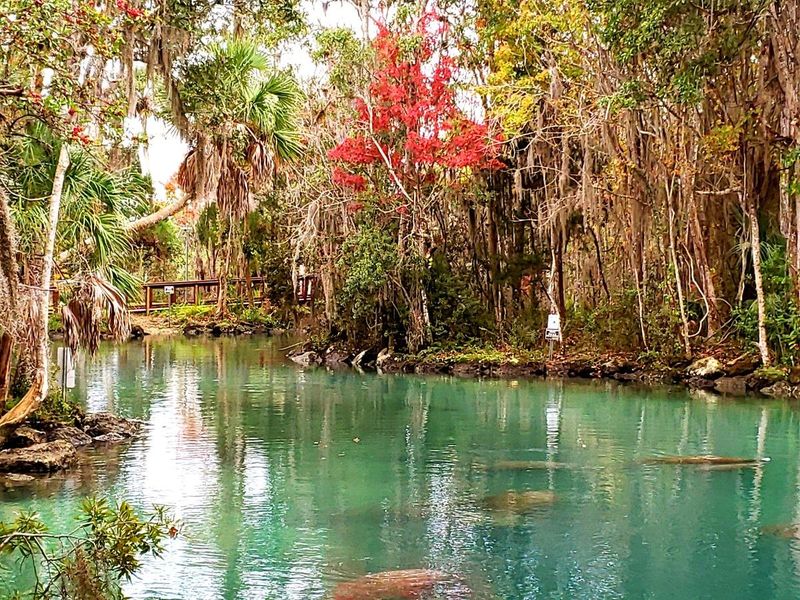
Manatees are warm-water animals. When Florida’s air and water temperatures drop in late fall and winter, the animals migrate toward natural spring systems that stay around 72 degrees Fahrenheit year-round.
Kings Bay’s springs are among the most reliable warm-water refuges on Florida’s Gulf Coast, which is why the November through March window tends to produce the highest concentrations of manatees in the area.
Cold snaps matter here. When outside temperatures fall sharply, more manatees move into the springs and stay closer to the vents, which can make sightings more likely during and immediately after a cold spell.
Warm winter days, by contrast, may find animals dispersed across a wider area of the bay or moving out toward the Gulf, reducing how many you see from any one spot.
According to U.S. Fish and Wildlife Service guidance on Crystal River National Wildlife Refuge, wildlife presence varies and conditions change.
Crystal River Kayak Company states explicitly in its tour terms that sightings are not guaranteed. That policy belongs to that specific operator; other operators may phrase their policies differently, so check the terms for whichever company you book with before assuming the same language applies.
The honest planning advice is straightforward: winter is your best window, a cold front is your best ally, and no tour on any given day comes with a sighting guarantee. Go with the season on your side, keep your expectations realistic, and let the wildlife decide the rest.
Seasonal rules can change where you enter the water
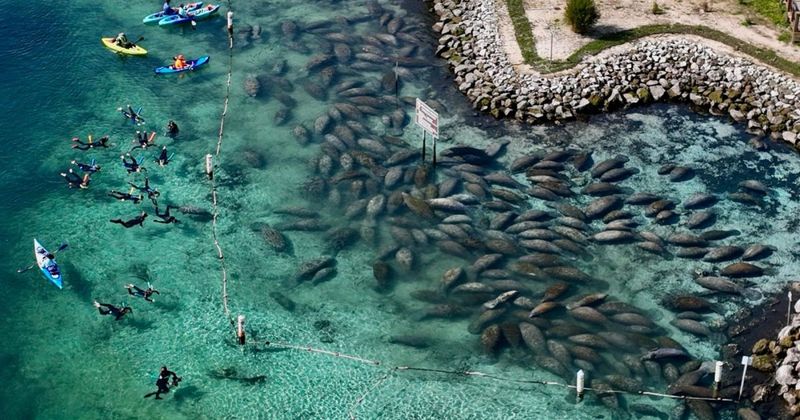
Kings Bay does not operate the same way year-round. From November 15 through March 31, the U.S.
Fish and Wildlife Service activates manatee sanctuaries within the bay. While those sanctuaries are in effect, entering the water inside the designated sanctuary boundaries is prohibited.
These closures are not suggestions; they are enforced refuge regulations designed to give manatees undisturbed access to the warmest water during the most critical months of the year.
Within that same winter season, one area remains open for swimming regardless of sanctuary status. The King Spring area, commonly called the “Key Hole,” is identified by FWS as an open swim area available year-round.
Guided tours typically operate from this area during the winter months, which is why booking through a licensed operator familiar with current access rules is worth doing rather than arriving independently and guessing.
Three Sisters Springs adds another layer of variability. Managers have the authority to temporarily close the springs to in-water access at any time, particularly when cold weather drives large numbers of manatees into the confined spring pool or when crowding poses a stress risk to the animals.
That closure can happen with little advance notice and may last a day or several days depending on conditions.
Before setting out, check current access conditions through the refuge or your tour operator. Calling ahead on the morning of your visit, especially after a cold night, takes about two minutes and can save you a wasted drive.
Do not assume that because Three Sisters Springs was open last weekend, it will be open when you arrive.
Observe manatees passively and assess water safety
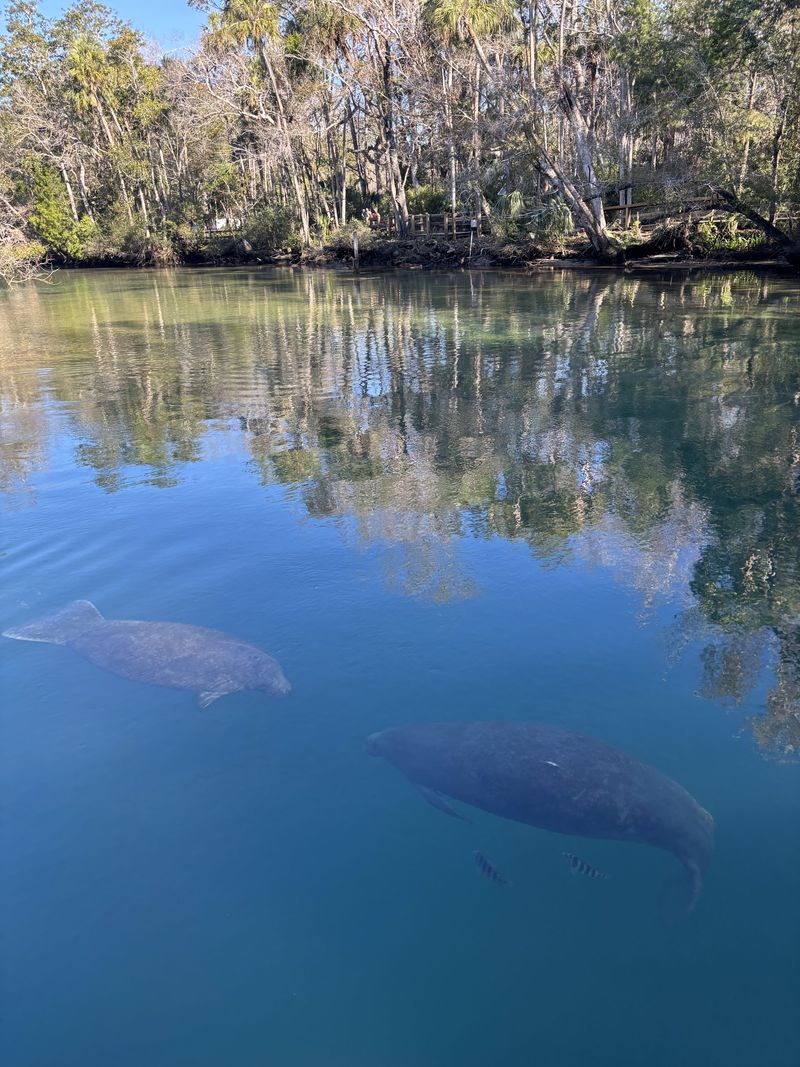
The conduct rules for swimming near manatees at Kings Bay are not optional or merely polite suggestions. FWC’s manatee viewing guidelines are clear: float calmly at the surface, keep your arms close to your body, and let the animals move freely.
Do not chase a manatee that is swimming away, do not position yourself to cut off its path, do not reach out to touch it, and do not feed it anything. Surrounding a manatee, even unintentionally as a group, can qualify as harassment.
A single calm observer floating at the surface is what these rules envision.
Snorkel gear is the right tool for this kind of observation. A mask and snorkel let you keep your face in the water and watch manatees below you without making the repeated splashing and movement that scuba bubbles or swimming strokes can cause.
Many operators include gear in the tour price, but confirm that when you book.
Water safety is a separate and serious consideration. FWS states plainly that there is no lifeguard on duty at Crystal River National Wildlife Refuge and that visitors swim at their own risk.
Spring water sits around 72 degrees Fahrenheit, which feels cold quickly to children and anyone not accustomed to it. Wetsuits are strongly recommended and often required by operators for that reason.
Before booking anyone in your group on an in-water tour, honestly assess their comfort level in open water with limited visibility and moderate current near spring vents. Ask the operator about age minimums, swimming ability requirements, and whether wetsuits are provided or need to be rented.
A child who is uneasy in a pool will likely be more uneasy in a spring-fed bay, and a wildlife boat tour may be a better fit than putting them in the water.
Verify the price, access, and requirements before booking
Advertised starting prices are a useful first filter, but they are not the number that shows up when you complete checkout. Before confirming any reservation, ask the operator for the full per-person total including any equipment rental, fuel surcharges, booking fees, or taxes.
Check whether wetsuits are included or billed separately, since renting one on-site can add $10 to $20 per person. Confirm the cancellation and rescheduling policy in writing, because weather and wildlife conditions do occasionally force last-minute changes.
Verify the planned access point for your tour date. Ask specifically whether the operator expects to use Three Sisters Springs or the King Spring Key Hole area, and whether they will check conditions the morning of the tour.
Operator booking pages and the FWS Crystal River refuge information are both worth reviewing before you finalize plans, since spring access can shift without much warning.
Run through a short checklist for every person in your group: Can they swim comfortably in open water? Are they comfortable floating in 72-degree water for an hour?
Does the operator have a minimum age or weight requirement that affects anyone in your party? Answering those questions before booking prevents surprises at the marina.
A winter manatee outing at Crystal River is a genuinely uncommon experience, and for many families it lands within a manageable budget. The animals, the springs, and the setting do most of the work.
Going in with accurate information rather than assumptions is what turns a good plan into a day worth repeating.