
Affiliate disclosure: As an Amazon Associate I earn from qualifying purchases. Learn more
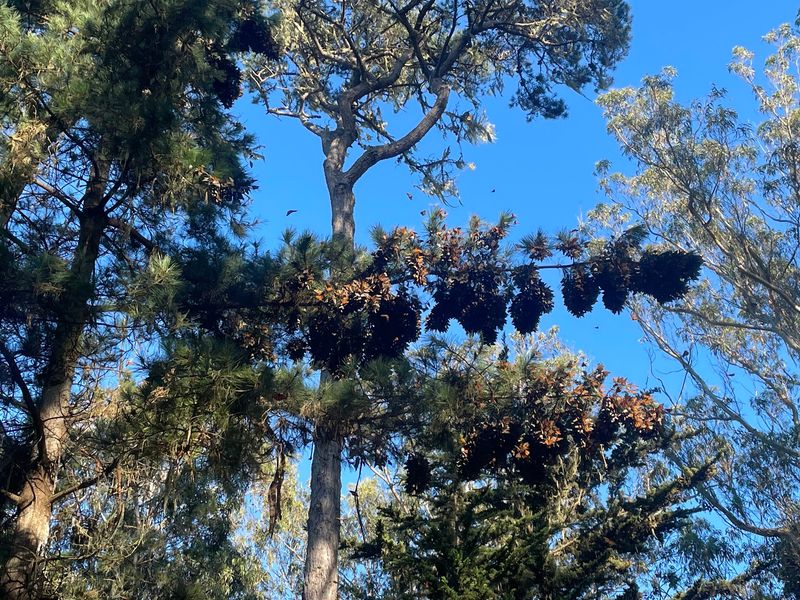
Every fall, orange-and-black travelers finish a long trip and settle into a small patch of trees on the Monterey Peninsula. They do not arrive with luggage, but they do arrive in numbers big enough to turn branches into living clusters.
The show is free, the trail is short, and the stars of the season hang upside down for months. This guide covers when to go, where to look, how the telescopes work, and what to know about parking before you head to Pacific Grove.
A Tiny Grove With a Big Winter Guest List
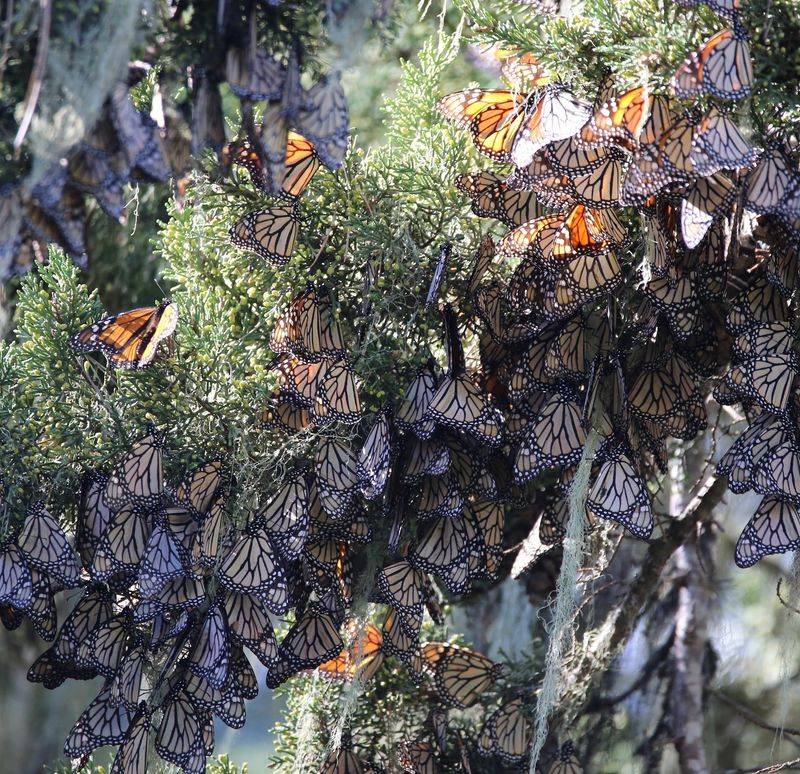
Some of the most famous winter residents in California check in at a quiet neighborhood address. The Monarch Butterfly Sanctuary sits at 250 Ridge Rd, Pacific Grove, CA 93950, in the United States.
It is a nature reserve set aside for seasonal butterflies. Pine, cypress, and eucalyptus trees shelter thousands of monarchs here from October through March.
The land covers about 2.4 acres. That is modest by park standards, yet it is dedicated entirely to migrating monarchs.
The sanctuary is run through the City of Pacific Grove, which shares visiting details on its official website. Its setting feels less like a far-off wilderness and more like a pocket of protected trees tucked into a residential area.
Homes and a hotel sit close to the edges of the path. The butterflies do not seem to mind the neighbors, and they sometimes pick backyard trees just beyond the boundary.
Size is the first thing worth understanding before a trip. Expect a short, focused visit built around looking up, not a long hike through open country.
With that expectation set, the rest of the story makes a lot more sense.
Why the Monarchs Choose Pacific Grove
Migration is the whole reason this place exists. Monarchs stop here naturally on their yearly route, and they stay through the cooler months.
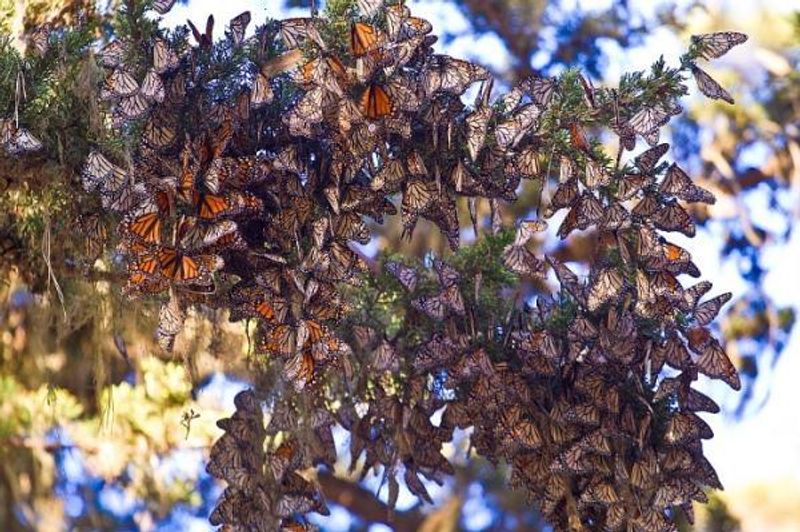
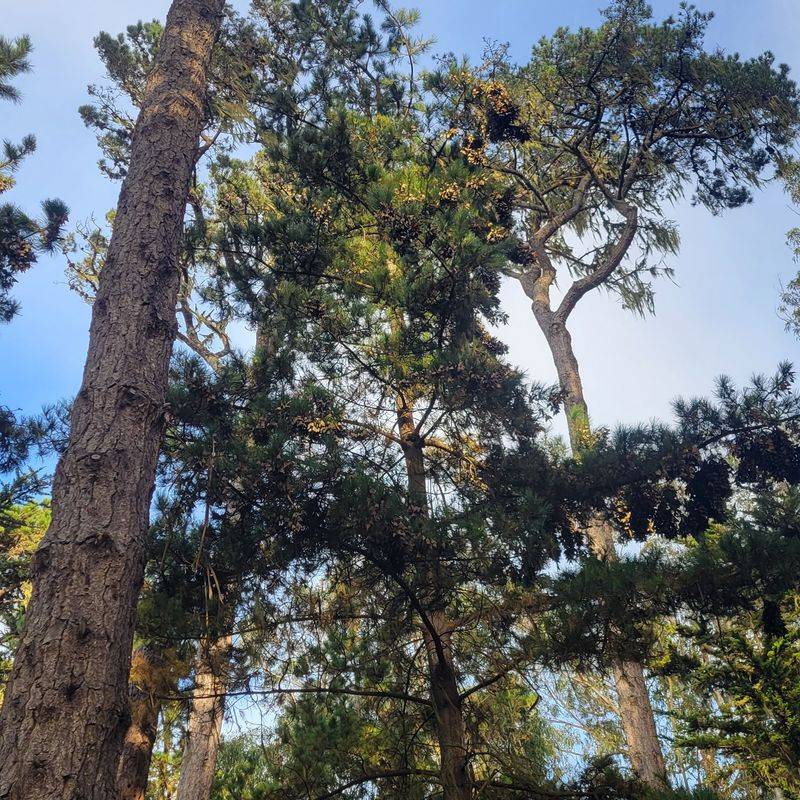
The trees are the key. Eucalyptus, pine, and cypress give the butterflies places to gather and hang together in groups called clusters.
Clustering is how monarchs spend the winter. They pack tightly on branches and wait out the season, becoming active mostly when conditions warm up.
Seeing these insects on a migration path is a rare chance for anyone who cares about wildlife. Many people leave feeling inspired to protect the species.
There is also a note of concern in the story. Butterfly numbers have been dropping in recent years, and some seasons show far fewer clusters than people expect.
That makes the sanctuary more than a pretty stop. It is a working example of land set aside so a struggling species has somewhere to rest.
Every cluster on those branches is a small win for the monarchs.
Timing the Flutter Just Right
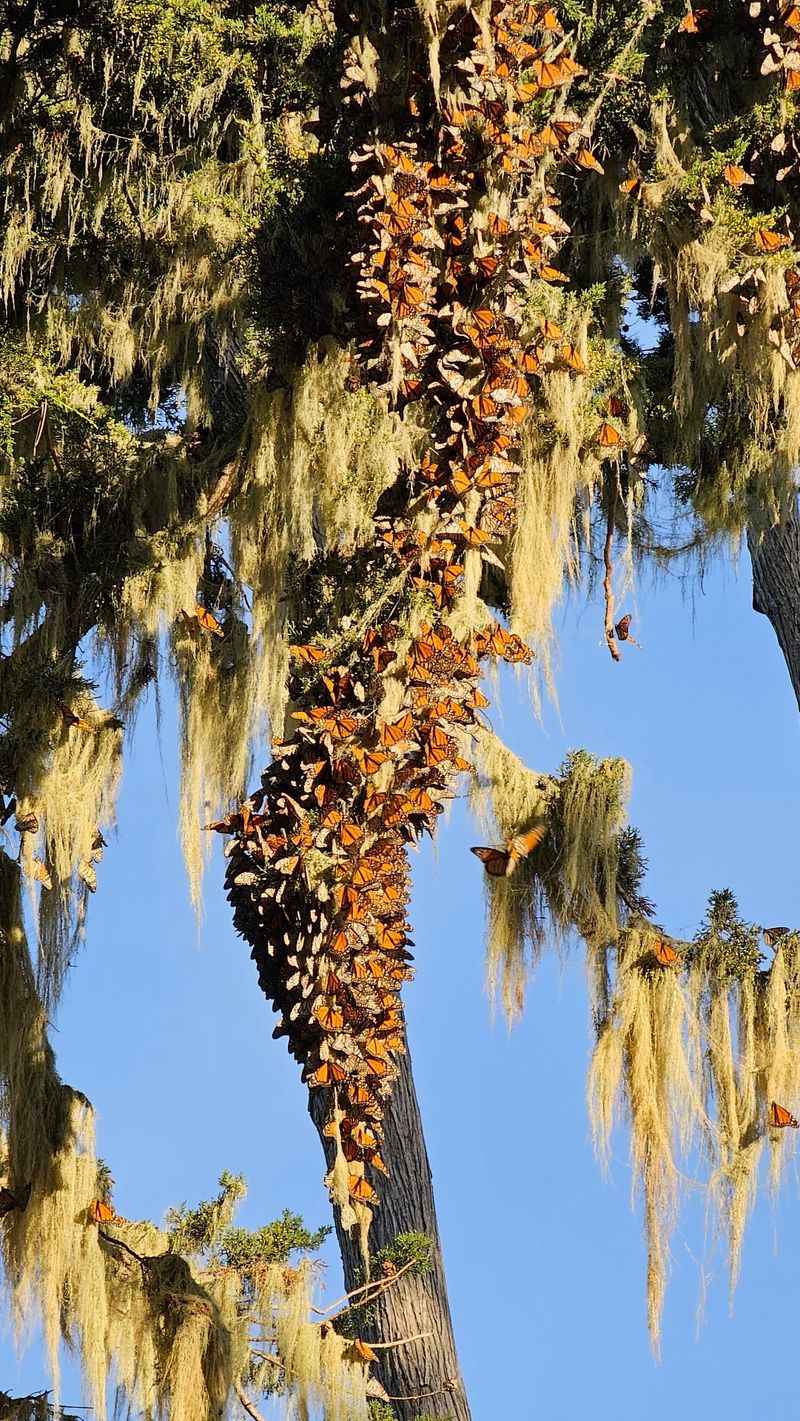
Calendar math matters more here than at almost any other park. Monarchs are present roughly from October through February or March.
Peak season generally lands in late November into early December. October to December is often named as the prime window.
Arrive too early and the trees may hold only a few flyers. Arrive in late December or February and clusters can be thin or missing.
Some early November trips find modest numbers, with advice to wait until the end of the month. Mid-December has sometimes been quiet as well.
Seasons also shift from year to year. One year may bring a strong January, while another starts early and fades sooner.
The safest plan is to aim for the heart of the season. Late November sits at the top of most wish lists for good reason.
Flexibility helps too, so a backup plan nearby is never a bad idea.
The Best Hour to Catch Them Awake
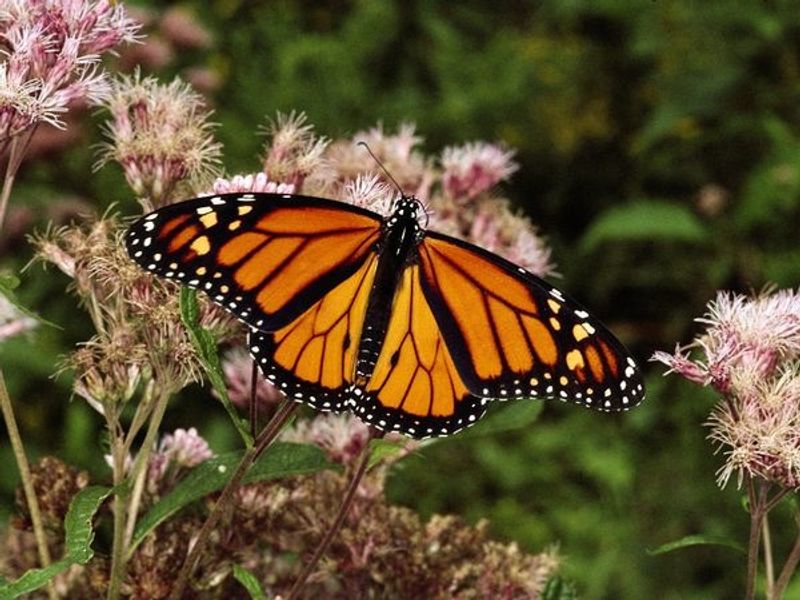
Monarchs are not early risers. On cool mornings they stay still and folded, often looking like dead leaves on the branch.
That camouflage fools plenty of people. An early visit can mean staring at trees full of butterflies without realizing it.
Activity picks up as the day warms. On one early November day, the butterflies started flying around 10 am.
Early afternoon with sunshine is widely considered the sweet spot. The monarchs wake, stretch, and take short flights through the grove.
Toward sunset they slow down again and settle in for the evening. Posted hours end at 5 pm, and the butterflies seem to keep a similar schedule.
A sunny afternoon in peak season gives the best odds of both clusters and fluttering flyers.
Plan around the sun, and the monarchs tend to cooperate.
Eucalyptus Giants Overhead
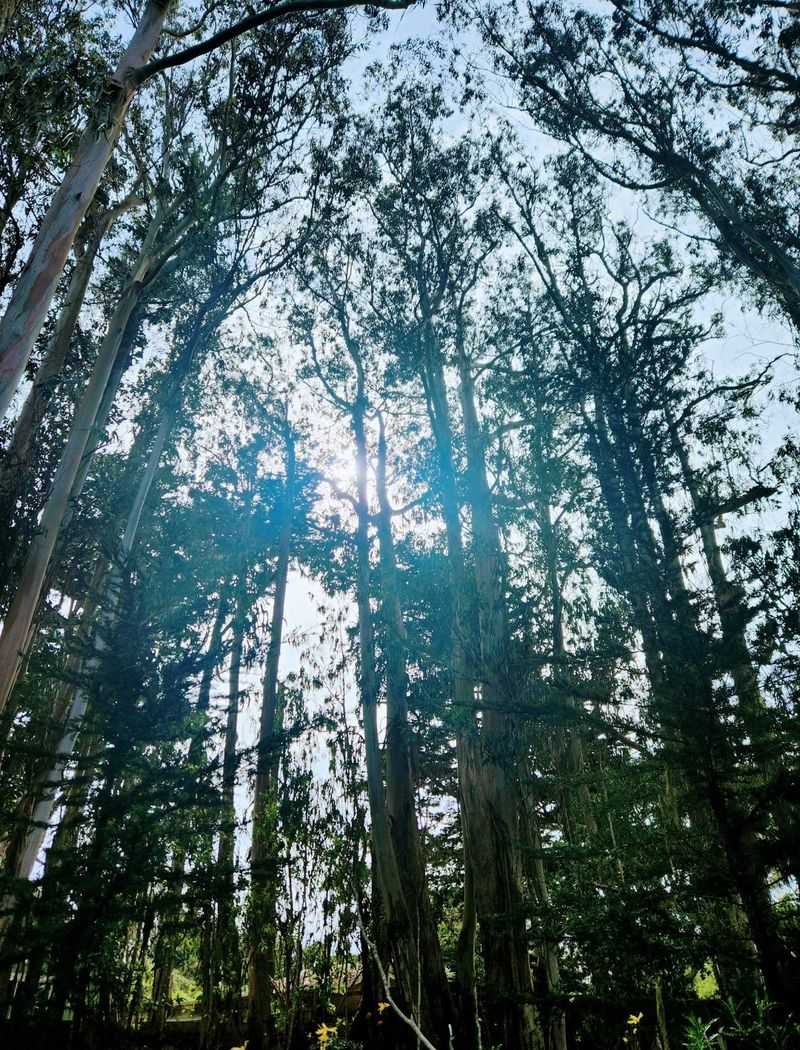
Tall trees do the heavy lifting in this story. The giant eucalyptus in the grove are the main landmark and a favorite roosting spot.
Clusters often form high in these branches. Looking up at the nearby eucalyptus is one of the most reliable ways to find a group.
Pine and cypress round out the canopy. Together they create the sheltered setting that brings the monarchs back each year.
The trees also give the grove its appeal outside butterfly season. Even without monarchs, many people enjoy the walk beneath the canopy.
A bit of patience pays off here. Spend a few minutes scanning one tree, and a cluster may reveal itself where only bark and leaves seemed to be.
A neck stretch is practically part of the admission, which happens to be free.
Telescopes That Bring Clusters Closer
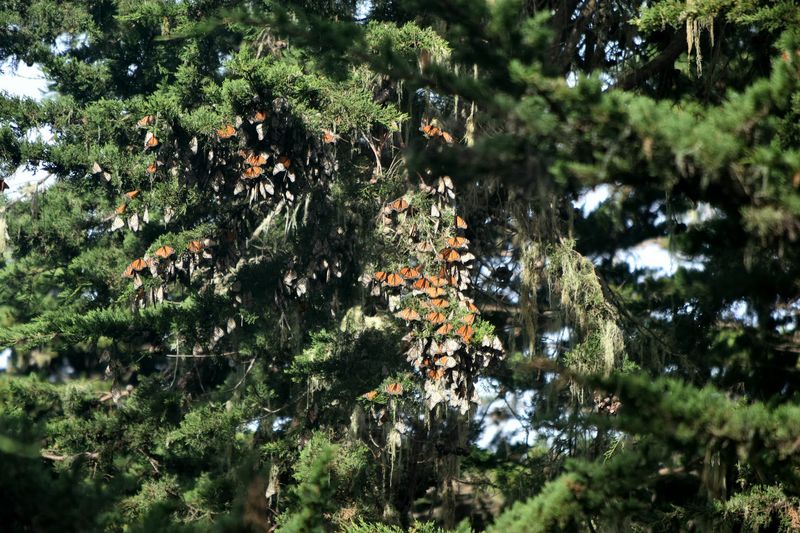
Clusters can hang far above the trail, which is where the telescopes come in. Spotting scopes are often set up so people can see the butterflies up close.
Through the lens, a blob of orange becomes individual wings and bodies packed together. Kids especially tend to love this part.
Volunteers commonly run the scopes on non-holiday days. They aim them at active clusters and help people find what to look for.
Other monarch fans lend a hand too. Photographers with long zoom lenses sometimes share views of groups roosting in the yard next door.
Scope availability can vary by day. Bringing personal binoculars is a smart backup that many people recommend.
A good camera helps as well. Zoom is the difference between seeing a tree and seeing a butterfly party.
Docents With Wings of Wisdom

Knowledge flows freely along this short trail. Docents are one of the most talked-about parts of a visit.
Volunteer guides answer questions about monarch life cycles, migration, and why the grove matters. One guide in particular is known for deep expertise on butterflies and moths.
Their message often goes beyond facts. Many guides stress the importance of preserving the natural world for species like the monarch.
That makes the stop educational for adults and children alike. A short conversation can turn a quick look into a real lesson.
Guides are not guaranteed every day. Some days no one is on duty, and the experience becomes self-guided.
Friendly monarch enthusiasts often fill the gap. People with binoculars regularly help strangers locate clusters and share what they know.
Curiosity is always welcome, and questions rarely go unanswered for long.
A Five-Minute Trail Worth Slowing Down
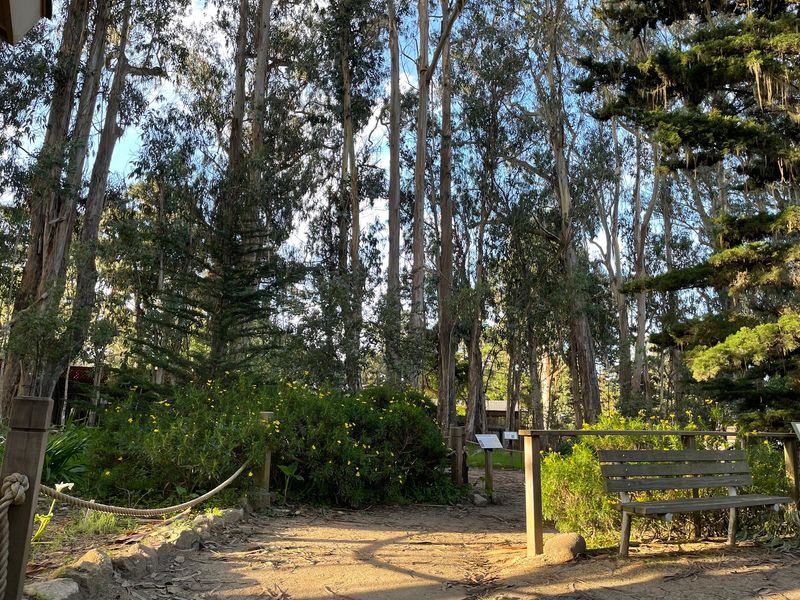
Short and sweet describes the trail well. The path takes about two to five minutes to walk from end to end.
It is well maintained and easy underfoot. The trail was updated recently after severe storm damage from past years.
Flowers line parts of the route, adding color even when monarchs are scarce. The whole area stays clean and tidy.
Brevity is both a strength and a warning. It is easy for anyone, but it is not worth a long drive for the walk alone.
The path runs alongside backyards and a hotel. Many butterflies choose trees on private property, so viewing sometimes means looking over the fence line.
Time here depends on the season. A visit can last five minutes or stretch into hours of watching and photographing.
The trail is small, but the patience it rewards is not.
Deer, Flowers, and Off-Season Calm
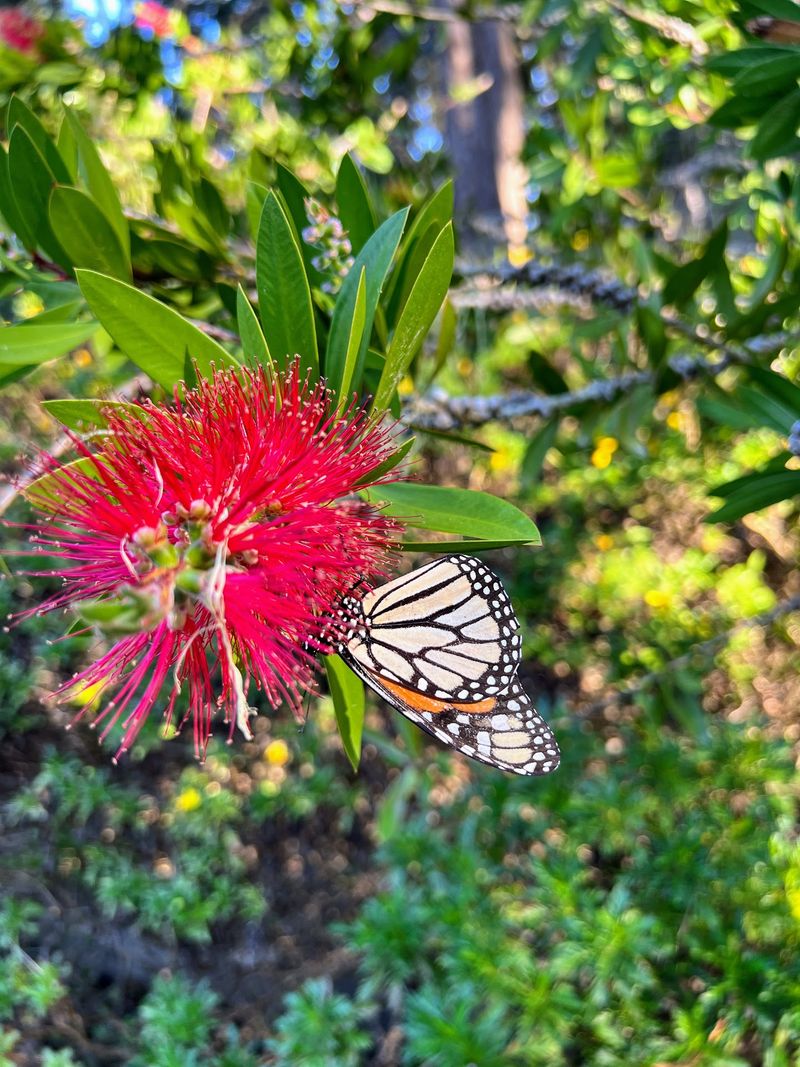
Monarchs are the headliners, but they are not the only locals. Deer roam the area and are often seen grazing near the sanctuary.
They tend to be fairly relaxed around people. Spotting one is a common bonus, especially on quiet days.
The off-season has its own appeal. Outside butterfly months, the grove remains a serene and tranquil place to stop.
Summer may bring a few monarchs flying around. Winter is when the clustering happens.
Plenty of people leave happy even without seeing a single cluster. The trees, the flowers, and the peaceful setting are enough for a pleasant break.
For travelers passing through in spring or summer, it still works as a short nature stop.
Just adjust expectations, and the grove will not disappoint.
Little Explorers Welcome

Families get plenty out of this grove. The flat, short trail is easy enough for toddlers and preschoolers.
Young children, even a four-year-old and a one-year-old, can manage the walk comfortably. Grandparents bring grandkids here too.
The telescopes are a favorite with kids. Seeing a real cluster up close tends to spark lots of questions.
Docents make the most of that curiosity. Their explanations suit young minds without talking down to them.
No reservations are needed, and wait times are typically nonexistent. That keeps things simple for anyone juggling strollers and snacks.
There is one public restroom on site, which parents will appreciate.
Short attention spans are no problem on a trail this compact.
Free Admission and Daily Hours
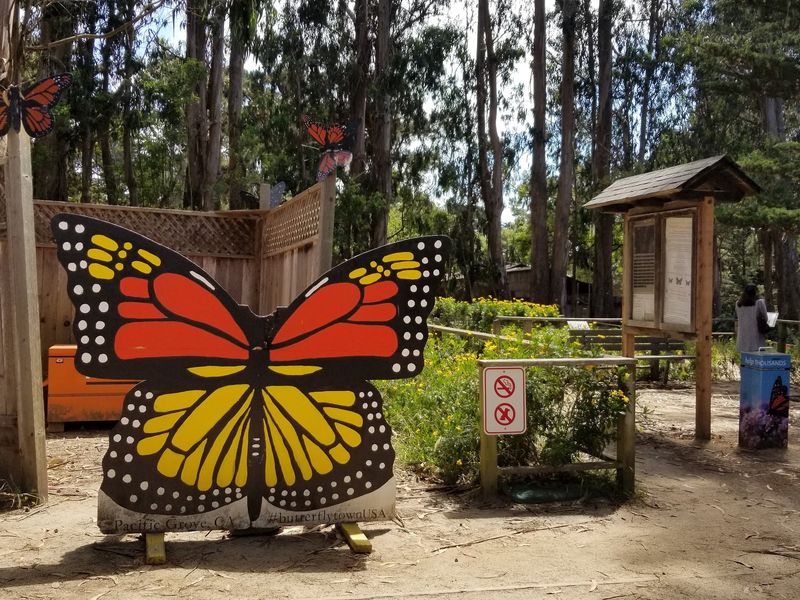
Good news for budgets: there is no charge to enter. Admission is free for the whole family.
The sanctuary is open every day of the week from 8 am to 5 pm. That includes weekends.
Gates are not strictly closed at 5 pm. Still, the butterflies wind down near sunset, so later visits offer less to see.
Many people express gratitude to those who maintain the grove and keep it open without a fee.
Free entry makes repeat visits easy. Locals and returning travelers often pop in several times a season to check on the clusters.
A quick call or website check with the City of Pacific Grove can help confirm current details before a trip.
Paying nothing to see a migration spectacle is a pretty sweet deal.
Parking Puzzles and Road Notes
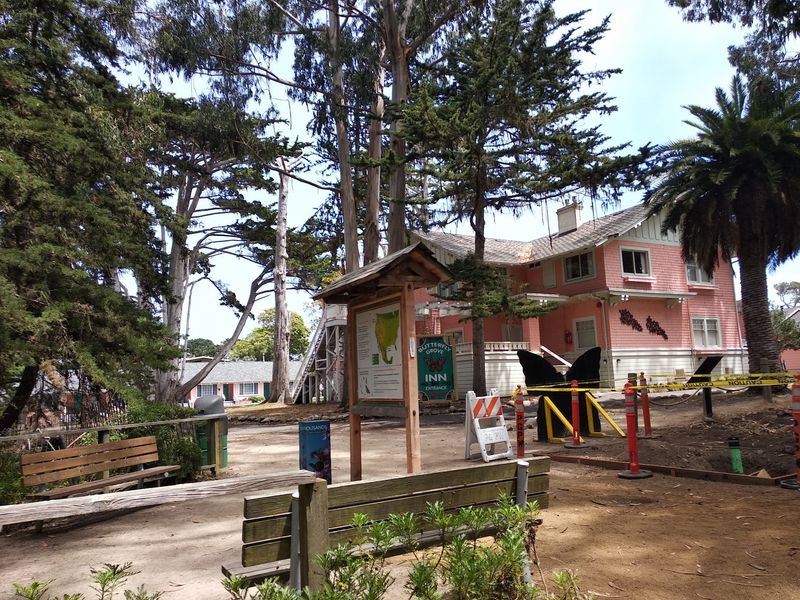
Parking is the main logistical puzzle. There is no large lot, and spaces fill up during busy periods.
Street parking is available near both entrances. On quieter days it is easy to find a spot.
On weekends, the school across the street offers extra parking when the roadside fills up.
Getting there means driving through town and along small residential roads. Some drivers find those streets a bit tight.
Travelers from the south should check Highway 1 conditions. A section between Cambria and the area has been closed for an extended period, forcing a long detour.
Planning the route ahead saves frustration. Arriving outside peak weekend hours also makes parking far easier.
A little road homework keeps the focus on the butterflies.
What to Pack for Butterfly Spotting
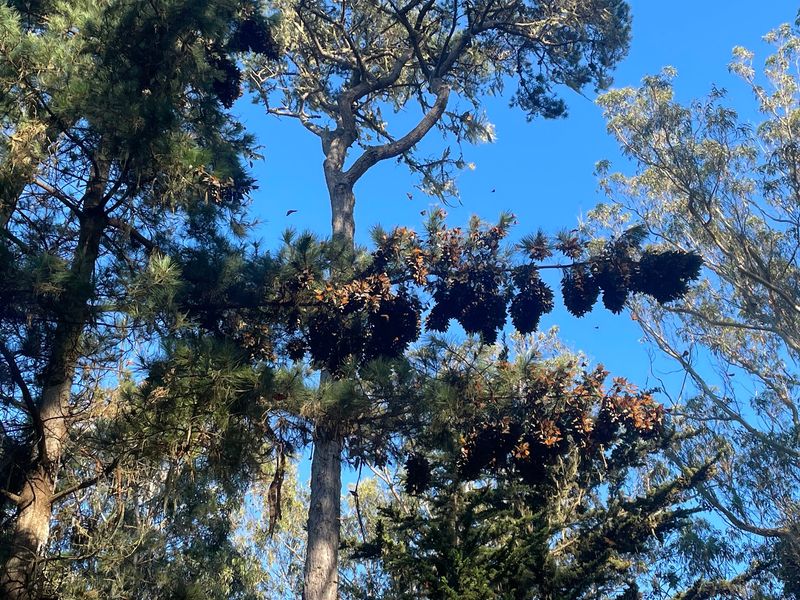
Gear can make or break the experience. Binoculars top the list of must-bring items.
Clusters often hang high or sit in trees just outside the sanctuary. Magnification turns vague shapes into clear groups of monarchs.
A camera with good zoom is another smart pick. Photographers regularly spend long stretches capturing the clusters.
Patience belongs in the bag too. Scanning slowly and looking up for a while often reveals a few flyers.
Timing is part of the kit as well. Sunny early afternoons during late November give the best chances.
Plan to combine the stop with other outings in Monterey County. The sanctuary pairs well with a larger day in the area.
Pack light, look up, and let the monarchs set the pace.
A Small Grove With a Big Purpose
Size is never the point here. This little grove holds a strong 4.5-star reputation across nearly 2,000 opinions for a reason.
It offers a free, close look at one of nature’s great migrations. It also gives a struggling species protected space to rest.
The honest caveats are simple. The trail is short, parking can be tight, and butterfly numbers change from year to year.
Visits during peak season, on sunny afternoons, bring the best rewards. Off-season stops still deliver a calm walk under tall trees.
Travelers already in the Monterey area have little reason to skip it. Those coming from far away should plan carefully around late November.
Either way, the monarchs return each winter to this patch of Pacific Grove.
Catching them there feels like being let in on one of the coast’s best-kept seasonal secrets.