
Affiliate disclosure: As an Amazon Associate I earn from qualifying purchases. Learn more
Somewhere off Interstate 40, hidden behind a stretch of flat high desert, sits a hole so big it could swallow a small city. About 50,000 years ago, a chunk of space rock slammed into northern Arizona and left behind one of the best-preserved impact sites on the entire planet.
Longtime Arizona locals have driven past the turnoff their whole lives, some without ever pulling in to see what all the fuss is about. That is a mistake worth fixing.
This is a place where NASA once trained Apollo crews, where kids press their faces to viewfinders looking for a tiny astronaut, and where the sheer scale of the crater tends to leave people quiet. Here is everything worth knowing before you make the drive.
A Crater You Can Reach Right Off I-40
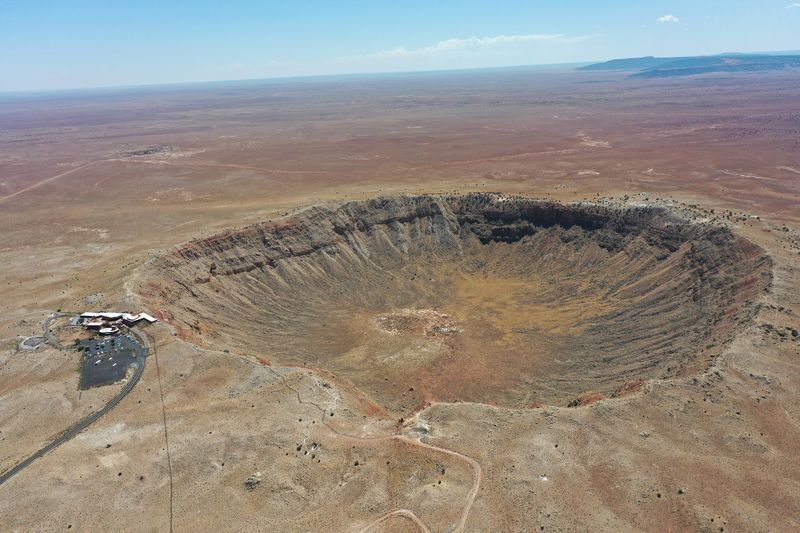
Getting here could not be simpler. The landmark sits at I-40 Exit 233, Winslow, AZ 86047, a straight shot for anyone cruising the interstate through northern Arizona.
Flagstaff residents have it especially easy. The crater is only about 40 minutes east of town, close enough that skipping it starts to feel like a missed opportunity.
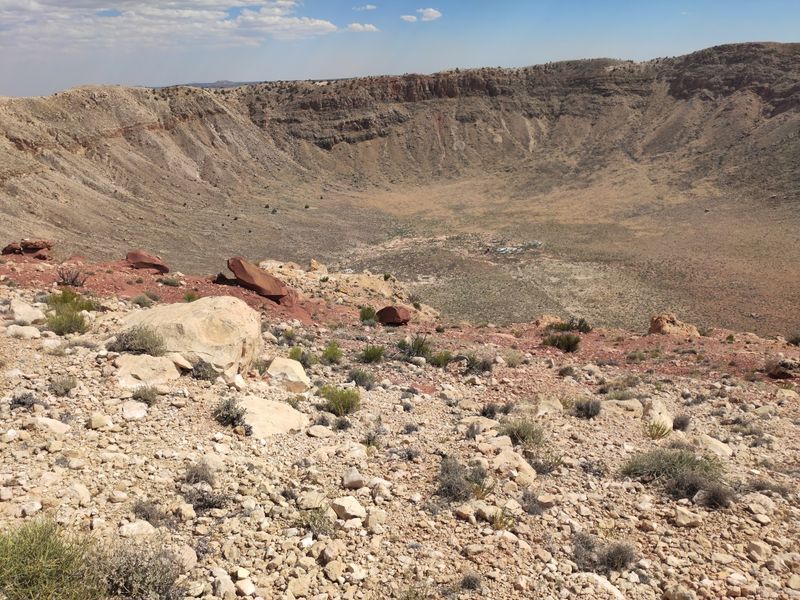
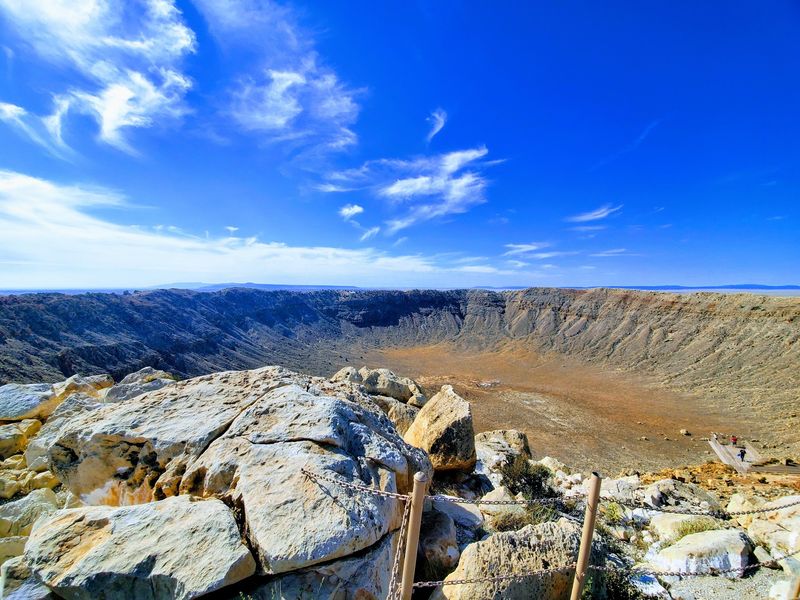
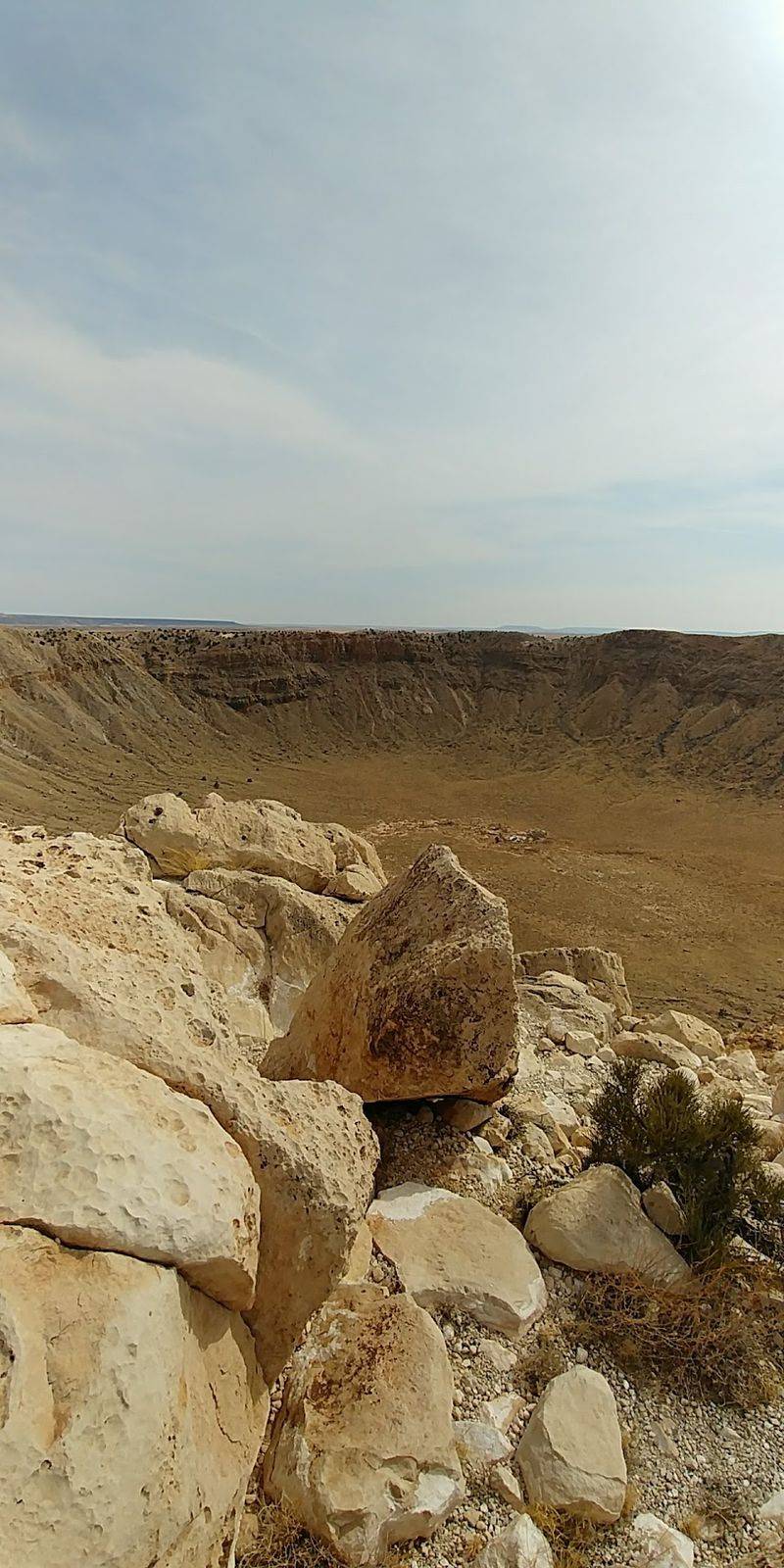
The setting is pure high-desert Arizona. Flat scrubland spreads out in every direction until the ground suddenly drops away into a bowl nearly a mile wide and roughly 550 feet deep.
People who almost drove past say they are genuinely glad they turned off. It breaks up a long haul between Flagstaff and Albuquerque and gives a road trip a real anchor point.
The turnoff has been a fixture for generations. Plenty of Arizonans remember passing the sign as kids and finally circling back years later with their own families in tow.
The Rock That Fell From Space 50,000 Years Ago
Long before anyone lived nearby, a meteorite came screaming out of the sky and punched into the Arizona ground. The impact happened roughly 50,000 years ago, and the mark it left has barely faded.
The scale is hard to wrap your head around until you stand at the edge. A relatively small piece of iron and nickel, moving at tremendous speed, carved out a hole big enough to be seen from far above.
The introductory movie helps set the stage. A short film simulates what unfolded in those few seconds, giving people a sense of the raw force involved before they ever look over the rim.
What makes the site special is how intact it remains. Arizona’s dry climate has kept the crater in remarkable shape compared to impact sites elsewhere in the world.
There is a bittersweet note to it, too. The crater is slowly wearing down from natural weather over the ages, which makes seeing it now feel a little more meaningful.
Where Apollo Astronauts Trained for the Moon
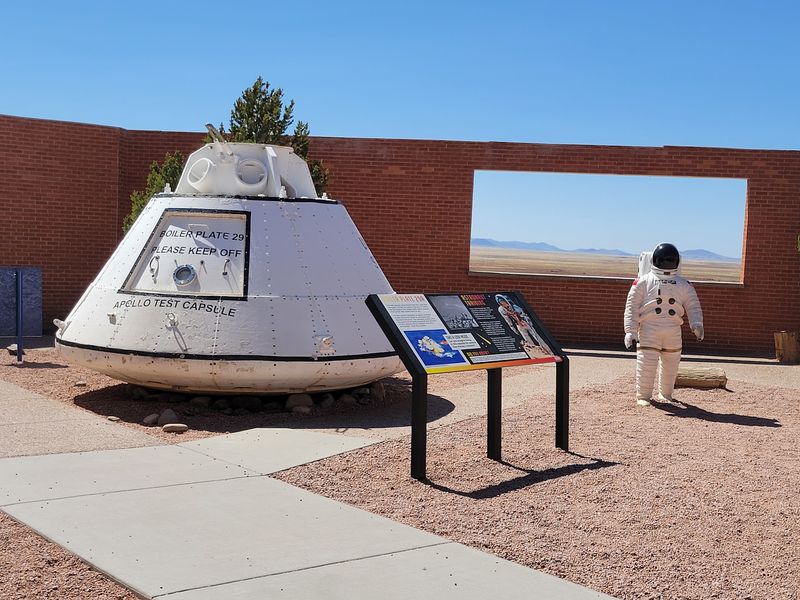
Few roadside stops can claim a genuine connection to the space program, but this one earns it. Apollo crews came here to prepare for walking on the surface of the moon.
The reason makes sense once you see the terrain. The rugged, cratered landscape offered astronauts a training ground that resembled conditions they would face far from Earth.
Space fans tend to light up at this detail. For anyone who grew up fascinated by the moon landings, standing where those crews trained adds a layer of history you cannot get from a textbook.
The site leans into that legacy inside the visitor center. Space memorabilia and displays connect the crater to the broader story of American exploration without feeling cluttered or overdone.
Kids and grown-ups alike find it striking. That a hole in the Arizona desert helped humans get ready to leave the planet is the kind of fact that sticks with you long after you drive away.
Standing at the Rim and Looking In
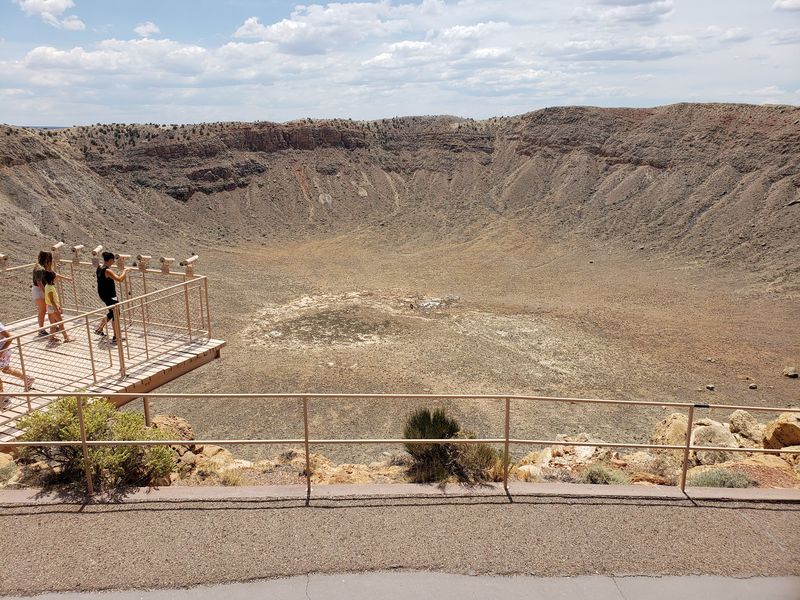
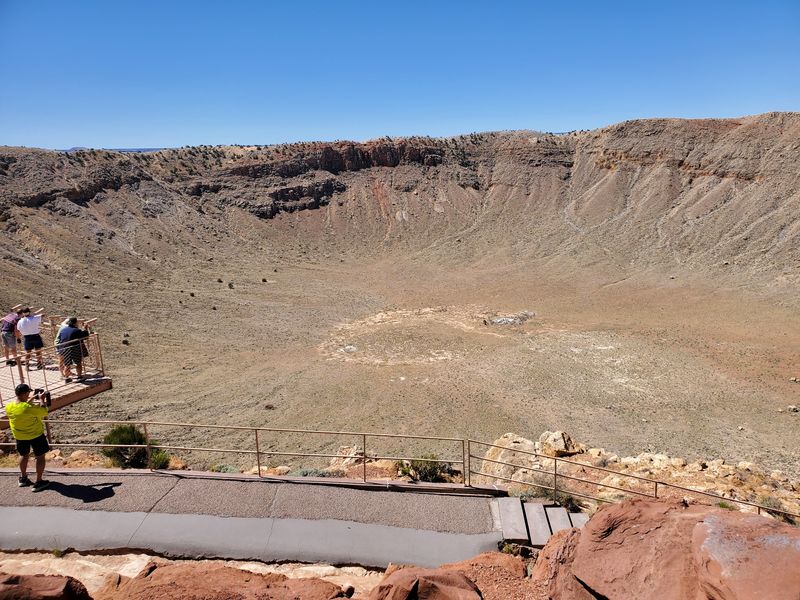
The moment people talk about most is the first look over the edge. Coming out from the museum and seeing the crater open up in front of you tends to stop conversation cold.
The depth and width are genuinely startling. Even folks who have watched it on television say the scale hits differently in person.
Bright orange railings line the observation areas, and the setup feels secure. That safety net matters, because the drop is dramatic and the whole point is to lean in and look down.
Be ready for wind. The rim gets seriously breezy, strong enough to grab a hat right off your head, so it is smart to secure anything loose before stepping outside.
The desert backdrop adds to the drama. Miles of open Arizona landscape frame the crater on every side, and the contrast between flat ground and sudden cavity is the whole show.
The Guided Tour That Steals the Show
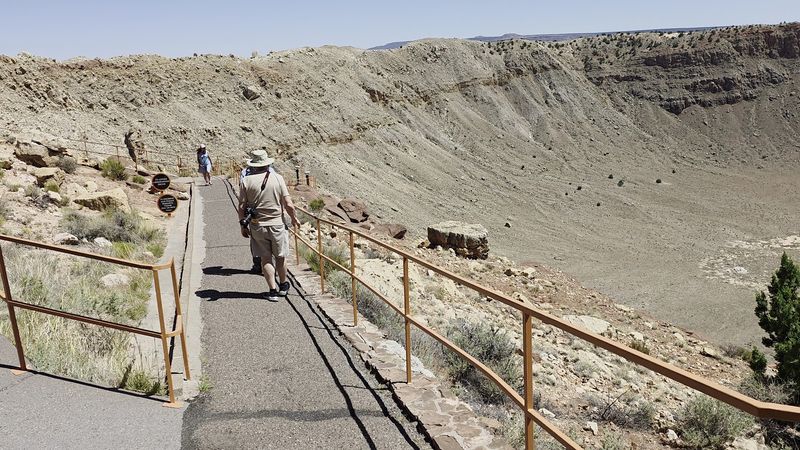
Plenty of people arrive planning a quick peek and end up staying for the guided tour instead. Running about 45 minutes and included with admission, it consistently becomes the highlight.
Good guides make the difference. The best ones mix humor with facts about the impact, the site’s history, and the Apollo training that happened here, turning a plain overlook into a real story.
Guides walk groups along the rim trail and answer questions freely. Many are happy to snap photos for guests, and their knowledge of the site runs deep.
The tours run at set times throughout the day, so it pays to check the schedule when you arrive. Missing it means missing what many consider the best part of the whole visit.
Not everyone loves the comedic style, and a few feel the jokes crowd out the science. Still, the majority walk away saying the tour made the crater far more memorable than staring at it alone.
Movies, 4D Effects, and Hands-On Exhibits
The indoor portion earns its keep long before you reach the crater. A short film of about nine to ten minutes recreates the impact and gets everyone in the right frame of mind.
There is also a 4D-style experience that adds motion and effects. Kids in particular seem to get a kick out of it, and it gives the visit an interactive spark beyond simple displays.
The museum itself is packed with information. Plaques loaded with old photographs cover science, astronomy, meteorites, and the people who studied the site over the years.
A dedicated kids’ area keeps younger visitors busy. Interactive rooms and viewfinders turn learning into something closer to play, which makes the whole place work well for families.
Most people report the museum takes roughly 20 minutes to an hour to explore. You can linger over every plaque or breeze through and head straight for the crater, and both approaches are fair game.
A Chunk of the Actual Meteorite on Display
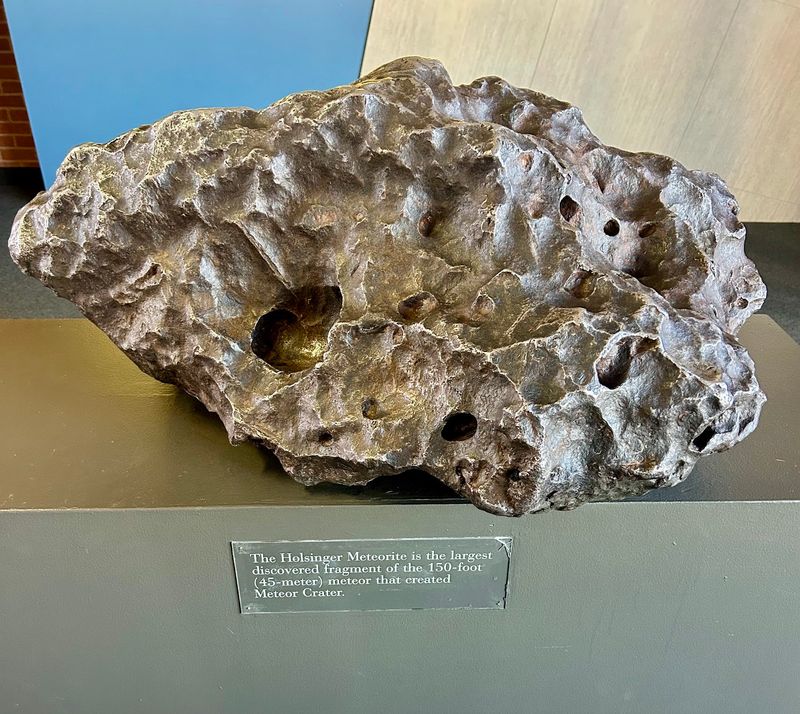
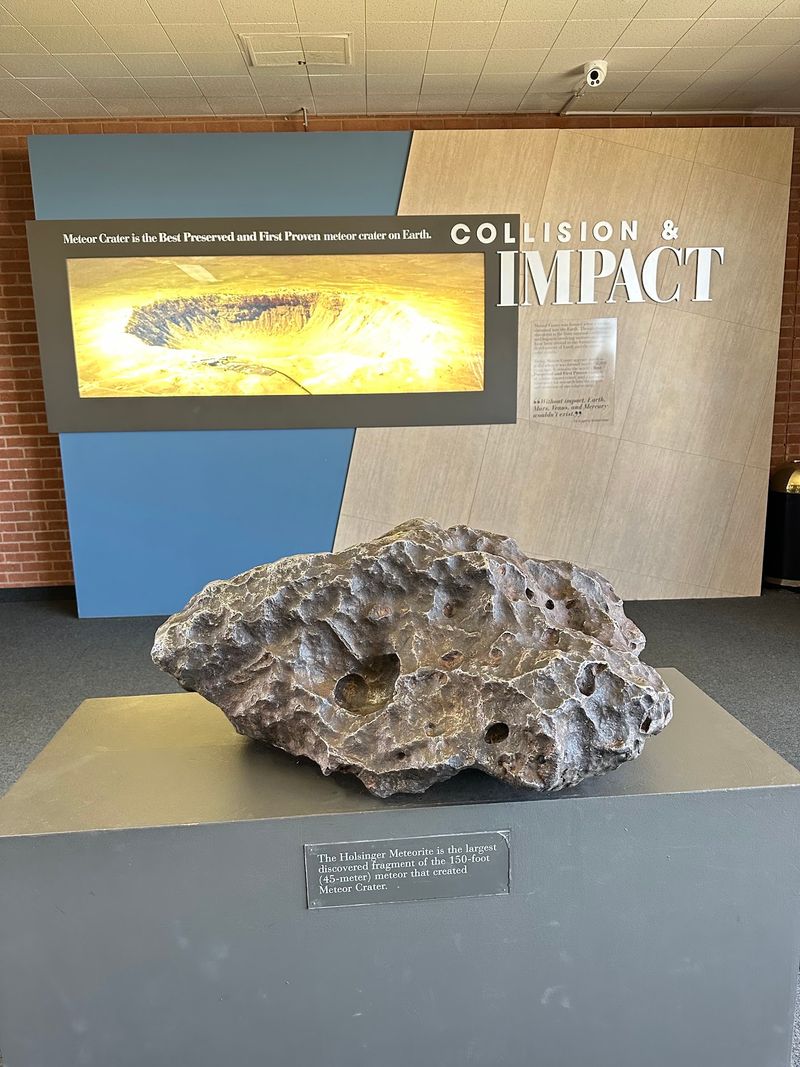
Among all the plaques and screens, one object tends to draw a crowd. A hefty fragment of the original meteorite sits on display for anyone to see up close.
It is a rare chance to stand near a genuine piece of space rock. The fragment connects the abstract story of the impact to something solid and real, right there in front of you.
Space enthusiasts especially appreciate the detail. Knowing that this iron-and-nickel mass traveled through space and helped create the crater outside gives the display real weight.
The exhibit fits the museum’s overall approach. Memorabilia and artifacts are presented in a way that stays interesting without overwhelming the casual passerby.
For curious kids, it is a natural stop. Seeing a fragment of the very thing that carved the landscape tends to turn a science lesson into something they will actually remember.
Viewfinders, Binoculars, and Hunting for the Astronaut
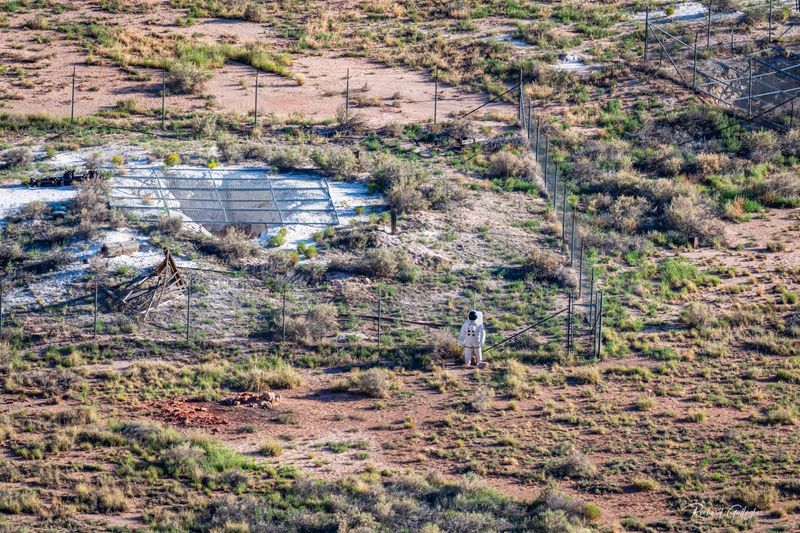
Scattered around the observation points are mounted binoculars and viewfinders, and they turn out to be more than a gimmick. The scopes let you study the far bottom of the crater and truly grasp how big the hole is.
There is a fun little game built in. A small astronaut figure sits down in the crater, and kids love scanning through the viewfinder to spot it.
The scopes also reveal features you would miss with the naked eye. Details across the vast bowl come into focus, helping the scale finally register.
Multiple viewing spots ring the rim. Each one offers a slightly different angle, so wandering between them gives you a fuller picture of the crater’s shape.
The convenience is a nice touch. Having the binoculars right there means no fumbling with your own gear, just step up and look for that tiny astronaut waving from far below.
A Family-Friendly Stop for All Ages
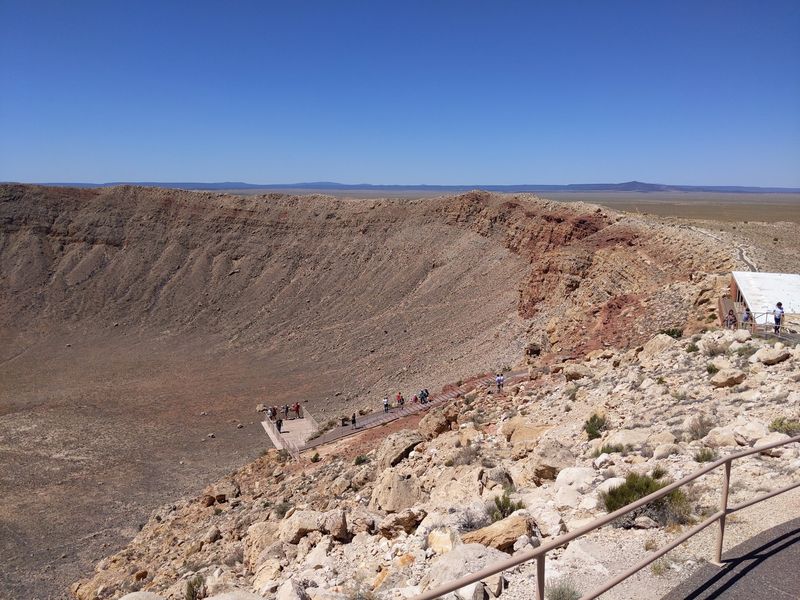
Bringing kids along works out beautifully here. The combination of movies, hands-on rooms, and the astronaut hunt keeps younger travelers engaged the whole time.
Accessibility is a real strength. The paths are wheelchair accessible, and people of every age can take in the crater without much trouble.
The paths are well maintained, and the orange railings add a sense of security throughout. That makes it easier for parents to relax while curious little ones explore the overlooks.
A word of caution for anyone uneasy with heights. Some sections involve stairs down toward the crater, so taking your time or skipping those steps is perfectly reasonable.
Families who grew up in Arizona often make it a multi-generational outing. Parents who once drove past as children now bring their own kids, closing a loop that spans decades.
The Gift Shop and Coffee Bar
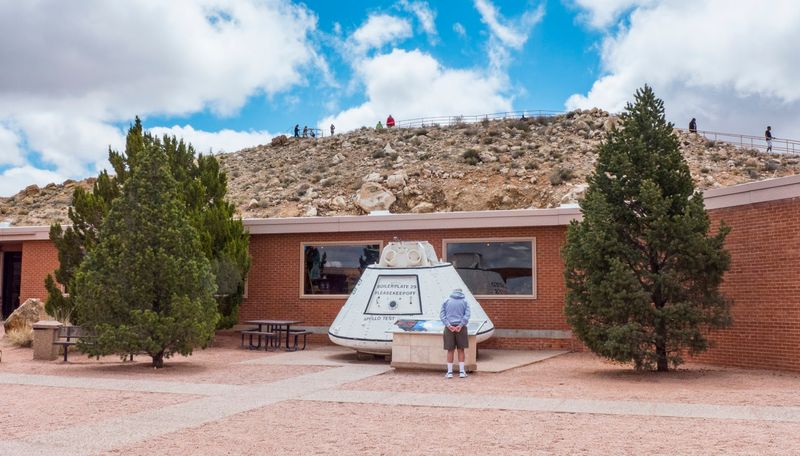
Souvenir hunters are in for a treat. The gift shop ranks among the better ones attached to any museum, with shelves of space-themed keepsakes and genuinely interesting finds.
It gets frequent mentions for good reason. Between the neat merchandise and the variety on offer, plenty of people leave with something to remember the trip by.
There is a café and coffee bar on site as well. The menu covers a range of options at reasonable prices, which is handy when you are breaking up a long drive.
The café often stays busy. That steady traffic suggests it is a popular pit stop for travelers refueling between destinations.
Rounding it all out, the parking is decent and easy to manage. Grab a coffee, browse the shelves, and you have got a full stop rather than a quick glance at a hole in the ground.
What It Costs and Why It Is Not a National Park
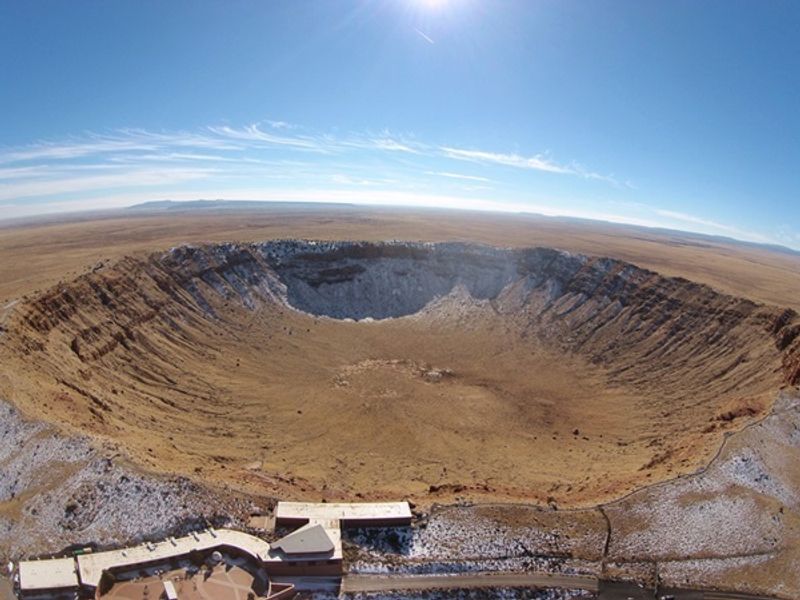
Here is the part that surprises people most. The landmark is privately owned, not part of the federal park system, so the America the Beautiful pass does not get you in.
Admission runs around 30 dollars or more per adult. A family of two adults and two kids can end up spending a little over 100 dollars, which is a common sticking point.
Discounts do soften the blow. The site offers reduced rates for AAA members, military veterans, and seniors 65 and older, so it is worth asking.
Opinions on the value split. Some feel the price is steep for what you see, while others come away convinced the experience justified every dollar.
One genuine perk stands out. Your ticket is good for repeat visits over a 14-day window, so if you are lingering in the area you can come back more than once on a single admission.
Hours, Timing, and How Long to Stay
Planning the visit is easy since the schedule stays consistent. The landmark is open every day from 8 am to 5 pm, seven days a week.
Keep the closing time in mind. The entrance shuts at 5 pm, and everyone needs to be out by around 5:20, so arriving too late in the day is a mistake.
For how long to budget, most people find two to three hours plenty. That covers the film, the museum, a guided tour, and time at the overlooks.
Space die-hards can stretch it out much longer. Anyone deeply into astronomy or geology could happily spend a good chunk of the day working through everything on offer.
The drive in deserves attention too. The scenery is pleasant, and the surrounding land is free range, so watch for signs warning about wandering baby calves as you approach.
Is the Stop Worth Making?
After weighing the ticket price against the experience, most people land in the same place. It is worth doing at least once.
The crater’s scale is the clear draw. Standing on the rim of one of the best-preserved impact sites on Earth is something you simply cannot find in many places.
The extras earn their keep too. Between the guided tour, the museum, the movie, and the astronaut-spotting viewfinders, there is enough here to fill a satisfying stop.
Not every visit is flawless. The cost frustrates some, the tour humor is not for everyone, and it is not a spot where you would spend an entire day.
Still, for Arizona locals who have driven past that turnoff their whole lives, this is the nudge to finally pull in. A mile-wide hole from outer space is sitting in your own backyard, and it has been waiting long enough.