
Affiliate disclosure: As an Amazon Associate I earn from qualifying purchases. Learn more
Some of the best treasures in Florida do not sit behind flashy signs or busy parking lots. Along a quiet stretch of the Panhandle, where wild trees crowd the swampy edges of a slow river, a family has been bottling something rare for generations.
People drive in from other states just to bring a few jars back home, and once they taste it, they keep coming back. This is a spot that has been written up in a national newspaper, weathered a major hurricane, and still runs like a small family operation.
The honey here carries a golden reputation across the entire South, and folks swear nothing else compares. Stick around, because the story behind this little stand is just as sweet as what it sells.
A Sweet Secret Down Lakegrove Road
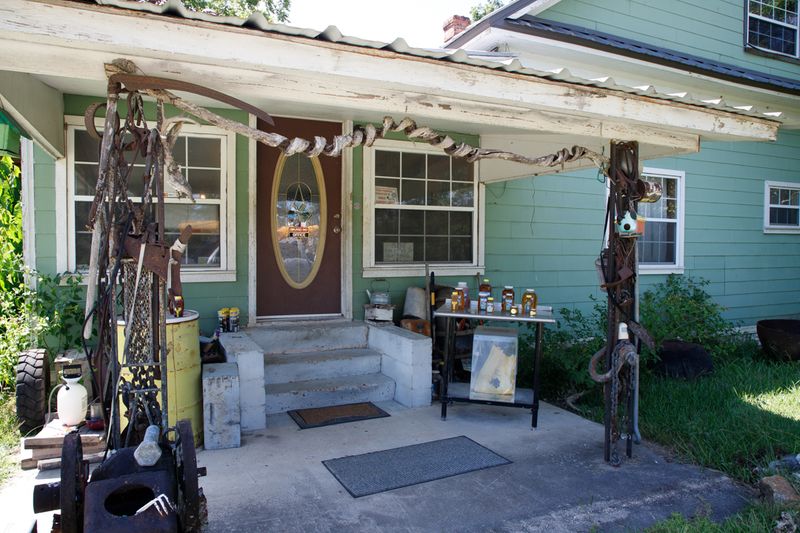
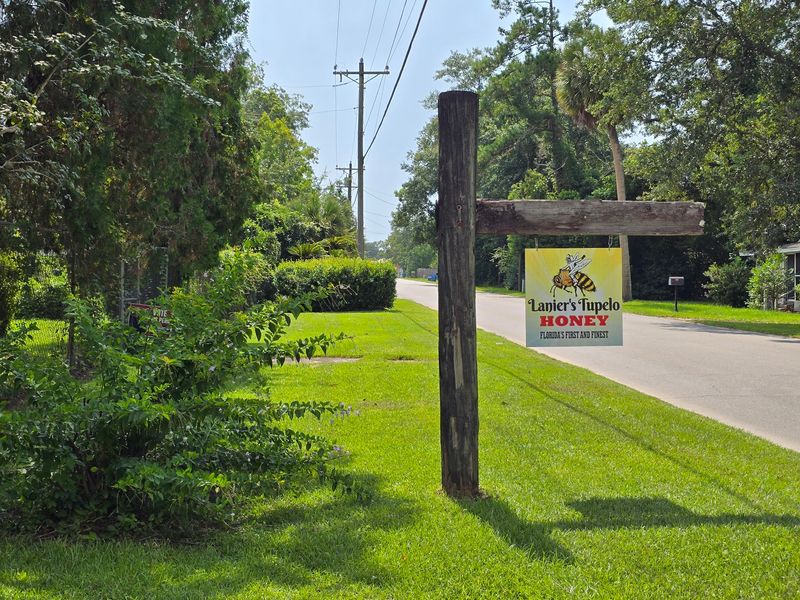
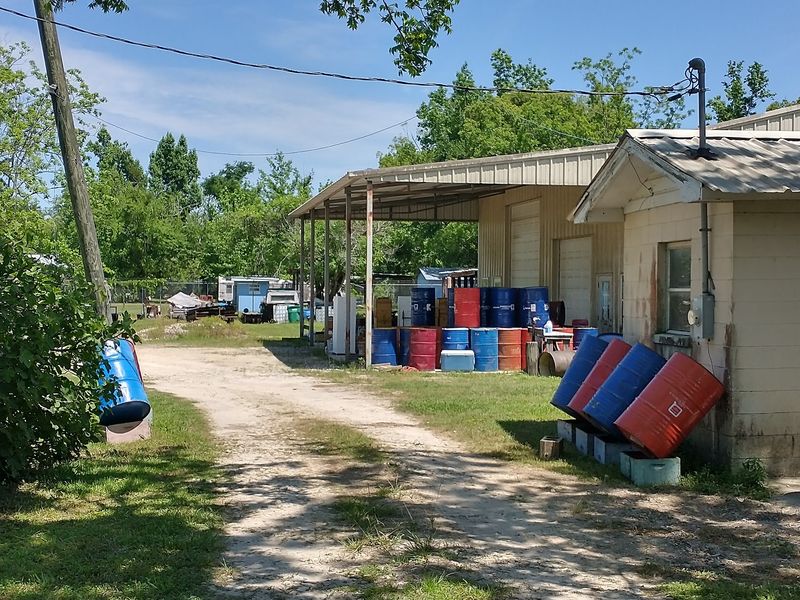
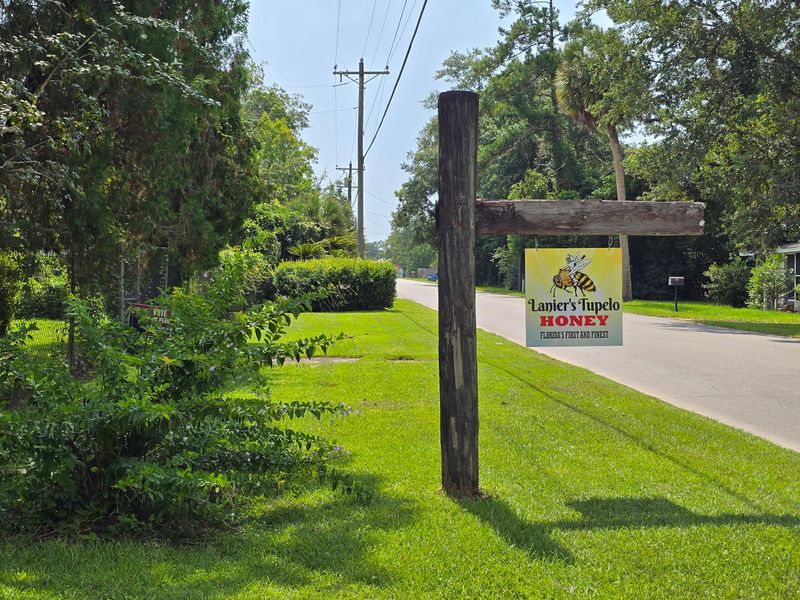
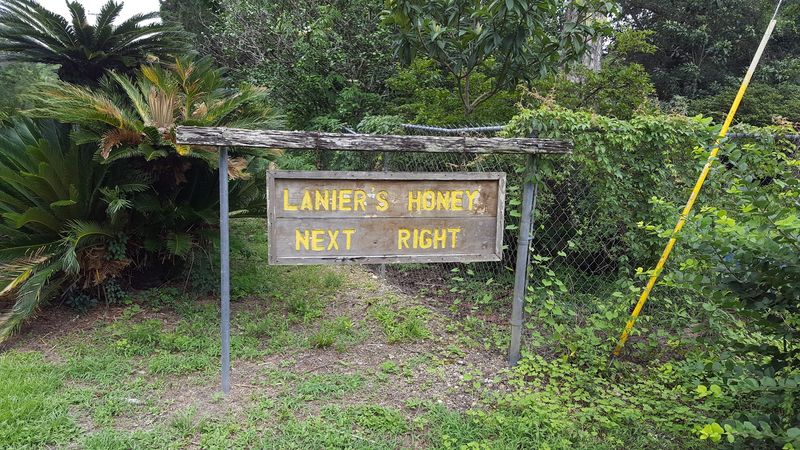
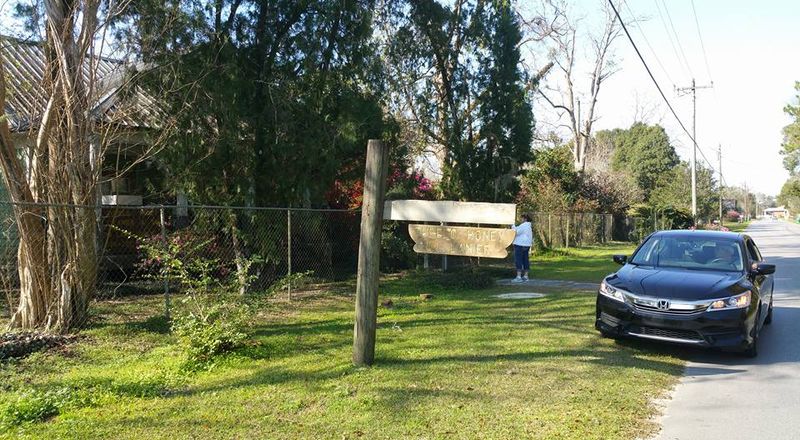
Tucked at 318 Lakegrove Rd in Wewahitchka, Florida, this family honey operation does not announce itself with billboards or bright lights. Folks looking for it sometimes drive right past, expecting a proper storefront.
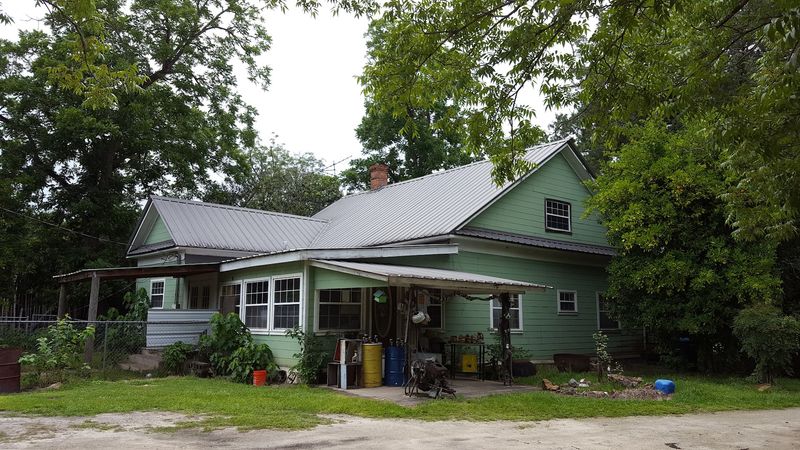
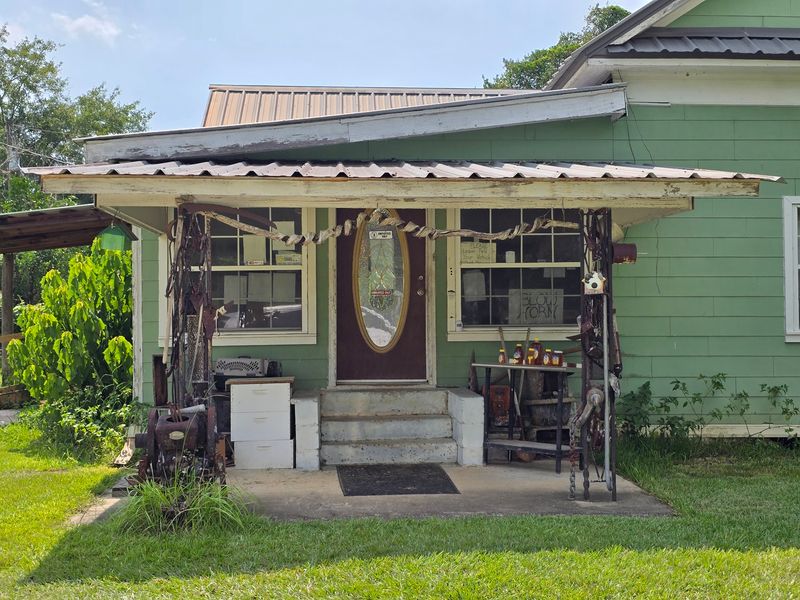
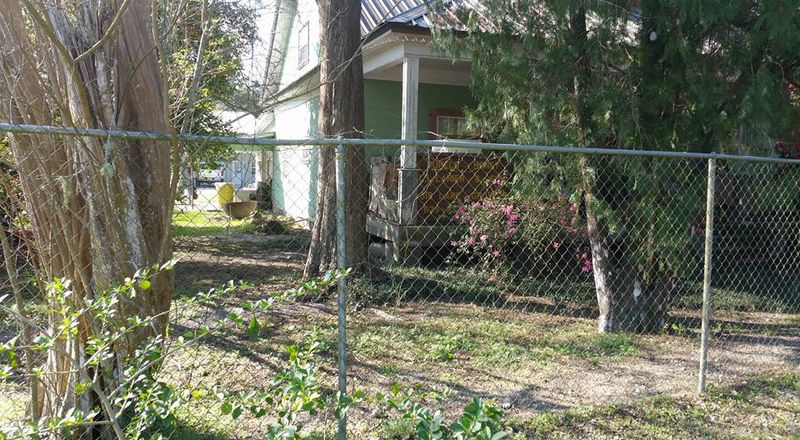
What they find instead feels more like knocking on the door of a neighbor’s home. The place has an unassuming look, and part of the charm is how modest it stays.
Wewahitchka sits in Gulf County, deep in the Florida Panhandle, near the Apalachicola River. The town is small, quiet, and proud of the honey that carries its name far and wide.
Getting here means traveling a two-lane road through the kind of country where the trees do most of the talking. The trip feels intentional, like you have to earn the reward waiting at the end.
Once you arrive, a friendly face usually greets you at the door. The warmth of the welcome is a big reason so many people make the drive again and again, year after year.
The Lanier Family Legacy
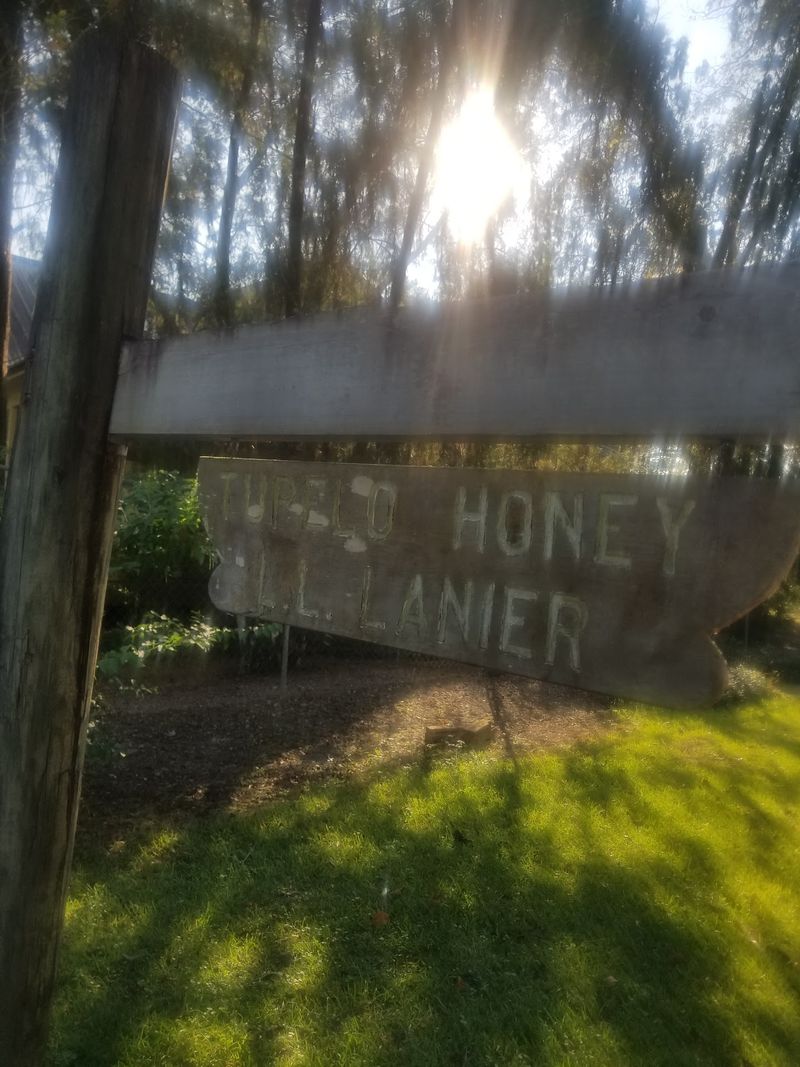
Longevity is baked into everything about this operation. The Lanier name has been tied to tupelo honey for many generations, and that history is part of what draws people in.
Families who bought here decades ago now send their grandchildren to do the same. The continuity means something to the people who keep coming back.
Ben and Glynnes have carried the business forward and, as longtime buyers put it, taken it to another level. The hard work of the family shows up in the finished product.
Some folks have been making the trip since the 1980s, treating each visit like a small tradition. The kindness of the family has left a lasting impression on people who traveled from far beyond Florida.
The written story of the Laniers is something buyers enjoy discovering, and many hope the family keeps at it for many more years. A legacy like this is rare, and people clearly want it to last.
Why Tupelo Honey Is So Rare
Rarity is the heartbeat of this whole story. True tupelo honey comes only from the nectar of tupelo gum trees, which grow wild in the swampy areas along the Apalachicola River.
The bees here are tended carefully so they gather nectar from those specific trees. That extra effort is what separates the real thing from imitations.
Harvesting tupelo is remarkable on its own, a demanding process that depends on timing and the wild landscape. It is not a honey you can mass produce anywhere you please.
Because it is so hard to make, real tupelo carries a higher price than ordinary honey. Longtime buyers warn that if it is half the price somewhere else, it likely is not pure tupelo.
Many sellers mix it with cheaper honey or other ingredients to cut costs. Here, the focus stays firmly on keeping the honey genuine and true to its name.
A Taste That Keeps People Loyal
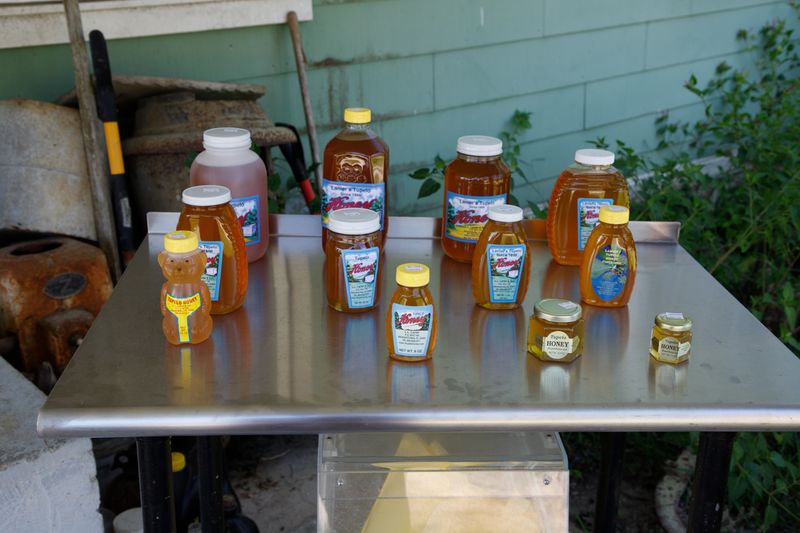
Flavor is where this honey earns its devoted following. People describe it as smooth and not overpoweringly sweet, which sets it apart from the wildflower honey many are used to.
The taste is hard to put into words, yet those who try it often become instant believers. Folks who spent years loyal to other honey switch after a single jar.
Regulars talk about a deep, robust, and delightful character that feels special. The honey is thick and luscious, with a quality that stands out.
One person traveling from South Alabama called it unmatched in taste, a standard they measured all other honey against. That reputation as the golden standard has held up for a long time.
Buyers who have sampled honey from many different places keep returning to this one. When something tastes this distinct, it earns loyalty that lasts across the years.
The Golden Standard of the South
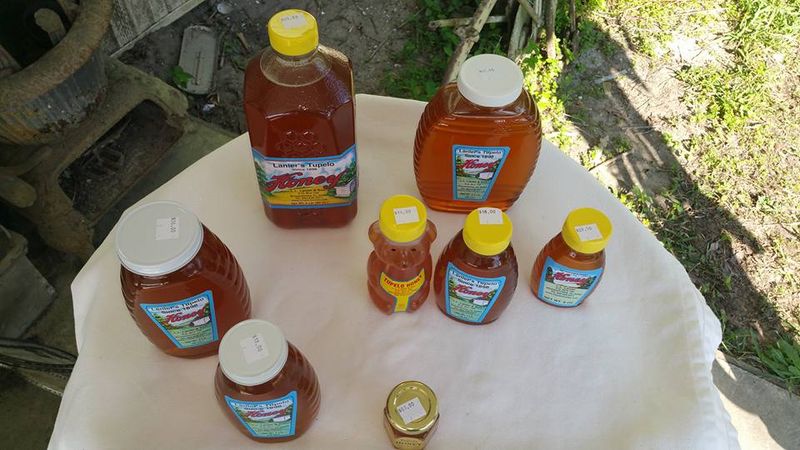
Reputation travels fast when a product is this good. Across the region, people call tupelo honey from Wewahitchka the best honey in the South, and Lanier the best in Wewahitchka.
That kind of praise is not handed out lightly. It comes from families who have tasted honey from all over and keep landing on this one.
The phrase golden standard shows up again and again among longtime buyers. It captures how this honey has become the measuring stick for everything else.
People describe the flavor as iconic, a taste that instantly signals real tupelo. Once you know it, other honey can feel like a pale copy.
Being a local staple for so many years has only strengthened the name. When a small stand builds a reputation this large, word of mouth does most of the advertising.
Surviving Hurricane Michael

Resilience is part of what makes this place remarkable. The operation survived Hurricane Michael, a major event that hit the Panhandle hard.
Weathering a storm like that is no small feat for a small family business. It speaks to how determined the Laniers are to keep their tradition alive.
People who love bees and honey found the survival story extra meaningful. The idea that this rare honey kept flowing after such a challenge added to its appeal.
Coming through that kind of hardship shows a stubborn dedication to the craft. The family did not walk away when things got tough.
For buyers who cherish the honey, knowing it endured makes each jar feel a little more precious. Survival stories tend to deepen the bond between people and the products they love.
Featured in the New York Times
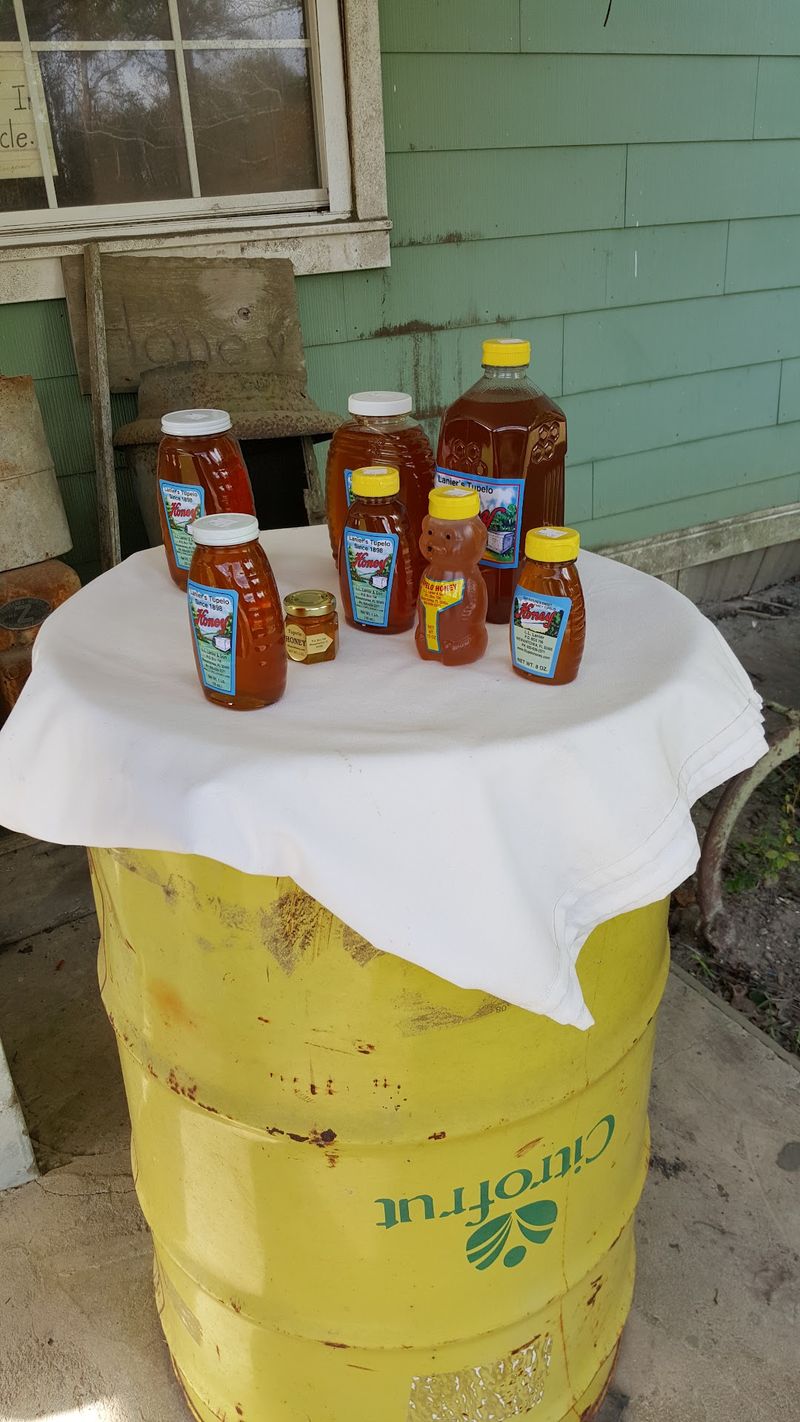
National attention put this little stand on the map for many people. A story in the New York Times introduced readers to the Laniers and the world of tupelo honey.
Someone who read that piece was so taken by it that they ordered a bottle the very next morning. The article captured both the family and the rare craft behind the honey.
Reading about what it takes to harvest tupelo turned curiosity into a purchase for more than a few people. The story reached bee lovers who cherish honey of every kind.
Getting recognized in such a major publication is a big deal for a small family business. It brought new buyers from far outside the Panhandle.
For a stand this modest, national coverage is a testament to how special the honey truly is. Some things simply cannot stay secret forever.
A Warm Welcome at the Door
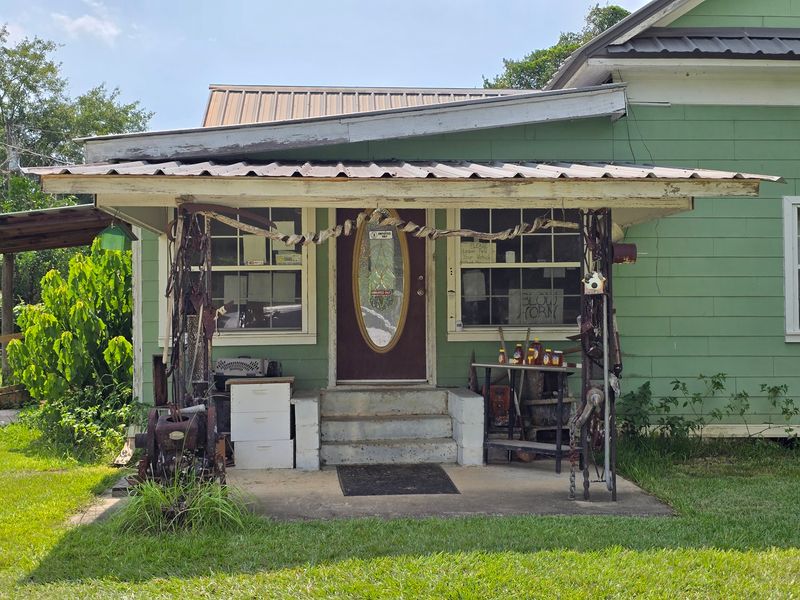
Hospitality here feels genuinely personal. The person who answers the door tends to be friendly and helpful, treating each buyer like a welcome guest.
Because the place looks so unassuming, some people are surprised at first. What appears to be the back room of someone’s home turns out to be exactly where the magic happens.
Longtime buyers describe the family as some of the kindest and most respectful folks in the South. That warmth has been consistent across decades of visits.
The proprietor is easygoing and takes care to make transactions smooth. Buying honey here feels less like a store errand and more like visiting an old friend.
Kindness like this is a big part of why people return. The honey brings them in, but the welcome is what keeps the relationship going strong.
A Wide Selection of Products
Choice is another quiet strength of this stand. Beyond the famous tupelo, buyers find a wide selection of products to browse.
Having options means people can stock up on more than one favorite. The variety keeps repeat buyers coming back for something new to try.
The customer service is described as polite and exact, which makes picking from the selection easy. No confusion, no hassle, just honest help.
Prices across the products are considered competitive, adding to the appeal. A good range paired with fair value is a winning combination.
In the end, though, everything circles back to the honey and its wonderful quality. The selection is a nice bonus, but the tupelo remains the star of the show.
Ordering Online From Anywhere
Distance is no longer a barrier for honey fans. The family offers online ordering, so people far from the Panhandle can still enjoy their tupelo.
Buyers report that the transaction is very easy and the shipping is rapid. The packaging is sturdy enough to protect the jars on their journey.
Someone who moved to Kansas was thrilled to learn they could order online. The honey traveled well and was loved by family and friends alike.
A person living in the middle of the country ordered a jar to ease homesickness. Having it shipped brought back cherished childhood memories from far away.
Whether bought in person at the Wewa site or mailed across the map, the honey arrives in great shape. That convenience has widened the family’s reach considerably.
The Wewahitchka Tupelo Festival
Community celebration adds another layer to the tupelo story. Wewahitchka hosts a Tupelo festival that draws people eager to honor the local honey tradition.
Some buyers who fall in love with the honey start planning to attend the festival. It becomes part of a bigger connection to the town and its craft.
A gathering like this shines a light on how central tupelo is to local identity. The honey is more than a product here, it is a point of pride.
Traveling to the festival gives fans a chance to soak up the culture behind their favorite jar. It ties the whole experience together in a memorable way.
For anyone planning a trip, timing a visit around the festival adds extra meaning. Celebrating alongside the community makes the honey feel even more special.
A Taste of Home for Those Who Left
Emotion runs deep through this honey for people who grew up nearby. Someone who now lives far across the country ordered a jar and said it took them back somewhere special.
Growing up in this area meant honey, oysters, boiled peanuts, and grandma’s cooking. For folks who moved away, a jar of tupelo can feel like a warm hug from home.
Homesickness fades a little when a familiar flavor returns. The honey carries memories that reach far beyond the taste itself.
People describe it as more than just great honey, calling it a piece of their childhood. That kind of meaning turns a simple purchase into something heartfelt.
A husband from Wewahitchka once loaded up on jars to share with family in Kansas. The honey becomes a way to carry a hometown across the miles.
Planning Your Visit
Practical details make the trip easier to plan. The stand is open Monday through Saturday from 9 AM to 4 PM and closed on Sundays.
Reaching it means finding your way along the two-lane roads near Wewahitchka. The address is 318 Lakegrove Rd, and it helps to know the building looks modest rather than like a big shop.
Since it can be a little tricky to spot, keep an eye out and do not expect a large storefront. The friendly greeting at the door confirms you found the right place.
The honey runs on the pricier side, which reflects how rare and pure it is. Buyers consider it a bargain at any price for the quality they receive.
Arriving during business hours ensures someone is there to help you. A little planning goes a long way toward a smooth visit.
Worth Every Mile of the Drive
Some places reward the effort it takes to find them, and this one certainly does. A quiet stand off a Panhandle two-lane road holds honey that people cross state lines to buy.
The blend of rare tupelo, a kind family, and a long history makes it stand apart. Few products can claim a following this loyal or a reputation this golden.
Buyers call it the best honey they have ever tasted, and they mean it across many years and many jars. That consistency is the mark of something genuinely special.
Between the warm welcome, the storm-tested legacy, and the flavor that keeps people coming back, this stand earns its praise. It is a small piece of Florida worth seeking out.
For a value-minded traveler who loves discovering hidden local treasures, this drive delivers. The reward waiting at the end is sweet in every sense that matters.