
Affiliate disclosure: As an Amazon Associate I earn from qualifying purchases. Learn more
Cold feet can ruin even the most beautiful winter adventure. Whether you’re hiking snowy trails, snowshoeing through the backcountry, or just standing around at an ice fishing hole, the right boots make all the difference. Finding footwear that truly keeps your toes toasty in freezing temperatures isn’t always easy, but these twelve options have been tested in some of the coldest conditions on Earth.
1. Baffin Impact – For brutal, stand-around-in-the-cold temperatures

When survival matters more than style, Baffin’s Impact delivers unmatched protection. This expedition boot has been tested at both the North and South Poles, proving its worth in the planet’s harshest environments.
Built with a multi-layer removable liner featuring B-Tek Heat insulation, it boasts an incredible cold rating down to -100°C (-148°F). The thick inner boot works with reflective layers and an Arctic Rubber shell to trap every bit of warmth.
Perfect for snowmobiling, ice fishing, or any low-intensity activity in brutal cold, reviewers consistently praise its super-insulated design. The trade-off? These boots are enormous and heavy, making them less ideal for long hikes with elevation gain but perfect when freezing simply isn’t an option.
2. Oboz Bridger 10″ Insulated Waterproof – Serious warmth for real winter hiking

Hikers who refuse to compromise between warmth and performance consistently reach for the Bridger 10″. Its 400-gram synthetic insulation hits that sweet spot where you’re protected in serious cold without feeling like you’re wearing sleeping bags on your feet.
The nubuck leather upper combined with Oboz’s B-DRY waterproof membrane keeps moisture out while the high shaft prevents snow from sneaking in. Realistically, these boots perform well down to around -40°F, especially when you’re actively moving.
What sets them apart is the aggressive, cold-optimized outsole designed specifically for winter conditions. Multiple gear reviews highlight these as top picks for hiking and snowshoeing, not just yard work, making them ideal for all-day winter adventures.
3. KEEN Revel IV High Polar – Rated to -40°F for deep-winter trails

KEEN designed the Revel IV High Polar specifically as a winter hiking boot, not just something to shuffle around in. With an official -40°F (-40°C) rating, it means business when temperatures plummet.
Inside, you’ll find 400 grams of KEEN.WARM recycled insulation paired with a thermal heat-shield insole that blocks cold from creeping up through the ground. The waterproof leather and mesh upper features KEEN’s breathable membrane to manage moisture.
Reviewers who’ve tested the High Polar version emphasize it’s noticeably warmer than the standard Revel IV, making it suitable for serious sub-zero hiking. While not quite as warm as expedition-style pac boots when standing still, it’s far better for actually covering miles on the trail.
4. The North Face Chilkat V 400 – Warm, versatile, and snowshoe-friendly

Looking for one boot that handles everything from shoveling your driveway to weekend day hikes? The Chilkat V 400 delivers impressive versatility without sacrificing performance.
Packed with 400 grams of Heatseeker Eco insulation (the warmest package in TNF’s Chilkat line), these boots combine seam-sealed construction with a molded TPU shell and waterproof leather-suede upper. Reviewers report plenty of warmth from just below freezing down into the mid-teens Fahrenheit (around -10°C).
Extras like the snowshoe-compatible heel clip, cushioned EVA midsole, and winter-tuned rubber outsole make these boots shine. Testers consistently reach for them when temps plummet and snow piles up, whether they’re walking the dog or tackling moderate-paced winter hikes and snowshoe trips.
5. Columbia Bugaboot Celsius / Celsius Plus Omni-Heat Infinity – Techy warmth with reflective lining

Columbia’s Bugaboot Celsius family takes a high-tech approach to warmth using Omni-Heat reflective lining that bounces your body heat back toward your feet. Combined with classic synthetic insulation, it’s like wrapping your toes in a space blanket.
The men’s version typically features 200 grams of insulation, while the women’s Celsius Plus variant bumps up to 400 grams and ranks among Columbia’s warmest offerings. Omni-Tech waterproof-breathable construction and a molded protective shell keep moisture out.
The Adapt Trax outsole handles both wet and dry winter surfaces confidently. Though Columbia doesn’t publish strict temperature ratings, the 400-gram models routinely get recommended for very cold conditions, including winter travel in places like Alaska where staying warm isn’t optional.
6. Sorel Caribou – Classic pac boot, still a beast in deep cold

Some designs become classics because they simply work, and the Sorel Caribou has earned its legendary status over decades of keeping feet warm. Its 9mm removable felt liner with snow cuff creates a cozy fortress against winter’s worst.
Rated to -40°F by the manufacturer, these boots combine a waterproof rubber lower with a leather upper and substantial lugged outsole. Reviewers who’ve put them through Alaska winter testing confirm they excel in extreme cold, snow shoveling, and outdoor work.
The construction prioritizes warmth and protection over agility, making them somewhat heavy and clunky for long, technical hikes. But when your number-one priority is simply not freezing, the Caribou delivers with proven reliability that’s hard to beat.
7. Kamik NationPlus – Budget-friendly pac boot rated to -40°

Serious warmth doesn’t always require a premium price tag, and the NationPlus proves it. This pac boot features HEAT-MX insulation in a removable liner with moisture-wicking properties, commonly rated to handle -40° (both Celsius and Fahrenheit).
The seam-sealed waterproof suede upper pairs with a synthetic rubber shell to keep your feet dry in slushy, snowy conditions. Gear testers consistently describe it as very warm and durable, though they note it’s best suited for snow chores, chopping wood, or hanging around camp.
Like most pac boots, the NationPlus runs hot and somewhat stiff, making it less ideal for high-output hiking where you’re covering lots of ground. But for standing around in brutal cold without breaking the bank, it’s a standout value choice.
8. Merrell Thermo Chill 2 Mid Waterproof – Lightweight, insulated real hiker

Want something that feels like an actual hiking boot but still handles proper winter conditions? The Thermo Chill 2 Mid strikes that balance beautifully.
With 200 grams of advanced insulation and a waterproof membrane protecting durable uppers, it keeps feet warm and dry across various winter scenarios. Reviewers praise its grip, support, and value, noting it punches above its price point.
This boot shines for active winter hiking in temperatures from just below freezing down to around -10 to -15°C, particularly if you run warm and pair them with quality socks. They’re designed for movement rather than standing still. For static activities in arctic conditions, you’ll want to step up to 400-gram insulation or a full pac boot, but for covering trail miles, these deliver nicely.
9. Salomon X Ultra Winter CS WP 2 – Fast, light, but warm enough for moving

Think of this as a popular hiking shoe that got winterized without losing its agile soul. The X Ultra Winter CS WP 2 feels lighter and more nimble than most winter boots, perfect for hikers who hate feeling weighed down.
Inside sits 200 grams of Thinsulate insulation, and testing shows an effective temperature range around 10-20°F (-12 to -6°C) when you’re actively moving. The ClimaSalomon waterproof membrane keeps moisture out while the Winter Contagrip sole grips snow and ice confidently.
This boot excels on day hikes and snowshoeing trips where you’re moving most of the time and want footwear that feels more like a shoe than a boot. It won’t handle standing around in extreme cold like a pac boot would, but for fast-paced winter adventures, it’s tough to beat.
10. Vasque Coldspark UltraDry – Warmth without the bulk of a pac boot

Vasque engineered the Coldspark UltraDry specifically as a lightweight winter hiking boot that doesn’t sacrifice too much warmth. Around 200 grams of Retain reflective insulation uses a reflective barrier to trap heat without adding excessive bulk.
Vasque’s UltraDry waterproof membrane keeps moisture at bay while the winter rubber compound outsole tackles icy, wet trails with confidence. The design prioritizes mobility and comfort for hikers who plan to cover serious distance.
These boots perform well for active hikes in moderate to fairly cold conditions, keeping feet comfortable as long as you’re generating body heat through movement. For long periods of standing still below about -20°C, you’ll probably want more insulation like a 400-gram boot or pac boot, but for trail miles, they’re excellent.
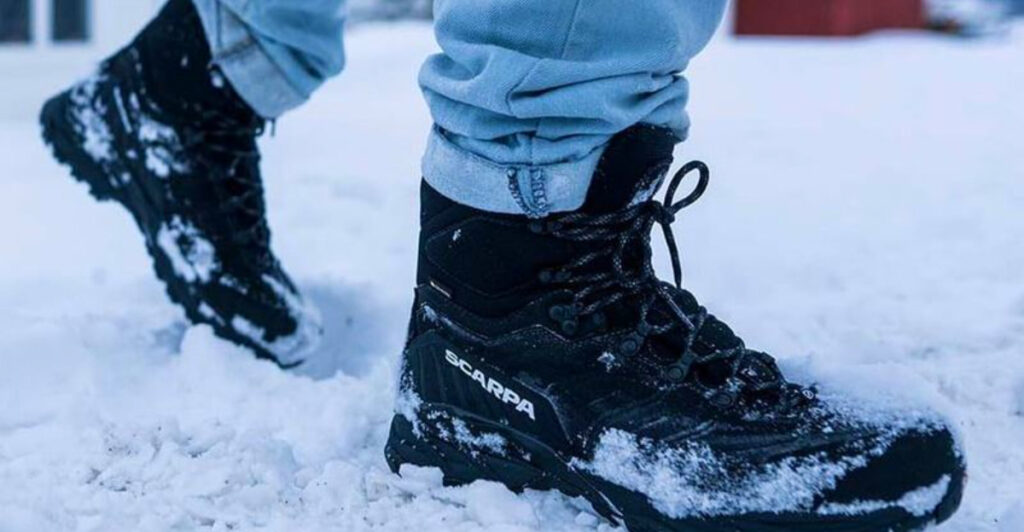
11. Scarpa Rush Polar GTX – Lab-tested down to -20°C

Scarpa’s Rush Polar GTX occupies that sweet spot between technical hiking shoe and insulated boot, backed by actual lab testing for cold performance. The combination of GORE-TEX Duratherm and PrimaLoft Gold Insulation Eco represents high-end insulation technology used in serious winter gear.
Scarpa specifically notes lab-tested protection down to -20°C (-4°F) for active use, giving you real confidence in genuinely cold climates. Built for snow walking and snowshoeing, it features a high-traction PRESA outsole and supportive mid-cut design.
This boot shines for fast winter hiking and snowshoeing where you still want a lighter, more technical feel rather than the heavy, bulky sensation of traditional winter boots. It’s proof that you don’t always have to choose between performance and warmth.
12. Oboz Bridger 8″ Insulated Waterproof – A slightly lighter sibling for moving fast

If the Bridger 10″ feels like overkill, the 8″ Insulated version trims both height and insulation while maintaining winter-worthy performance. With 200 grams of Freeze Guard insulation (versus 400 in the taller version), it’s built for hikers who prioritize movement over standing in extreme cold.
The same B-DRY waterproof membrane and nubuck leather upper from the 10″ model ensure reliable protection from moisture. Review tests consistently describe it as a great option for winter hikes and snowshoeing where you’re staying active.
These boots excel when you’re moving and generating body heat in cold conditions. However, if you regularly stand around in temperatures below -20°C, you’ll want to lean toward a 400-gram boot or pac boot for adequate warmth during inactive periods.