
Affiliate disclosure: As an Amazon Associate I earn from qualifying purchases. Learn more
Walking a Florida beach and finding a smooth, frosty piece of sea glass feels a little like winning a tiny lottery. These worn bits of glass started as bottles or jars, then spent years tumbling in the waves until the ocean rounded off every sharp edge.
Some Florida beaches turn them up more often than others, thanks to old dumping sites, strong currents, or steady wave action. Below are nine spots where beachcombers have the best odds of spotting greens, browns, whites, and the rare blue.
Grab a mesh bag, check the tide, and get ready to hunt.
1. Bailey’s Beach (Blind Pass), Sanibel and Captiva Islands
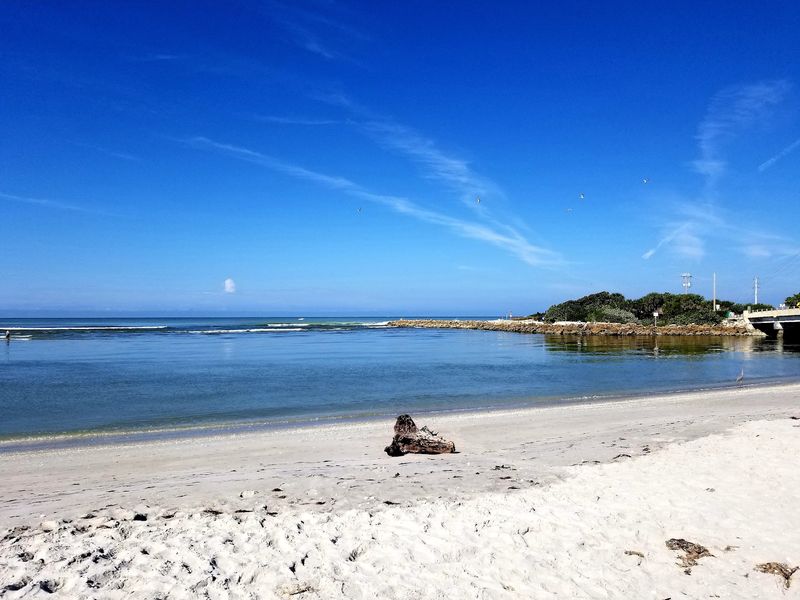
Sanibel is world famous for shelling, but the area around Blind Pass, where Sanibel meets Captiva, also stirs up smoother finds. The strong current running through the pass churns sand and debris, which helps deposit shells and the occasional worn glass along the shore.
Beachcombers here often do the classic “Sanibel stoop,” bending low to sift through the wrack line. Early morning after a tide change gives you the freshest pickings before the crowds arrive.
There is a paid parking lot at the Blind Pass access, and restrooms are nearby. Bring water shoes, because the shell piles can be sharp underfoot.
2. Fort De Soto Park, Tierra Verde
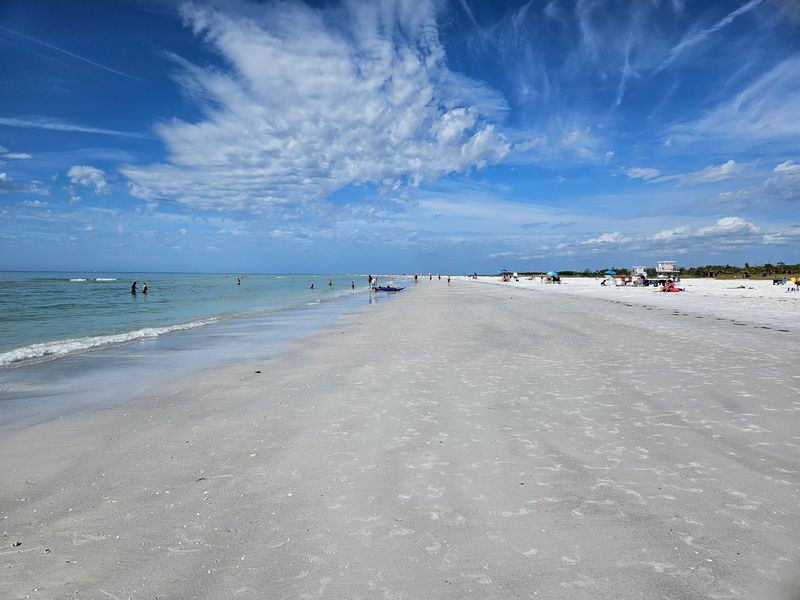
Just south of St. Petersburg, Fort De Soto spreads across five connected islands with miles of shoreline to explore. The park’s long stretches of beach and quieter coves give you plenty of room to search the tide line without bumping elbows.
North Beach and the areas near the old fort tend to collect interesting debris after storms, when waves push material higher onto the sand. Patient walkers sometimes turn up frosted glass mixed in with shells.
Admission requires a small per-vehicle park fee. Facilities are excellent, with restrooms, picnic shelters, and a fishing pier, which makes it easy to spend a full day hunting and relaxing.
3. Jupiter Beach, Jupiter
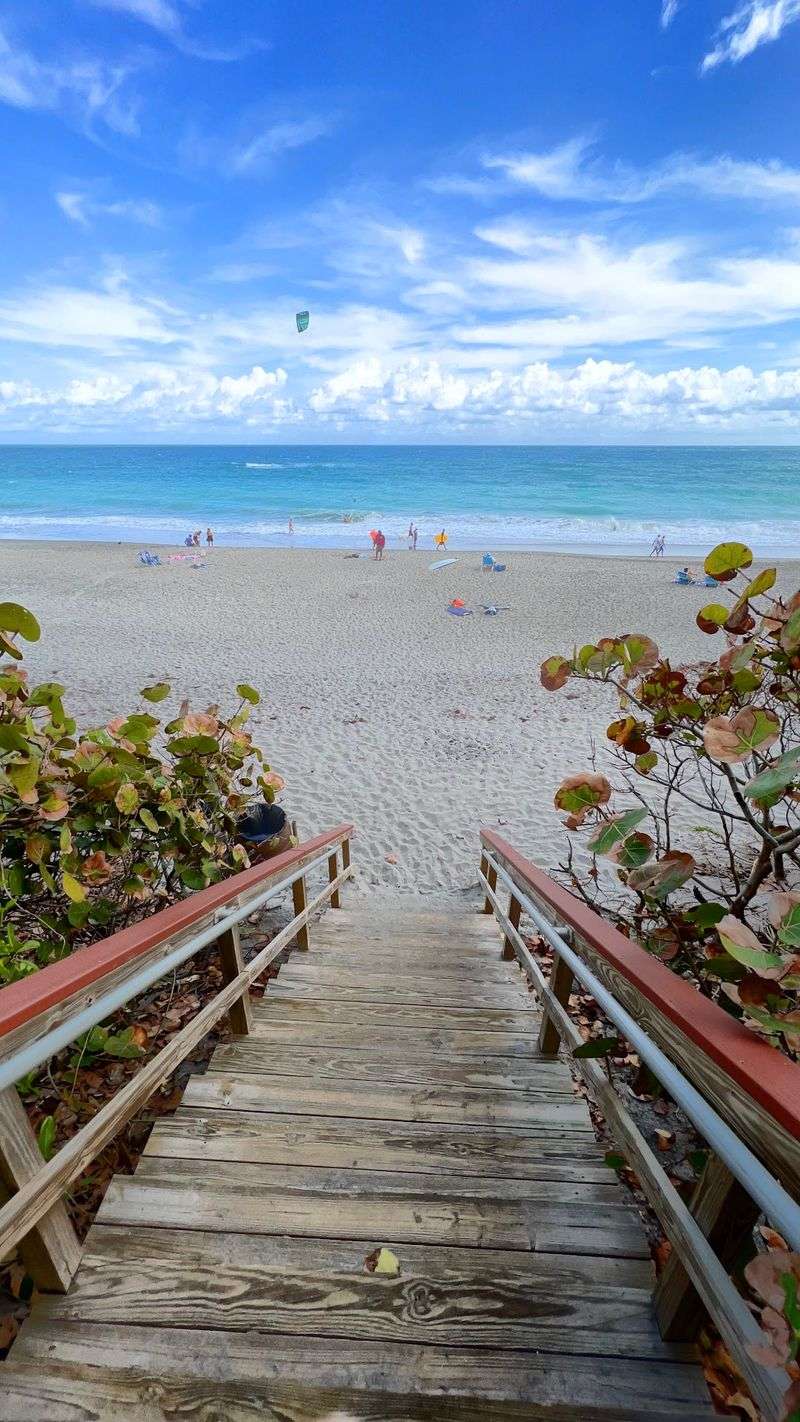
Rocky limestone ledges set Jupiter apart from most soft-sand Florida beaches, and those rocks help trap tumbling glass and sea beans. The Atlantic side gets stronger surf, which does the hard work of smoothing edges over time.
The area near Jupiter Inlet and along Carlin Park is popular with combers who like to poke through the rock pockets at low tide. You may also spot smoothed shells and coral fragments along the way.
Parking is available at several public lots, and Carlin Park offers restrooms and picnic areas. Aim for low tide, when more of the rocky shelf is exposed and easier to inspect.
4. Bahia Honda State Park, Big Pine Key
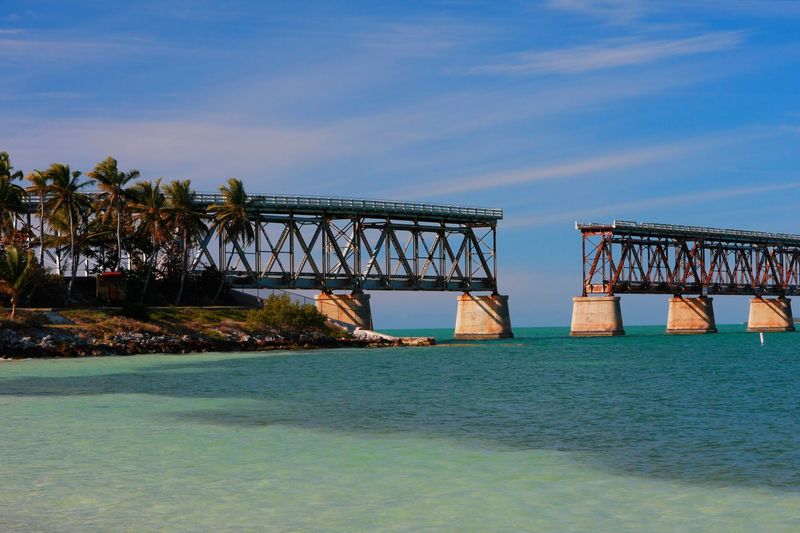
Famous for some of the clearest water in the Keys, Bahia Honda draws snorkelers and swimmers to its calm, shallow flats. That same gentle wave motion can slowly polish stray glass without smashing it to bits.
Sandspur Beach and Calusa Beach are the two main stretches, and the wrack lines along them collect an assortment of shells, sea beans, and small treasures. Combing is best after a breezy day pushes fresh material ashore.
The park charges a per-vehicle entry fee and has restrooms, a marina, and picnic spots. The old Bahia Honda Bridge overhead makes for a memorable backdrop while you search.
5. Cocoa Beach, Cocoa Beach
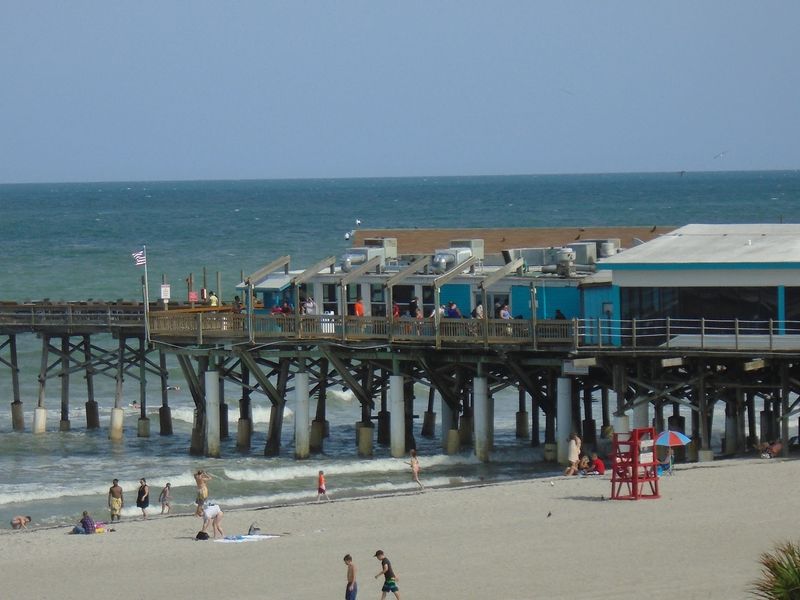
Best known for surfing and the landmark pier, Cocoa Beach also serves up steady Atlantic wave action that keeps glass and shells rolling ashore. The wide, sandy stretch gives beachcombers plenty of open ground to cover.
Walking the area a bit away from the busiest pier crowds usually improves your odds of finding untouched wrack lines. After a storm or a strong onshore wind, the beach can reveal a fresh scatter of finds.
Public access points and metered or paid parking are available near the pier. Facilities, food, and shops sit close by, so it is an easy stop when you want treasure hunting plus a full beach day.
6. Playalinda Beach, Canaveral National Seashore
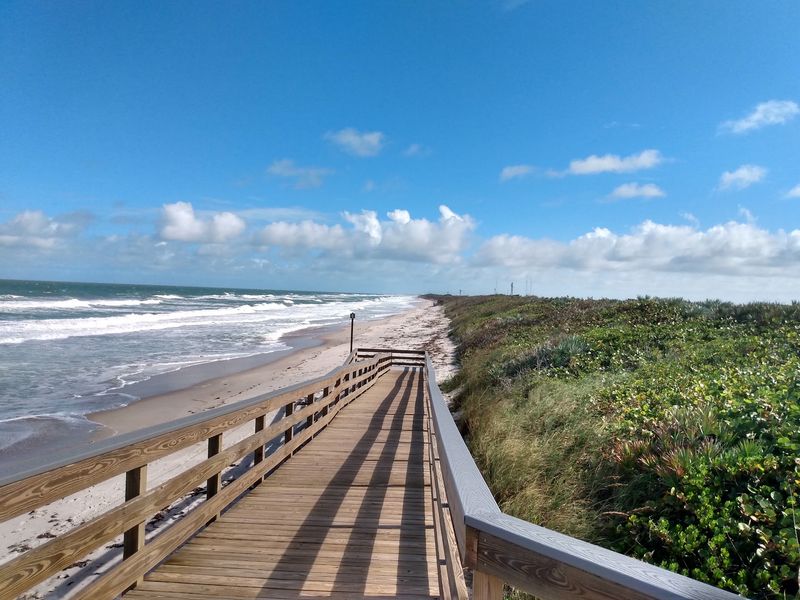
Undeveloped and gloriously empty, Playalinda is part of Canaveral National Seashore, where no hotels or condos crowd the dunes. Fewer visitors means the wrack line often sits undisturbed, giving patient searchers a real advantage.
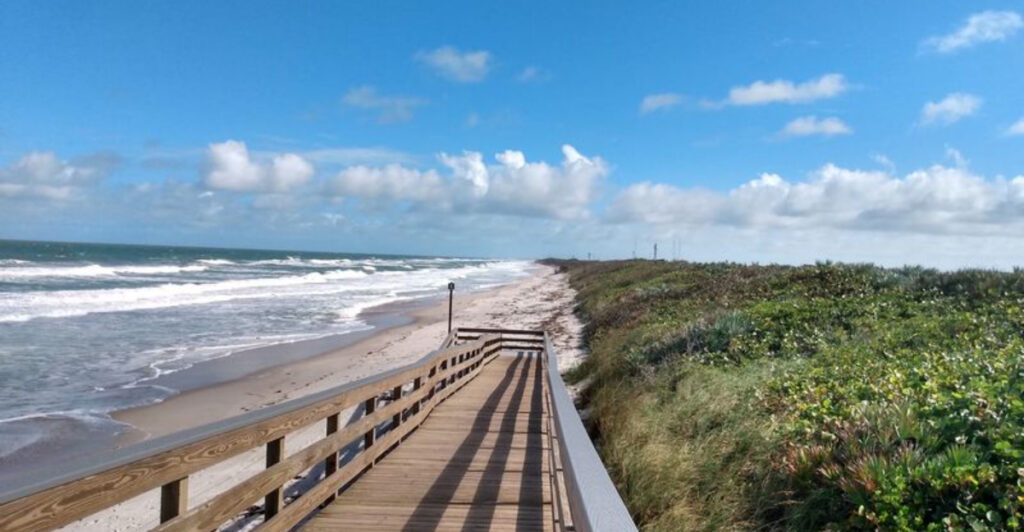
The natural shoreline collects shells, sea beans, and the occasional frosted glass, especially in the sections farther from the main parking areas. Rocket launches from nearby Kennedy Space Center sometimes add an unexpected show overhead.
A National Park entrance fee applies, and the seashore has limited facilities, so pack water and supplies. Parking lots are numbered along the beach road, and the higher numbers usually mean quieter sand.
7. St. Andrews State Park, Panama City Beach
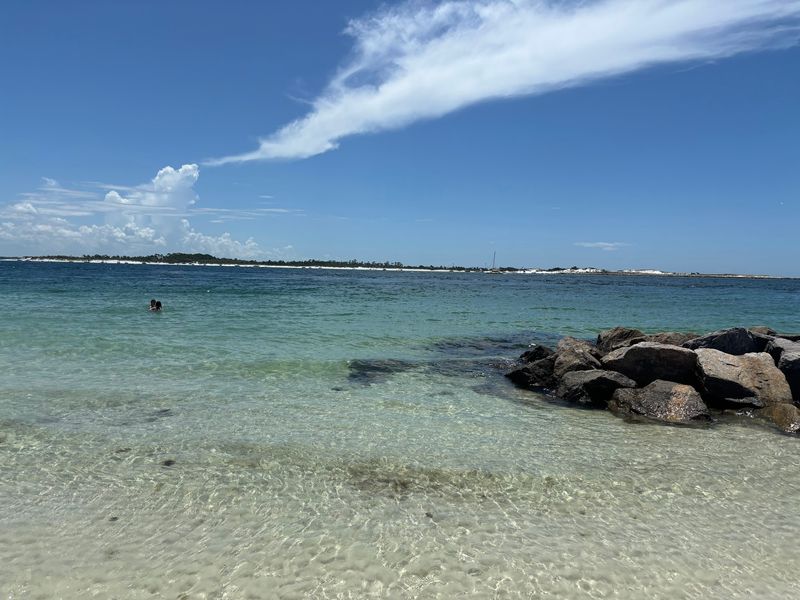
Sugar-white sand and emerald water make St. Andrews a Panama City Beach favorite, and the park’s jetties add a twist for combers. Rock jetties slow the water and create pockets where shells and smoothed glass can settle.
The calmer lagoon side is great for families, while the gulf side gets more surf to tumble finds. Searching along the jetty edges at low tide often turns up interesting bits wedged between the rocks.
The state park charges a per-vehicle fee and offers restrooms, a snorkeling area, and picnic facilities. Get there early on summer weekends, since the popular park can reach capacity by midday.
8. Anna Maria Island, Anna Maria
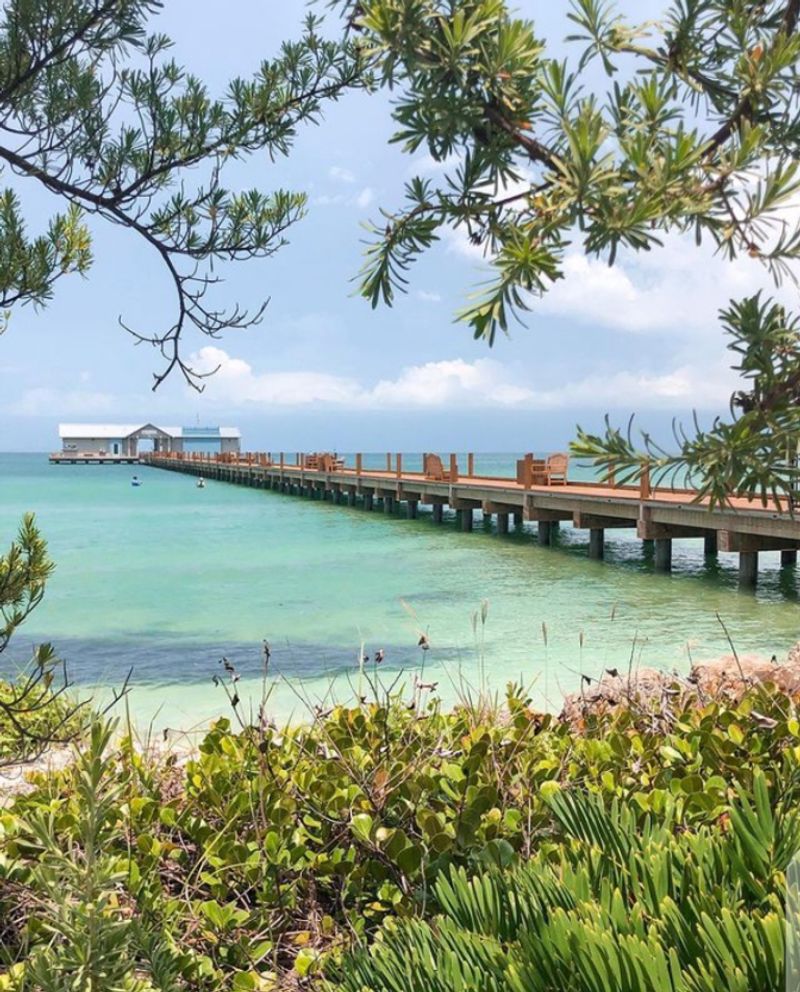
With an old Florida vibe and soft Gulf sand, Anna Maria Island keeps a slower pace than the flashier resort strips. The island’s several beach accesses spread visitors out, so the wrack lines are not picked clean the moment the sun rises.
Bean Point, at the island’s northern tip, sits where the Gulf meets Tampa Bay, and the mixing currents there push in a varied mix of shells and small treasures. Early risers usually beat the daily crowd to the freshest finds.
Parking near Bean Point is limited and residential, so arrive early and be respectful. The free-trolley system on the island makes it easy to hop between beach accesses without hunting for spots.
9. Caspersen Beach, Venice
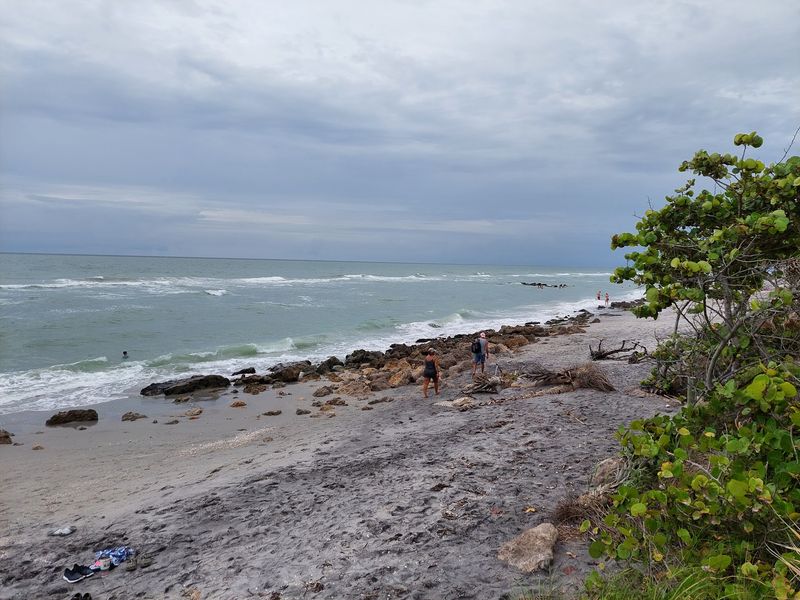
Venice calls itself the shark tooth capital of the world, and Caspersen Beach is ground zero for the hunt. The same wave and sediment action that tumbles up fossilized teeth also polishes shells and stray glass into smooth, collectible pieces.
Many visitors wade in with a long-handled scoop, sometimes called a Florida snow shovel, to sift the shallows. While digging for teeth, combers frequently spot frosted glass mixed into the darker, shell-heavy sand.
The beach is undeveloped, with a parking lot and basic facilities near the entrance. Low tide after choppy weather gives you the best chance at a pocketful of finds, whether teeth, shells, or glass.