
Affiliate disclosure: As an Amazon Associate I earn from qualifying purchases. Learn more
Hut-to-hut hiking offers a unique way to explore mountain trails without carrying heavy camping gear. You walk from one mountain shelter to another, enjoying hot meals and a real bed each night. But even though huts provide some comfort, you still need the right gear to stay safe, comfortable, and prepared for changing weather and long days on the trail. Packing smart means bringing only what truly matters.
1. Lightweight Hiking Backpack (30-40L)
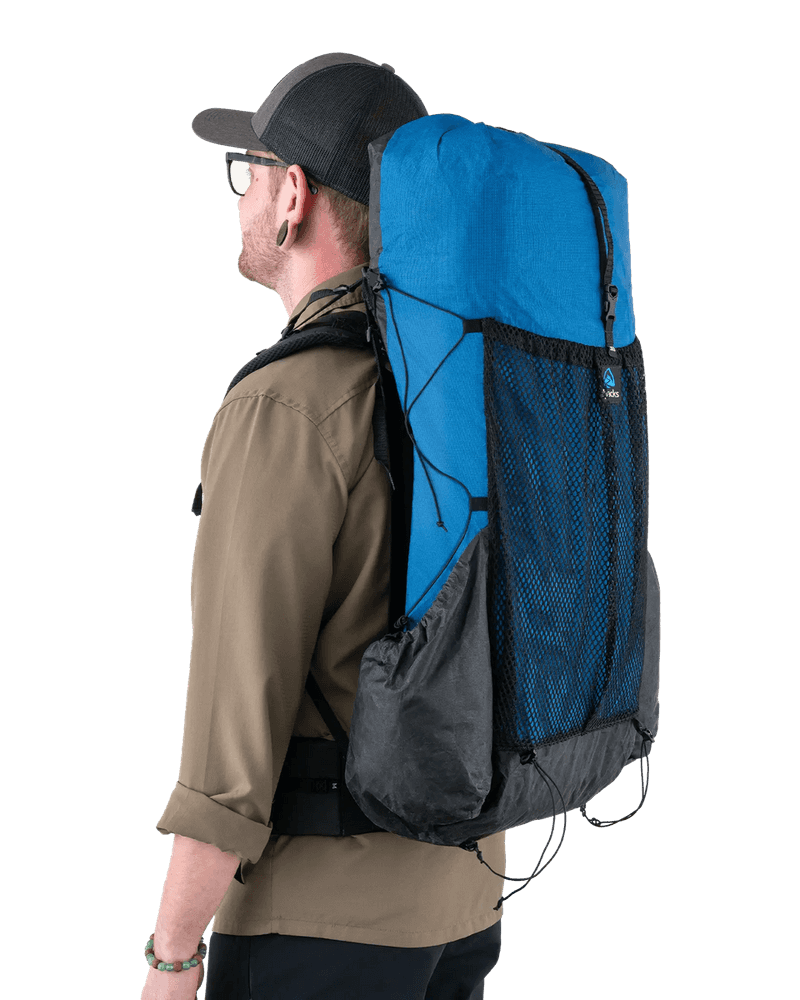
Your backpack becomes your best friend on multi-day treks, so choosing the right size matters more than you might think. A 30 to 40-liter pack gives you enough room for clothing, food, and essentials without making you feel like a pack mule.
The hip belt deserves special attention because it transfers most of the weight from your shoulders to your hips. This simple feature can turn a painful hike into an enjoyable adventure. Look for padded straps and multiple adjustment points.
Before your trip, load up your pack and walk around town for an hour. This test run helps you spot any uncomfortable pressure points. Remember that lighter packs mean happier knees and more energy for enjoying mountain views.
2. Waterproof Hiking Boots or Trail Shoes
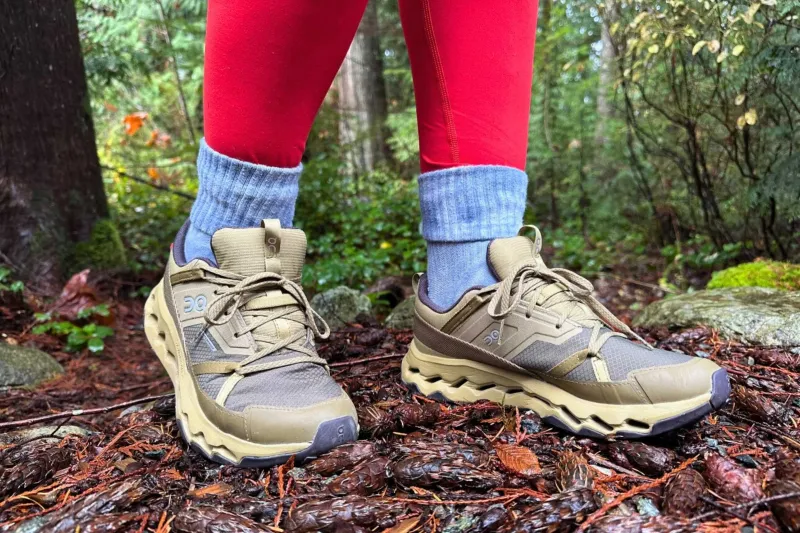
Blisters can ruin your hike faster than bad weather, which is why footwear tops every experienced hiker’s priority list. You will cover many miles across rocky paths, muddy sections, and steep inclines that demand reliable traction.
Breaking in new boots before your trip is not optional. Wear them around your neighborhood, to work, and on short practice hikes. Your feet need time to adjust to the shape and stiffness of new footwear.
Waterproof materials keep your feet dry when crossing streams or hiking through morning dew. Wet feet lead to blisters and discomfort that can end your adventure early. Choose boots with good ankle support for uneven terrain, or go with trail shoes if you prefer lighter, more flexible options for well-maintained paths.
3. Layered Clothing System

Mountain weather changes faster than a mood swing, making a smart layering system your shield against the elements. Start with a moisture-wicking base layer that pulls sweat away from your skin, keeping you dry during uphill climbs.
Add a fleece or light puffy jacket as your mid-layer for insulation when temperatures drop. A waterproof jacket serves as your outer shell against wind and rain. Pack lightweight hiking pants that dry quickly and move with you.
Extra wool socks deserve a special spot in your pack because dry feet equal happy feet. Wool stays warm even when wet and resists odors better than cotton. You can adjust your layers throughout the day as you warm up during climbs and cool down during breaks, staying comfortable in any condition.
4. Sleeping Bag Liner
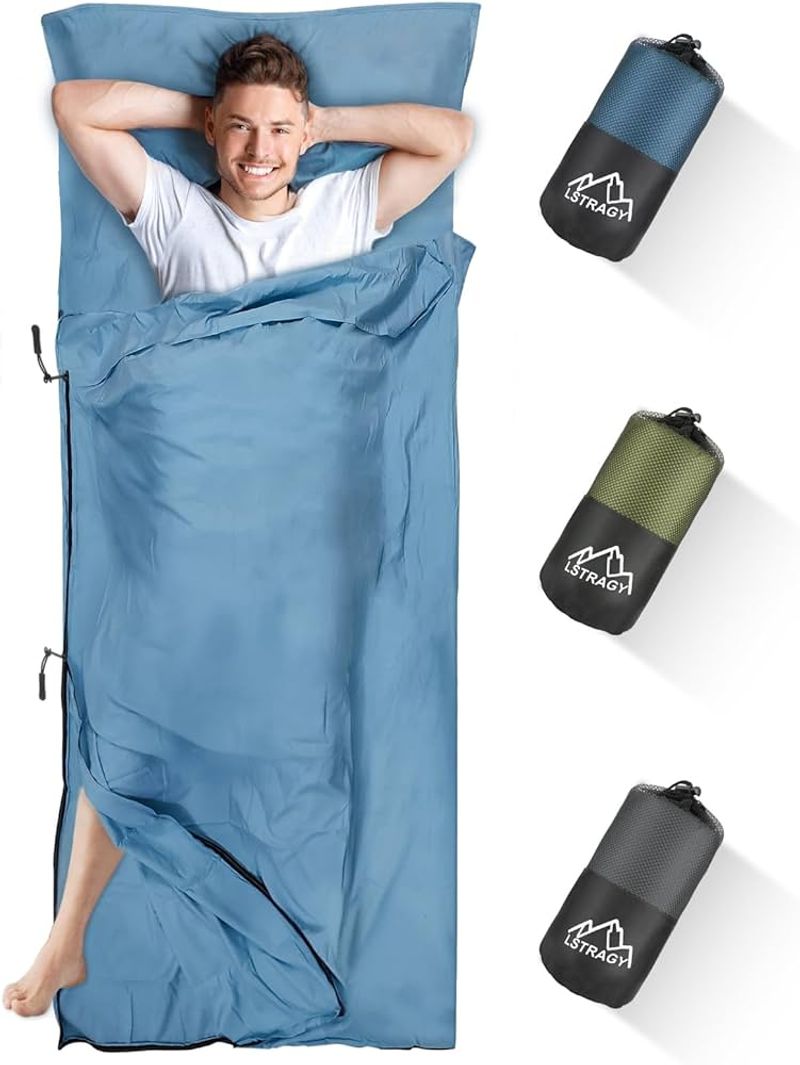
Many mountain huts provide blankets but require guests to bring their own sleeping bag liner for hygiene reasons. This lightweight piece of fabric weighs almost nothing yet makes a huge difference in your comfort and cleanliness.
Think of it as a portable cocoon that creates a barrier between you and shared bedding. Some huts actually will not let you sleep in their beds without one, so leaving it behind could mean a very uncomfortable night.
Modern liners pack down to the size of a water bottle and add minimal weight to your pack. They also add a bit of warmth on chilly nights and can be washed easily after your trip. Silk liners feel luxurious but synthetic options cost less and dry faster if they get damp during your journey.
5. Headlamp
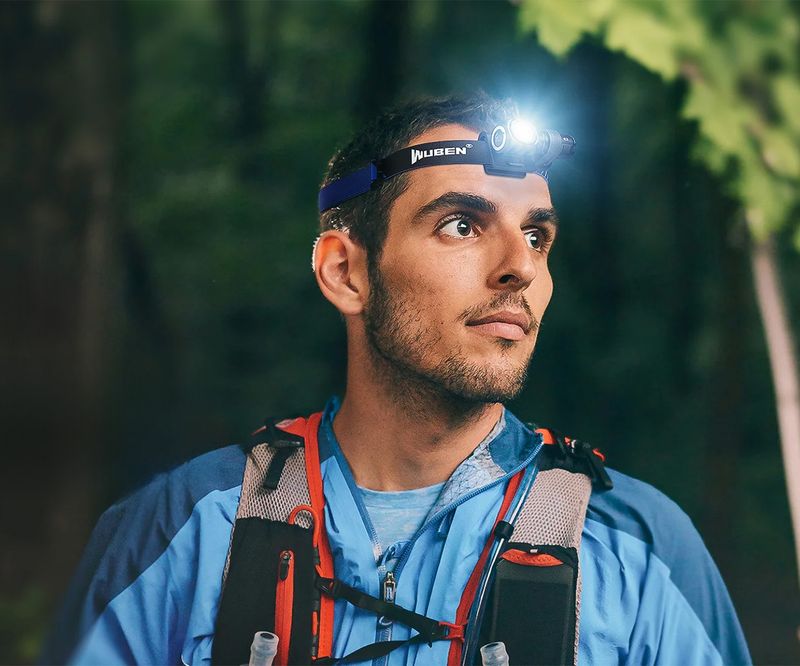
Darkness comes early in mountain valleys, and fumbling around a shared hut without light frustrates everyone trying to sleep. A headlamp keeps your hands free for cooking, organizing gear, or navigating midnight bathroom trips.
Early morning starts mean hitting the trail before sunrise, and your headlamp lights the way safely. Late arrivals happen too, especially if you misjudge hiking times or stop for too many photo opportunities along the route.
Always pack spare batteries because nothing feels worse than a dead headlamp when you really need it. Choose a model with adjustable brightness to save battery life and avoid blinding your bunkmates. Red light modes help preserve your night vision and show courtesy to others who might already be sleeping in the shared space around you.
6. Water System (Bottles or Hydration Bladder)
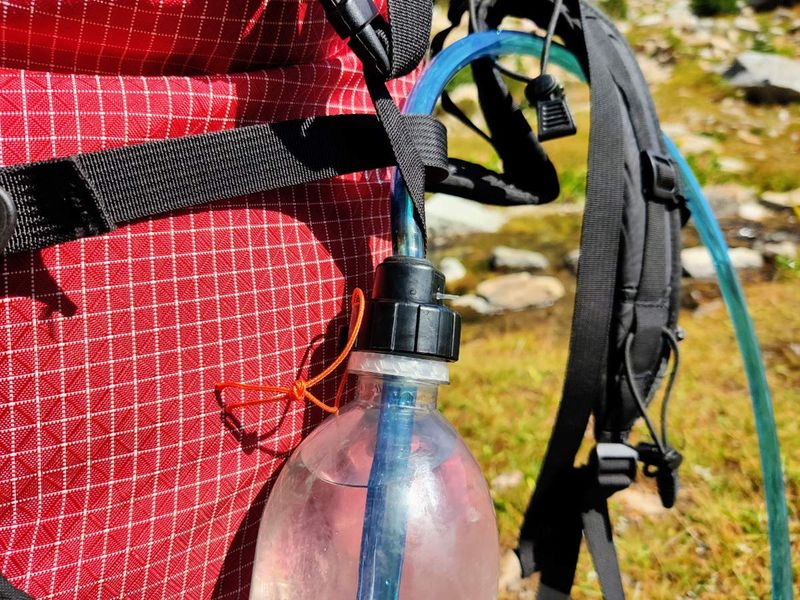
Dehydration sneaks up on hikers, especially at higher elevations where you lose moisture faster through breathing and sweating. Carrying at least 1.5 to 2 liters of water capacity ensures you stay properly hydrated between refill points.
Some huts have drinkable water flowing from taps or nearby springs, while others require you to carry everything you need. Research your specific route ahead of time to know what water sources you can count on.
Water bottles offer simplicity and let you see exactly how much you have left. Hydration bladders hide inside your pack and include a drinking tube for sipping without stopping. Choose whatever system you prefer, but make sure it does not leak and is easy to refill at mountain streams or hut facilities during your adventure.
7. Trail Snacks and Emergency Food

Even if your huts serve delicious meals, your body needs constant fuel during long hiking days. Running out of energy on a steep climb turns every step into a struggle, making smart snacking essential for enjoyment and safety.
Nuts provide protein and healthy fats that keep you satisfied longer than sugary treats. Energy bars offer convenient calories in compact packages. Dried fruit gives you natural sugars for quick energy boosts.
Electrolyte packets help replace minerals lost through sweat, preventing cramps and fatigue. Chocolate tastes amazing and provides a morale boost when the trail gets tough. Always carry one extra emergency meal like a protein bar or dehydrated food pouch in case weather delays your arrival or a hut unexpectedly runs out of supplies for the evening meal service.
8. Navigation Tools
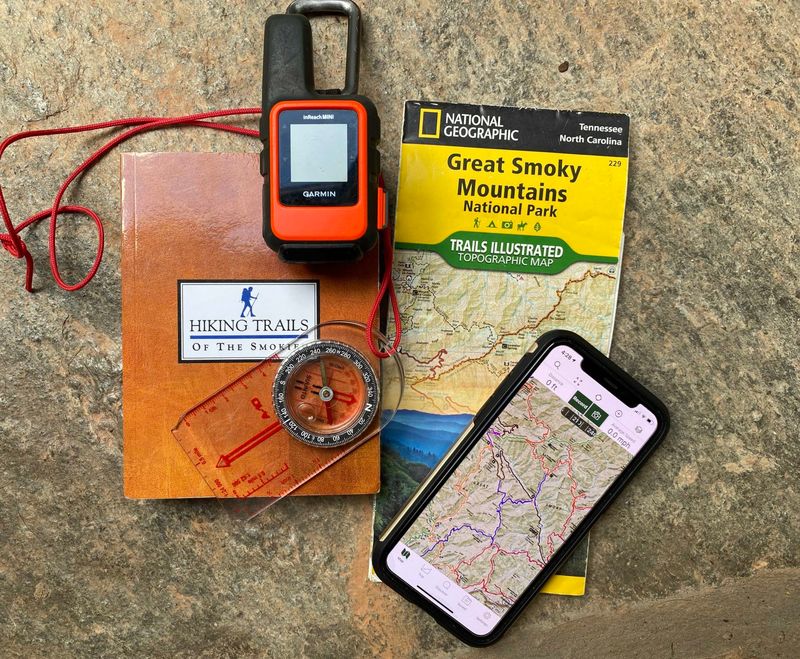
Phone batteries die, signals disappear, and technology fails at the worst possible moments in the backcountry. Relying solely on your smartphone for navigation is like hiking with your eyes half closed.
A paper map and compass never need charging and work perfectly even when electronics give up. Learning basic map reading skills before your trip takes just a few hours but could save your life if you lose the trail.
Download offline maps using apps like Gaia GPS, AllTrails, or Komoot as a backup to traditional tools. These apps work without cell service and show your location using GPS satellites. Grab trail notes from the hut system website too, as they often include important details about tricky junctions, water sources, and estimated hiking times between shelters that regular maps might miss completely.
9. First Aid Kit (Compact)
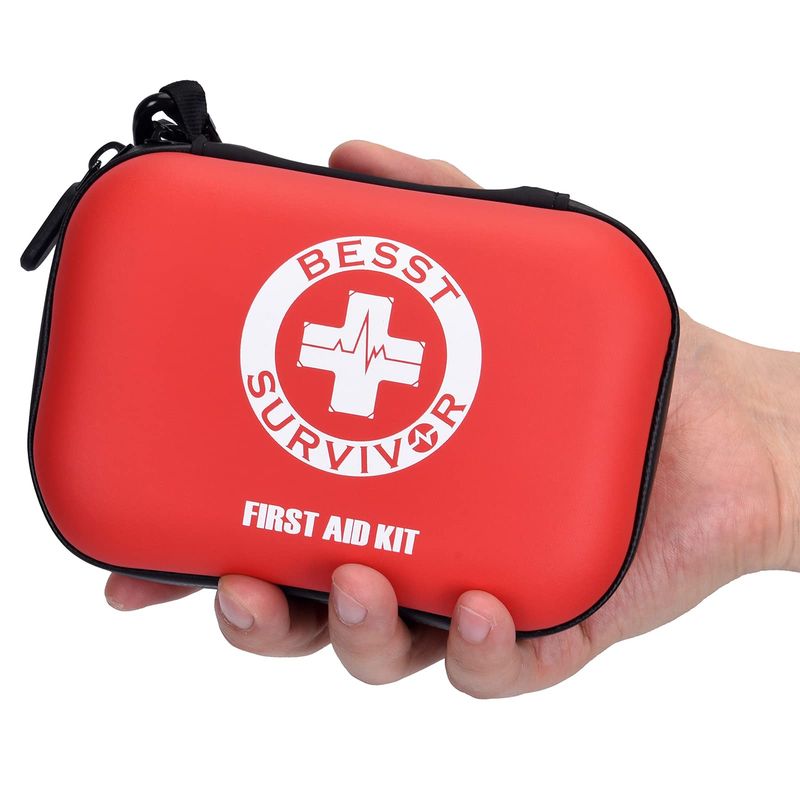
Accidents happen on trails, from small cuts to twisted ankles, making a well-stocked first aid kit your insurance policy against minor emergencies. You do not need a full hospital in your pack, but covering the basics can prevent small problems from becoming trip-ending disasters.
Blister care deserves top priority for multi-day hikes because even tiny hot spots can become painful wounds. Pack moleskin, medical tape, and blister bandages. Include regular bandages for cuts, pain relievers for headaches or sore muscles, and antiseptic wipes to clean wounds.
Add any personal medications you take regularly, plus extras in case your trip extends unexpectedly. Treating blisters at the first sign of rubbing saves you from limping painfully into each hut. A compact kit weighs just ounces but provides enormous peace of mind when you are miles from the nearest town or medical facility.
10. Lightweight Towel and Toiletries
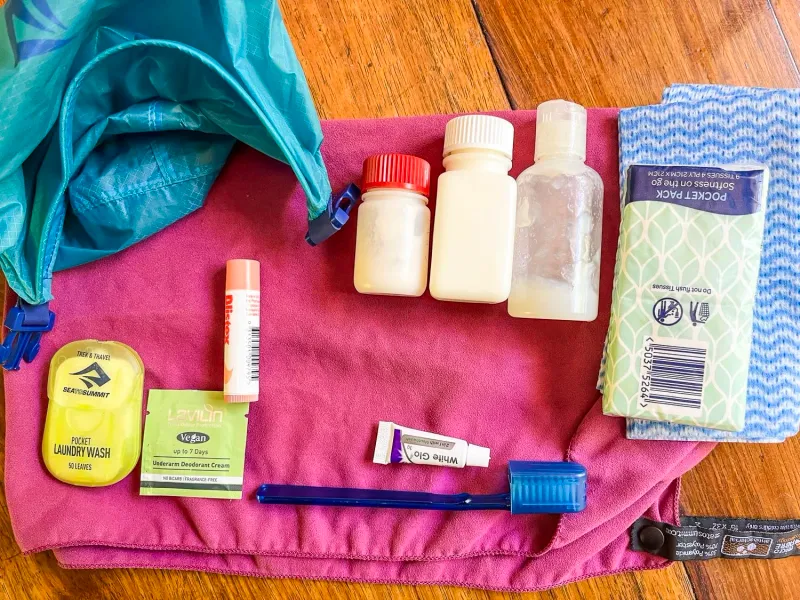
Mountain huts rarely provide towels, so bringing your own quick-dry travel towel is essential for staying clean and comfortable. These modern fabrics absorb water efficiently, dry in hours instead of days, and pack down smaller than a sandwich.
Regular cotton towels stay damp forever and take up valuable pack space. Microfiber or synthetic options weigh a fraction of traditional towels and work just as well for drying off after washing up or using hut showers.
Keep toiletries minimal by choosing travel-sized containers of 100 milliliters or less. You only need the basics like biodegradable soap, toothpaste, and sunscreen. Many huts have limited water and waste systems, so using environmentally friendly products shows respect for the mountain environment. Skip heavy shampoo bottles and full-size items that add unnecessary weight without adding value to your hiking experience on the trail.
11. Sun Protection

Mountain sun burns your skin faster than beach rays because thinner air at high elevations filters less ultraviolet radiation. What feels like a pleasant sunny day can leave you lobster-red and miserable by evening without proper protection.
Sunscreen with high SPF should go on every exposed area, including often-forgotten spots like ears, neck, and the backs of your hands. Reapply every few hours, especially after sweating heavily during climbs.
Sunglasses protect your eyes from intense glare, particularly when hiking near snow or water that reflects light. A hat with a brim shades your face and helps prevent overheating. Lip balm with SPF stops painful chapped and burned lips that crack and bleed. These simple items weigh almost nothing but prevent painful sunburns that can ruin your sleep and make the next day’s hiking absolutely miserable for your suffering skin.
12. Trekking Poles

Your knees take a beating on steep descents, absorbing impact with every downhill step that adds up over miles of trail. Trekking poles transform your arms into additional shock absorbers, distributing the workload across your whole body instead of just your legs.
Uphill climbs become easier too when you push off with poles, using your upper body to help power you up steep sections. You will arrive at huts feeling less exhausted and more ready to enjoy the evening.
Poles also improve balance on uneven terrain, helping you cross streams, navigate rocky sections, and stay upright when carrying a loaded pack. Adjustable models let you shorten them for climbs and lengthen them for descents. Many hikers who initially resist using poles become converts after one long day on challenging terrain, wondering how they ever hiked without these game-changing tools that save energy and protect joints.
13. Power Bank

Most mountain huts have limited electrical outlets, if they have any at all. Dozens of hikers competing for a few power sources means your phone might not get charged when you need it for photos, navigation, or emergency contact.
A power bank with at least 10,000 milliamp hours capacity can recharge your phone multiple times without needing an outlet. This independence means you never worry about battery life affecting your ability to capture memories or check trail maps.
Choose a model that can charge multiple devices if you carry a camera or other electronics. Solar-powered options sound appealing but often disappoint because they charge slowly and need direct sunlight for hours. A simple, reliable battery pack weighs less than a water bottle and provides peace of mind throughout your entire journey, keeping your devices powered from the first hut to the last without depending on limited hut electrical infrastructure.
14. Cash

Remote mountain huts often operate far from modern payment systems, with many accepting only cash for services and extras. Credit cards become useless pieces of plastic when machines do not work or connectivity does not exist in isolated locations.
You will need cash for meals if your reservation does not include food, plus drinks like beer, wine, or hot chocolate. Many huts charge for showers, which might surprise you but makes sense given the effort required to heat water at high elevations.
Emergency transport like helicopter rescue or taxi services from trailheads typically require immediate payment. Bring more cash than you think necessary because running out leaves you unable to purchase basic comforts or handle unexpected situations. Small bills work better than large ones since huts may not have change for big denominations, especially early in the hiking season when their cash boxes are still relatively empty from winter.
15. Hut Reservation Confirmation
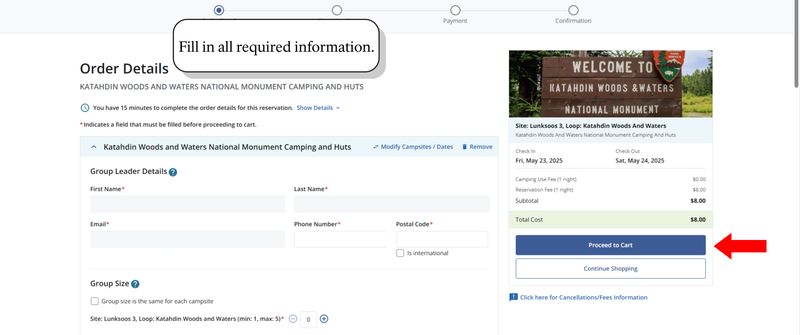
Arriving at a fully booked hut without proof of your reservation can leave you sleeping outside or hiking extra miles to find space elsewhere. Busy hiking seasons mean huts fill completely, and staff need to verify that you actually reserved a spot.
Keep both digital and printed copies of your confirmation because phones die, break, or lose signal at inconvenient moments. A simple paper printout never needs charging and works perfectly even in the worst weather conditions.
Your confirmation includes important details like your arrival date, the number of people in your group, and whether you booked meals. Some hut systems require showing this document at check-in, especially in popular areas during peak summer months. Having it readily accessible in an outside pocket saves you from digging through your entire pack while tired hikers wait behind you, making check-in smooth and stress-free for everyone involved in the process.