
Affiliate disclosure: As an Amazon Associate I earn from qualifying purchases. Learn more
Florida is famous for sunshine and beaches, but hidden beneath the Spanish moss and tangled vines lies a completely different side of the Sunshine State. Crumbling walls, forgotten forts, and overgrown plantation ruins tell stories of lives lived centuries ago.
These hauntingly beautiful places feel like stepping into another world, where history whispers from every stone and shadow. If you love history, adventure, or just a good mystery, these spots will stop you in your tracks.
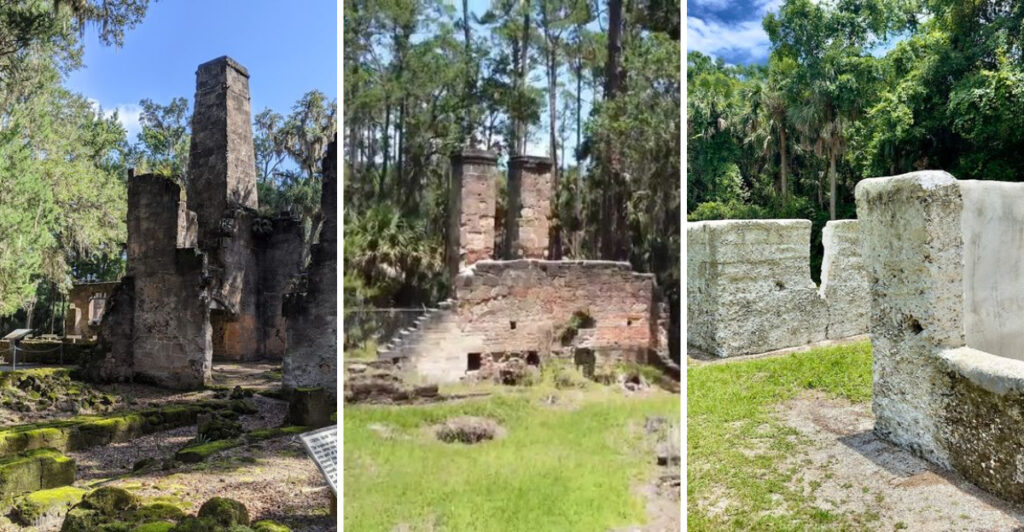
Bulow Plantation Ruins Historic State Park – Flagler Beach, Florida

Walk through the ghostly remains of one of Florida’s largest antebellum plantations, and you can almost hear the past calling out. The Bulow Plantation was burned during the Second Seminole War in 1836, leaving behind dramatic coquina stone ruins that have slowly been swallowed by the forest.
Today, the crumbling sugar mill walls rise like ancient monuments among towering trees. Hiking trails wind through the property, making it ideal for both history lovers and outdoor explorers seeking something truly unforgettable.
Dummett Sugar Mill Ruins – Ormond Beach, Florida
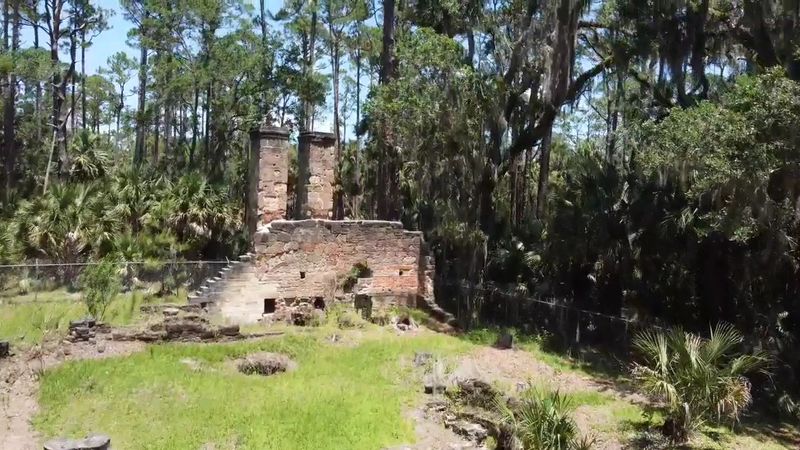
Tucked away in a quiet wooded corner of Ormond Beach, the Dummett Sugar Mill Ruins carry a mysterious, almost forgotten energy. Built in the early 1800s, these coquina and brick walls once powered a thriving sugar operation before being abandoned after the Seminole Wars.
What makes this spot extra special is how raw and undisturbed it feels. There are no crowds, no gift shops, just you and centuries of silence.
History fans who appreciate off-the-beaten-path discoveries will absolutely treasure this hidden gem.
Kingsley Plantation – Jacksonville, Florida

Standing at Kingsley Plantation means standing on some of the most emotionally complex ground in all of Florida. Built around 1798, it is the oldest surviving plantation in the state and tells a story of both prosperity and profound human suffering.
The ruins of 25 tabby slave cabins arranged in a haunting semicircle are the most striking feature on the grounds. Each crumbling wall represents real lives.
Managed by the National Park Service, this site offers guided tours that bring its complicated history to life with honesty and depth.
Fort Jefferson – Dry Tortugas National Park, Florida
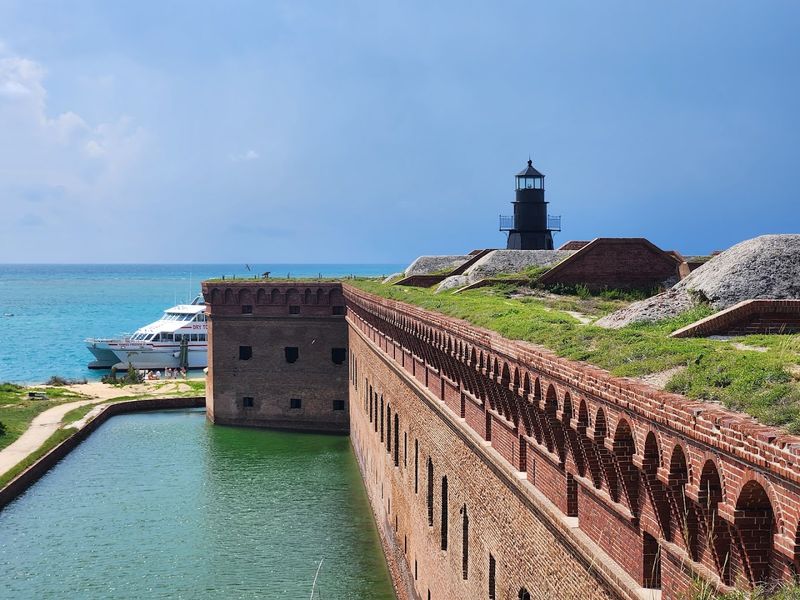
Rising straight out of the Gulf of Mexico like a fortress from another era, Fort Jefferson is jaw-dropping from the moment you spot it. This massive Civil War-era fort sits on a remote island 70 miles west of Key West and can only be reached by seaplane or ferry.
Construction began in 1846 but was never fully completed, giving it an eerie, unfinished grandeur. Most visitors come to snorkel, but the fort itself, with its 16 million bricks and crumbling moat walls, is the real showstopper here.
Yulee Sugar Mill Ruins Historic State Park – Homosassa, Florida
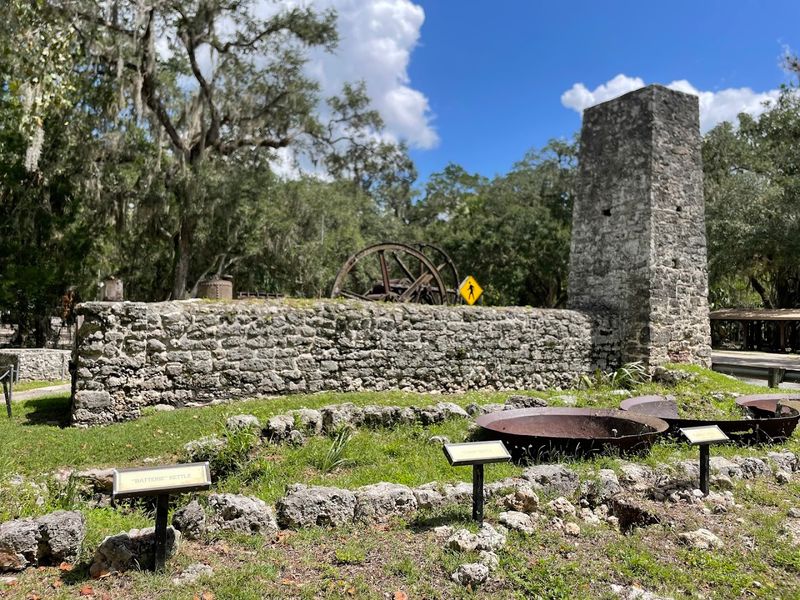
Senator David Levy Yulee built this sugar mill in 1851, and it quickly became one of the most productive operations in the region. When Union soldiers destroyed it during the Civil War, they left behind something surprisingly photogenic: a stunning collection of limestone walls, iron gears, and a towering chimney stack.
The ruins are remarkably well-preserved and completely free to visit. Kids and adults alike find the massive iron machinery fascinating.
Located near the Homosassa River, the site pairs perfectly with a manatee-watching trip nearby.
St. Marks Lighthouse – St. Marks, Florida
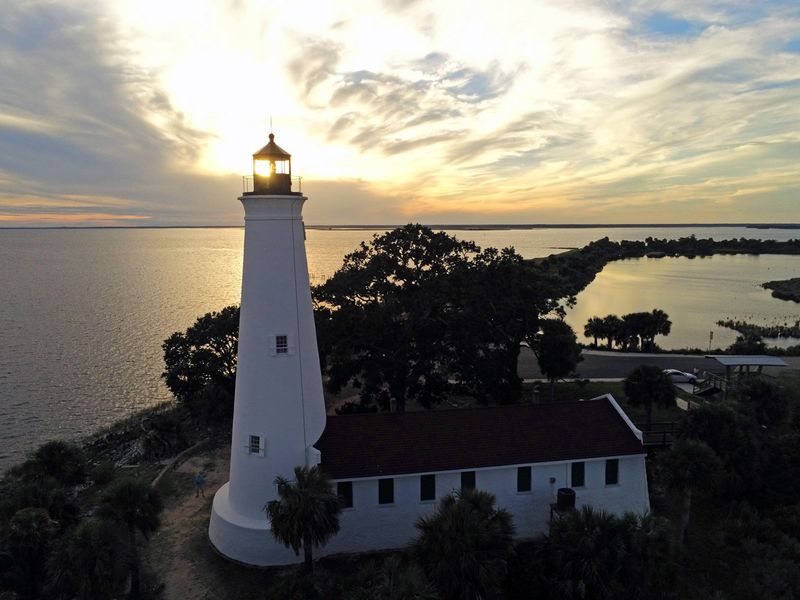
Few historic landmarks in Florida carry the quiet, timeless beauty of St. Marks Lighthouse. First lit in 1831, this striking white tower has survived hurricanes, the Civil War, and more than 190 years of Florida weather without losing an ounce of its charm.
Located inside the St. Marks National Wildlife Refuge, the lighthouse is framed by marshes, migratory birds, and glassy water that mirrors the sky. Photographers absolutely love the golden-hour reflections here.
The surrounding refuge also offers excellent hiking and wildlife viewing to round out your visit.
Boca Grande Quarantine Station – Boca Grande, Florida
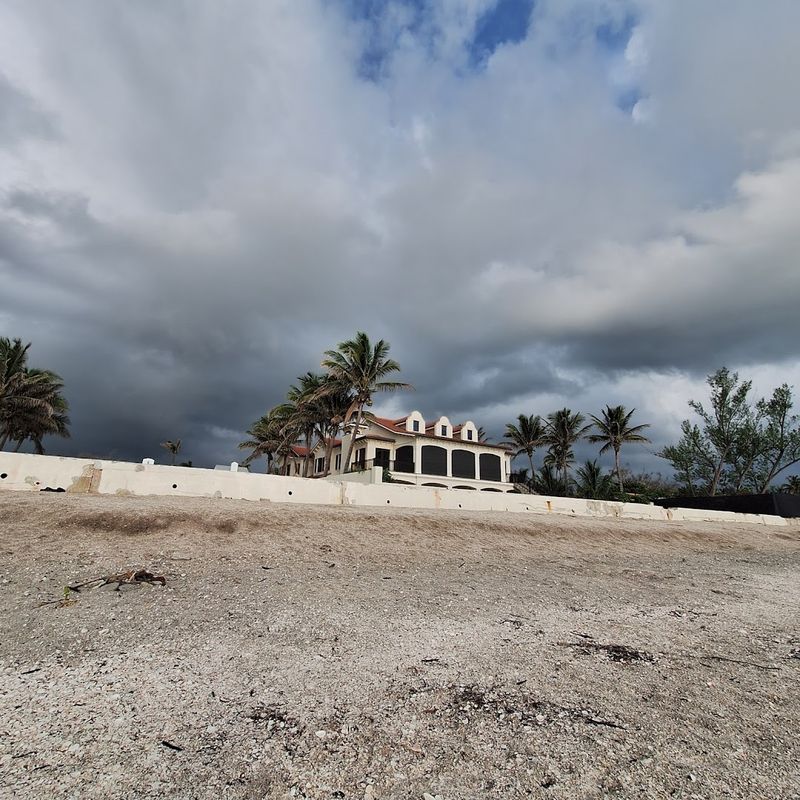
Before modern medicine made it manageable, yellow fever terrified coastal communities across the Gulf of Mexico. The Boca Grande Quarantine Station was built in the late 1800s to inspect and isolate ships and passengers arriving with disease, making it a fascinating and sobering piece of Florida’s public health history.
The crumbling waterfront structures sit quietly on the edge of Charlotte Harbor, largely overlooked by tourists. Boca Grande itself is a gorgeous, unhurried island town, so combining this history stop with a beach day makes for a truly memorable Florida experience.
Fort Dade – St. Petersburg, Florida
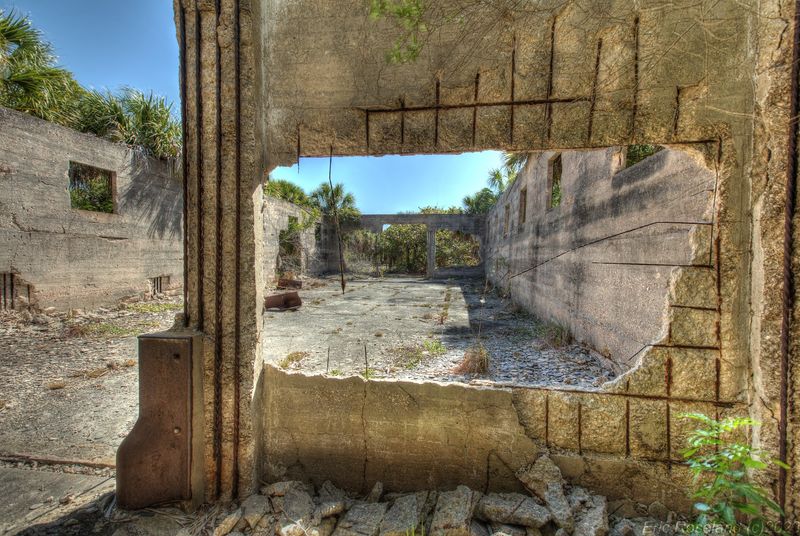
Egmont Key, a small island near St. Petersburg, holds one of Florida’s most atmospheric secrets: the ruins of Fort Dade. Built during the Spanish-American War and active through World War II, the fort was eventually abandoned and left to the island’s subtropical jungle.
Today, gopher tortoises wander through crumbling concrete corridors, and wild vegetation pushes through broken walls. The only way to reach Egmont Key is by ferry or private boat, which adds a real sense of adventure to the journey.
Snorkeling around the island is a fantastic bonus.
Dunlawton Sugar Mill Gardens – Port Orange, Florida
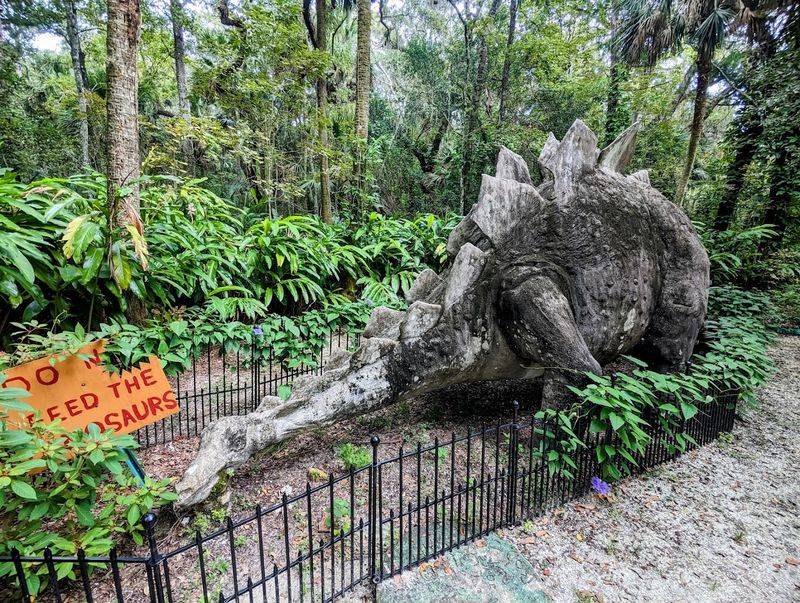
Dunlawton Sugar Mill Gardens might be the most wonderfully quirky historic ruin in all of Florida. The crumbling 1800s sugar mill ruins are real and genuinely atmospheric, but the owners added life-sized dinosaur sculptures throughout the gardens, creating a mashup of history and prehistoric fantasy that kids absolutely adore.
Located in Port Orange near Daytona Beach, this free attraction rewards curious visitors with winding paths, koi ponds, and exotic plants framing the old coquina and brick mill walls. It is weird, wonderful, and completely worth the stop.
Koreshan State Park – Estero, Florida
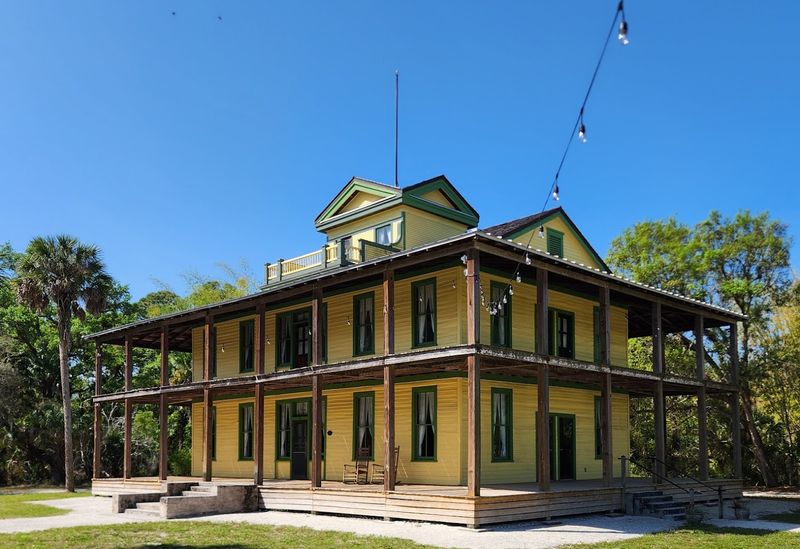
In the 1890s, a group of believers called the Koreshans moved to the wilds of Southwest Florida, convinced the Earth was hollow and that they lived on its inside surface. They built an entire self-sufficient commune in Estero, complete with a bakery, art hall, and printing press.
Today, Koreshan State Park preserves many of those original buildings alongside the lush, overgrown grounds. The story is equal parts strange and fascinating.
Guided tours help unpack the commune’s unusual beliefs, and the Estero River running through the park makes for beautiful canoe trips too.
Bahia Honda Railroad Bridge – Big Pine Key, Florida
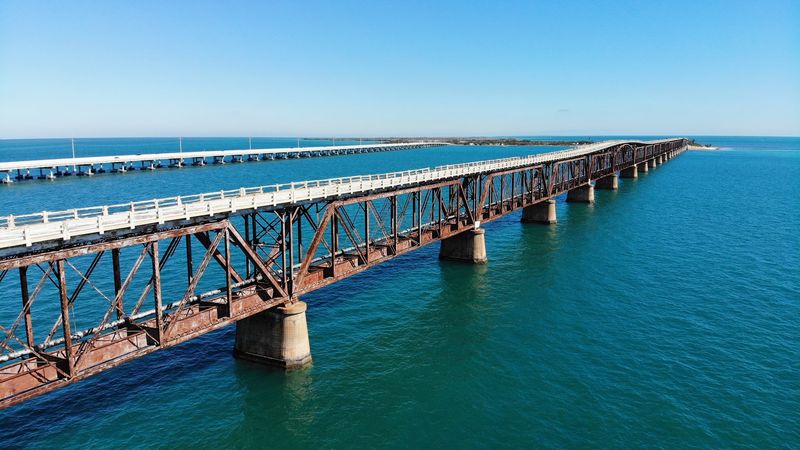
Henry Flagler’s Overseas Railroad was called the Eighth Wonder of the World when it was completed in 1912, and the Bahia Honda Railroad Bridge is one of its most dramatic surviving remnants. After the Labor Day Hurricane of 1935 destroyed much of the railroad, this bridge was left standing as a ghostly monument to engineering ambition.
At Bahia Honda State Park, you can walk a short section of the bridge above stunning turquoise water. The views are absolutely breathtaking, and the beach below is consistently ranked among the most beautiful in the entire United States.