
Affiliate disclosure: As an Amazon Associate I earn from qualifying purchases. Learn more
Chasing a razor sharp moon photo in 2025 takes more than luck. You need a camera body that plays nicely with long lenses, handles low light, and keeps details crisp when you crop. This curated list highlights 10 bodies photographers frequently recommend for lunar and astrophotography, from full frame powerhouses to an ultra zoom bridge camera. Pair any of these with a fast telephoto or telescope lens and your next moonrise could be your best yet.
Canon EOS R5

The Canon EOS R5 blends high resolution with excellent low light performance, which helps pull crisp details from the moon’s craters and maria. You can confidently push ISO while preserving tonal gradation and highlight detail around the bright lunar rim. Add a 600mm plus lens or telescope adapter and you are set for tight, contrasty moon phases.
In-body stabilization helps tame micro vibrations during long exposures, and the dynamic range gives you room to fine tune highlights. You can compose with live view magnification and focus peaking for precise manual focus on the lunar limb. Expect heavier glass and higher cost, but the results justify the commitment if you want gallery worthy moon shots.
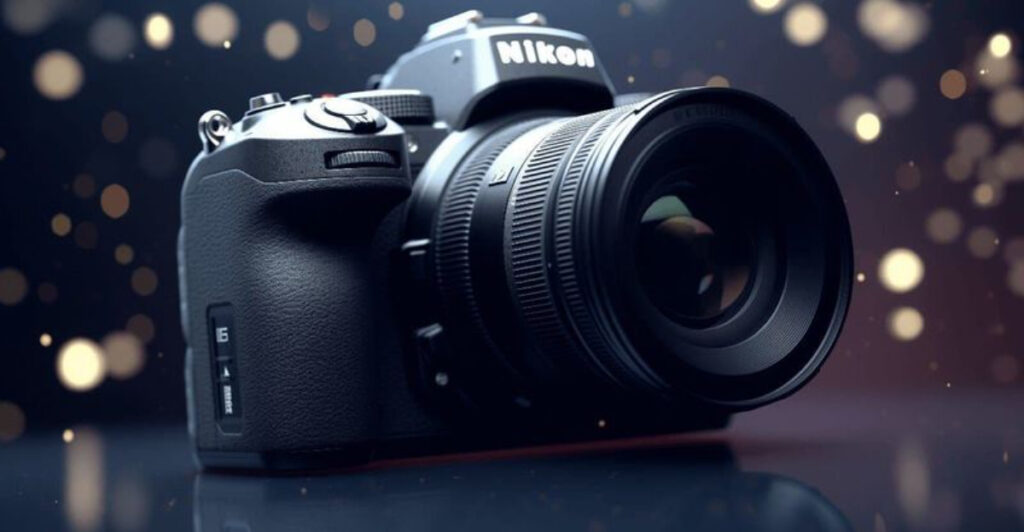
Nikon Z7 II

The Nikon Z7 II offers sharpness and resolution that reward careful lunar framing and thoughtful exposure. Its sensor delivers clean files that hold up to cropping, so you can isolate the moon without sacrificing clarity. With the right telephoto or telescope setup, you can render razor edge craters and fine terminator contrast.
Focus aids and a bright EVF make manual focusing straightforward, even in low light. Pair it with a sturdy tripod and use electronic front curtain or silent modes to reduce vibration. If you already shoot Nikon glass, this body becomes an excellent base for moon work while still serving as a versatile daily camera.
Sony Alpha a7R IV

The Sony a7R IV packs high resolution that lets you crop deep while preserving lunar texture and contrast. Files remain detailed enough to showcase crater rims and the rugged terminator line. With good glass, you can combine wide landscape context and later crop for a tight moon without losing sharpness.
Eyeing low noise at moderate ISO and a responsive EVF, it is a dependable choice for phase sequences and eclipses. Use a remote release and short shutter times to tame atmospheric shimmer. This body also handles everyday shooting well, so your lunar rig can double as a travel and landscape setup.
Fujifilm X-H2S

The Fujifilm X-H2S brings speed and stabilized performance in a lighter APS-C package that feels great for moon sessions on the go. The crop factor effectively brings the moon closer, which helps when you want reach without an oversized lens. With a long telephoto, it can render crisp lunar details while keeping your kit manageable.
Its stacked sensor and responsive viewfinder make focusing quick, and stabilization assists with framing at extreme focal lengths. Use manual focus magnification to nail sharpness at the lunar limb. If you value portability but still want serious results, this body is a smart, budget friendly alternative to heavier full frame rigs.
Panasonic Lumix S1R

The Panasonic Lumix S1R delivers high resolution with strong color and tonality, which helps reveal subtle lunar shading. Its robust build and clear EVF make it comfortable for long nights on a tripod. When paired with a fast telephoto or telescope, the S1R can capture crisp crater details and smooth gradients along the terminator.
In-body stabilization assists with composing and minor vibrations, though a solid mount remains essential. Tethered shooting and precise manual focus tools simplify dialing in tack sharp results. If you want a body that doubles for stills and some astro oriented video, this is a versatile choice in 2025.
Nikon Z6 II

The Nikon Z6 II strikes an appealing balance of price, low light performance, and usability for moon photography. Its sensor handles higher ISOs gracefully, which helps when the atmosphere demands faster shutter speeds. Paired with a solid telephoto or telescope adapter, it can deliver clean, detailed moon frames.
Use focus magnification and peaking to dial in clarity at the rim. Electronic shutter options and a sturdy tripod reduce vibration for sharper results. If you want excellent lunar shots without chasing flagship pricing, the Z6 II is a reliable and flexible platform you can grow with.
Sony Alpha a7 IV

The Sony a7 IV blends modern autofocus, strong image quality, and friendly ergonomics for moon work and everyday shooting. While resolution is moderate, files are clean and flexible for selective cropping. With the 200-600mm or a telescope, you can lock in crisp lunar texture and maintain contrast across phases.
Stabilization and a responsive EVF simplify manual focus and composition at long focal lengths. Use a remote trigger and short exposures to minimize atmospheric blur. If you want one camera that excels at the moon yet stays practical for travel and portraits, the a7 IV is a confident pick.
Canon EOS R6

The Canon EOS R6 offers strong low light performance and fast handling in a body that is friendly to learn. It excels when the atmosphere forces higher shutter speeds, keeping noise controlled and details intact. With a long telephoto or telescope, you can capture sharp phases and even stack frames for boosted detail.
Its stabilization and clear live view magnification help with precise manual focus. Use timer or remote to reduce shake, and review histograms to tame blown highlights. For shooters stepping up into serious moon work while watching budget and weight, the R6 hits a sweet spot.
Fujifilm GFX100S II

The Fujifilm GFX100S II brings medium format resolution for those who want extreme lunar detail. Its 102 MP files allow significant cropping while preserving delicate tonal transitions. With exceptionally sharp optics and a rigid setup, you can produce prints that reveal crater fields with stunning clarity.
Expect greater size, weight, and cost, and plan for a rock solid tripod and careful technique. Manual focus precision and short exposure stacking can push results even further. If ultimate detail is your goal and you accept the demands, this body offers massive potential for lunar imaging.
Nikon COOLPIX P1000

The Nikon COOLPIX P1000 is a surprise favorite for moon shooters who want reach without a complex system. Its 125x optical zoom lets you frame the moon tightly without extra lenses. While the small sensor has limits, careful technique and lower ISO can still yield striking lunar detail.
Use a tripod or brace against a railing, and rely on self timer to reduce shake at extreme zoom. The built in stabilization helps, but short shutter speeds are your friend. If you want a simple, affordable kit that still gets impressively close, the P1000 makes moon photography approachable.